
 Harriet Wetton
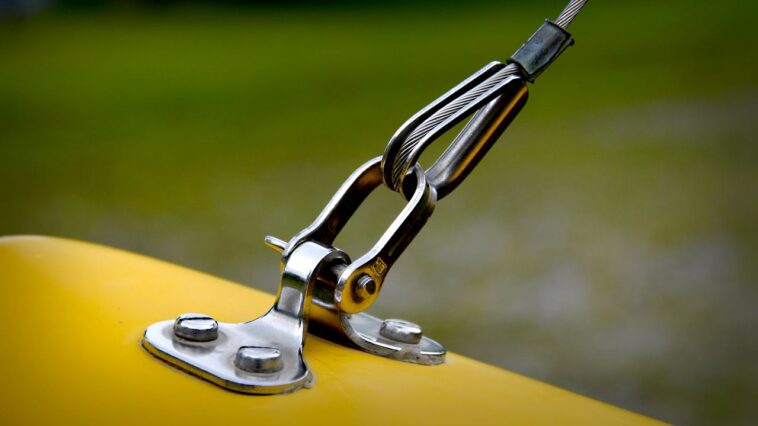
Have you ever spent hours securing heavy cargo on a trailer, stitching a custom leather belt, or rigging a shade sail in your backyard, only to watch cheap hardware fail when you need it most?
Few things cause as much frustration as a bent, rusted, or snapped metal fitting. It ruins projects, compromises safety, and wastes time and money.
Hardware failures usually happen because a small part was ignored: the humble stainless d ring.
D-rings look simple, but they hold together massive loads across many industries. You will find them everywhere, from ocean rigging and military gear to pet leashes, heavy tie-downs, and industrial safety harnesses. Choosing the wrong size, material grade, or attachment method can lead to unexpected snapping or premature rusting.
This guide breaks down everything you need to know about stainless steel D-rings. You will learn how they work, how stainless steel grades differ, how to calculate load limits, and how to pick the right fitting for your project.
Whether you are an outdoor DIYer, a marine enthusiast, a craftsperson, or an industrial worker, this guide will give you clear, actionable advice.
What Is a Stainless D Ring and Why Does It Matter?
A stainless d ring is a D-shaped metal loop designed to connect straps, ropes, cables, chains, or hardware. It has one flat side and one curved side.
The flat edge rests against straps, webbing, or mounting surfaces. The rounded side holds hooks, carabiners, or ropes, allowing them to pivot smoothly without binding or wearing out the line.
| Component | Function |
| Flat Bar (Base) | Keeps webbing flat, prevents twisting, anchors directly to flat surfaces. |
| Curved Crown | Allows connected hardware or ropes to pivot freely under varying load angles. |
| Weld / Joint | Joins the loop into a single, closed high-strength structure (in welded models). |
Why Choose Stainless Steel Over Other Materials?
Metal hardware comes in brass, aluminum, zinc die-cast, and plated mild steel. While cheaper, these alternatives often fail under harsh conditions. Carbon steel rusts quickly when exposed to moisture. Plated metals flake over time, exposing bare metal underneath to rust. Plastic hardware can crack under cold weather or heavy tension.
Stainless steel uses chromium, nickel, and molybdenum to form a self-healing protective oxide layer. If the surface scratches, it reacts with oxygen to restore its corrosion resistance immediately.
According to metallurgical reference data on ASM International, adding specific elements like chromium and molybdenum transforms simple iron alloys into highly corrosion-resistant materials suitable for demanding environments.
| Material | Corrosion Resistance | Strength Level | Best Use |
| Stainless 316 | Exceptional (Marine) | High to Very High | Saltwater |
| Stainless 304 | High (Standard) | High | General |
| Zinc Plated | Low (Flakes over time) | Medium | Indoor |
| Solid Brass | High (Rustproof) | Low-Medium | Decorative |
304 vs 316 Stainless Steel: Which Should You Use?
Choosing the wrong steel grade is a common mistake. Standard stainless steel can still corrode if placed in the wrong environment.
Grade 304 (Standard Commercial Stainless)
Grade 304 contains 18% chromium and 8% nickel (often labeled 18/8). It is strong, easy to maintain, and highly resistant to freshwater, rain, and humidity.
-
Best for: Indoor tie-downs, dog collars, backpacks, furniture, utility trailers, and general outdoor gear.
-
Limitations: It can develop surface rust (“tea staining”) when exposed to saltwater, road salt, or harsh chemicals.
Grade 316 (Marine Grade Stainless)
Grade 316 adds 2% to 3% molybdenum to its alloy. This element prevents pitting corrosion caused by chlorides and industrial airborne chemicals.
-
Best for: Boat rigging, scuba diving gear, coastal architecture, shade sails, and heavy transport equipment.
-
Limitations: It costs 20% to 40% more than Grade 304.
Types of Stainless D Rings and How They Work
Not all D-rings perform the same way. Selecting the right configuration depends on how you plan to anchor it.
| Design Type | Key Feature | Typical Use |
| Welded | Fully sealed joint, smooth loop | Heavy lifting/rigging |
| Non-Welded | Open seam, lower load rating | Light crafts/bags |
| Bolt-On / Plate | Pre-drilled bracket base | Trailer beds, walls |
| Recessed Floor | Flush mounting flip-up ring | Cargo truck floors |
1. Welded vs Non-Welded D-Rings
-
Welded D-Rings: Made by bending stainless wire into shape and welding the joint closed. The joint is ground smooth so it won’t tear webbing straps or cut ropes. Welded rings handle heavy loads without pulling open under tension.
-
Non-Welded (Unwelded) D-Rings: Bent into shape leaving a small gap at the seam. They are cheaper to produce but should only be used for light crafts, clothing, or decorative projects where safety is not a concern.
2. Surface Mount and Bolt-On D-Rings
These units include a stainless steel mounting plate (clip) that wraps around the flat side of the ring. You bolt or screw the bracket directly to wood, steel, or aluminum surfaces.
-
Best for: Flatbed trailers, pickup truck boxes, cargo vans, and garage storage walls.
3. Recessed Pan D-Rings
Mounted inside a cutout hole on a floor, these sit completely flush when not in use. When you need to tie down gear, you lift the ring up out of its recessed pocket.
-
Best for: Enclosed cargo trailers, toy haulers, and boat decks where protruding hardware could cause trip hazards or block wheeled equipment.
4. Specialty D-Rings
-
D-Rings with Bar (Bridge Rings): Feature a middle bar that creates two separate slots. This keeps webbed straps separated from snap hooks, preventing bunched fabric.
-
Hinged Heavy-Duty Anchors: Feature extra-thick forgings rated for several tons, designed for heavy transport, equipment recovery, and vehicle ties.
How to Calculate Load Limits and Safety Ratings
Understanding load ratings prevents structural failure and keeps equipment safe. Using a ring rated below your requirement can lead to snapped lines or damaged tie-downs.
Crucial Load Terms Explained
-
MBS (Minimum Breaking Strength): The point of force where a brand-new D-ring bends out of shape or breaks. Never use MBS as your operating limit.
-
WLL (Working Load Limit): The maximum safe weight you should apply during everyday operations. This is calculated using a safety margin:
-
Safety Factor: Standard industrial applications use a 3:1 or 4:1 ratio. Overhead lifting or fall-protection safety gear requires a 5:1 or 10:1 safety ratio.
| Wire Thickness (in) | Approx. WLL (lbs) | Ideal Applications |
| 1/8 inch (3 mm) | 100 – 150 lbs | Crafting, pets, small bags |
| 1/4 inch (6 mm) | 400 – 600 lbs | Light trailers, marine lines |
| 3/8 inch (10 mm) | 1,200 – 1,800 lbs | Vehicle cargo tie-downs |
| 1/2 inch (12 mm) | 3,000 – 5,000 lbs | Heavy transport, machinery |
Real-World Uses Across Key Industries
Stainless D-rings are versatile fittings used across many everyday and industrial settings.
Marine and Boating
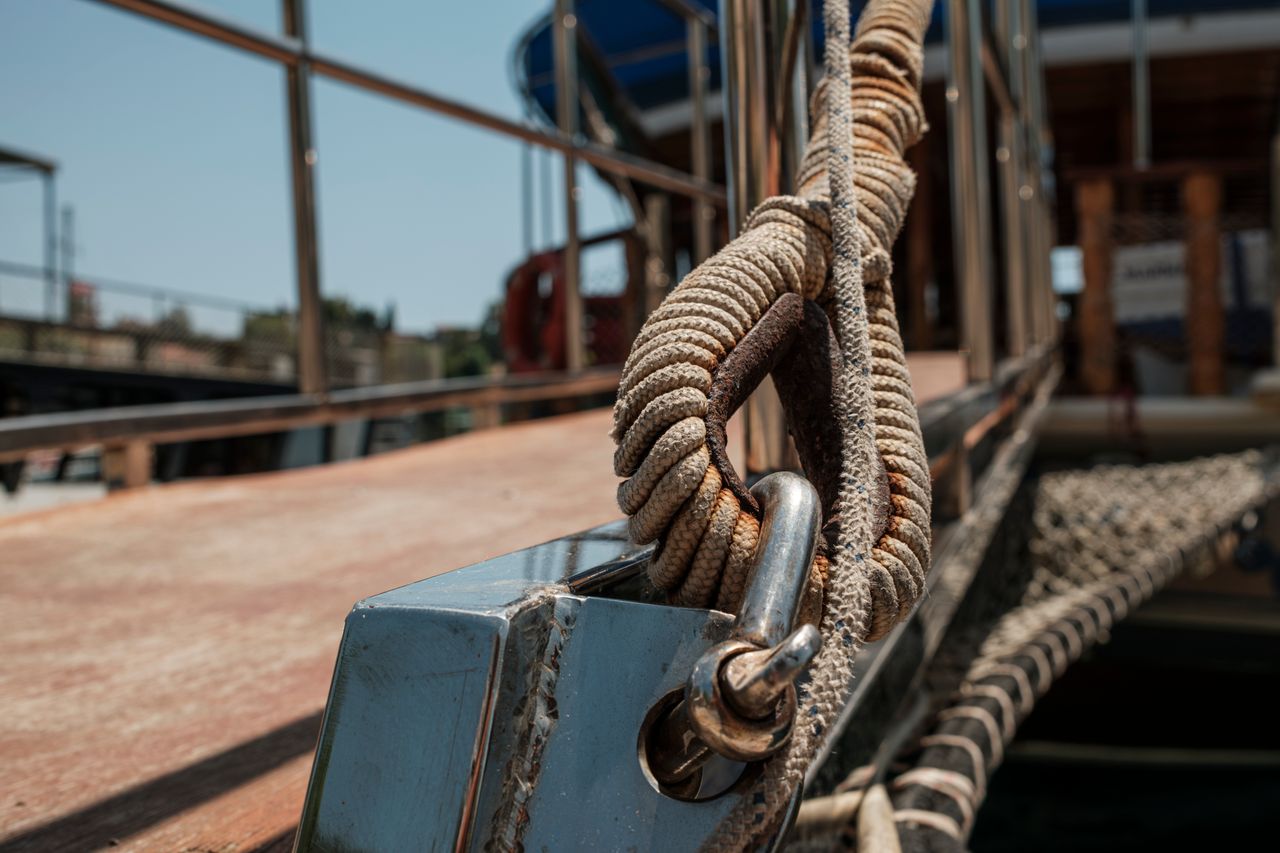
Sea environments destroy low-grade metals quickly. Stainless 316 D-rings are essential for secure ocean rigging. They are used for boat lifelines, deck tie-downs, anchor rodes, bimini top supports, and scuba diving harnesses.
Outdoor Gear and Overland Travel
Outdoor gear must withstand rain, mud, and heavy loads. High-strength D-rings secure gear to roof racks, anchor shade canopies, hold hammocks, and provide attachment points on tactical backpacks.
Cargo Tie-Downs and Transportation
Securing heavy loads on trailers or truck beds requires reliable hardware. Recessed floor rings and heavy-duty surface brackets allow ratchet straps to hold motorcycles, ATVs, construction materials, and machinery safely in place.
If you are doing garage work or vehicle modifications, learning about lifting vehicles safely in your garage helps ensure your setup can handle working around heavy loads.
Safety Harnesses and Industrial Uses
In construction, climbing, and fall-protection systems, D-rings serve as the main connection point between a worker’s harness and their safety lanyard. Official equipment guidelines published by OSHA require rigorous testing and specific load capacities for all fall protection anchors to ensure worker safety.
Fashion, Leathercraft, and Pet Gear
Thinner stainless rings add durable hardware to custom leather belts, heavy bags, luggage straps, and dog harnesses that won’t rust or stain over time.
Step-by-Step Installation Guides
Proper installation is just as important as choosing the right ring grade. If your mounting surface or fasteners fail, the entire system breaks.
Method 1: Bolting to Wood or Fiberglass (Trailers & Decks)
-
Mark the position: Set the mounting plate in place and mark the drill holes with a pencil.
-
Drill clearance holes: Use a drill bit matched to your bolt diameter. Drill cleanly straight through the wood or fiberglass surface. If you are working on outdoor DIY timber structures, make sure the wood frame is thick enough to handle the tension.
-
Apply marine sealant: If installing outdoors or on a boat deck, apply marine-grade polyurethane sealant inside the drilled holes and under the mounting plate. This prevents water from seeping inside and rotting the wood core.
-
Attach backing plates: Slide stainless machine bolts through the mounting plate. Beneath the surface, place a wide stainless fender washer or a custom steel backing plate over the bolts.
-
Secure with lock nuts: Thread stainless nylon-insert lock nuts (Nyloc) onto the bolts and tighten firmly with a socket wrench. The backing plate distributes force across a wider surface area, preventing the bolts from pulling through under load.
Method 2: Welding Direct to Metal Structures
-
Clean the metal: Remove paint, powder coating, rust, or grease from the base metal using an angle grinder until you reach bare steel.
-
Match your metals: Always weld stainless rings using compatible stainless welding rod/wire (like 308L or 316L filler). Welding stainless to carbon steel requires specialized 309L filler to prevent weld cracking.
-
Tack and lay pass: Tack-weld the mounting bracket in place. Inspect alignment, then complete full, even welds along both long sides of the bracket.
-
Clean the weld: Pass a stainless steel wire brush over the completed joint to remove slag and discoloration, restoring the metal’s natural corrosion resistance.
5 Common Mistakes to Avoid
-
Using non-welded D-rings for heavy loads: Non-welded rings can bend open under high tension, causing straps to slip out. Always use fully welded rings for load-bearing applications.
-
Mixing incompatible metals: Connecting a stainless D-ring directly to aluminum or carbon steel in wet environments causes galvanic corrosion. The weaker metal degrades rapidly. Always use plastic isolation washers or rubber gaskets between dissimilar metals.
-
Ignoring load angles: Pulling a D-ring sideways at a 45-degree or 90-degree angle reduces its effective working load limit by up to 50%. Align rings in the direct line of pull whenever possible.
-
Reusing worn or bent hardware: Once a stainless ring deforms, stretches, or develops deep cuts, its structural integrity is lost. Replace damaged rings immediately.
-
Over-tightening directly onto bare wood: Fastening mounting brackets into soft wood without a backplate can crush wood fibers and loosen your tie-downs over time.
Maintenance and Care Tips
While stainless steel resists rust, simple maintenance keeps it looking bright and performing safely for years.
-
Rinse off saltwater regularly: Spray fittings with clean freshwater after exposure to ocean spray or winter road salt.
-
Remove surface staining: If mild brownish tea-staining appears, clean the metal using oxalic acid cleaner or a stainless passivating paste. Avoid steel wool or carbon steel brushes, as they leave tiny iron particles behind that will rust.
-
Inspect monthly: Check for cracks around welds, elongated loops, or loose mounting bolts on heavily used equipment.
Expert Recommendations: When to Hire a Professional
While installing a standard bolt-on D-ring is a quick DIY project, some installations require professional skill.
-
Certified vehicle structural modifications: Adding heavy tie-down points to commercial flatbeds or chassis frame rails should be handled by a certified welder or body shop to meet transport safety standards.
-
Overhead lifting and crane rigging: Any lifting application that hoists equipment over people requires certified hardware and professional inspection.
-
Architectural shade structures: Tensioning large commercial shade sails creates immense wind load forces. Consult a structural engineer to ensure mounting points handle severe weather safely.
When tackling custom projects or heavy installations, taking the time to pick the right hardware ensures your work stays safe and lasts for years. If you ever need advice or custom guidance for a project, feel free to contact our team anytime!
Future Trends in Rigging and Hardware
Stainless steel manufacturing continues to evolve with modern technology:
-
High-Strength Duplex Alloys: Duplex stainless steels offer higher strength and better corrosion resistance than 316 grade. They allow manufacturers to produce thinner, lighter rings that support heavier loads.
-
PVD (Physical Vapor Deposition) Coatings: Tactical and outdoor equipment increasingly uses matte black PVD coatings over stainless steel. This coating reduces glare and adds scratch resistance without compromising the underlying metal.
-
3D Printed Metal Components: Additive manufacturing makes it possible to print custom, topologically optimized D-rings designed for aerospace and specialized racing applications.
Conclusion
Choosing the right stainless d ring comes down to three factors: selecting the correct steel grade (304 vs 316), choosing between welded or non-welded options, and using proper mounting methods.
Taking a few minutes to calculate your required load limits and buying quality hardware prevents equipment failure, protects cargo, and keeps your projects safe. Inspect your existing fittings today, replace worn or light-duty rings with welded stainless steel units, and build your next project with complete confidence!
Frequently Asked Questions
What is the difference between 304 and 316 stainless D-rings?
Grade 304 is ideal for general indoor and freshwater outdoor use. Grade 316 includes molybdenum, making it superior for saltwater marine environments and harsh chemical exposure.
Are all D-rings rated for lifting heavy loads?
No. Non-welded and light wire D-rings are intended for craft, clothing, or light strap applications. Only heavy-duty, fully welded, or forged stainless steel D-rings with explicit Working Load Limit (WLL) ratings should be used for securing heavy cargo or lifting.
Can I weld a stainless steel D-ring to a steel trailer frame?
Yes, but you must use the proper filler metal, such as a 309L welding rod or wire. This prevents cracking when joining stainless steel to carbon steel.
How do I stop my stainless steel D-rings from tea-staining?
Rinse hardware regularly with fresh water to clean off salt spray and dirt particles. If surface stains appear, clean them using a stainless steel polish or an oxalic-acid-based cleaner.
Should I choose a welded or non-welded D-ring for a dog leash harness?
Always use a fully welded stainless D-ring for dog harnesses or pet leashes. A strong dog can pull open a non-welded ring at the seam, allowing the leash to detach.