
 Harriet Wetton
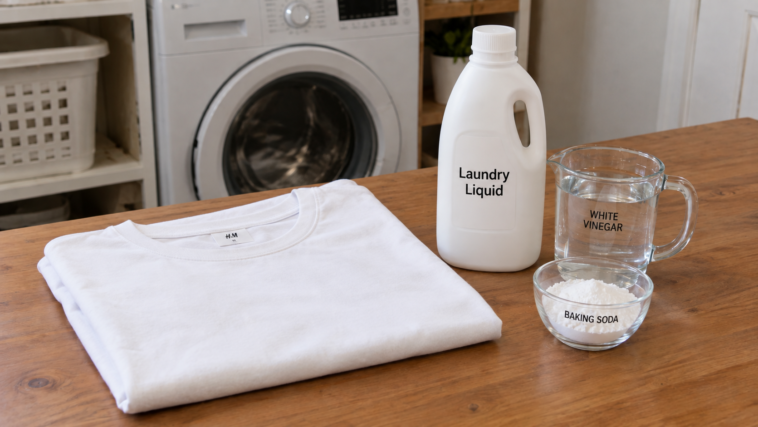
Spilling tomato sauce on your favorite shirt can instantly ruin your mood. You are sitting down for a delicious pasta dinner, and suddenly, a bright red drop lands right in the middle of your light-colored top.
A feeling of panic sets in right away. You wonder if the shirt is ruined forever or if you will be left with an ugly yellow stain that never washes out.
Tomato sauce stains are famously stubborn. They contain a mix of red pigments and rich oils that cling tightly to fabric fibers. Washing the shirt in warm water right away often sets the stain permanently, making the problem even worse.
You do not have to throw away your favorite clothes. This guide will show you exactly how to remove tomato sauce stains from clothes using simple household items and easy steps.
By following these proven methods, you can save your garments, protect your budget, and keep your wardrobe looking fresh.
What Makes Tomato Sauce Stains So Difficult to Clean?
Tomato sauce stains present a double challenge because they combine two completely different stain types into one mixture.
First, tomatoes contain a natural chemical compound called lycopene. Lycopene gives ripe tomatoes their bright red color.
It is a powerful dye that bonds strongly to synthetic and natural fibers alike. Cotton, polyester, and linen absorb this red pigment almost instantly.
Second, most delicious tomato sauces contain oils, such as olive oil or butter. Oil does not mix with water. When oil hits fabric, it sinks deep into the material and creates a dark, greasy ring.
When you spill tomato sauce, you are dealing with both a rich color dye and a heavy oil mark. Standard washing routines usually clean one or the other, which is why a simple laundry cycle often fails to clear the entire mark.
To learn more about how different dyes and compounds bond with textile fibers, you can explore the comprehensive fabric care guides on Good Housekeeping.
Why Speed and Temperature Matter When Treating Stains
Time is your most important tool when dealing with fresh tomato sauce spills. The longer the sauce sits on your clothing, the deeper the dye and oil penetrate into the thread fibers.
Once the stain dries completely, removing it requires significantly more effort and repeated treatments.
Temperature plays an equally critical role in saving your garment:
-
Cold water lifts pigment: Cold water helps flush out the natural red dyes without setting them into the fabric.
-
Hot water sets stains: Hot water cooks the proteins and locks the lycopene dye permanently into many types of fabric. Always avoid hot water during the initial rinse.
-
Heat locks in residual oil: Putting a stained garment into a hot clothes dryer before the mark is 100 percent gone bakes the remaining oil right into the material.
If you are also dealing with other tough clothing care issues around your home, such as restoring worn household items or maintaining delicate fabrics, taking care of your possessions properly saves time and money.
For example, learning how to soften the leather with some easy tactics can help restore stiff leather jackets or accessories using everyday home solutions.
How Do You Remove Tomato Sauce Stains From Clothes Step-By-Step?
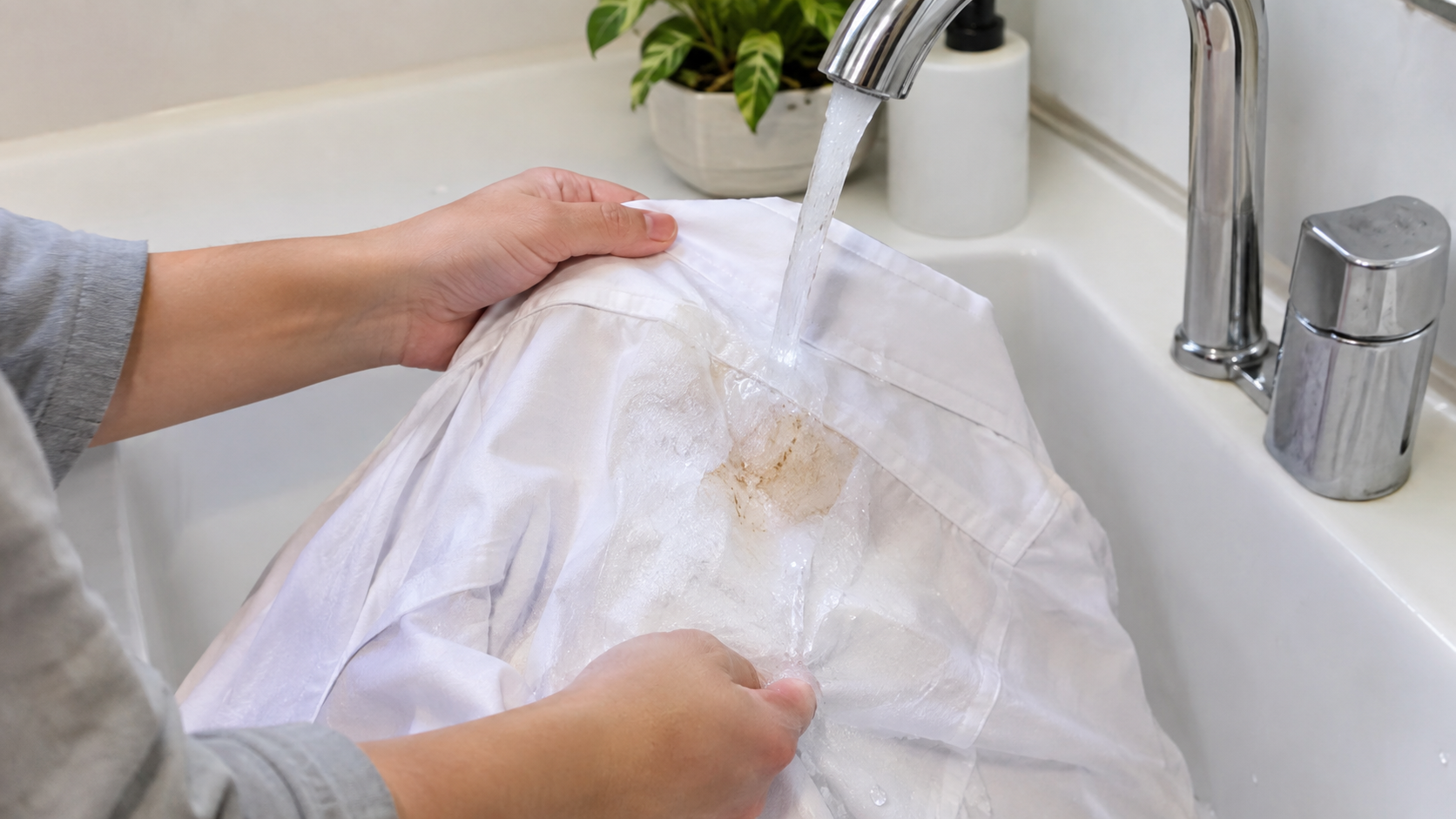
Removing fresh tomato sauce stains requires a systematic approach. Follow these six steps in order to lift both the oil and the red pigment safely.
Step 1: Scrape Away Excess Sauce
Use a dull butter knife, the edge of a spoon, or a hard plastic card to gently lift away any remaining thick sauce from the fabric surface. Lift straight up without pushing down.
Never rub the stain with a napkin or towel at this stage, because rubbing forces the sauce deeper into the weave.
Step 2: Flush From the Back With Cold Water
Turn the garment inside out so you are looking at the back of the stain. Hold the fabric under a faucet running cold water at high pressure. Let the water run directly through the back of the fabric to push the stain out the front. Rinsing from the front forces the dye deeper into the cloth.
Step 3: Apply Liquid Dish Soap
Liquid dish soap is specifically formulated to break down cooking oils and fats. Squirt a small amount of clear liquid dish soap directly onto the front of the wet stain. Gently rub the soap into the fabric using your thumbs or a soft-bristled toothbrush.
Move in small circular motions from the outer edge of the stain toward the center. Let it sit for 10 minutes.
Step 4: Treat With White Vinegar or Hydrogen Peroxide
After rinsing away the dish soap with cold water, address the lingering red pigment.
-
For colored clothes: Soak the area with pure white distilled vinegar. White vinegar breaks down natural dyes safely without bleaching colored threads.
-
For white clothes: Apply a few drops of 3 percent hydrogen peroxide directly onto the stain. Hydrogen peroxide acts as a mild, safe bleach alternative that lightens stubborn red spots.
Let your chosen liquid soak into the fabric for 10 to 15 minutes.
Step 5: Wash in the Laundry
Place the garment into your washing machine. Use your normal laundry detergent along with cold or lukewarm water. If the care label permits, add an oxygen-based bleach powder to the drum for extra stain-fighting power.
Step 6: Air Dry and Inspect
Once the wash cycle finishes, take the clothing item out and inspect the area under bright light. Do not put the item into a hot tumble dryer. Air dry the clothing item completely on a drying rack or clothesline. If any faint yellow mark remains after drying, repeat the treatment steps before applying any heat.
Real Life Example: Saving a White Cotton Shirt After a Spaghetti Dinner
Consider a common scenario: Sarah was wearing her favorite white cotton button-down shirt at a family dinner when a drop of marinara sauce splashed across the chest.
Instead of rubbing the spot with a dry paper napkin, Sarah went straight to the bathroom. She carefully scraped off the thick sauce using the back of a spoon. Next, she flipped the shirt inside out and flushed cold water through the back of the cloth for two full minutes.
Once home, she worked clear dish soap into the mark to dissolve the olive oil base. After a cold rinse, she poured a small amount of 3 percent hydrogen peroxide over the pale red spot and let it sit for 15 minutes.
She then washed the shirt on a regular cold cycle and hung it up to air dry near a sunny window. By avoiding heat and using liquid dish soap followed by hydrogen peroxide, the white cotton shirt came out looking completely clean without a trace of red dye.
Common Mistakes to Avoid When Treating Tomato Stains
Many people accidentally ruin their clothing by making simple, common mistakes during the cleaning process. Avoid these frequent errors to keep your clothes in great shape:
-
Rubbing the stain aggressively: Scrubbing hard with a paper towel or rough cloth frays the fabric fibers and spreads the red pigment over a wider area.
-
Using hot water first: Running hot tap water over a fresh tomato stain sets the lycopene dye deeper into the material before you can lift it out.
-
Applying hand soap instead of dish soap: Regular hand soap often contains moisturizers or lotion that can leave new oily rings on delicate fabrics.
-
Using dark-colored dish soap on white items: Blue or green dish soaps can sometimes leave secondary dye marks on pure white cotton if left on too long.
-
Tumble drying too early: Placing an item in a heated dryer before checking if the stain is completely gone bakes the remaining oil into the fabric permanently.
Advanced Strategies for Old or Dried Tomato Sauce Stains
If you discover a dried tomato sauce stain on a shirt that was already washed and dried days ago, standard soap and water may not be enough. You need stronger, targeted treatments to break down set-in pigments and baked-in oils.
The Baking Soda and Dish Soap Paste
Mix 2 tablespoons of baking soda with 1 tablespoon of clear dish soap and 1 tablespoon of water to create a thick paste. Spread this paste over the dried stain and scrub gently with an old, soft toothbrush.
The baking soda acts as a mild abrasive to break apart set-in particles, while the dish soap dissolves the old oil base. Let the paste rest on the fabric for 30 to 60 minutes before rinsing thoroughly with cold water.
Sunlight Curing (The Natural UV Method)
Direct sunlight is extraordinarily effective at removing lingering lycopene stains. Natural ultraviolet (UV) light breaks down the chemical bonds of the red tomato pigment naturally.
After washing your garment while it is still damp, hang the item outdoors in direct sunlight for three to four hours. Sunlight works particularly well on white or light-colored cotton, linen, and canvas items, often bleaching away remaining yellow or orange rings completely without harsh chemicals.
Specialized Approaches for Different Fabrics and Stains
Different types of fabric require tailored care to ensure you do not damage the material while removing the stain. Additionally, tomato sauce often mixes with other ingredients like cheese, meat, or wine, requiring specific cleaning strategies.
For delicate items like silk, wool, or dry-clean-only garments, standard home rinsing methods might cause water spots or shrinkage. Understanding delicate fabric care ensures you choose the right approach for luxury items.
If you are dealing with a complex spill where tomato sauce was mixed with melted cheese, heavy cream, or red wine, a simple water rinse might leave greasy or dark rings behind. Using enzyme-based cleaners breaks down both animal fats and plant dyes effectively.
For stubborn stains on synthetic materials like polyester or nylon, rubbing alcohol can help dissolve old grease spots without weakening the plastic-based fibers. Always test any alcohol treatment on a hidden seam first to check for colorfastness.
When to Seek Professional Dry Cleaning Help
While most tomato sauce stains can be handled at home using basic household items, certain situations call for professional attention.
Consider taking your garment to a professional dry cleaner if:
-
The clothing care label explicitly says “Dry Clean Only.”
-
The fabric is made of delicate materials such as pure silk, wool, velvet, or suede.
-
The stain is several weeks old and covers a very large section of the garment.
-
The fabric contains complex layers, suit lining, or delicate embroidery that might warp when soaked in water.
When visiting a professional dry cleaner, point out the exact location of the stain and mention that it was caused by tomato sauce containing oil. This helps the cleaner choose the correct chemical solvent right from the start.
Future Trends in Stain-Resistant Clothing Care
The textile industry continues to advance, bringing innovative fabric treatments and eco-friendly stain removers to consumers.
Nanotechnology coatings are becoming increasingly common in everyday workwear and outdoor clothing.
These microscopic treatments create a hydrophobic barrier on the fabric surface, causing liquid sauces and oils to bead up and roll off before they can penetrate the fibers.
At the same time, enzyme-based biological laundry detergents are replacing harsh chemical bleaches.
Modern plant-derived enzymes specifically target lipid fats and organic pigments at lower water temperatures, allowing consumers to remove tough food stains effectively while washing in cold water to save energy.
Conclusion
A tomato sauce spill does not mean your clothing is ruined. By acting quickly, avoiding hot water, and using simple kitchen staples like dish soap, white vinegar, baking soda, and sunlight, you can completely lift even the brightest red spots from your favorite garments.
The next time a dinner accident happens, stay calm, scrape away the excess sauce, flush cold water through the back, and let dish soap do the heavy lifting. With patience and the right steps, your clothes will stay looking fresh and stainless for years to come.
Frequently Asked Questions
Can hand sanitizer remove tomato sauce stains?
Yes, hand sanitizer can help in an emergency because it contains ethyl alcohol, which breaks down oil and pigments. Rub a small amount onto the spot, wait 5 minutes, and rinse thoroughly with cold water.
Does baking soda remove tomato stains from clothes?
Baking soda works very well, especially when mixed into a paste with water or dish soap. It gently scrubs fabric fibers and absorbs residual oils without damaging the underlying material.
Why does a yellow ring stay behind after washing?
A remaining yellow ring usually means the oil base was lifted, but a tiny amount of natural lycopene pigment remains trapped in the fabric fibers. Exposing the damp garment to direct sunlight for a few hours will usually bleach out the remaining yellow mark naturally.
Is hydrogen peroxide safe on colored clothing?
Hydrogen peroxide can mildly bleach dark or bright colors. It is safest to use hydrogen peroxide on white or very light-colored garments. Use white vinegar instead when treating bright or dark colored clothes.
Will boiling water remove a tomato stain?
No, boiling water should be avoided for tomato sauce stains. Hot or boiling water cooks the natural fruit proteins and sets the red lycopene pigment permanently into most fabric fibers.