
 Harriet Wetton

Having a baby through a cesarean section is a life-changing experience. You bring a new life into the world, and that is incredible. However, once the initial haze of caring for a newborn clears, many women start looking down at their bodies and noticing changes they did not expect. A raised, dark, thick, or painful line across the lower belly can cause confusion and frustration.
It is completely normal to feel conflicted. You can love your child with all your heart while still feeling unhappy about how your stomach looks or feels.
Many mothers experience a sense of lost confidence when their clothes do not fit right, or when a raised mark creates a noticeable shelf above their pant line. If you feel uncomfortable, itchy, or self-conscious about your mark, you are not alone.
This comprehensive guide will help you understand everything about c section scar revision. You will learn why these marks form the way they do, how to care for them at home, what professional treatments exist, and how to choose the right path for your body.
What Is C Section Scar Revision?
C section scar revision refers to any medical, surgical, or non-invasive treatment designed to improve the look, feel, texture, and overall comfort of a surgical mark left behind by a cesarean delivery.
When a surgeon performs a c section, they cut through multiple layers of tissue, including skin, fat, and fascia, to reach the uterus. Once the baby is delivered, these layers are stitched back together. As your body heals, it produces collagen to mend the separated tissues.
If your body creates the right amount of collagen in an organized way, the mark eventually fades into a thin, light line. However, if the body produces too much collagen, or if the underlying tissue heals unevenly, you may end up with a mark that is raised, dark, wide, or pulled tightly inward.
C section scar revision focuses on smoothing this tissue, reducing discoloration, releasing tight underlying bonds, and restoring a flatter, more natural look to your lower stomach.
Why C Section Scar Revision Matters
Healing goes beyond what you see on the surface. While the aesthetic aspect is important to many women, the physical and emotional reasons to consider treatment are just as valid.
-
Physical Comfort: Tight or thick tissue can pull on surrounding skin, causing chronic tightness, pulling sensations when you stretch, or even lower back pain.
-
Relief from Discomfort: Raised marks often rub against underwear or pants, leading to ongoing irritation, itching, or sharpness.
-
Restoring Clothing Options: A pronounced “shelf” effect—where skin hangs over a tight mark—can make wearing fitted pants, skirts, or swimwear uncomfortable.
-
Emotional Healing: For some women, a painful or prominent mark serves as a constant reminder of a difficult or traumatic birth experience. Improving its appearance helps close that chapter.
-
Rebuilding Confidence: Feeling good in your own skin improves overall self-esteem and body image after motherhood. To support your self-care journey, you can learn more about how to glow up physically and mentally through daily intentional habits.
Understanding the Types of C Section Scars
Not all surgical marks heal the same way. Understanding what type of mark you have helps you choose the most effective treatment plan.
| Scar Type | Key Characteristics |
| Normal or Mature Mark | Flat, pale, soft, and completely painless over time. |
| Hypertrophic Mark | Raised, red or dark brown tissue that stays strictly inside the original incision border. |
| Keloid Mark | Thick, hard, aggressively raised tissue that expands outwards beyond the original cut line. |
| Tethered or Shelf Mark | Pulled tight inward, indented at the base, causing skin and fat above to hang over. |
Normal Faded Mark
A normal mark gradually fades over 12 to 18 months. It turns from bright pink or purple to a soft white or skin-colored tone. It stays flat against the surrounding skin and does not hurt when touched.
Hypertrophic Mark
Hypertrophic marks occur when the body makes extra collagen during the healing phase. The line becomes raised, thick, firm, and often pink, red, or dark brown. Crucially, a hypertrophic mark stays strictly within the boundaries of the original surgical cut.
Keloid Mark
A keloid is a more severe form of overgrowth. Collagen builds up so rapidly that the tissue expands beyond the edges of the original incision. Keloids can become bulky, very hard, tender, and intensely itchy. They are more common in individuals with darker skin tones or a genetic tendency toward keloid formation.
Tethered or Indented Mark (The C-Section Shelf)
This happens when the surface skin heals, but the deeper tissue layers bond tightly to the abdominal muscle wall underneath. This creates a tight band that pulls the skin inward, causing fat and skin above the mark to spill over, forming a visible overhang or shelf.
How C Section Scar Revision Works Step-By-Step
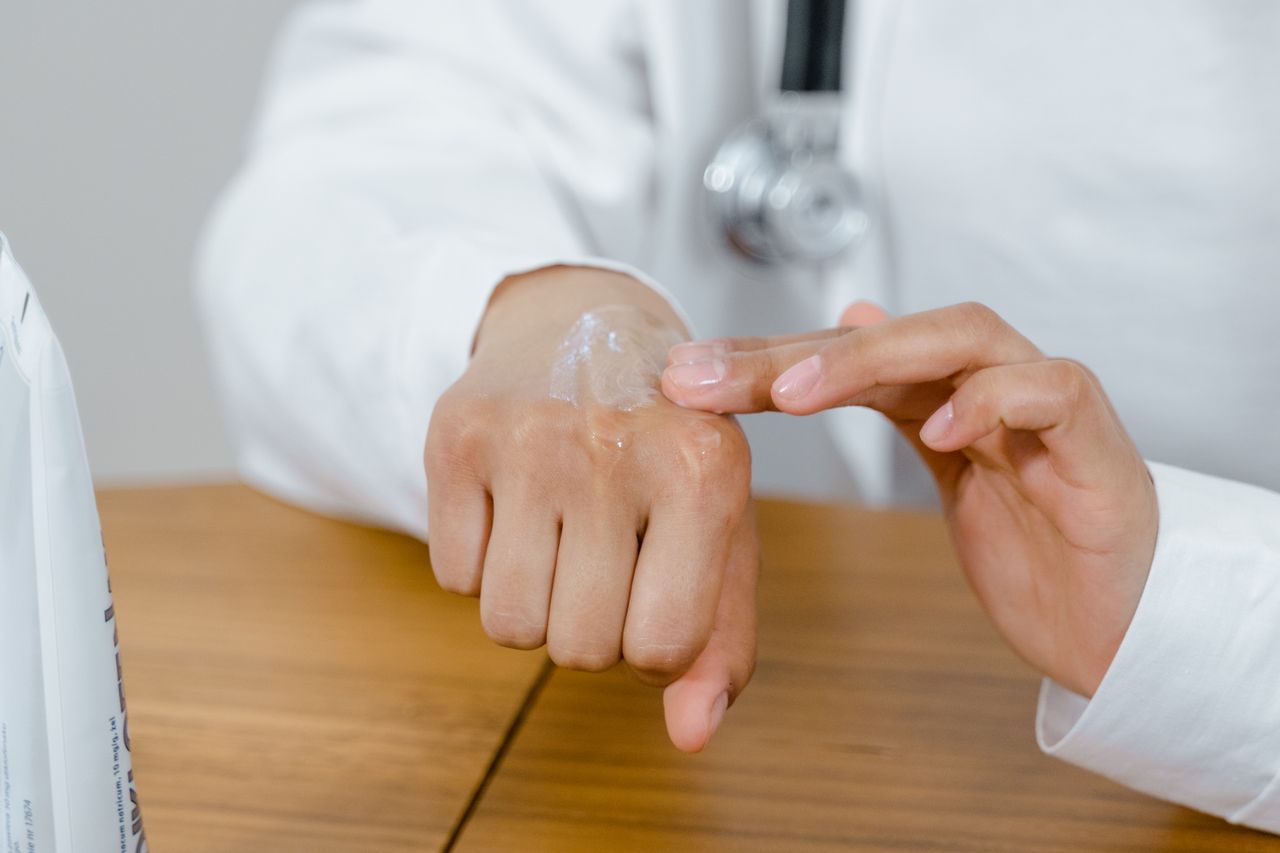
Improving the appearance and comfort of your mark follows a logical progression, starting with simple at-home measures and moving up to professional medical treatments.
Phase 1: At-Home Care and Preparation (Months 0 to 6)
Immediately after your incision closes completely and any staples or stitches are removed, focus shifts to basic wound care and minimizing excess collagen production.
-
Keep it Clean and Dry: Wash gently with mild soap and water. Avoid harsh scrubbing.
-
Apply Silicone Gel or Sheets: Silicone is considered the standard non-surgical intervention. According to clinical guidance from the American Academy of Dermatology, silicone helps hydrate the tissue, flattens raised areas, and reduces redness by regulating collagen production.
-
Perform Gentle Massage: Once approved by your doctor (usually around week 6), gentle mobilization prevents deeper tissues from sticking together.
Phase 2: Non-Invasive Clinical Treatments (Months 6 to 12)
If your mark remains raised, red, or uncomfortable after several months of silicone therapy, non-surgical clinical procedures offer strong results without downtime.
-
Laser Therapy: Vascular lasers target redness by shrinking tiny blood vessels. Fractional lasers make micro-injuries in the mark to break down rigid collagen fibers and encourage fresh, smooth skin growth.
-
Corticosteroid Injections: Doctors inject a small amount of steroid medication directly into hypertrophic or keloid marks. This flattens thick tissue and stops itching quickly.
-
Radiofrequency and Microneedling: Combining fine needles with heat energy penetrates deep layers to break up rigid bands and smooth out uneven surfaces.
Phase 3: Surgical Revision (12+ Months)
For severe keloids, heavy tethering, or a deep overhang that non-invasive options cannot fix, surgical revision offers a permanent solution. The American Society of Plastic Surgeons notes that surgical scar revision can successfully relocate or re-stitch deep tissues to relieve tension and create a smoother surface line.
-
Excision: A plastic surgeon removes the old tissue entirely.
-
Layered Closure: The surgeon carefully re-stitches the deeper muscle fascia, fat layers, and surface skin independently without tension.
-
Post-Surgery Care: Following surgery, silicone sheets and pressure therapy prevent the new line from thickening again.
Real-Life Example: Sarah’s Journey to Healing
To see how this process works in everyday life, consider Sarah, a mother of two.
After her second emergency c section, Sarah noticed her line was becoming dark, raised, and extremely itchy by month 3. By month 8, she noticed a distinct tuck in her lower belly that made wearing jeans painful. She felt self-conscious around her partner and avoided wearing tight clothing.
Sarah decided to take action. She started with a daily routine:
-
Month 8 to 10: She applied silicone sheets every night and performed 5 minutes of scar mobilization massage after taking a warm shower. The itching stopped within 3 weeks, and the line softened slightly.
-
Month 11: She consulted a dermatologist who administered 2 corticosteroid injections spaced 4 weeks apart. This flattened the raised hypertrophic tissue significantly.
-
Month 14: To address the tight underlying tethering, she underwent 3 sessions of fractional laser therapy.
By month 18, Sarah’s mark had turned into a faint, smooth line that sat flat against her stomach. She could wear her regular clothes again without pinching or discomfort.
Common Mistakes to Avoid
Many women accidentally make their marks worse by trying unproven remedies or rushing the healing process. Avoid these common mistakes:
-
Starting Massage Too Early: Massaging an open or freshly closed wound can disrupt delicate healing tissues, leading to infection or wider marks. Always wait until 6 weeks post-surgery and get clear medical approval.
-
Exposing the Area to Sun: Ultraviolet rays darken healing tissue permanently, a process called hyperpigmentation. Keep your lower stomach covered or apply high-SPF sunblock for the first full year.
-
Using Unverified Creams: Expensive herbal remedies often lack scientific support and can irritate sensitive skin. Stick to clinically proven options like pure medical-grade silicone.
-
Wearing Tight, Rubbing Clothing: Persistent friction from tight waistbands causes inflammation, encouraging the body to lay down more thick collagen.
-
Ignoring Signs of Infection: Redness that spreads, warmth, swelling, or foul-smelling drainage requires immediate attention from a medical professional, not home care.
Advanced Strategies for Optimal Results
If you want to maximize your healing, combining targeted lifestyle habits with professional techniques produces the best outcomes.
1. Nutrition for Tissue Repair
Your body needs key building blocks to repair deep tissue structures smoothly:
-
Vitamin C: Essential for proper collagen synthesis.
-
Zinc: Supports cell growth and skin repair.
-
Protein: Provides amino acids needed to rebuild broken muscle and skin layers.
-
Hydration: Drinking enough water keeps skin pliable and aids cell turnover. Understanding your general skin health can also help; for instance, learning how to analyze your complexion and skin texture gives you broader insight into skin repair.
2. Specialized Physical Therapy
Pelvic floor physical therapists specialize in soft tissue release. They use targeted manual therapy to release deep adhesions between your skin, abdominal muscles, and bladder tissue. This improves mobility, reduces lower back stiffness, and flattens deep indentations.
3. Combined Clinical Modalities
Leading dermatologists rarely rely on just one treatment. Combining steroid injections with laser therapy or microneedling during a single clinical plan addresses color, height, and texture all at once.
Understanding Related Core Topics
When exploring c section scar revision, you will encounter several closely related health and recovery topics that impact your overall result.
C-Section Scar Massage Techniques
Learning how to safely manipulate your lower stomach tissue at home breaks down cross-linked collagen fibers. Using small circular motions along the line reduces tightness and improves local blood circulation.
C-Section Shelf Removal Options
A common concern for mothers is the stubborn tissue overhang above their incision line. Understanding the difference between skin tethering and persistent fat accumulation helps you decide whether non-invasive treatments or a mini-tummy tuck is necessary.
Laser Treatment for Surgical Scars
Modern laser devices offer precise skin resurfacing. Learning about vascular lasers for redness versus ablative lasers for texture helps you ask smart questions during your doctor consultation.
Keloid vs Hypertrophic Scar Differences
Distinguishing between these two types of raised tissue determines your treatment plan. Keloids require aggressive management to prevent regrowth, while hypertrophic marks respond quickly to simple non-surgical care.
Silicone Sheets and Gels for Recovery
Silicone remains the most recommended non-prescription option worldwide. Knowing how long to wear sheets daily and how to combine them with gels ensures maximum benefit.
When to Get Expert Help
While gentle home care works well for mild issues, certain situations call for professional evaluation.
Consider visiting a board-certified dermatologist, plastic surgeon, or specialized physical therapist if:
-
Your mark remains severely raised, dark, or hard after 6 months of basic care.
-
You experience sharp pain, burning sensations, or deep aching.
-
The line grows wider over time rather than shrinking.
-
You have a deep overhang that causes persistent skin rashes or infections underneath.
-
The appearance of your lower stomach is causing ongoing emotional distress or impacting your self-image.
Seeking professional guidance ensures you get a safe, effective plan tailored to your specific tissue type.
Future Trends in Scar Care
Medical science continues to make impressive strides in scar minimization and skin regeneration.
-
Topical Gene and Peptide Therapies: Researchers are testing specialized peptide creams that instruct skin cells to heal without forming thick collagen bundles, preventing raised marks before they form.
-
Advanced Stem Cell Applications: Using fat-derived stem cells injected around surgical sites helps regenerate natural, supple skin layers rather than rigid fibrous tissue.
-
AI-Guided Laser Systems: Next-generation clinical lasers use artificial intelligence to scan skin depth and density, delivering precise energy levels tailored to every millimeter of tissue.
Conclusion
Healing from a cesarean delivery takes time, patience, and self-compassion. A c section scar is a mark of strength, but you do not have to live with physical discomfort, tightness, or self-consciousness.
Whether you start with simple silicone sheets and massage at home, or explore laser therapy and surgical options with an expert, clear solutions exist to help you feel comfortable in your body again.
Take the next step today by assessing your mark, starting a consistent care routine, or scheduling a consultation with a qualified healthcare provider.
Frequently Asked Questions
How long after a c section can I start revision treatments?
You can start applying silicone sheets and gels as soon as the incision is fully closed and stitches are removed, usually around 2 to 4 weeks post-birth.
Manual massage should wait until 6 weeks. Advanced laser or surgical treatments are generally performed after 6 to 12 months when the tissue has fully matured.
Does c section scar massage really work?
Yes. Regular scar massage breaks up rigid collagen bonds and prevents deep tissue layers from sticking to abdominal muscles. This reduces tightness, flattens small bumps, and improves flexibility in the lower stomach.
Is c section scar revision painful?
Most non-invasive treatments, such as silicone application or gentle massage, are completely painless. Injections or laser therapy may cause minor stinging or heat, similar to a rubber band snap.
Surgical revisions are performed under local or general anesthesia to ensure you feel no pain during the procedure.
Can a c section shelf be fixed without surgery?
If the shelf is caused solely by tight tissue tethering, massage, physical therapy, and laser treatments can help release the bond and smooth the area.
However, if the overhang is caused by loose, stretched skin or stubborn fat deposits, minor surgical procedures like a mini-tummy tuck may be required for complete removal.
Will insurance cover c section scar revision?
Insurance coverage depends on whether the treatment is deemed medically necessary. If your mark causes functional impairment, chronic pain, or recurrent skin infections, insurance may cover part of the treatment. Purely cosmetic improvements are typically paid out-of-pocket.
Can keloid marks return after surgical revision?
Yes, keloid marks have a chance of returning after being surgically removed. To prevent this, surgeons often combine excision with post-operative steroid injections, silicone pressure therapy, or superficial radiation to keep the tissue smooth as it heals.