
 Harriet Wetton

You run your tongue over your tooth and feel something different. Maybe a smooth patch. Maybe a tiny dark spot in the mirror. Maybe your dentist said “we filled that one years ago” and you honestly can’t remember which tooth it was.
Now you are wondering the same thing many people ask: what does a filling look like?
It is a fair question, and a bit awkward to ask out loud. You might worry that a filling is easy for others to spot.
Or you might be afraid that a dark spot on your tooth is a new cavity, not an old repair. Or you may have just had a filling and want to know if what you see is normal.
Take a breath. You are in the right place.
In this guide, I will walk you through everything in plain words. You will learn what fillings are made of, how each type looks, how to spot a filling on your own teeth, and what a healthy one should look like. We will also cover what to do if something looks wrong. By the end, you will feel calm and clear about it.
What Is a Dental Filling?
A dental filling is a material that a dentist puts into a tooth to repair damage. Most often, that damage is a cavity. A cavity is a small hole that forms when bacteria and sugar slowly eat away at the tooth.
Think of it like fixing a pothole in a road. The dentist cleans out the damaged part. Then they fill the space with a strong material. The tooth is sealed again, and it can do its job.
Fillings are also used for teeth that are cracked, chipped, or worn down. So even if you never had a cavity, you could still have one.
Why Does It Matter to Know What a Filling Looks Like?
You might think this is just curiosity. But there are real reasons to know.
- You can find old repairs. Many adults have fillings from childhood and forget about them.
- You can notice problems early. A filling that looks cracked, dark around the edge, or uneven may need a dentist.
- You can ease your worry. Many people panic over a spot that turns out to be normal.
- You can talk to your dentist with confidence. Knowing the basics helps you ask better questions.
Catching a small problem early is almost always cheaper, faster, and less painful than waiting.
What Does a Filling Look Like?
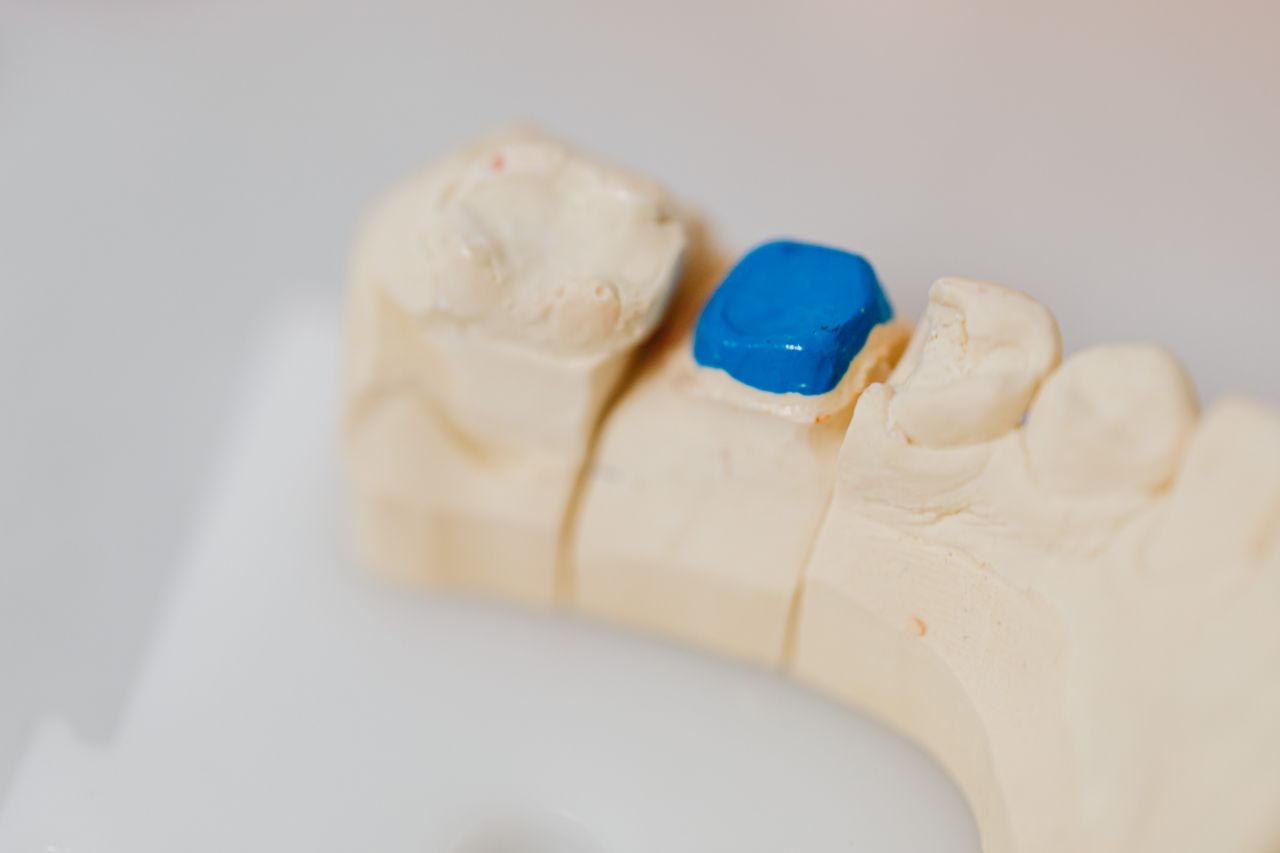
A filling looks like a small patch on the surface of your tooth. It can be silver gray, white like your tooth, or gold, depending on the material. Some fillings blend in so well that they are very hard to see.
That is the short version. The truth is that fillings come in several types, and each one looks different. Let’s look at them one by one.
What Does Each Type of Filling Look Like?
According to the MouthHealthy guide , fillings can be used on both front and back teeth, and there are several materials to choose from. Here is how each one usually appears in your mouth.
1. Amalgam Fillings (Silver Fillings)
This is the type most people picture. Amalgam fillings are made from a mix of metals, including silver, tin, copper, and mercury. Dentists have used them for generations.
How they look: Silver or gray, and shiny when new. Over time, they often become darker. Some turn a dull gray or even look almost black. They sit on the chewing surface of back teeth, so you may only see them when you open wide or smile big.
Good to know: They are very strong and usually cost less than other types. The main downside is the color. They do not match your tooth.
2. Composite Fillings (Tooth Colored Fillings)
Composite fillings are made from a mix of plastic and fine glass particles. The dentist picks a shade that matches your natural tooth.
How they look: Just like your tooth. A good composite filling is very hard to notice. If you look closely, you may see a faint line around the edge or a slight difference in shine.
Good to know: These are popular for front teeth because they look natural. Over the years, they can pick up stains from coffee, tea, or red wine. A composite filling may also stain at the edges, which can make the line around it look darker.
3. Gold Fillings
Gold fillings are less common today, but many people still have them.
How they look: A warm yellow gold color. They are made in a lab and then fixed into the tooth, so they usually have a very smooth, neat shape.
Good to know: They are very long lasting. They also cost more, which is why fewer people choose them now.
4. Porcelain or Ceramic Fillings
These are often called inlays or onlays. They are made in a dental lab and cemented into place.
How they look: White and glossy, close to the color of natural enamel. Porcelain resists stains well, so it often keeps its look for a long time.
Good to know: They usually take 2 visits because the piece has to be made in a lab.
5. Glass Ionomer Fillings
These are made from a mix of acrylic and a type of glass. They release a small amount of fluoride, which can help protect the tooth.
How they look: Tooth colored, but often a bit more cloudy or dull than composite. They do not shine as much.
Good to know: They are often used for baby teeth and for cavities near the gum line. They are not as strong as composite for heavy chewing.
6. Temporary Fillings
Sometimes a dentist places a temporary filling while you wait for a crown, a root canal, or a final repair.
How they look: Often white, pink, or light blue. They look soft and a little rough, and they are not as shiny.
Good to know: They are not meant to last. If you have one, book your follow up visit on time.
How Long Does a Filling Last?
No filling lasts forever. That is something even the ADA says plainly.
Here is a general idea:
- Amalgam: Often 10 to 15 years or more.
- Composite: Often 5 to 10 years, sometimes longer with good care.
- Gold and porcelain: Often 15 years or more.
These numbers are only a rough guide. Your habits matter a lot. If you grind your teeth, chew ice, or skip brushing, a filling will wear out faster. If you brush with fluoride toothpaste, floss daily, and visit your dentist, it can last much longer.
How Can You Tell If You Have a Filling? A Step by Step Check
You can do a gentle check at home. You do not need special tools. Just good light and a few quiet minutes.
Step 1: Find good light. Stand near a bright window or use your phone flashlight.
Step 2: Open wide and look at your back teeth first. Silver patches on the chewing surface are often amalgam fillings.
Step 3: Check your front teeth. Look for a tiny patch that is a slightly different shade or has a faint outline.
Step 4: Use your tongue. A filling often feels smoother or slightly different from the tooth around it. Some people notice a tiny edge.
Step 5: Look at the sides of your teeth. Fillings can also sit between teeth. A small mirror helps here.
Step 6: Check your old records. If you are unsure, your dentist can tell you for sure. They have your dental chart and X rays.
A quick note. A white spot or dark spot does not always mean a filling. It could be a stain, a natural groove, or early decay. If you are not sure, it is always safest to ask a dentist.
How Is a Filling Placed? What Happens Step by Step
Many people feel nervous because they do not know what will happen. Knowing the steps can take away a lot of that fear.
Step 1: Numbing. The dentist numbs the area so you do not feel pain. You may feel a small pinch first.
Step 2: Removing the damage. The dentist cleans out the decayed part of the tooth. You may hear a buzzing sound and feel pressure, but it should not hurt.
Step 3: Cleaning the space. The tooth is cleaned so the filling can stick well.
Step 4: Placing the material. For composite, the dentist adds the material in thin layers. A bright blue light hardens each layer. For amalgam, the material is packed into the space and shaped.
Step 5: Shaping and polishing. The dentist checks your bite. They trim and smooth the filling so it feels natural when you chew.
The whole thing often takes 30 to 60 minutes for a simple filling.
What Does a Fresh Filling Look and Feel Like?
A new filling can look a little different from an old one. Here is what is normal.
- Slightly shinier or lighter than the tooth around it, especially in the first days.
- Your tooth may feel taller or bumpy. This is common while the numbness wears off. If your bite still feels high after a few days, tell your dentist.
- Mild sensitivity to hot, cold, or sweet foods for a short time.
- A numb lip, cheek, or tongue for a few hours.
Many people want to eat right away, but it is wise to wait until the numbness fades so you do not bite your cheek or tongue. If you want a clear guide on this, read our article on whether you can eat after a filling. It explains what to eat, what to avoid, and how long to wait.
Real Life Examples
Let me share a few simple stories that show how this works in real life. These are common situations that dentists see all the time.
Example 1: The mystery silver spot. Cora is 34. She notices a gray spot on her back tooth and panics. She thinks it is decay. Her dentist looks at her chart and tells her it is a silver filling she got at age 12. She had completely forgotten. Her worry was for nothing.
Example 2: The dark line. Ahmed has a white filling on a front tooth. A few years later, he sees a dark line around the edge. He ignores it for months. At his checkup, the dentist finds a small cavity forming under the edge. Because it was caught early, the fix was simple. Had he waited longer, the tooth could have needed a bigger repair.
Example 3: The filling that vanished. Maria bites into a hard candy and feels a gap. The filling has fallen out. She is scared and unsure what to do. She calls her dentist the same day and gets a quick appointment. A fast response protected the tooth.
None of these people did anything wrong. They just did not know what to look for. Now you do.
Common Mistakes People Make With Fillings
Here are the mistakes I see most often. Avoiding them can save you pain and money.
- Ignoring a dark line. A dark edge may be a stain, but it can also mean decay under the filling. Do not guess. Have it checked.
- Skipping checkups. Many filling problems cause no pain at first. Only a dentist can see what is hidden.
- Chewing hard things. Ice, hard candy, and pen caps can crack a filling or the tooth.
- Whitening too soon and expecting fillings to change. Whitening products do not change the color of fillings. Your teeth may become lighter while the filling stays the same, which can make it stand out.
- Brushing too hard. Hard brushing can wear the edges of a filling and your gums.
- Trying a home fix. Putting glue or random products on a damaged filling can hurt your tooth. Never do this.
- Waiting when a filling feels loose. A loose filling lets bacteria slip underneath. Act early. Our guide on how to fix a loose dental filling explains safe steps to take until you can see your dentist.
Expert Tips to Keep Your Fillings Healthy
These simple habits make a big difference.
- Brush 2 times a day with fluoride toothpaste. Use a soft brush.
- Floss every day. Many cavities form between teeth and around fillings.
- Limit sugary and sticky snacks. They feed the bacteria that cause decay.
- Wear a night guard if you grind your teeth. Ask your dentist if you need one.
- Visit your dentist every 6 months, or as often as they suggest.
- Ask for X rays when needed. They can show decay under a filling that you cannot see.
- Drink water after coffee, tea, or soda. This helps limit stains on tooth colored fillings.
Advanced Strategies: Going Beyond the Basics
If you want to take care of your fillings at a higher level, here are some deeper ideas.
Know your materials. Keep a simple note of which teeth have fillings and which type they are. This helps when you switch dentists, and it helps you notice changes.
Take photos over time. Every year or 2, take a clear photo of your teeth in good light. If you ever see a change, you can compare. This is not a replacement for a dentist, but it helps you spot differences.
Understand the trade offs. Amalgam is strong and affordable but shows as silver. Composite looks natural but can cost more and may need to be replaced sooner. The right choice depends on the tooth, the size of the cavity, and your budget. Ask your dentist what they recommend for your case and why.
Consider an inlay, onlay, or crown for big damage. When a cavity is large, a normal filling may not be enough. An inlay or onlay covers more of the tooth. A crown covers all of it. Choosing the stronger repair early can protect the tooth for longer.
Check your insurance. Some plans cover amalgam fully but pay only part of the cost of composite. Knowing this ahead of time avoids surprises.
Watch your bite. If you grind or clench, tell your dentist. They can check your fillings for wear and cracks more closely.
Related Topics You May Be Wondering About
Fillings connect to many other dental questions. Here are a few that often come up.
Loose or wobbly teeth. Sometimes people think a filling is loose when the whole tooth is actually moving. These are very different problems. If your tooth itself feels shaky, read about how to fix a loose tooth to understand the possible causes and what to do next.
Tooth pain that seems to come from nowhere. Pain near the back of your mouth can spread to your jaw and ear. Many readers are surprised to learn that a wisdom tooth can cause earache. So if you have ear pain and a tooth that bothers you, the two may be linked.
When a filling is not enough. If a tooth is too damaged, a dentist may suggest taking it out. Healing after that needs care. If you ever face this, you may wonder when you can sleep on your side after tooth extraction. Sleeping position can affect healing, so it is a smart thing to learn in advance.
What a cavity looks like. Many people want to know how to tell a cavity from a stain. We will cover how to spot early decay in a separate guide.
How long numbness lasts. Your lip and cheek can feel strange for hours after a filling. A separate article will explain what is normal and when to call your dentist.
Filling costs and insurance. Prices change by region, material, and dentist. This is another topic we will go deeper on.
Crowns, root canals, and other repairs. When a filling is not enough, these treatments step in. Knowing the options helps you feel less afraid.
Signs Your Filling May Need Attention
Look out for these warning signs. If you notice any of them, make an appointment.
- Pain when you bite down
- Sharp pain with hot, cold, or sweet foods that does not fade
- A crack or chip in the filling
- A rough or sharp edge that cuts your tongue
- Food that keeps getting stuck in the same spot
- A dark line or dark shadow around the filling
- A bad taste or a bad smell near the tooth
- A swollen gum near the filled tooth
- The filling feels loose or has fallen out
Do not wait for severe pain. Many problems are easier to fix when they are small.
When Should You Get Expert Help?
It is normal to feel unsure. Most of us are not trained to read our own teeth, and that is okay.
Please see a dentist if you notice any of the signs above. Also see one if you have a spot you cannot explain, or if a filling is more than 10 years old and you have never had it checked.
A dentist can look at the filling in person and take X rays to see what is under it. That is something no home check can do.
If you ever have swelling in your face, a fever, or strong pain that does not go away, do not wait for a regular visit. Contact a dentist or urgent care right away. These can be signs of infection.
Remember, this article is for learning. It does not replace a visit to a licensed dentist who can examine you.
Future Trends: Where Fillings Are Heading
Dentistry keeps improving. Here is what is changing, in simple terms.
- Better tooth colored materials. Newer composites are stronger and wear better than older ones.
- More focus on saving the tooth. Dentists try to remove as little healthy tooth as possible.
- Early decay care. Some very early cavities can be slowed or reversed with fluoride and good habits, so a drill is not always needed.
- Digital tools. Scans and computer designed restorations are becoming common. This can mean a better fit in less time.
- Fewer silver fillings. Many people now choose tooth colored options, mostly for looks.
The big message is that care is getting gentler and more precise.
Conclusion: You Are Not Alone, and You Can Do This
If you were worried about a spot on your tooth, I hope this guide helped you feel calmer. Now you know that a filling can look silver, white, gold, or even nearly invisible. You know how to check your teeth at home. You know what a healthy filling should look like and which signs mean you should call a dentist.
Most of all, remember this. Having fillings is very common. It does not mean you failed at taking care of your teeth. It means you took action to protect them.
Your next step is simple. Take 2 minutes tonight, stand in good light, and look at your teeth. If anything looks different or feels off, book a visit with your dentist. A small check today can save you a lot of trouble later.
Frequently Asked Questions
What does a filling look like on a tooth?
A filling looks like a small patch on the tooth. It can be silver gray, white like the tooth, or gold. Tooth colored fillings are hard to see, while silver ones are easy to notice on back teeth.
Can you see a filling from the outside?
Sometimes. Silver fillings on back teeth may show when you smile wide. Tooth colored fillings on front teeth usually blend in, though a faint line may be visible up close.
What does a cavity filling look like after a few years?
Silver fillings often turn darker over time. White fillings can pick up stains, especially at the edges. Some change in color is normal, but cracks or dark shadows should be checked.
Is a dark spot around my filling a cavity?
It might be a stain, but it could also be decay under the filling. You cannot tell by looking alone. Your dentist can check with an exam and X rays.
What does a temporary filling look like?
A temporary filling is often white, pink, or light blue. It looks softer and rougher than a permanent one. It is only meant to protect the tooth for a short time.
How do I know if my filling fell out?
You may feel a hole or a rough spot with your tongue. You might see a gap in the tooth or notice sudden sensitivity. Call your dentist as soon as you can.
Do fillings look different from natural teeth?
Yes, but only a little with modern materials. Tooth colored fillings are matched to your shade. Silver and gold fillings are clearly different in color.