
 Harriet Wetton
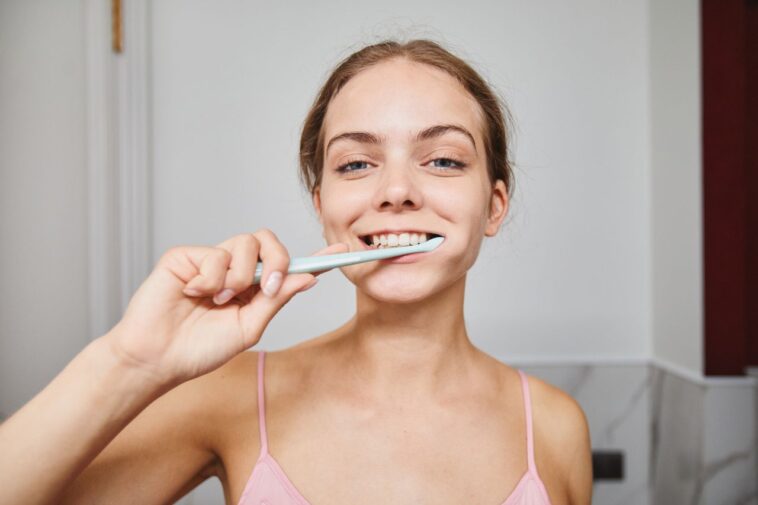
You stand in front of your bathroom mirror at night, holding a pack of teeth whitening strips in one hand and your toothbrush in the other. You want a bright, shining smile for an upcoming event, but a simple question stops you in your tracks: should I brush my teeth before using whitening strips?
It seems like an easy choice, but doing things in the wrong order can cause real trouble. Brushing at the wrong time can lead to sharp, stinging pain from severe tooth sensitivity. It can also cause inflamed gums or patchy, uneven whitening results.
In this complete guide, you will learn the exact step-by-step routine to whiten your teeth safely at home. We will cover the science behind how whitening strips work, common mistakes to avoid, and how to get professional-level results without hurting your smile.
The Direct Answer: Should You Brush First?
The short answer is yes, you should clean your teeth before applying whitening strips, but you must wait at least 30 minutes after brushing before putting the strips on your teeth.
Applying whitening strips directly after brushing is a common reason people experience severe discomfort. Brushing removes plaque, but it also strips away a thin protective film on your enamel known as the acquired pellicle.
Furthermore, toothbrush bristles create tiny microscopic scratches on your gum tissue. If whitening gel touches these freshly exposed areas, the active ingredients enter your tooth pores and gums too quickly, causing intense burning and pain.
Giving your mouth a 30-minute break allows your saliva to coat your teeth with protective minerals again. This small delay keeps your teeth safe while still giving you a bright, even smile.
Why Timing Matters: How Whitening Strips Interact with Teeth
To understand why timing is so important, it helps to look at how teeth whitening works inside your mouth. Your teeth look solid, but enamel is full of tiny microscopic pores. Over time, dark molecules from coffee, tea, berries, and sauce settle deep inside these pores.
Whitening strips use active ingredients like hydrogen peroxide or carbamide peroxide. When these chemicals sit against your enamel, they break down into oxygen molecules. These oxygen molecules travel through the pores, breaking the chemical bonds of the deep stains.
Here is what happens inside your mouth during the whitening process:
-
Plaque acts as a barrier: If you do not clean your teeth, a sticky layer of food particles and bacteria blocks the whitening gel. The gel cannot reach the enamel, leading to spotty, uneven whitening.
-
Saliva offers natural protection: Your saliva contains calcium, phosphate, and proteins that build a thin shield over your teeth. This shield reduces initial tooth sensitivity without stopping the oxygen molecules from cleaning out stains.
-
Freshly brushed enamel is exposed: Brushing opens up tiny pathways in your teeth called dentinal tubules. These tubules lead straight to the nerve center of your tooth. Putting peroxide over exposed tubules sends shockwaves of cold sensitivity to the nerve.
Taking care of your enamel is vital for a healthy smile. If you suffer from long-term oral pain or deep decay, whitening products will not fix the underlying issue. In those situations, you may need to know how long can a dead tooth stay in your mouth before seeking professional care.
Step-by-Step Guide: The Perfect Whitening Routine
Following a proper routine ensures that you get maximum stain removal without damaging your gums or causing sensitivity. Here is the ideal step-by-step process to follow every time you use whitening strips.
| Step | Action | Description |
| Step 1 | Gentle Brushing | Brush gently using a soft-bristled toothbrush and water only (no toothpaste). |
| Step 2 | Wait 30 Minutes | Allow natural saliva to restore protective minerals over your enamel. |
| Step 3 | Dry Your Teeth | Wipe front teeth with a clean tissue so strips adhere properly. |
| Step 4 | Apply Strips | Place gel side along tooth line, avoiding contact with gum tissue. |
| Step 5 | Remove & Rinse | Take off strips after the designated time and rinse away leftover gel. |
| Step 6 | Post-Treatment Pause | Avoid eating or drinking dark liquids for at least 30–60 minutes. |
Step 1: Gentle Brushing
Brush your teeth gently using a soft-bristled toothbrush. Use plain water instead of toothpaste. Toothpaste often contains fluoride, which can coat the teeth and block the whitening gel from penetrating properly.
It can also contain abrasive materials or sodium lauryl sulfate, which irritates gums when combined with whitening gel.
Step 2: The 30-Minute Pause
Set a timer for 30 minutes. Use this time to read, finish your evening routine, or relax. This window allows your gums to recover from the physical action of brushing and lets your saliva restore a safe protective coating over your enamel.
Step 3: Dry Your Teeth
Before opening your strip packet, dry the surface of your teeth. Use a clean tissue or cotton swab to wipe away excess saliva from your top and bottom teeth.
Whitening strips stick much better to dry teeth, preventing them from slipping around or sliding off during treatment.
Step 4: Apply the Strips Correctly
Peel the strips from their plastic backing. Align the gel side with your gumline, but do not press the strip directly onto your gums. Fold the remaining length of the strip behind your teeth to lock it into place. Press gently along the front surfaces to flatten out any air bubbles.
Step 5: Follow the Package Timer
Leave the strips on for the exact amount of time recommended by the manufacturer, which is usually 30 minutes. Do not leave them on longer, as longer exposure does not yield brighter teeth; it only increases pain and enamel irritation.
Step 6: Remove and Clean Residue
Peel the strips off and throw them in the trash. You will notice a thick, sticky gel left on your teeth. Rinse your mouth thoroughly with lukewarm water, or wipe the gel away gently with a wet cloth.
Real-Life Example: Sarah’s Whitening Journey
To see how much proper timing matters, consider Sarah’s experience. Sarah was preparing for a job interview and wanted her smile to look clean and bright.
On her first night using a box of store-bought whitening strips, she scrubbed her teeth vigorously with a firm toothbrush and whitening toothpaste. She rinsed her mouth and immediately stuck the whitening strips firmly across her teeth and gums.
Within 5 minutes, Sarah felt a sharp, shooting pain in her front teeth, along with a burning sensation on her upper gums. She pulled the strips off early, but her gums looked white and irritated, and her teeth throbbed for hours. Frustrated, she almost threw the product away.
After learning about the 30-minute rule, Sarah tried a different approach 3 days later:
-
She brushed her teeth softly with water early in the evening.
-
She waited 30 minutes while watching television.
-
She wiped her teeth dry with a tissue and carefully placed the strips, keeping them off her gums.
-
She wore them for the recommended 30 minutes without any pain.
By changing her timing, Sarah completed her full 2-week treatment without sensitivity, achieving a visibly whiter smile for her interview.
Common Mistakes to Avoid
Many people accidentally ruin their whitening results or hurt their teeth by making small mistakes. Avoiding these common habits will protect your enamel and yield a brighter smile.
| Mistake | Proper Action |
| Brushing hard right before strips | Brush gently with water only and wait 30 minutes. |
| Leaving strips on overnight | Stick strictly to the manufacturer’s recommended time. |
| Covering gum tissue with gel | Align the strip slightly below the gumline. |
| Eating dark foods right after | Stick to pale, light-colored foods for up to 48 hours. |
1. Brushing Toothpaste Right Before Application
Using toothpaste immediately before applying strips fills tooth pores with fluoride and ingredients that block the whitening process. Always brush with plain water if you are whitening within the hour.
2. Leaving Strips On Overnight
Some people assume that keeping strips on while sleeping will double their results. This is dangerous. Leaving peroxide on your teeth for hours can strip minerals from your enamel and burn your mouth’s delicate soft tissues.
3. Covering Your Gums
Whitening strips are designed for hard enamel, not soft gum tissue. Placing strips over your gums turns the tissue white and causes painful sores. Always place the top edge of the strip slightly below the gumline.
4. Eating Dark Foods Immediately After
After you remove whitening strips, the pores in your enamel remain open and vulnerable for up to 48 hours. Drinking coffee, red wine, or dark sodas right after whitening will pull dark pigments straight into your teeth, reversing your progress.
If you have existing dental restorations like fillings or crowns, keep in mind that whitening gels only change the color of natural teeth.
If you are planning other dental work alongside whitening, you might wonder can you eat after a filling or how long treatment takes. Similarly, knowing how long does a crown take can help you coordinate your cosmetic care properly.
Advanced Strategies for Sensitive Teeth
If you naturally have sensitive teeth, you can still achieve a bright smile without pain. Incorporating a few simple adjustments into your routine can make a noticeable difference.
-
Use a Desensitizing Toothpaste Weeks Before: Switch to a toothpaste containing potassium nitrate or stannous fluoride 2 weeks before you start whitening. These ingredients block nerve signals, preventing sharp pains.
-
Alternate Days: You do not have to use whitening strips every single day. Using them every other day gives your enamel time to remineralize while still gradually lightening your smile.
-
Shorten the Duration: If the instructions say to leave strips on for 30 minutes, start with 15 minutes for the first few sessions. Slowly increase the time as your teeth adjust.
-
Apply a Fluoride Gel Afterward: Applying a neutral fluoride gel or remineralizing paste after removing your strips helps close enamel pores quickly, sealing in protection.
Maintaining Healthy Gums and Teeth
Brighter teeth look best when supported by healthy pink gums. Strong oral health provides a solid foundation for any whitening treatment.
If you notice bleeding, redness, or receding gums while using whitening products, stop treatment immediately. Whitening gel can leak into open gum pockets and cause severe inflammation.
If you suffer from ongoing gum swelling, sensitive roots, or loose teeth, a general dentist may refer you to a specialist. Learning what is a periodontist can help you understand how these specialists treat gum disease and protect the tissue surrounding your teeth.
You can learn more about general oral health standards directly from the American Dental Association, which offers evidence-based guidance on safe home care.
When to Seek Professional Advice
While home whitening strips are safe for most people, they are not suitable for every situation. You should pause home treatments and talk to a dental professional if you experience any of the following:
-
Persistent Pain: Sharp pain that lasts for days after stopping treatment indicates exposed root surfaces or deep cavities.
-
Uneven Colors Due to Dental Work: Veneers, caps, crowns, and composite fillings do not respond to hydrogen peroxide. A dentist can help match your natural teeth to your dental work.
-
Severe White Spots: If you see chalky white spots on your teeth after whitening, your enamel may be lacking key minerals. A dentist can apply specialized treatments to balance your enamel.
Future Trends in Home Whitening
Teeth whitening technology continues to improve, making treatments safer and more comfortable.
-
LED Light Acceleration: Modern home kits now use handheld LED lights to activate peroxide gels faster, reducing the total time strips need to sit on your teeth.
-
PAP Whitening Formulas: Phthalimidoperoxycaproic acid (PAP) is growing in popularity as a peroxide alternative. It breaks down stains without producing free radicals, meaning zero nerve irritation or sensitivity.
-
Micro-Hydroxypatite Treatments: New post-whitening treatments use nano-hydroxyapatite to fill in enamel pores instantly, strengthening teeth while keeping them bright.
Conclusion
Deciding when to brush your teeth around your whitening routine does not have to be confusing. Remember to brush gently with water beforehand, wait 30 minutes to let your natural saliva protect your mouth, dry your teeth, and follow the product instructions carefully.
By treating your enamel with care, you can prevent sharp sensitivity and achieve a healthy, confident smile. Take your time, pay attention to how your mouth feels, and adjust your routine as needed for a painless whitening experience.
Frequently Asked Questions
1. Should I brush my teeth after removing whitening strips?
It is best not to brush immediately after taking off whitening strips. Your enamel pores are open and temporarily softened by the gel. Brushing right away can cause enamel wear. Instead, rinse your mouth with plain water or wipe the gel away with a damp cloth. Wait at least 30 minutes before brushing with a soft brush.
2. Can I use whitening strips every day?
Most home whitening strips are designed for daily use over 10 to 14 days. However, if you experience tooth sensitivity or gum irritation, take a break and use them every other day instead.
3. What happens if whitening strips touch my gums?
If whitening gel sits on your gums, it can cause chemical burns, resulting in temporary white spots, soreness, or inflammation. If gel touches your gums, wipe it off immediately with a tissue or cotton swab.
4. Can I drink water while wearing whitening strips?
It is best to avoid drinking water while wearing strips. Water can loosen the adhesive, causing the strips to slide off your teeth and diluting the active whitening gel.
5. Why do my teeth have white spots right after whitening?
Temporary white spots are caused by slight dehydration of the enamel during treatment. These spots are harmless and usually disappear within a few hours as your teeth absorb moisture from your saliva.
6. Do whitening strips work on yellow teeth?
Yes, whitening strips are effective at removing yellowish stains caused by aging, coffee, tea, and food pigments. However, grayish stains or internal tooth discoloration may require professional dental treatments.
7. How long do results from whitening strips last?
Results typically last between 3 to 6 months, depending on your lifestyle habits. Minimizing dark drinks like coffee and tea, avoiding tobacco, and maintaining good oral hygiene will extend your bright smile.