
 Harriet Wetton

You look in the mirror, spit after brushing, and see pink in the sink. Again.
Maybe it has been going on for weeks. Maybe your gums feel sore, or puffy, or your breath just will not get better no matter what mint you chew. And now you are asking the question that brought you here: can I fix this on my own, without sitting in a dental chair?
If money is tight, if your dentist is far away, or if you are simply scared of the drill, that question makes complete sense. You are not being lazy. You are being careful with your time, your wallet, and your nerves.
Here is the honest answer, and I promise it is more hopeful than you think. Early gum disease can often be reversed at home. Advanced gum disease cannot. The trick is knowing which stage you are in, what truly works, and when a home plan stops being enough.
By the end of this guide, you will know exactly how gum disease works, which home steps have real value, which popular tricks waste your time, and the clear warning signs that mean it is time to see a professional. No scare tactics. No magic cures. Just plain, useful help.
Let’s start at the beginning.
What Is Gum Disease?
Gum disease is an infection of the tissue that holds your teeth in place. It starts with plaque. Plaque is a soft, sticky film made of bacteria that builds up on your teeth every single day. You can feel it with your tongue when you wake up. That fuzzy feeling is plaque.
If plaque stays on your teeth, it irritates your gums. Your gums react the way any skin reacts to irritation. They turn red, swell, and bleed easily. This first stage has a name, gingivitis.
If the plaque is left alone for a long time, it hardens into a rough, yellow crust called tartar. You cannot brush tartar away. Tartar sits along the gum line and lets more bacteria move in.
Over time, the infection moves deeper. The gums pull away from the teeth and form small pockets. Bone around the tooth can start to break down. This later stage is called periodontitis.
Think of it like a garden fence. Gingivitis is when the fence gets a little muddy and the ground around it gets soft. Periodontitis is when the soil under the fence washes away and the posts start to lean.
The 2 Main Stages in Simple Words
Gingivitis is mild. Your gums are red, puffy, and may bleed when you brush or floss. The bone is still strong. This stage is reversible.
Periodontitis is serious. The gums have pulled back, pockets have formed, and bone has been lost. This damage can be slowed and managed, but lost bone does not grow back by itself.
That difference is the heart of this whole article. Keep it in mind as we go.
Why Does Gum Disease Matter So Much?
Many people think gum disease is only about bad breath or a little bleeding. It is bigger than that.
Gum disease is one of the top reasons adults lose teeth. Teeth do not usually fall out because of cavities alone. They fall out because the gums and bone that hold them have given up.
Researchers have also found links between gum disease and other health problems, such as diabetes and heart disease. Scientists are still studying exactly how these things connect, so no one can promise that treating your gums will fix other conditions. But the link is strong enough that your mouth deserves attention.
There is also the human side. Sore gums make eating less fun. Bad breath makes people hold back when they talk. Many readers tell us they stop smiling in photos. That is a real cost, and it is okay to want it fixed.
The good news is that you caught it. Most people ignore the first signs for years.
Can You Really Cure Gum Disease Without a Dentist?
Short answer: You can often reverse gingivitis at home. You cannot cure periodontitis without professional care.
Let me explain why, because this matters.
At home, you can remove soft plaque. You can calm swollen gums. You can change the habits that caused the problem. For gingivitis, that is often all it takes. Many people see real improvement in 1 to 2 weeks of steady care.
But tartar is different. Once plaque hardens, no toothbrush, mouthwash, or kitchen remedy can remove it. Only special dental tools can. And deep pockets under the gum line cannot be cleaned at home because you simply cannot reach them.
So if someone online tells you that a spoonful of coconut oil will cure advanced gum disease, please be kind to yourself and walk away from that advice. It sounds lovely. It is not true.
What I can promise is this. If you are in the early stage, a smart home routine gives you a real chance to turn things around. And if you are further along, home care still helps while you arrange professional treatment.
How Do You Know If You Have Gum Disease?
You do not need a medical degree to spot the early signs. Look for these:
- Gums that bleed when you brush or floss
- Red, shiny, or puffy gums
- Gums that feel tender or sore
- Bad breath that does not go away
- A bad taste in your mouth
- Gums that look like they are pulling back from your teeth
These are common with gingivitis. Home care is a sensible first step here.
Now look at this second list. These signs point to something more serious:
- Teeth that feel loose or have started to shift
- Pus around the gum line
- Gums that have pulled far back, making teeth look longer
- Pain when chewing
- A change in how your teeth fit together when you bite
- Swelling in your face, or a fever along with sore gums
If you notice anything from the second list, home remedies are not the right tool. You can read more about this problem in our guide on how to fix a loose tooth, which explains why a wobbly tooth should never be ignored.
A quick note. You cannot diagnose yourself with 100% certainty. Gums can bleed for other reasons too, such as a new toothbrush that is too hard, certain medicines, pregnancy, or vitamin shortages. Treat this guide as a map, not a final verdict.
How to Reverse Early Gum Disease at Home: Step by Step
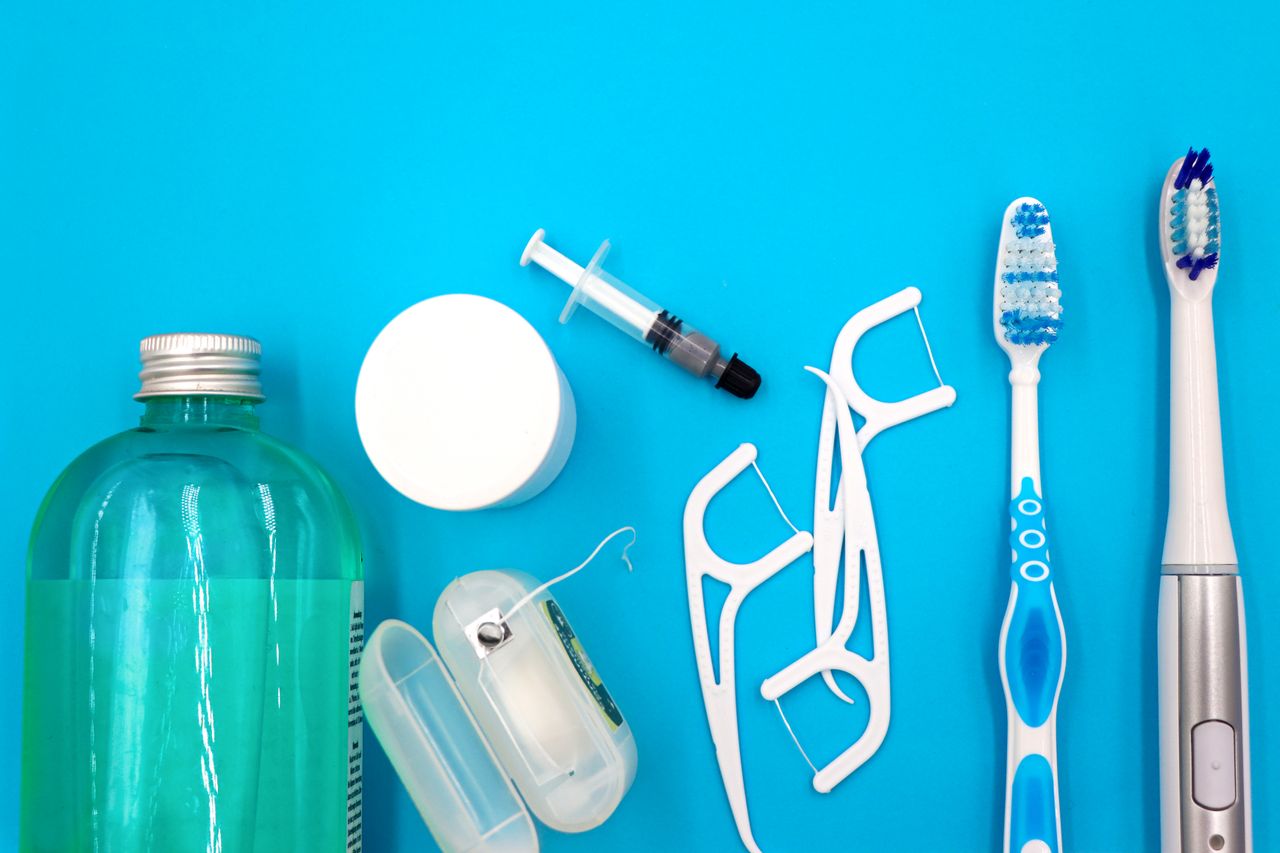
Here is the plan I would follow if my own gums were bleeding. It is simple. It is not exciting. But it works, because it attacks the real cause, which is plaque.
Step 1: Brush the Right Way for 2 Minutes, Twice a Day
Most people brush fast and hard. That is the wrong way around. Gums need a gentle touch.
Use a soft toothbrush. Hold it at a 45 degree angle toward the gum line. Make small, soft circles. Do not scrub side to side like you are cleaning a pot.
Brush for a full 2 minutes. Use a timer if you need to. Most of us stop at 30 seconds without noticing.
Use a toothpaste with fluoride. Some toothpastes are made for sensitive or inflamed gums, and those can feel nicer if your gums are sore.
Here is something that surprises people. When your gums are bleeding, your first instinct is to stop brushing that area. Please do the opposite. Bleeding gums are a sign that plaque is sitting there. Keep cleaning gently, and the bleeding usually fades within days.
Step 2: Clean Between Your Teeth Every Day
A toothbrush cleans about 60% of your tooth surfaces at best. The spaces between your teeth stay dirty. That is where gum disease often begins.
You have 3 easy options:
- Floss. Wrap it in a C shape around each tooth and slide it up and down gently under the gum edge.
- Interdental brushes. These tiny brushes are great if you have wider gaps.
- Water flosser. A good choice if regular floss is hard for you to use.
Do this once a day. Night time is best, because your mouth stays still while you sleep and bacteria multiply.
Your gums may bleed for the first few days. That is normal. If you keep going gently, the bleeding should reduce within 1 to 2 weeks. If it does not, that is a clue worth paying attention to.
Step 3: Use a Warm Saltwater Rinse
This is an old trick that still has value. Salt water can help calm sore, swollen gums and may help reduce bacteria in your mouth for a short time.
Mix half a teaspoon of salt in 1 cup of warm water. Swish it around your mouth for 30 seconds. Spit it out. Do not swallow it.
You can do this 2 times a day. Do not make it stronger than this, and do not keep it up for months. Too much salt can irritate your mouth.
Think of salt water as a comfort tool and a helper. It is not a cure on its own.
Step 4: Choose a Gentle Antibacterial Mouthwash
A good mouthwash can reach places your brush misses. Look for an alcohol free option if your mouth feels dry or burns easily. Products with ingredients like cetylpyridinium chloride or essential oils have been studied for helping reduce plaque and gum redness.
Use it after brushing, not instead of brushing. Mouthwash is the finishing touch. It cannot replace the real cleaning.
Some stronger rinses need a prescription, and they are not meant for long term use. If you are unsure, ask a pharmacist. They are easy to reach and happy to help.
Step 5: Feed Your Gums Well
Your gums are living tissue. They heal better when they get good food.
Vitamin C helps your gums stay firm and heal. You can find it in oranges, guavas, strawberries, bell peppers, and tomatoes. Eating fruits and vegetables also gives your mouth a natural scrub.
Cut back on sticky sweets and sugary drinks. Sugar feeds the bacteria that make plaque. If you do have something sweet, drink some water afterward.
Drink plenty of water through the day. A dry mouth is a happy place for bacteria, because saliva is your body’s natural cleaner.
Step 6: Stop Smoking or Chewing Tobacco
This one is hard, and I will not pretend otherwise. But it is among the strongest things you can do for your gums.
Smoking weakens your gums’ ability to fight infection. It also hides the warning signs, because smokers often bleed less even when the disease is serious. Smokers tend to heal slower and respond worse to treatment.
If quitting feels impossible right now, even cutting down helps. Ask a doctor or pharmacist about support. It is not a character flaw. It is a tough habit to break, and help exists.
Step 7: Manage Stress and Sleep
It sounds like unrelated advice, but your body fights infection better when it is rested. Long term stress can weaken your immune system, and some people clench or grind their teeth when stressed, which puts extra pressure on the gums.
You do not need a fancy routine. A regular bedtime and a short walk after dinner can already help.
Which Home Remedies Are Worth Trying?
The internet is full of tips. Some have a little support. Some are only tradition. If you want a quick overview from a trusted source, Guardian has a useful list of 10 home remedies for gum disease that is worth a look.
Here is my plain view of the most popular ones.
Warm salt water. Safe, cheap, and soothing. Worth using as a short term helper.
Green tea. Contains natural compounds that may help calm gum swelling. A cup a day is a nice habit, but do not expect miracles.
Aloe vera. Some people use aloe gel or aloe mouthwash for sore gums. Research is limited, but it is generally gentle. Make sure the product is made for use in the mouth.
Turmeric gel. Turmeric has natural anti inflammatory properties, and a few small studies look promising. Evidence is still early.
Oil pulling. This means swishing a spoon of oil in your mouth for several minutes. Some people like it. The proof that it treats gum disease is weak. It should never replace brushing.
Diluted hydrogen peroxide. Some people use a very weak mix as a rinse. This can irritate your mouth if you use too much or too often. If you want to try it, speak to a pharmacist first about safe strength.
A fair way to think about all of these is this. They can support a good routine. They cannot replace brushing, cleaning between your teeth, and professional care when needed.
A Real Life Example
Let me tell you about a person I will call Sana. She is a composite of the kind of story we hear often from readers.
Sana is 34. She works long hours and often falls asleep without brushing. For about 3 months, she noticed blood on her toothbrush. She ignored it. Then her breath got worse, and a coworker gently asked if she was okay. She felt embarrassed and ashamed.
She did not have the money for a dentist that month. So she made a simple plan. She bought a soft toothbrush and a pack of interdental brushes. She brushed for 2 minutes morning and night.
She cleaned between her teeth before bed. She rinsed with warm salt water after meals for the first week. She drank more water and cut out the sugary tea she sipped all day.
In the first 4 days, her gums bled more. She almost gave up. But she kept going gently. By day 10, the bleeding was almost gone. By week 3, her gums looked pale pink and firm, and her breath was fresher.
Then she did something smart. She saved up and booked a cleaning anyway, because she knew that tartar could be hiding where she could not see it. Her dentist confirmed it was early gingivitis, removed some tartar, and said her home care had made a real difference.
That is what a good outcome looks like. Home care did the heavy lifting. Professional help confirmed the result and cleaned what she could not reach.
Notice what Sana did not do. She did not try a dozen internet tricks. She did the basics well and she stayed patient.
Common Mistakes to Avoid
Many people make the same errors. Here are the biggest ones.
Brushing too hard. Hard scrubbing wears down gums and can make them pull back. Gentle and slow beats rough and fast.
Skipping the spaces between teeth. This is the number 1 missed step. If you only brush, you are cleaning part of the job.
Stopping when the bleeding starts. Bleeding is a signal to keep cleaning gently, not to stop.
Using mouthwash as a shortcut. A rinse cannot remove plaque on its own. It is only a helper.
Trusting a single remedy. One miracle ingredient will not fix this. Habits do.
Waiting too long. Mild problems become big ones quietly. Gum disease is often painless until it is advanced.
Ignoring other signs. Loose teeth, pus, or a bad taste that never leaves are not things to wait out. We cover when to act in a section below.
Scraping at tartar with sharp tools. Please never do this. You can cut your gums, push bacteria deeper, and damage tooth enamel. If you can see hard yellow or brown buildup, it needs a professional cleaning.
Assuming no pain means no problem. Gum disease can be silent. Pain is often a late sign, not an early one.
Advanced Strategies for Stronger Gum Health
Once the basics feel easy, you can add a few extra habits. These are for people who want to go the extra mile.
Check your technique with a mirror. Brush in front of a mirror and watch the gum line. Make sure you are reaching the back teeth and the inner surfaces, which are easy to skip.
Try an electric toothbrush. Many people clean better with one, because the brush does the movement for you. Look for a model with a pressure sensor so you do not press too hard.
Use a tongue scraper. A lot of bad breath comes from bacteria on the tongue. A gentle scrape each morning can help.
Replace your brush every 3 months. Worn bristles clean poorly and can hurt your gums.
Look at your whole diet. Foods rich in vitamin C, vitamin D, and calcium support gum and bone health. If your diet is limited, talk to a doctor before taking supplements.
Track your progress. Take a clear photo of your gums once a week in good light. Changes can be slow, and photos help you see them. It also keeps you motivated.
Watch your medicines. Some medicines cause dry mouth or swollen gums. If you take any regular medicine and notice changes, ask your doctor or pharmacist whether it could be a factor. Do not stop any medicine on your own.
Manage conditions that affect gums. If you have diabetes, keeping your blood sugar steady helps your gums too. The two are closely connected.
Related Subtopics Worth Knowing About
Gum health connects with many other parts of your mouth. As you learn more, you will likely run into these topics.
Bleeding gums. There are many reasons for this beyond gum disease, from brushing habits to vitamin shortages. Understanding the cause helps you pick the right fix.
Receding gums. When gums pull back, the roots of your teeth become exposed. This can cause sensitivity and make teeth look longer. Gentle brushing and early care can slow it down, but it does not grow back by itself.
Bad breath. Often it starts in the gums or on the tongue. Better cleaning habits usually bring the biggest improvement.
Cavities. Gum problems and tooth decay often show up together, because both come from plaque. If you are not sure whether a dark spot on a tooth is a problem, our guide on what a cavity looks like can help you tell the difference.
Gum disease and overall health. The mouth is part of the body. How gum health may connect to conditions like diabetes and heart health is a topic many readers ask about.
Natural remedies for gum swelling. If you want to go deeper into rinses, herbal options, and kitchen ingredients, the details deserve a closer look on their own.
Daily oral care routines. The best plan is one you can actually keep. A good routine can be simple and take less than 10 minutes a day.
Dental costs and insurance. Worry about cost keeps many people away from the dentist. Understanding what you can afford, and what your plan covers, can make care feel less scary.
When Should You Get Expert Help?
Let me say this gently. Doing your best at home is a good thing. Getting professional help when you need it is a good thing too. These do not fight each other.
Please book a visit if you notice any of the following:
- Bleeding that continues after 2 weeks of careful home care
- Gums that keep getting more swollen or painful
- Loose or shifting teeth
- Pus or a bad taste that will not go away
- Gums pulling back from the teeth
- Pain when you chew
- Fever or facial swelling with gum pain
If your gum problem has gone beyond the early stage, you may be sent to a gum specialist. That person is called a periodontist. You can learn what they do in our guide on what a periodontist is, so the visit feels less mysterious.
What does professional treatment look like? For early to moderate disease, it often starts with a deep cleaning that removes tartar above and below the gum line.
This is usually done with numbing, and many people find it more comfortable than they expected. Later steps depend on how far the disease has gone.
In some cases, treating gum disease also leads to other dental work. If a tooth has been weakened, a crown may be needed. If you are wondering how that process works, you can read how long a crown takes so you know what to expect.
If cost is your worry, here are a few ideas. Dental schools often offer lower cost care, supervised by licensed teachers. Community clinics may charge based on income.
Some dentists offer payment plans. It is worth making a few calls, because the cost of treating gum disease early is far smaller than the cost of treating it late.
Think of it like car trouble. A small noise is cheap to check. A broken engine is not.
What Is Changing in Gum Care?
The world of gum care is moving forward, and some of it is good news for people who want to manage things at home.
Smart toothbrushes can now track your brushing and show you spots you missed. Water flossers have become more affordable. Some phone apps remind you to brush and help you build a habit.
Researchers are also studying how the bacteria in your mouth interact with the rest of your body, and new ways to spot gum disease early are being developed.
Telehealth dental visits are growing, which means you may soon be able to show your gums to a professional through a video call and get advice without traveling far.
None of these tools change the basics. Clean teeth, healthy habits, and regular check ups will stay the foundation. But more help is becoming available, and that is encouraging.
Final Thoughts: You Have More Power Than You Think
If you take only a few things from this guide, let it be these.
Early gum disease is often reversible. Bleeding gums are a call for gentle, steady care, not a reason to panic. A simple routine of soft brushing, daily cleaning between teeth, and healthy habits is the strongest home plan you have. Advanced gum disease needs a professional, and there is no shame in that.
You do not have to be perfect. You only have to start. Today.
Here is your next step. Tonight, brush gently for 2 minutes, clean between your teeth, and rinse with warm salt water. Tomorrow, do it again. Check your gums after 2 weeks. If they look and feel better, keep going. If they do not, book an appointment and let a professional take it from there.
Your gums can heal. Give them a fair chance.
This article is for general education and is not a substitute for professional medical or dental advice.
Frequently Asked Questions
Can gum disease go away on its own?
No. Without better cleaning habits, gum disease usually stays or gets worse. Early gingivitis can improve with good home care, but it does not fix itself.
How long does it take to reverse gingivitis at home?
Many people see clear improvement in 1 to 2 weeks of steady care. Full healing can take a bit longer. If you see no change after 2 weeks, speak to a dental professional.
Can I remove tartar at home?
No. Tartar is hard and stuck to the tooth. Only professional tools can remove it safely. Scraping it yourself can hurt your gums and teeth.
Does salt water cure gum disease?
No. Warm salt water can soothe sore gums and help keep your mouth clean for a short time, but it cannot cure gum disease on its own.
Can receding gums grow back?
Gums that have pulled back do not usually grow back on their own. Gentle care can stop the problem from getting worse, and a professional can explain treatment options.
Is it safe to treat gum disease at home if my teeth feel loose?
No. Loose teeth are a sign of deeper damage. Please see a dentist or a periodontist as soon as you can.
What is the best natural way to fight gum disease?
The best natural approach is a good daily routine. Brush gently twice a day, clean between your teeth, eat well, drink water, and avoid tobacco. Remedies like salt water can help, but the basics matter most.