
 Harriet Wetton
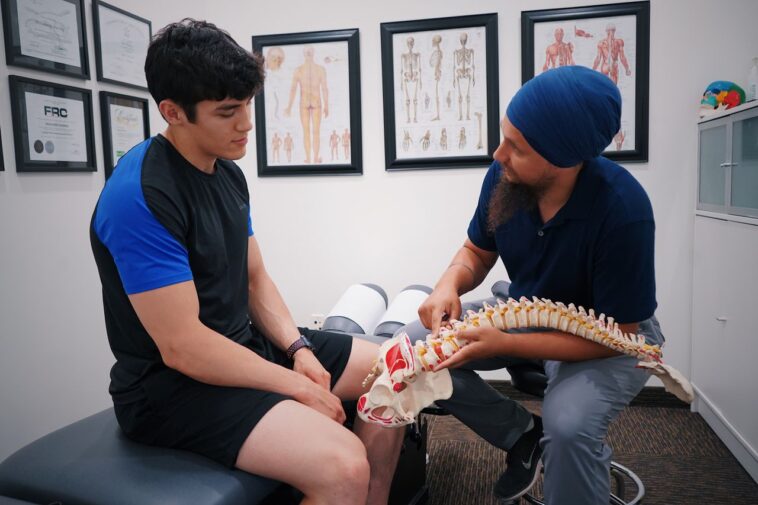
You wake up, swing your legs out of bed, and your lower back reminds you it is there. Maybe it is a dull ache. Maybe it is a sharp catch that makes you freeze halfway to standing. Either way, the day has not even started and you are already planning around the pain.
If that sounds familiar, you are in very good company. Almost everyone deals with a sore lower back at some point.
It can make simple things feel huge, like tying your shoes, sitting through a meeting, lifting a toddler, or sleeping through the night. And the worst part is the worry. Is this serious? Will it ever go away? Did I do something wrong?
Take a slow breath. Most lower back pain is not dangerous, and most of it gets better with the right habits. You do not need fancy gadgets or an expensive plan. You need to understand what is going on, move in smart ways, and stop doing the small things that quietly keep the pain alive.
This guide shows you how to fix a lower back in plain, simple steps. You will learn what causes the pain, what to do in the first 48 hours, how to build a back that stays strong, which mistakes slow people down, and when it is time to see a professional.
Keep reading, because the part about everyday habits near the end surprises most people.
What Is Lower Back Pain and Why Does It Happen?
Lower back pain is any ache, stiffness, or sharp feeling in the area between your ribs and your hips. Doctors call this the lumbar spine. It is the part of your body that carries most of your upper weight, so it works hard all day.
Think of your lower back like the base of a tall tower. It has 5 strong bones stacked on top of each other, soft cushions between them, and many muscles and bands that hold everything steady. When the base is strong and balanced, the tower stands easily. When some parts get weak, tight, or overworked, the whole tower feels the strain.
The most common causes
Most lower back pain comes from simple, everyday things. Here are the usual reasons:
- Muscle strain from lifting, twisting, or sudden movement
- Sitting for long hours with a rounded back
- Weak core and hip muscles that cannot share the load
- Tight hips and hamstrings that pull on the lower back
- Poor sleep position or an old mattress
- Stress, which makes muscles tense without you noticing
- Extra body weight or low daily movement
Less often, the cause is a problem with a spinal disc, joint wear that comes with age, or a pinched nerve. These need a professional look, and we will cover the warning signs later.
Why does it matter so much?
Back pain is not just about the back. It changes your mood, your sleep, your work, and the way you play with your family. When you hurt, you move less. When you move less, your muscles get weaker. When they get weaker, you hurt more. This loop is one of the biggest reasons pain lingers.
The good news is that you can break the loop. Mayo Clinic explains that most back pain improves with time and simple care, and that staying gently active usually helps more than resting in bed. That one idea changes how you should approach your recovery. Your back wants to move. It just wants you to move wisely.
Short answer: can a lower back be fixed?
Yes, in most cases. Short term pain from strain often settles within a few days to 6 weeks. Long lasting pain takes more patience, but steady habits, gentle exercise, and better daily posture help most people feel much better.
The word “fix” here really means calm the pain, strengthen the support system, and protect your back for the future.
How Do You Fix a Lower Back Step by Step?

Here is the simple path most people can follow at home. Go in order, and be gentle with yourself. Healing is not a race.
Step 1: Calm things down in the first 48 hours
When pain is fresh, your goal is to reduce the flare up. Avoid heavy lifting and hard twisting. But do not stay in bed all day. Short walks around the house every hour or so keep blood flowing to the sore area.
If you feel more comfortable lying down, try lying on your back with your knees bent and your feet flat on the floor. This takes pressure off the lower spine. Many people find the constructive rest pose a lovely way to let tight back muscles release without any effort.
Step 2: Use heat or cold in a smart way
A cold pack wrapped in a thin towel can help in the first day or 2 if the area feels hot or swollen. After that, a warm pack or a warm shower often feels better because it relaxes tight muscles. Use each for 15 to 20 minutes at a time. Never place ice or heat directly on bare skin.
Step 3: Start gentle movement early
This is where many people go wrong. They wait until the pain is gone before moving. But movement is the medicine. Start with slow walking for 5 to 10 minutes, a few times a day. Add a little more each day as it feels okay. A mild ache is fine. Sharp pain is your signal to slow down.
Step 4: Add easy stretches
Once the sharpest pain eases, try these 3 simple moves:
- Knee to chest. Lie on your back and gently pull one knee toward your chest. Hold for 20 to 30 seconds. Switch sides.
- Cat and cow. On hands and knees, slowly round your back up, then let it sink down. Repeat 8 to 10 times.
- Child’s pose. Sit back on your heels with your arms stretched forward. Breathe slowly for 30 seconds.
Move only as far as feels comfortable. Stretching should feel like a gentle pull, never a stab.
Step 5: Build your core and hip strength
A strong core acts like a natural brace for your spine. After about a week, when pain has settled, add these basics:
- Bird dog. On hands and knees, reach one arm forward and the opposite leg back. Hold 5 seconds. Do 8 on each side.
- Glute bridge. Lie on your back, knees bent, and lift your hips. Hold 3 seconds. Do 10 reps.
- Dead bug. Lie on your back with arms up and knees bent over your hips. Slowly lower one arm and the opposite leg. Do 8 on each side.
- Side plank on your knees. Hold 15 to 20 seconds each side.
Start with 1 set and build to 2 or 3 sets over a few weeks. Do these 3 to 4 days a week.
Step 6: Fix how you sit, stand, and lift
Exercise helps, but your daily habits matter just as much. Sit with your feet flat and your hips slightly back in the chair. Stand up and walk for 2 to 3 minutes every 30 to 45 minutes. When you lift something, bend your knees, keep the object close to your body, and avoid twisting while you hold it.
Step 7: Sleep in a back friendly way
If you sleep on your side, place a pillow between your knees. If you sleep on your back, place a small pillow under your knees. Try to avoid sleeping flat on your stomach, since it can pull the lower back into an arch.
Step 8: Be patient and track your progress
Write down how your pain feels each morning on a scale of 0 to 10. Small wins matter. If your score drops from 7 to 5 over 2 weeks, that is real progress, even if it does not feel dramatic.
What Does Recovery Look Like in Real Life?
Let us look at a common story. Imagine a 34 year old office worker named Sara. She spends 8 hours a day at a desk. One weekend she moves a heavy box, twists a little, and feels a sharp pull in her lower back.
She panics. She stays on the couch for 3 days, afraid to move. By day 4, her back feels stiffer, not better. She is frustrated and starts to think something is badly wrong.
Then she changes her approach. She starts walking for 5 minutes every hour. She uses a warm pack in the evening. She does knee to chest stretches each morning. After a week, she adds glute bridges and bird dogs. She sets a reminder to stand up every 40 minutes at work.
By week 2, her pain drops from an 8 out of 10 to a 4. By week 6, she barely thinks about it. What changed was not magic. It was a calm plan, small daily actions, and trust that her back could heal.
Your story may look different, but the pattern is the same. Pain eases when you stop fearing movement and start building support.
What Mistakes Make Lower Back Pain Last Longer?
Sometimes the thing slowing your recovery is not the injury. It is a habit. Here are the most common mistakes, and they are all easy to fix.
Staying in bed too long
A day or 2 of extra rest is fine. Weeks of it is not. Long rest makes muscles weak and stiff, which makes pain worse.
Stretching too hard
Many people think more stretch means more relief. But forcing a stretch on an angry muscle can make it tighten up even more. Go slow and stop at a mild pull.
Ignoring the hips and core
Your lower back often hurts because other muscles are not doing their share. If you only stretch the back and never strengthen the hips and core, the pain tends to return.
Sitting for hours without a break
Even a perfect chair cannot protect you from sitting all day. The best posture is your next posture. Change position often.
Lifting with a rounded back
Bending from the waist with straight legs puts a lot of strain on the spine. Use your legs, keep the load close, and avoid twisting.
Quitting too soon
When pain fades, people stop doing their exercises. Then the pain comes back in a few months, and they feel discouraged. Keep a short routine going, even 10 minutes, 3 times a week.
Pushing through sharp pain
A mild ache during exercise is normal. Sharp, shooting, or growing pain is not. Listen to your body. It is giving you information, not being dramatic.
Relying only on pain medicine
Pain relievers can help you move more comfortably for a short time, but they do not fix the reasons behind the pain. Ask a doctor or pharmacist how to use them safely for you.
What Are the Advanced Ways to Keep Your Lower Back Healthy?
Once your pain is under control, the next goal is to make your back harder to hurt. These strategies are for people who want long lasting results.
Train the whole chain, not just the back
Your back works with your glutes, hips, core, and even your feet. Add exercises like step ups, squats to a chair, and farmer carries, where you walk while holding a weight in each hand. These teach your body to share the load in real life movements.
Learn to brace your core
Before you lift something, gently tighten your belly as if you expect a light tap. Keep breathing. This creates natural support around your spine. Practice with light objects first, then use it every time you lift.
Improve your hip mobility
Stiff hips force the lower back to move more than it should. Spend 5 minutes a day on hip flexor stretches and gentle hip circles. Many people see a big difference in how their back feels within 3 to 4 weeks.
Manage stress and breathing
Stress makes muscles clench, and the lower back is a favorite place to hold tension. Slow belly breathing for 5 minutes, a short walk outside, or quiet stretching in the evening can lower that tension. Better sleep also helps your body repair itself.
Build a simple weekly rhythm
Here is a routine that works for many beginners and intermediate movers:
- 4 to 5 days of walking for 20 to 30 minutes
- 3 days of core and hip strength work for about 15 minutes
- Daily gentle stretching for 5 to 10 minutes
- Movement breaks every 30 to 45 minutes of sitting
Increase load slowly
When you add weight or time to an exercise, increase it by a small amount, about 5 to 10 percent at a time. Big jumps are a common reason people hurt themselves again.
Pay attention to your environment
Small changes add up. Raise your screen to eye level. Keep your feet flat. Use a supportive chair or a small rolled towel behind your lower back.
Choose shoes that feel comfortable and stable. These tiny edits protect your back all day without any extra effort.
What Related Topics Should You Explore Next?
Lower back health is a big subject. Once you understand the basics, you may want to go deeper into the areas that matter most to you. Here are the topics that tend to help readers the most.
If your pain starts from the moment you sit down, a closer look at desk posture and ergonomic setup can change your whole workday. Small adjustments to your chair, screen, and keyboard make a big difference over 8 hours.
If mornings are your hardest time, learning about the best sleeping positions for back pain and how to choose a supportive mattress may be the missing piece. Poor sleep and back pain feed each other, so fixing one often helps the other.
Many readers want a calm, daily routine, so a guide to gentle lower back stretches for pain relief is a natural next step. It walks through safe moves you can do in a few minutes without any equipment.
Once you are ready to get stronger, reading about core strengthening exercises for a healthy spine will show you how to progress safely. Pair that with glute and hip strengthening for back support, since weak hips are one of the quiet causes of lower back strain.
Sometimes people feel pain that travels down the leg. This can be linked to sciatica and nerve related back pain, which has its own signs and care tips. It is worth understanding the difference so you know what is normal and what needs attention.
It also helps to know when to use heat and when to use ice for different types of back pain, since using the wrong one at the wrong time can leave you confused.
Finally, since tension builds up in the body when life is busy, learning about stress and back pain and simple relaxation habits can help you stop pain before it starts. And if you live an active lifestyle, safe lifting techniques for everyday life will help you avoid repeat flare ups.
Each of these topics adds one more piece to the puzzle. You do not need to learn everything at once. Pick the one that matches your biggest struggle today.
When Should You Get Expert Help for Lower Back Pain?
Home care works for most people. But some signs mean you should not wait. Please talk to a doctor or other qualified health professional if you notice any of these:
- Pain that follows a fall, accident, or hard hit
- Numbness, tingling, or weakness in your legs or feet
- Trouble controlling your bladder or bowels
- Fever together with back pain
- Pain that is getting worse each week instead of better
- Pain that wakes you up at night and does not ease with a change of position
- Back pain after 6 weeks of steady home care with no improvement
If you ever have loss of bladder or bowel control, or sudden weakness in your legs, treat it as urgent and seek care right away.
A physical therapist can look at how you move and give you a plan that fits your body. A doctor can check for causes that need medical treatment. There is nothing weak or dramatic about asking for help. In fact, getting a clear answer early often saves weeks of worry.
Think of expert help as a flashlight. You may be walking the right path already, but a professional can show you what you cannot see on your own. Be honest about what you do all day, what makes the pain better or worse, and what you are afraid of. The more clearly you share, the better the help you will get.
What Is Changing in How People Care for Their Backs?
The way people think about back pain has changed a lot in recent years, and mostly for the better.
Less fear, more movement. Older advice told people to rest for long periods. Today, the focus is on staying active early and returning to normal life as soon as it is safe.
Hybrid work and movement breaks. More people work from home or switch between places. This has made desk habits a top concern. Standing desks, walking meetings, and short movement breaks are becoming normal.
Smart reminders. Many people now use phone or watch reminders to stand, stretch, or walk. These small nudges build healthy habits without much effort.
Remote guidance. Video sessions with physical therapists and guided exercise programs make expert advice easier to reach, especially for people who live far from a clinic.
Whole person care. Experts increasingly look at sleep, stress, and daily routines, not just the spine. This matches what many readers already feel: back pain rarely has just one cause.
The big lesson is that your back is not fragile. It is strong, adaptable, and ready to improve when you give it steady, thoughtful care.
Final Thoughts: Your Back Can Get Better
Living with lower back pain can be tiring in every sense. It wears on your body, your patience, and sometimes your confidence. If you have felt stuck or scared, please know that this is very common, and it does not mean you are broken.
Here is the heart of everything in this guide. Stay gently active. Strengthen your core and hips. Take breaks from sitting. Sleep in a supportive position. Be patient with progress. And get help when the warning signs appear.
Your next step can be very small. Take a 5 minute walk today. Try one stretch tonight. Set a reminder to stand up at work tomorrow. Small steps repeated every day are what really fix a lower back.
You have already taken a good step by learning how it works. Now give your back a little kindness, and let it show you how well it can heal.
Frequently Asked Questions
How long does it take to fix a lower back?
Most simple strains feel much better in a few days to 6 weeks. Pain that lasts longer can still improve, but it may need a professional check and a steady exercise plan.
What is the fastest way to relieve lower back pain at home?
Gentle walking, a warm or cold pack, light stretching, and avoiding heavy lifting usually give the quickest relief. Short rests are fine, but do not stay in bed for long.
Is walking good for lower back pain?
Yes. Walking keeps blood flowing and stops muscles from getting stiff. Start with 5 to 10 minutes and slowly build up as it feels comfortable.
Should I use heat or ice for lower back pain?
Cold can help in the first day or 2 if the area feels swollen or very sore. After that, heat often feels better because it relaxes tight muscles. Use whichever feels better for you, for 15 to 20 minutes at a time.
What is the best sleeping position for a sore lower back?
Sleeping on your back with a small pillow under your knees, or on your side with a pillow between your knees, is comfortable for most people.
Can sitting too much cause lower back pain?
Yes. Long sitting can tighten your hips and weaken your core, which puts extra strain on your lower back. Stand up and move every 30 to 45 minutes.
When is lower back pain serious?
See a doctor quickly if you have numbness, leg weakness, trouble controlling your bladder or bowels, fever, or pain after an injury. Also get checked if pain does not improve after about 6 weeks.