
 Harriet Wetton
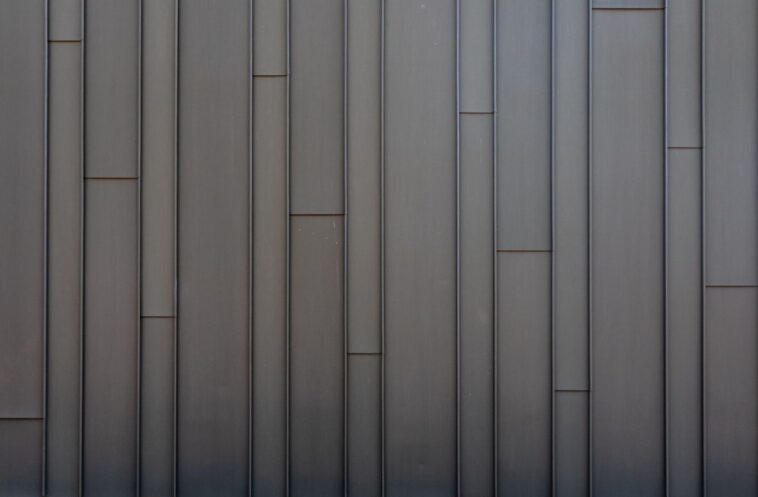
Building or repairing things around the home, workshop, or job site can feel overwhelming when you do not know which materials to pick. You want something strong, lightweight, and long lasting.
When it comes to joining panels, framing edges, or building sturdy structures, one material stands out above the rest: the aluminum H channel.
If you have ever stared at a wall of metal profiles at the hardware store feeling confused, you are not alone. Choosing the wrong trim can lead to loose panels, water damage, or a project that simply falls apart.
This guide will make everything crystal clear. We will walk you through what aluminum H channels are, how they work, where to use them, and how to install them like a pro.
What Is an Aluminum H Channel and Why Does It Matter?
An aluminum H channel is an extruded metal strip shaped like the capital letter H. It features two parallel flanges connected by a central web. This design creates two open slots or channels running along opposite sides of the strip.
These channels are engineered to hold flat panels together. Whether you are sliding in sheet metal, acrylic sheets, plywood, or glass, the H shape grips the edges of two adjoining pieces simultaneously.
Why Aluminum?
Aluminum is one of the most versatile building materials available today. It offers a unique combination of benefits that make it superior to wood, plastic, or standard steel in many applications:
-
Corrosion Resistance: Aluminum naturally forms a protective oxide layer, meaning it will not rust when exposed to moisture or weather.
-
Lightweight Strength: It provides exceptional structural support without adding unnecessary weight to your project.
-
Easy to Work With: You can easily cut, drill, and shape aluminum using basic tools found in most home workshops.
-
Clean Appearance: It offers a modern, professional finish that enhances the visual appeal of any assembly.
Understanding basic building supplies is just as important as knowing how to choose a construction site location when planning a successful project. Having the right core components ensures long term durability.
Key Benefits of Using Aluminum H Channels
Why do builders, sign makers, and DIY enthusiasts prefer aluminum H channels over other joining methods? Here is a breakdown of what makes them so popular.
1. Seamless Joining
Instead of using messy adhesives, exposed screws, or overlapping seams, an H channel creates a clean divider between two panels. It conceals raw, cut edges and delivers a uniform look.
2. Structural Stability
The central web of the H channel acts as a spine. It distributes weight and tension evenly across both panels, preventing sagging and bending over time.
3. Weather Tight Seals
When combined with proper sealants or rubber gaskets, H channels protect joints from water, dirt, and wind. This makes them ideal for outdoor enclosures, greenhouses, and exterior signage.
4. Effortless Expansion and Contraction
Materials like plastic and wood naturally expand and contract with changing temperatures. An H channel gives panels room to shift slightly inside the grooves without warping or cracking the entire structure.
Common Types and Sizes of Aluminum H Channels
Not all H channels are created equal. They come in various sizes, wall thicknesses, and surface finishes depending on the intended application.
       Flange
     ┌──┐  ┌──┐
     │  │  │  │
     │  └──┘  │  <-- Web
     │  ┌──┐  │
     │  │  │  │
     └──┘  └──┘
       Flange
Standard Dimensions
When shopping for an aluminum H channel, pay close attention to three key measurements:
-
Channel Width (Opening): This must match the thickness of the panels you are joining. Common widths include 1/8 inch, 1/4 inch, 1/2 inch, and 3/4 inch.
-
Flange Height: The height of the side walls determines how deeply the panel sits inside the channel. Taller flanges provide extra grip for heavy or large sheets.
-
Wall Thickness: Thicker metal walls handle higher structural loads, while thinner walls are lighter and cheaper for decorative work.
Popular Finishes
-
Mill Finish: Raw aluminum straight from the factory. It works well for utility projects where appearance does not matter.
-
Anodized Finish: An electrochemical process hardens the surface and protects against wear and oxidation. Available in clear, black, or bronze.
-
Powder Coated: Painted with a durable dry powder that is baked on. Great for custom color matching in architectural designs.
How to Install Aluminum H Channels Step-by-Step
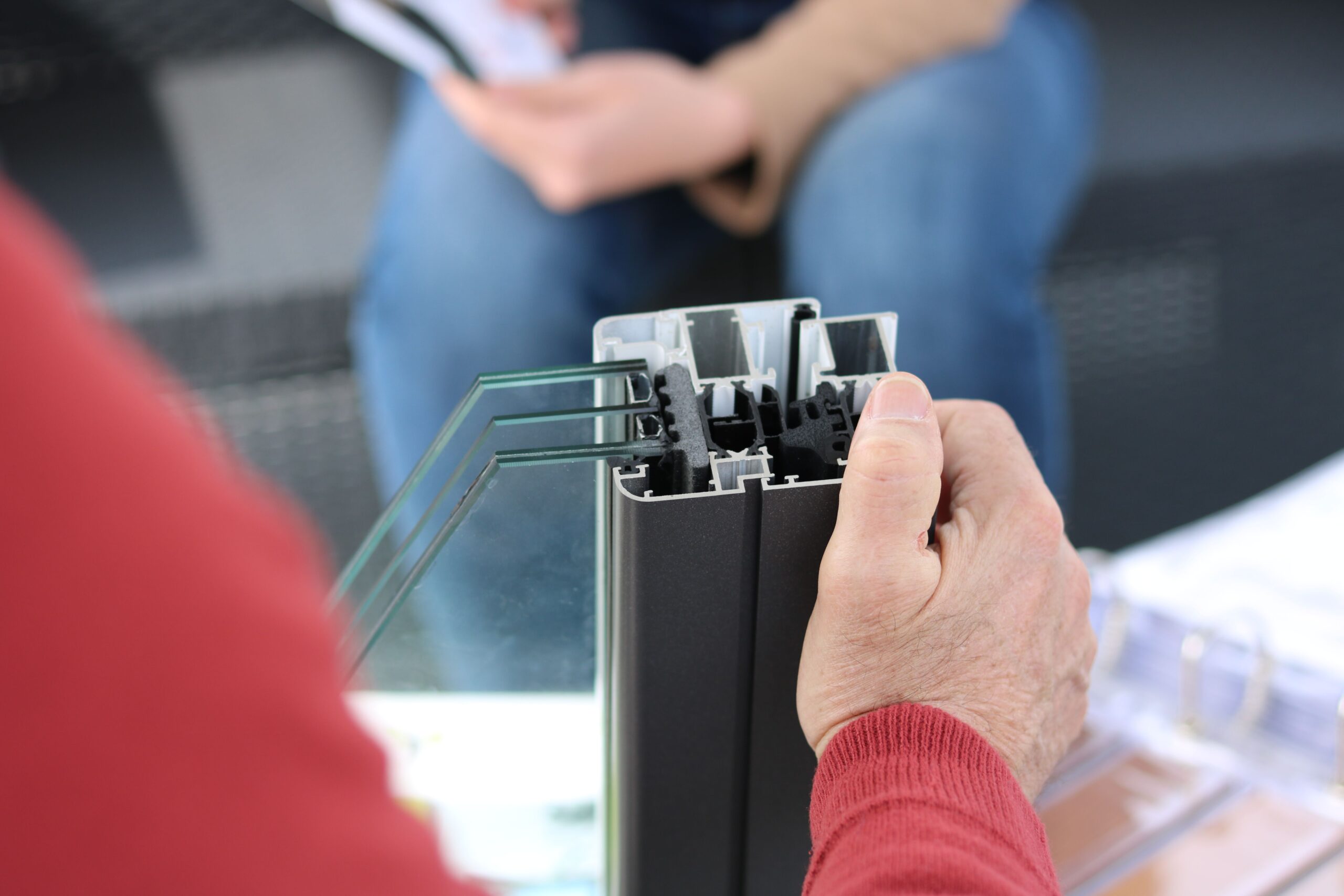
Installing an H channel is straightforward, but taking your time and making precise measurements will yield the best results. Follow this 6-step guide to complete your project effortlessly.
Step 1: Measure Your Material
Measure the thickness of your panels using a caliper or tape measure. Select an aluminum H channel with an inside slot size that allows your panel to slide in smoothly without excessive slop.
Step 2: Cut the Channel to Length
Mark the required length on your aluminum profile with a fine tip marker. Secure the profile in a vise or clamp. Use a miter saw fitted with a non-ferrous metal blade, or a fine tooth hacksaw, to make a clean, straight cut.
Safety Tip: Always wear safety glasses and work gloves when cutting metal to protect yourself from flying aluminum shavings and sharp edges.
Step 3: Deburr the Edges
After cutting, use a metal file or deburring tool to smooth away rough burrs along the cut edges. This prevents scratches on your panels and keeps your hands safe.
Step 4: Dry Fit the Assembly
Test fit your panels inside the H channel before applying any permanent fasteners or adhesives. Verify that everything sits flush and aligns properly.
Step 5: Apply Sealant or Fasteners (Optional)
If your installation requires waterproofing or extra stability:
-
Run a continuous bead of outdoor silicone sealant along the inside groove of the H channel.
-
Alternatively, insert rubber glazing gaskets for glass or acrylic panels.
-
For heavy structural applications, pre-drill small pilot holes through the flange and secure the panel with stainless steel screws.
Step 6: Press and Secure
Slide the first panel firmly into one side of the H channel. Next, align the second panel and slide it into the opposing groove. Tap the edges gently with a rubber mallet if the fit is tight.
Real Life Applications for Aluminum H Channels
Because aluminum H channels are so adaptable, you will find them in dozens of everyday industries and home applications.
Architectural Framing and Siding
In modern construction, builders use heavy duty H channels to connect exterior composite wall panels. The metal grid provides a modern industrial aesthetic while ensuring the building remains weather tight.
Custom Signage and Displays
Sign makers rely heavily on aluminum H channels to join acrylic or aluminum composite sheets (ACM) for outdoor billboards, store fronts, and trade show booths.
Solar Panel Mounting Systems
Solar installers use specialized aluminum extrusion profiles to link solar modules securely to roof racks. The corrosion resistance ensures the framework survives decades of rain, snow, and UV exposure.
DIY Home Projects and RV Repairs
Homeowners and hobbyists frequently use light duty H channels to repair camper van interiors, construct custom greenhouse walls, frame room dividers, or install wall paneling in basements.
Common Mistakes to Avoid
Even simple projects can run into snags if you skip basic preparation. Avoid these frequent pitfalls to guarantee a smooth installation:
-
Choosing the Wrong Opening Size: If the channel is too tight, you risk cracking delicate acrylic panels during insertion. If it is too loose, the panels will rattle and sag.
-
Ignoring Thermal Expansion: Always leave a tiny gap (about 1/16 to 1/8 inch) inside the channel web so plastic or wood panels can expand on hot days without buckling.
-
Using Incorrect Saw Blades: Cutting aluminum with a standard wood blade can cause the metal to catch, bend, or fly off violently. Always use a dedicated non-ferrous metal blade.
-
Mixing Incompatible Metals: Fastening aluminum with plain carbon steel screws leads to galvanic corrosion, which degrades the metal over time. Always use stainless steel or coated fasteners.
Advanced Strategies and Pro Tips for Better Results
If you want your installation to look like it was done by a master craftsman, keep these expert tips in mind:
Thermal Break Integration
In exterior wall construction, metal channels can transfer heat or cold inside a building (known as thermal bridging). Understanding thermal bridging and window assembly standards published by the U.S. Department of Energy helps explain why thermal break H channels are vital. These specialized profiles feature an insulating plastic barrier in the middle web that reduces energy loss dramatically.
Precision Miter Joints
When creating rectangular frames with H channels, cut the corners at precise 45 degree angles using a compound miter saw. This ensures seamless corner connections without raw metal ends sticking out.
Custom Anodizing and Powder Coating
If standard silver aluminum does not match your decor, purchase mill finish channels and take them to a local metal finisher. Powder coating allows you to match any color code perfectly while adding extra durability.
Related Concepts and Complementary Hardware
When planning a complete paneling project, you will often need other extruded metal shapes to work alongside your H channels. Understanding these hardware options helps you choose the right profile for every joint:
-
Aluminum J Channels and Caps: Perfect for finishing the top or bottom exposed edge of a wall panel where no second sheet connects.
-
Aluminum C Channels and U Channels: Ideal for edge protection, framing single panels, or creating track sliders for sliding doors.
-
T Slot Aluminum Extrusions: A modular framing system featuring T shaped tracks, widely used for custom workbenches, CNC machine frames, and automation equipment.
-
Panel Fastening Hardware: Specialty rivets, stainless steel self tapping screws, and structural adhesives engineered specifically for metal to panel joining.
When to Consult a Professional
While small DIY tasks like building a greenhouse wall or repair work are beginner friendly, certain scenarios demand expert intervention:
-
Load Bearing Structures: If your framing supports significant weight or overhead loads, consult a structural engineer to specify the correct wall thickness and alloy.
-
High Wind Commercial Installations: Commercial exterior signage or multi-story cladding requires professional engineering calculations to withstand wind uplift forces.
-
Custom Metal Fabrication: Complex projects requiring precise bending, heavy welding, or custom extruded shapes are best handled by professional metal fabricators.
Learning to tackle DIY projects step-by-step is an empowering journey. At WillingToDo, we offer practical guides on everything from home improvement to personal development so you can build real skills with confidence.
Future Trends in Extruded Aluminum Components
The aluminum manufacturing industry continues to evolve to meet modern construction and sustainability demands.
Sustainable Aluminum Recycling
Recycled aluminum uses up to 95% less energy to produce than primary metal. Industry data from the Aluminum Association shows that aluminum can be recycled infinitely without losing its structural properties. Extrusion manufacturers are shifting toward fully recycled aluminum billets, significantly reducing the carbon footprint of building materials.
Automated Extrusion Technology
Advanced 3D modeling software and automated extrusion presses now allow factories to produce highly complex, custom H channel shapes with ultra-tight tolerances at lower costs.
Smart Coatings
Future aluminum profiles will feature hydrophobic and self-cleaning coatings. These advancements prevent dirt accumulation and algae growth on outdoor framing systems, drastically reducing maintenance needs.
Conclusion
Aluminum H channels offer a simple, dependable, and attractive solution for joining panels across a huge range of applications. By selecting the correct dimensions, using the proper tools, and allowing room for natural thermal movement, you can achieve professional results on any project. Take your measurements, gather your tools, and approach your next build with total confidence!
Frequently Asked Questions
What tools do I need to cut an aluminum H channel?
You can cut an aluminum H channel using a standard fine tooth hacksaw or a miter saw fitted with a non-ferrous metal blade. Always clamp the profile securely and wear protective eyewear.
Can I paint an aluminum H channel at home?
Yes. Clean the surface thoroughly, sand it lightly with fine sandpaper, apply a self-etching primer designed for aluminum, and finish with a durable acrylic latex or enamel spray paint.
Is an H channel completely waterproof?
By itself, an H channel is water resistant but not 100% waterproof. To make it watertight, apply a high quality outdoor silicone sealant or insert rubber glazing gaskets into the grooves before fitting the panels.
How do I prevent galvanic corrosion when mounting aluminum?
Use stainless steel, aluminum, or coated zinc fasteners. Avoid direct contact between raw carbon steel and aluminum, especially in damp or coastal environments.
What is the difference between an H channel and an H beam?
An H channel is generally lightweight with thinner walls used for joining panels or light framing. An H beam is a heavy, thick structural component used in heavy construction to support floors and roofs.