
 Harriet Wetton
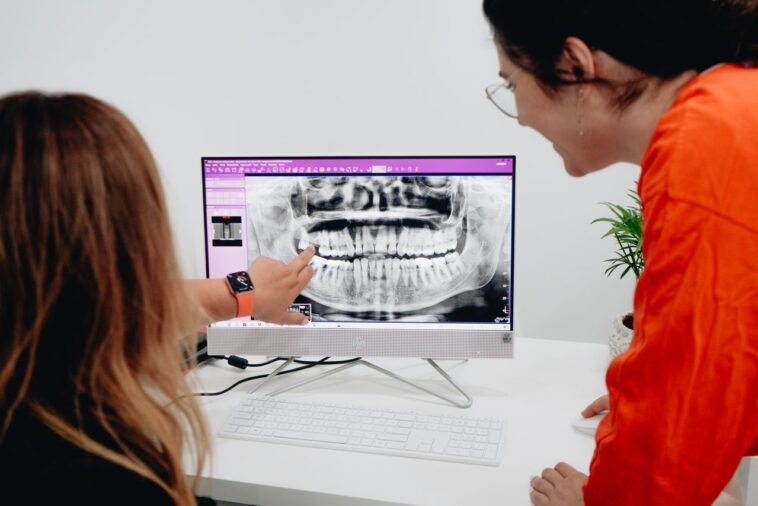
Many of us know the feeling of brushing our teeth only to notice a spot of bright red in the sink. Or maybe you have looked in the mirror and felt your teeth look longer than they used to, or felt a dull, quiet ache deep in your jawline.
When your gums act up, it is natural to feel a rush of anxiety. We rely on our smiles for confidence, eating, and communicating with the world. You might wonder if you are going to lose a tooth, or if a simple routine cleaning will fix everything.
If your regular dentist has mentioned referring you to a specialist, or if you are searching for answers about persistent gum issues, you are likely asking: What is a periodontist, and how are they different from a general dentist?
This comprehensive guide breaks down everything you need to know about periodontists. We will explain what they do, why their work matters, the procedures they perform, and how they protect your smile for a lifetime.
Foundational Explanation: What Is a Periodontist?
A periodontist is a dental specialist focused on the prevention, diagnosis, and treatment of diseases affecting the supporting structures of your teeth.
The word originates from two Greek terms: perio (meaning “around”) and odont (meaning “tooth”). A periodontist is a doctor dedicated to the health of everything surrounding your teeth.
What Do They Specialize In?
While general dentists care for the visible parts of your teeth, periodontists manage the structural foundation. This includes:
-
Gums (Gingiva): The protective soft tissue surrounding the teeth.
-
Alveolar Bone: The jawbone socket holding tooth roots in place.
-
Cementum: The outer connective tissue layer covering tooth roots.
-
Periodontal Ligament: The connective fibers attaching tooth roots to bone.
Periodontists also specialize in replacing missing teeth using dental implants and treating oral inflammation.
Periodontist vs. General Dentist
Think of your general dentist as a primary care doctor. They perform regular cleanings, fill cavities, apply crowns, and monitor overall oral health.
A periodontist is like a cardiologist or orthopedic specialist. They complete 3 additional years of surgical and clinical training beyond standard dental school to focus entirely on gum disease and oral tissue repair.
| Feature | General Dentist | Periodontist |
| Education | 4-year dental degree (DDS/DMD) | Dental degree + 3-year specialty residency |
| Primary Focus | Teeth, cavities, general maintenance | Gums, jawbone, deep tissue health |
| Surgical Scope | Basic tooth extractions, simple procedures | Advanced bone grafts, gum surgery, implants |
| Gum Care Level | Mild gingivitis management | Moderate to severe periodontitis treatment |
Why Gum Health Matters: The Hidden Body Connection
Healthy teeth cannot survive without a strong foundation. Gum disease is one of the most common chronic conditions globally, yet it often progresses silently without significant pain in its early stages.
The Stages of Periodontal Disease
Gum problems occur along a spectrum:
-
Gingivitis: Mild gum inflammation caused by plaque buildup. Gums may bleed during brushing or flossing, but the bone structure remains intact. Gingivitis is completely reversible.
-
Slight to Moderate Periodontitis: Plaque hardens into tartar below the gumline. Bacteria attack the supporting tissue, causing gums to pull away from teeth and create “pockets.” Minor bone loss begins.
-
Advanced Periodontitis: Deep tissue destruction occurs. The jawbone dissolves around the roots, teeth become loose, and tooth loss becomes a severe risk without specialist intervention.
When left unaddressed, issues like a dead tooth staying in your mouth can exacerbate bacterial infections, further damaging the surrounding periodontium.
The Systemic Health Connection
Periodontal health extends far beyond your mouth. Research shows that chronic gum inflammation is linked to systemic health issues across the body:
-
Cardiovascular Disease: Bacteria from infected gums can enter the bloodstream, contributing to arterial plaque and heart risks.
-
Diabetes Management: Gum infection makes blood sugar harder to control, while high blood sugar makes gum infections worse.
-
Respiratory Conditions: Inhaling mouth bacteria can lead to lung complications in vulnerable individuals.
-
Systemic Inflammation: Chronic inflammation in the mouth increases inflammatory markers throughout the body.
Taking care of your gums is a vital part of a complete guide to building a healthy daily routine for your whole body.
Key Procedures Performed by a Periodontist

Periodontists offer both non-surgical and surgical treatments to restore oral health.
Non-Surgical Treatments
-
Scaling and Root Planing (Deep Cleaning): The primary defense against gum disease. The specialist carefully removes tartar and plaque from below the gumline (scaling) and smooths tooth roots (planing) so gums can reattach.
-
Antibacterial Therapies: Direct application of localized antibiotics or antimicrobial rinses inside gum pockets to eliminate deep bacteria.
Surgical Treatments
-
Pocket Reduction Surgery (Gingival Flap Surgery): The periodontist gently folds back gum tissue to remove hidden bacteria, then secures the tissue tightly around the tooth to minimize pocket depth.
-
Gum Grafting: Transplants tissue (often from the palate) onto areas with severe recession to cover exposed roots and reduce sensitivity.
-
Bone Grafting: Uses natural or synthetic bone materials to rebuild areas where jawbone has dissolved, securing loose teeth or preparing for implants.
-
Crown Lengthening: Reshapes excess gum tissue and bone to reveal more natural tooth structure for cosmetic enhancement or restorative work.
-
Dental Implants: Places titanium posts directly into the jawbone to replace missing teeth with natural-looking crowns.
Step-by-Step: What to Expect During Your First Visit
Visiting a specialist can feel intimidating, but knowing what happens removes the uncertainty.
-
Comprehensive Medical History: The team reviews your health conditions, family history, and medications.
-
Visual Exam: The periodontist checks your lips, cheeks, tongue, and gums for signs of inflammation or tissue changes.
-
Periodontal Charting: Using a small, calibrated tool called a periodontal probe, the doctor measures the pocket depth around every tooth. Healthy pockets measure 1 to 3 millimeters; depths of 4 millimeters or more indicate active gum disease.
-
X-Rays and Imaging: High-resolution digital imaging evaluates bone density beneath the surface.
-
Personalized Care Plan: The periodontist explains their findings clearly and discusses non-surgical or surgical next steps tailored to your situation.
Common Mistakes to Avoid with Gum Care
-
Ignoring Bleeding Gums: Bleeding during brushing is a warning sign, not a normal reaction to flossing.
-
Assuming No Pain Means No Problem: Periodontal disease often develops without sharp pain until advanced stages.
-
Brushing Too Hard: Aggressive brushing with hard bristles strips away delicate gum tissue, causing recession.
-
Relying Only on Mouthwash: Mouthwash freshens breath, but it cannot remove hard tartar deposits below the gumline.
-
Postponing Specialist Referrals: Waiting too long allows bone loss to progress, turning straightforward treatments into complex procedures.
Taking care of your smile requires the same intentionality as managing overall wellness, whether that means adjusting your habits or knowing how to manage stress in daily life.
When to See a Periodontist
Consider scheduling an evaluation if you notice any of these signs:
-
Gums that bleed easily when eating, brushing, or flossing
-
Persistent bad breath or a lingering bad taste in your mouth
-
Receding gums that make your teeth look longer
-
Deep pockets visible between your gums and teeth
-
Loose or shifting adult teeth
-
Changes in how your teeth fit together when you bite
-
Red, swollen, or tender gums
Early evaluation preserves your natural teeth and prevents unnecessary discomfort.
FAQs
Is seeing a periodontist painful?
Modern periodontics prioritizes patient comfort. Specialists use effective local anesthetics, gentle techniques, and optional sedation options for procedures to ensure a relaxed, virtually painless experience.
How often should I see a periodontist?
If you have active periodontal disease, visits every 3 to 4 months for maintenance cleanings are typical. Once stable, your specialist and general dentist will coordinate a balanced schedule.
Can gum disease be completely cured?
Gingivitis can be fully reversed with proper care. Periodontitis cannot be fully “cured” because lost bone does not naturally regrow on its own, but it can be successfully managed and controlled for a lifetime.
Will insurance cover periodontist visits?
Most standard dental insurance plans offer coverage for medically necessary periodontal procedures, including scaling, root planing, and surgery. Coverage limits vary by provider.
How long does recovery take after gum surgery?
Most patients return to light, routine activities within 24 to 48 hours. Complete soft tissue healing usually takes 1 to 2 weeks, depending on the specific procedure.