
 Harriet Wetton

You said yes. You smiled for 3 days straight. Then someone asked, “So, when is the wedding?” and your stomach dropped a little.
If that sounds like you, you are not alone. Planning a wedding feels like holding 100 loose threads at once. The venue, the food, the guests, the dress, the photos, the music. Each one has its own deadline, and no one hands you a map.
That map is a wedding timeline.
A good timeline turns a messy pile of worries into a clear list of what to do and when. It helps you stop lying awake at night asking, “Did I forget something big?” It also protects your budget, your relationships, and your energy.
In this guide, you will learn how to create a wedding timeline from the very start. We will cover the planning timeline (the months before) and the wedding day timeline (the hours on the day).
You will see a real example, the mistakes that trip up most couples, and some advanced tricks that calm professionals use. We will keep it simple and kind. No jargon, and no pressure to do it perfectly.
By the end, you will know exactly where to start. So let’s begin.
What Is a Wedding Timeline?
A wedding timeline is a schedule that shows what needs to happen and by when.
That is the short answer. But there are really 2 kinds, and people mix them up all the time.
1. The planning timeline. This covers the months and weeks before the wedding. It says things like “book the venue by month 3” and “send invitations 8 weeks before.”
2. The wedding day timeline. This covers the hours on the actual day. It says things like “hair starts at 9:00 AM” and “ceremony begins at 4:00 PM.”
Think of it like a road trip. The planning timeline is your route on the map. The wedding day timeline is the turn by turn directions on the final stretch. You need both to arrive happy.
A third thing is worth a mention. Some couples have a wedding weekend with a welcome dinner, a ceremony, and a farewell brunch. In that case, you will make a mini timeline for each event.
If you want to see how others lay these out, The Knot has sample wedding weekend timelines that show how the days can flow.
Why Does a Wedding Timeline Matter?
Here is the honest truth. Most wedding stress does not come from the wedding. It comes from not knowing what comes next.
A timeline fixes that in 5 ways.
It reduces panic. When every task has a date, your brain can relax. You do not have to remember everything. You just look at the list.
It protects your money. Rushed decisions cost more. Booking a photographer 2 months before the date often means fewer choices and higher prices. Booking early gives you room to compare.
It keeps everyone on the same page. Your partner, your parents, your bridal party, and your vendors all need to know what is happening. A shared timeline stops the “I thought you were doing that” arguments.
It keeps the wedding day calm. When each hour is planned, small delays do not turn into big disasters.
It gives you space to enjoy this season of life. This is the part people forget. You are not only planning an event. You are living a once in a lifetime chapter. A timeline buys you time to actually feel it.
Have you ever started a big project and felt lost halfway through? A wedding without a timeline feels exactly like that. The good news is that you can fix it today.
How Long Before the Wedding Should You Start Planning?
Most couples plan for 12 months. Some do 18 months. Some do 6 months or less, and that works too.
Here is a simple guide.
- 12 months or more: You have lots of room. You can compare vendors slowly and save money by spreading out payments.
- 6 to 9 months: You can still do everything well. You just need to decide on the big items fast, like the venue and the guest list.
- 3 months or less: This is possible, but you will need to be flexible. Popular dates and vendors may already be booked.
The short answer to “how far ahead should I plan?” is this. Start as soon as you have a rough date in mind. Even a loose timeline is better than none.
How to Create a Wedding Timeline Step by Step
This is the heart of the guide. Take it slowly. You do not have to finish all 9 steps in one night. Make a cup of tea and do one step at a time.
Step 1: Talk About What Matters Most
Before you write a single date, sit down with your partner. Ask each other 3 simple questions.
- What are the 3 things we care about most on this day?
- What are we happy to skip?
- How many people do we really want there?
Maybe you both care about great food and live music. Maybe photos matter more than flowers. When you know your top 3, your timeline gets easier, because you can book those things first.
This step feels small, but it saves you from a lot of fights later. Many couples skip it and then argue about money in month 5.
Step 2: Pick a Rough Date or Season
You do not need the exact day yet. A season or a month is enough to start.
Think about weather, travel for guests, school holidays, and your own work schedule. If your family is spread across countries, give people time to book flights. A date in a busy travel month may cost your guests more.
Once you have a rough window, count backward. That is how a timeline begins. If the wedding is in 10 months, your whole plan fits inside those 10 months.
Step 3: Set Your Budget and Guest Count
These 2 numbers shape everything. The guest count affects the venue size, the food cost, the invitations, and even the number of chairs.
Write down a total budget. Then split it into rough parts. Many couples give the biggest share to the venue and food, since those two often take about half of the money. Then they divide the rest among photography, clothing, decor, music, and extras.
Keep a small cushion of about 10% for surprises. Something always comes up. A late fee, an extra hour of music, a tailor’s adjustment. A cushion keeps you calm when it does.
Step 4: List Every Major Task
Now write down everything you can think of. Do not worry about order yet. Just empty your head onto paper.
Here is a starter list.
- Venue
- Caterer
- Photographer and videographer
- Wedding attire
- Invitations
- Music or DJ
- Flowers and decor
- Cake
- Transport
- Officiant or religious leader
- Marriage license and legal paperwork
- Hair and makeup
- Wedding rings
- Honeymoon
- Rehearsal and any extra events
If something is missing for your culture or family, add it. Many weddings include extra events like henna nights, tea ceremonies, or family dinners. Put them all on the list.
Step 5: Put the Big Items First
Some things book up fast. Others can wait. Your job is to sort tasks by how quickly they disappear.
Book first (9 to 12 months ahead):
- Venue
- Photographer
- Caterer, if the venue does not provide one
- Officiant
Book next (6 to 9 months ahead):
- Music
- Florist and decor
- Wedding attire
- Hair and makeup
Handle later (2 to 5 months ahead):
- Invitations
- Cake tasting
- Final menu choices
- Transport
The venue comes first because almost everything else depends on it. The date, the guest count, and even the decor all follow the venue. If you are not sure how to choose one, read our guide on how to book a wedding venue before you sign anything.
Step 6: Build Your Month by Month Plan
Now turn the sorted list into a calendar. Here is a simple 12 month version you can copy and change.
12 months before
- Talk about priorities, budget, and guest count
- Start a rough guest list
- Visit venues
10 to 11 months before
- Book the venue and the date
- Hire a photographer
- Think about a wedding planner if you want one
8 to 9 months before
- Book the caterer, music, and officiant
- Start shopping for attire
- Create a wedding website or group chat for updates
6 months before
- Order invitations
- Book hair and makeup
- Plan the honeymoon
- Book rooms for out of town guests
4 months before
- Finalize the menu and cake
- Order rings
- Confirm the decor plan
2 months before
- Send invitations
- Do a final attire fitting
- Confirm vendors in writing
1 month before
- Follow up on RSVPs
- Create the seating plan
- Check the marriage license rules and get the paperwork ready
1 week before
- Confirm all arrival times
- Pack your emergency kit
- Prepare payments and tips in labeled envelopes
1 day before
- Do the rehearsal if you are having one
- Rest, eat well, and sleep
If your wedding is closer than 12 months, do not panic. Squeeze the early steps together and keep the order the same.
Step 7: Assign an Owner and a Date to Each Task
A task without a name is a task that does not get done. For every item, write 2 things: who is responsible and the exact due date.
Be kind to yourself here. You do not have to do it all. Your partner can handle the music. Your sister can track RSVPs. A close friend can hold the emergency kit. Sharing the load is not weakness. It is smart planning.
A simple table works well. Make 4 columns: task, owner, due date, and status. Tools like a spreadsheet, a notes app, or even a paper notebook all work. The best tool is the one you will actually open.
Step 8: Create Your Wedding Day Timeline
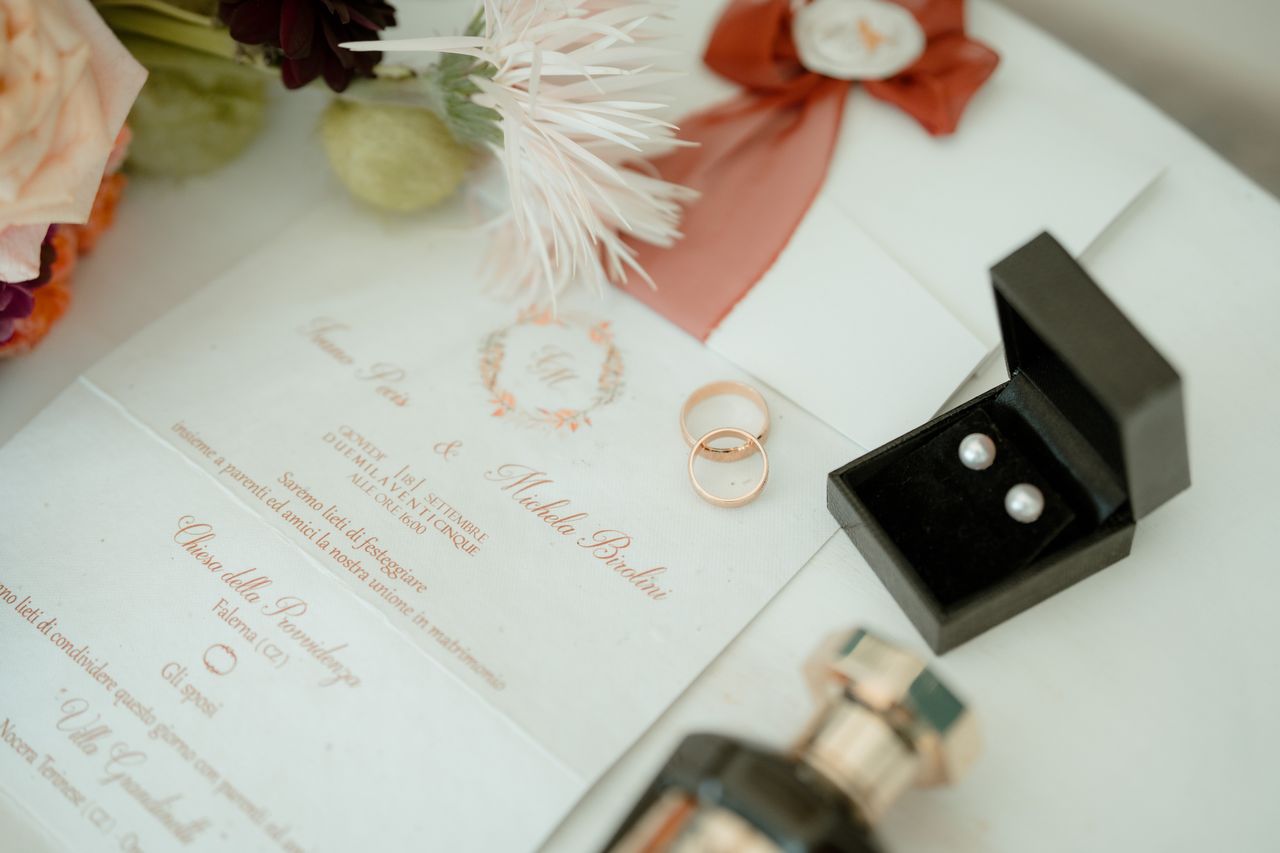
Once the big plan is set, you can build the hour by hour schedule for the day itself. Do this about 4 to 6 weeks before the wedding, after you have talked to your vendors.
The trick is to work backward from the ceremony. Here is a sample for a 4:00 PM ceremony.
- 9:00 AM: Hair and makeup begin
- 11:30 AM: Light lunch for the wedding party (do not skip this)
- 12:30 PM: Getting dressed
- 1:30 PM: Photos of getting ready and details
- 2:30 PM: First look or couple portraits
- 3:15 PM: Family photos
- 3:45 PM: Guests begin to be seated
- 4:00 PM: Ceremony begins
- 4:40 PM: Cocktail hour starts and group photos finish
- 5:45 PM: Grand entrance
- 6:00 PM: Dinner and speeches
- 7:30 PM: Cake cutting and first dance
- 8:00 PM: Open dance floor
- 10:30 PM: Last dance and send off
Notice how each block has breathing room. That is on purpose. Hair always runs late. A kind relative always wants one more photo. If your schedule has no gaps, one delay will push everything off.
A timeline only works if people see it. Send the final wedding day plan to every vendor, your wedding party, and your family leads. Give a printed copy to someone calm who is not the bride or groom. That person becomes your timeline keeper, so you do not have to answer 50 questions on the day.
Then check your timeline once a month. Plans change. Dates shift. A quick monthly review keeps small problems small.
A Real Life Example: Sara and Ali’s 9 Month Timeline
Let’s make this feel real. Here is an example of a couple, Sara and Ali, who had 9 months to plan a wedding for 150 guests.
At first, they were overwhelmed. Sara said she woke up every night with a new worry. Ali wrote tasks on random sticky notes that kept falling off the fridge.
So they sat down one Sunday and followed the steps above.
They agreed their top 3 were food, photos, and having both families comfortable. They set a budget and kept a 10% cushion. In week 2, they visited 4 venues and booked their favorite.
That fixed their date. In month 2, they hired a photographer and a caterer. By month 4, attire and music were done. In month 6, invitations went out.
Did everything go perfectly? No. The florist canceled 5 weeks before the wedding. But because they had a cushion in their budget and a list of backup options, they hired a new florist in 3 days. Sara said later, “Because we had a plan, the bad news felt like a bump, not a crash.”
That is what a timeline really gives you. It does not stop problems. It gives you room to handle them.
Common Mistakes to Avoid When Making a Wedding Timeline
Almost every couple makes at least a few of these. Knowing them early can save you stress, money, and tears.
1. Starting too late. Waiting to book big vendors limits your choices and often raises the price.
2. Skipping the budget step. A timeline without a budget is just a wish list. Money decisions should come before booking.
3. Packing the wedding day too tight. If every minute has a task, any delay becomes a crisis. Add 10 to 15 minute gaps.
4. Forgetting to eat. It sounds silly, but many brides and grooms go hungry all day. Plan meals into your schedule.
5. Not telling vendors the plan. If your photographer does not know when the ceremony starts, you will lose precious photos. Share the timeline with everyone.
6. Ignoring travel time. If your venue and your hotel are 40 minutes apart, that time needs a spot on the schedule. Traffic is real.
7. Doing it all alone. You do not need to be a hero. Give tasks away.
8. Not planning for light. If you want sunset photos, find out what time the sun sets on your date. Many couples miss this and end up in the dark.
9. Leaving paperwork until last. Marriage license rules vary by place, and some need documents or waiting periods. Check early.
10. Treating the timeline as fixed forever. It is a guide, not a contract. Change it when life changes.
Which of these sounds the most like something you might do? Spotting it now is the first step to avoiding it.
Advanced Strategies for a Smoother Wedding Timeline
Once you have the basics, these tips can lift your plan to the next level. These are the habits calm planners use.
Build in a Buffer Zone
Add a buffer of 15 to 20 minutes at 3 key points: after getting ready, after the ceremony, and before the grand entrance. These are the moments where delays tend to happen. Buffers give you space to breathe.
Plan Backward From the Sun
If outdoor photos matter to you, find the sunset time and plan the portraits about 30 to 45 minutes before it. Soft evening light is flattering and warm. Many couples plan everything else first and then wonder why the light is gone.
Use a “Day Of” Point Person
Pick someone trusted to be the go to person for questions. This could be a planner, a coordinator, or a calm relative. Give them the timeline, the vendor phone numbers, and the emergency kit. This one choice can change your whole day.
Prepare a Backup Plan for Weather and Delays
If any part of your day is outdoors, have a plan B. Know where guests will go if it rains. Know who makes that call and by what time. Write it on your timeline so no one has to guess.
Create a Vendor Contact Sheet
Make a single page with every vendor’s name, phone number, arrival time, and what they are responsible for. Keep one copy with your point person and one with a family member.
Think About Your Guests’ Comfort
Guests sit through a ceremony, wait during photos, and then eat. If the gap between the ceremony and dinner is longer than 90 minutes, think about adding drinks or snacks. A hungry guest is a grumpy guest.
Schedule Rest for Yourselves
Block 10 minutes alone as a couple after the ceremony. Many couples say this was their favorite moment of the day. You get to breathe, hold hands, and let the news sink in before the party begins.
Related Subtopics Worth Exploring
A wedding timeline touches almost every part of wedding planning. Once your main plan is set, you may want to go deeper into a few areas.
Money is usually the first. A clear wedding budget plan helps you decide how much to spend on each part before you book anyone. Next comes people. Building your wedding guest list early matters, because the guest count controls the venue size and the food cost.
Many couples also find it helpful to plan how they will handle wedding invitations and RSVPs, including when to send them and how to follow up politely.
Vendors are another big topic. Knowing how to choose a wedding photographer and how to read wedding vendor contracts can protect you from surprises. Food matters too, so it is worth learning about wedding catering options and how to pick a menu that fits your guests.
Then there are the smaller details that shape the day itself. A wedding day emergency kit can solve tiny problems fast, like a loose button or a headache.
Planning the rehearsal dinner gives you a gentle warm up before the main event. And a simple wedding week checklist keeps the final days calm and organized.
You do not need to master all of these at once. Pick the one that worries you most and start there.
When Should You Get Expert Help?
Some couples enjoy planning every detail. Others feel their stomach tighten at the thought. Both are completely fine.
You might want help from a professional planner or coordinator if:
- You have less than 6 months to plan
- Your guest list is large, or you are planning across different cities or countries
- You have more than 1 event, like a welcome dinner and a reception
- Work or family duties leave you little time
- You feel stuck, tired, or anxious about getting it right
You do not have to hire a full service planner. Many professionals offer a “day of” package, where they simply run the schedule on your wedding day. That can be a good middle path if the budget is tight.
When choosing someone, ask to see sample timelines they have made. Ask how they handle delays. And pay attention to how you feel when you talk to them. You want someone who listens, not someone who rushes you.
Asking for help is not failing. It is making space for the joy you deserve.
Future Trends in Wedding Planning
Weddings are changing, and timelines are changing with them. Here are a few shifts worth knowing about.
Smaller and more personal weddings. Many couples now choose fewer guests and spend more on meaningful details. This often means shorter timelines and more room for each moment.
Wedding weekends. Instead of one long day, more couples spread events across 2 or 3 days. This makes each event calmer, but it also means more planning.
Digital tools. Shared planning apps, online RSVPs, and wedding websites are now common. They make it easier to keep everyone updated in one place.
Unplugged ceremonies. Some couples ask guests to put away their phones during the ceremony so everyone can be present. This is worth adding to your plan if it matters to you.
Flexible dates. Weekday and off season weddings are growing in popularity. They can cost less and give you more vendor choices.
Whatever trend you follow, the heart of a good timeline stays the same. Know your priorities, give yourself time, and leave room for surprises.
Conclusion: You Can Do This
Planning a wedding can feel like standing at the bottom of a mountain. But mountains are climbed one step at a time, and so are weddings.
You now know what a wedding timeline is, why it matters, and how to build one in 9 simple steps. You have seen a real example, the common mistakes, and some advanced tricks that make the day smoother.
Most importantly, you know that feeling overwhelmed is normal. It does not mean you are doing it wrong. It means you care.
Your next step is small. Tonight, sit down with your partner and answer the 3 questions from Step 1. Write down your top 3 priorities. That is enough for today. Tomorrow, pick a rough date. The day after, start your task list.
Little by little, the picture will come together. And when your big day arrives, you will be able to look around, take a deep breath, and enjoy it. If you want more practical guides like this one, you can always find them at WillingToDo, where we share simple, helpful advice for real life.
Frequently Asked Questions
What is the best way to create a wedding timeline?
Start with your priorities, budget, and rough date. Then list every task, sort them by how fast they book up, and place them on a month by month calendar. Add an owner and a due date to each task.
How far in advance should you start a wedding timeline?
Most couples start 12 months before the wedding. You can plan in 6 months or less, but you will need to make decisions faster and be more flexible with vendors.
What goes first on a wedding timeline?
The budget, guest count, and venue come first. Almost every other decision depends on them. Photographers and caterers should be booked soon after.
How long should a wedding day timeline be?
Most wedding day timelines cover 10 to 12 hours, from hair and makeup to the last dance. The ceremony itself is often 20 to 45 minutes, while the reception may last 4 to 5 hours.
How much time should you leave for wedding photos?
Plan about 1 to 2 hours for portraits and family photos. Add extra time if you have a large family or want many group shots. Always leave a small buffer.
Share a simple version with guests that shows only the start time, the venue, and the main events. Keep the detailed hour by hour plan for your vendors, wedding party, and family leads.
Can I change my wedding timeline after I make it?
Yes. A timeline is a guide, not a rule. Review it once a month and update it when dates, vendors, or plans change. Just make sure everyone gets the new version.