 Harriet Wetton

Getting braces is a major step toward a healthy, beautiful smile, but the first few days can feel overwhelming. Your teeth are sore, your jaw aches, and suddenly, eating your favorite meal feels like a challenge. You might sit at the dinner table wondering if you will ever enjoy eating normally again.
The adjustment period brings real frustration. You feel hungry, but every bite causes discomfort. Food gets stuck in your brackets, making you self-conscious around friends and family. It is completely normal to feel a bit discouraged during these first few weeks.
Eating with braces does not mean you have to survive on plain soup and water forever. With the right choices, you can enjoy delicious, comforting meals that protect your brackets, soothe your teeth, and keep your nutrition on track.
This guide covers everything you need to know about what to eat, what to avoid, and how to make your orthodontic journey as painless as possible.
What Happens to Your Mouth When You Get Braces?
To understand why certain foods hurt, it helps to understand what is happening inside your mouth. Braces work by applying constant, gentle pressure to your teeth. This pressure slowly shifts them through your jawbone into their proper positions.
When your orthodontist attaches the brackets and tightens the archwires, your teeth and the ligament surrounding them experience mild inflammation. This tissue sensitivity is what causes the aching feeling when you bite down.
According to the American Association of Orthodontists, sticking to soft options during these sensitive transition phases makes eating vastly more comfortable while your teeth adjust.
Why Food Choices Matter for Your Orthodontic Treatment
Choosing the right meals is about more than just managing soreness. Eating the wrong types of food can damage your orthodontic hardware, prolonging your total treatment time.
-
Protecting brackets and wires: Hard, crunchy, or sticky foods can pop brackets off your teeth or bend thin wires. Every broken bracket requires a repair appointment and can delay your progress.
-
Preventing tooth decay: Braces create many small spaces where food particles get trapped. Sticky sweets and sugary snacks feed bacteria, increasing the risk of cavities, plaque build-up, and permanent white spot marks on your enamel.
-
Reducing pain and pressure: Soft meals require minimal chewing, which prevents extra strain on sensitive tooth roots during the first days after an adjustment.
What to Eat During Your First Week with Braces
The first week is always the hardest. Your teeth are at their most sensitive, and your gums and cheeks need time to adapt to the metal or ceramic brackets. During these initial 7 days, your goal is to stick to foods that require almost no chewing.
Breakfast Options
-
Smoothies: Blend soft fruits like banana, berries, and mango with yogurt, milk, or protein powder. Smoothies deliver essential vitamins without forcing you to chew.
-
Scrambled eggs: Soft, rich in protein, and easy to eat without applying pressure to your front teeth.
-
Oatmeal and cream of wheat: Cook your oats thoroughly so they are smooth and warm. Add a drizzle of honey or a spoon of soft nut butter for extra calories.
-
Yogurt and kefir: Greek yogurt provides protein and calcium to strengthen your teeth, while cold temperatures help soothe sore gums.
Lunch and Dinner Ideas
-
Mashed potatoes and sweet potatoes: Mash them smoothly with butter, milk, or broth for an effortless meal.
-
Warm soups and broths: Tomato soup, butternut squash soup, or soft chicken noodle soup provide comfort and hydration. Make sure meat and vegetables in the soup are cooked until they melt in your mouth.
-
Macaroni and cheese: Cook the pasta slightly past al dente so it is tender and easy to chew.
-
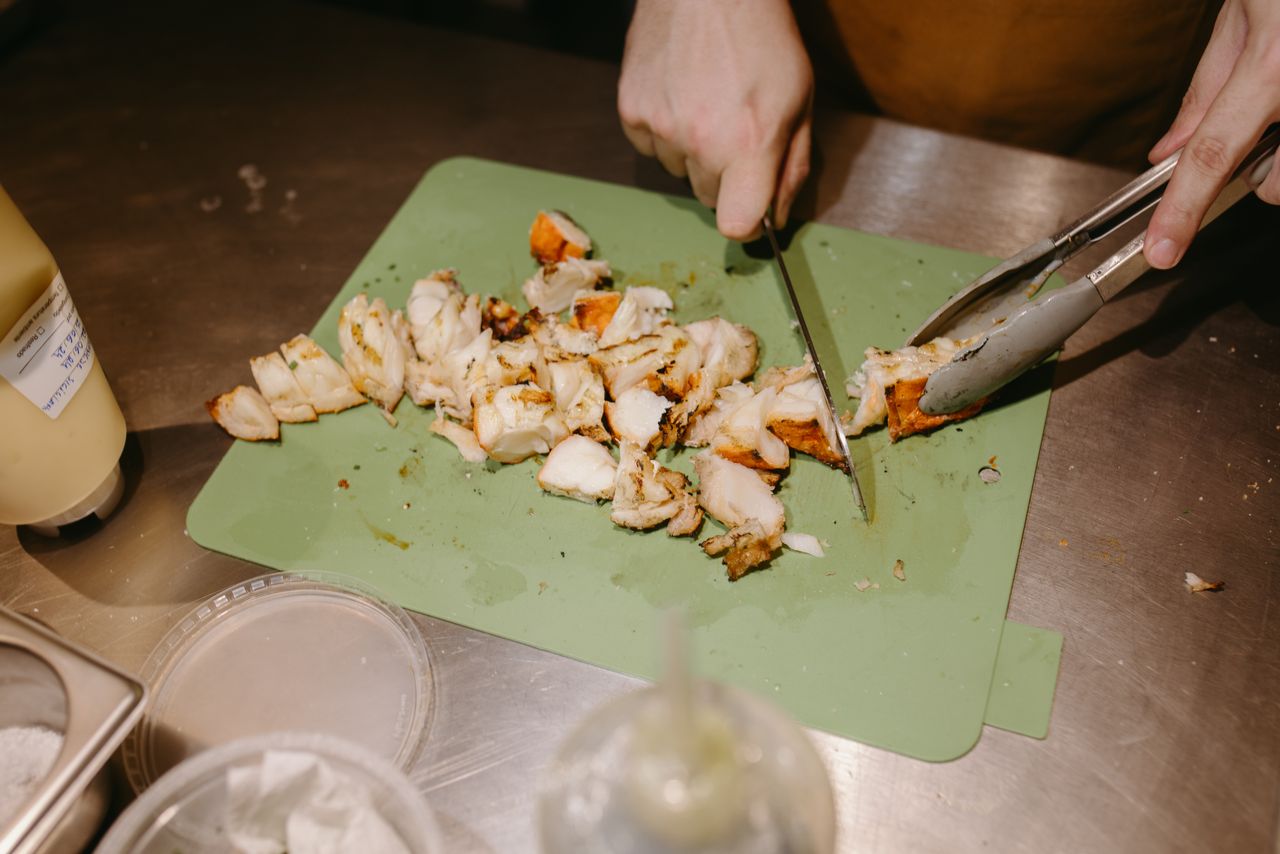
Flaky fish: Salmon, tilapia, and cod are tender, flaky, and packed with healthy fats that support tissue healing.
Snacks and Desserts
-
Applesauce: A great way to enjoy fruit flavors without biting into a hard apple.
-
Pudding and gelatin: Cool treats that slip down easily and offer immediate comfort.
-
Avocado slices: Packed with healthy fats and extremely soft to bite into.
-
Ice cream or frozen yogurt: Cold treats temporarily numb sore mouth tissue and reduce mild swelling. Just avoid varieties with nuts, caramel, or crunchy mix-ins.
Safe Foods to Eat Throughout Your Entire Treatment
Once the initial soreness wears off after week 1, you can expand your diet significantly. You do not need to restrict yourself to liquids for months on end. Here is a master list of safe options across all major food categories:
| Food Category | Safe & Comfortable Choices | Preparation Tips |
| Grains & Carbs | Soft rice, couscous, quinoa, tender pasta, soft pancakes, soft bread without crust | Steam rice until fluffy; cut bread into bite-sized pieces rather than biting directly. |
| Proteins | Shredded chicken, pulled pork, ground beef, eggs, tofu, fish, soft meatballs | Slow cook meats until tender; cut everything into tiny bites. |
| Dairy | Soft cheeses (brie, mozzarella, cottage cheese), milk, yogurt, ice cream | Great source of calcium; cold dairy helps ease localized soreness. |
| Vegetables | Steamed carrots, boiled broccoli, squash, spinach, mashed cauliflower | Cook all vegetables until fork-tender; avoid raw vegetables. |
| Fruits | Bananas, berries, watermelon, canned peaches, ripe pears, applesauce | Slice larger fruits thinly; never bite directly into hard fruit. |
Foods You Must Avoid with Braces
Some foods present a direct hazard to your brackets, wires, and enamel. Eating these items increases your risk of emergency orthodontic visits and extended treatment time.
| Category | Foods to Avoid | Why They Are Dangerous |
| Hard Foods | Whole apples, raw carrots, nuts, seeds, hard pretzels, ice cubes, thick pizza crusts | Biting down on hard items puts extreme pressure on individual brackets, instantly snapping the dental glue. |
| Sticky Foods | Chewing gum, caramel, taffy, toffee, gummy bears, licorice, dried fruits | Sticky treats pull on archwires and brackets, wedging into tiny spaces that are nearly impossible to clean. |
| Sugary & Acidic Drinks | Sodas, sports drinks, sweetened juices, energy drinks | High-sugar and acidic beverages fuel bacteria around hardware, leaving permanent white spots on enamel. |
Step-by-Step Guide: How to Eat Comfortably with Braces
Changing what you eat is only half the battle. Learning how to eat is just as essential for staying comfortable and preventing damage.
The Colgate Oral Care Center highlights that you rarely have to give up your favorite foods entirely; you often just need to adapt how you prepare and chew them. Follow these simple steps at every meal:
Step 1: Cut Food into Small, Bite-Sized Pieces
Never bite directly into food using your front teeth. Biting into a burger, sandwich, or fruit exerts pulling force on front brackets. Use a knife and fork to slice food into small pieces before placing them directly onto your back molars.
Step 2: Chew Slowly Using Your Back Teeth
Your molars are built for grinding and crushing. Rely on your back teeth to do all the heavy chewing work. Slow down your chewing pace so you do not accidentally bite a hard piece of food or catch your inner cheek.
Step 3: Keep Soft Foods Warm or Cool, Not Hot
Extreme temperature shifts can hurt sensitive teeth. Warm soups and cool smoothies feel great, but burning-hot meals can trigger nerve sensitivity in adjusting teeth.
Step 4: Drink Water Between Every Few Bites
Keep a glass of water beside your plate. Taking small sips while eating helps wash away stray food particles stuck in your brackets before they can cause discomfort or embarrassment.
Step 5: Clean Your Teeth Shortly After Eating
Food debris left in your braces causes irritation and bad breath. Gently clean your teeth and rinse your mouth thoroughly after eating meals.
If you recently had a professional dental cleaning, you might wonder how long can i eat after teeth cleaning. Generally, you can eat soft foods right away once topical numbness wears off, provided you follow soft-diet rules for your braces.
Real-Life Example: A Day of Delicious Meals with Braces
Adapting to life with braces does not mean eating bland, boring food. Here is a full one-day meal plan showing how easy and delicious a braces-friendly diet can be:
| Meal Time | Food Menu | Braces-Safe Preparation |
| Breakfast | Scrambled eggs, ripe avocado, berry-banana smoothie | Cook eggs soft with melted cheese; blend smoothie thoroughly with Greek yogurt. |
| Lunch | Chicken noodle soup, soft dinner roll | Ensure veggies and shredded chicken are tender; remove hard outer bread crusts. |
| Snack | Plain or vanilla Greek yogurt | Top with applesauce and a light drizzle of honey for easy calories. |
| Dinner | Baked salmon, sweet potato mash, steamed zucchini | Bake fish until flaky; mash potatoes smooth; steam zucchini until fork-tender. |
| Dessert | Chocolate pudding or vanilla ice cream | Enjoy cool, smooth treats that soothe sensitive gums. Avoid nuts or crunchy toppings. |
Common Mistakes to Avoid When Eating with Braces
Even cautious patients fall into bad habits that lead to broken brackets or dental pain. Watch out for these common missteps:
-
Biting into food with front teeth: Biting whole apples, corn on the cob, or thick sandwiches directly with your front teeth is the number 1 cause of loose brackets. Always cut food up first.
-
Chewing on non-food items: Chewing on pen caps, fingernails, or ice cubes applies sudden lateral force that easily snaps metal brackets.
-
Skipping meals due to soreness: Avoiding food entirely when your mouth hurts leads to low energy, irritability, and slower body recovery. Stick to nutritious liquids and purees instead of skipping food.
-
Ignoring trapped food: Leaving food stuck in your wires for hours irritates your gums and breeds bacteria. Carry a small travel brush or interdental pick wherever you go.
-
Rushing through meals: Eating quickly makes you more likely to accidentally bite down hard on a bracket or nip the inside of your cheek. Take your time.
Advanced Strategies for Pain Relief and Easy Eating
When discomfort peaks after an adjustment appointment, basic soft foods might still feel challenging. These advanced techniques help you manage pain so you can eat comfortably:
Use Orthodontic Wax Proactively
If a bracket or wire end rubs against your cheek, it creates sore spots that make chewing painful. Roll a small piece of orthodontic wax into a ball and press it over the sharp area before eating. This creates a smooth barrier so your cheeks do not suffer during meals.
Cool Your Mouth Before Meals
Drink a glass of ice-cold water or suck on a small ice chip five minutes before sitting down to eat. The cold temperature acts as a natural local anesthetic, numbing your gums and reducing soreness so you can chew more comfortably.
Try Anti-Inflammatory Comfort Solutions
Over-the-counter pain relievers can reduce tissue swelling during the first 24 to 48 hours after getting braces tightened. Take them as directed by your doctor or dentist shortly before mealtime.
Prioritize Oral Hygiene Before Care Treatments
Maintaining clean teeth helps lower inflammation around your gumline, reducing overall mouth tenderness. If you use whitening products or special rinses, make sure you know proper timing and habits.
For example, many people wonder, should i brush my teeth before using whitening strips? Brushing gently before whitening treatments removes surface plaque so products work evenly, though you should wait if your gums feel sensitive from recent braces adjustments.
What to Do If a Bracket Breaks While Eating
Even when you are careful, accidents happen. If you feel a bracket pop loose while eating, remain calm and follow these steps:
-
Examine your mouth: Look in a mirror to see if the bracket is still attached to the wire or if it came off completely.
-
Do not pull or twist the wire: If the bracket is floating on the wire, gently slide it into a comfortable position using a cotton swab.
-
Apply orthodontic wax: Cover any exposed sharp wire ends with a small ball of wax to shield your cheeks and gums from scratches.
-
Save any loose pieces: If the bracket detached fully, save it in a small container and bring it to your next appointment.
-
Call your orthodontist: Contact your orthodontic office to explain what happened. They will schedule a quick repair appointment to secure your bracket and keep your treatment on track.
When to Contact Your Orthodontist
Mild soreness and light pressure are normal parts of orthodontic treatment. However, certain situations require prompt professional attention:
-
Severe pain that lasts more than 5 days: Pain that does not improve after several days or fails to respond to over-the-counter pain medicine needs evaluation.
-
Loose or broken hardware: A loose bracket, broken wire, or slipping band needs repair to ensure your teeth keep moving correctly.
-
Sharp wire poking your cheeks: If orthodontic wax cannot stop a loose wire from poking into your cheek tissue, visit your provider to have the wire safely trimmed.
-
Bleeding or heavily swollen gums: Persistent gum bleeding or swelling indicates trapped food debris or localized inflammation that requires professional cleaning.
If you are unsure whether your pain level is normal, do not hesitate to contact your orthodontic clinic. Their care team can provide customized guidance, adjust loose wires, or offer specialized recommendations to keep you comfortable.
The Future of Orthodontics: Easier Eating and Better Comfort
Orthodontic technology continues to improve every year, making the journey to a straight smile smoother and far more comfortable than it was a decade ago:
-
Shape-memory archwires: Modern wires are activated by body heat, applying continuous gentle force rather than sharp pressure spikes. This significantly reduces overall post-adjustment soreness.
-
3D-printed custom brackets: Custom-designed brackets fit the exact contours of your teeth, reducing bulky profiles that rub against cheeks and lips.
-
Smooth clear aligners: Alternative treatment options like clear aligners allow patients to remove their trays entirely during meals, eliminating all dietary food restrictions.
Reclaiming Joy in Meals with Braces
Adapting to life with braces takes patience, practice, and a little preparation. While the initial soreness and food restrictions can feel frustrating, remember that these challenges are temporary. In just a short time, eating with braces will feel natural, and your mouth will adjust to the new routine.
Focus on soft, nourishing foods that make you feel good, take time to prepare your meals carefully, and keep your ultimate goal in mind. Every soft meal you eat and every bracket you protect brings you one step closer to a lifetime of confident, healthy smiles.
Frequently Asked Questions
Can I eat pizza with braces?
Yes, but you need to prepare it correctly. Choose soft, thin-crust pizza rather than thick or crispy crusts. Cut the pizza into small bite-sized pieces with a knife and fork, and avoid eating the hard outer crust.
How many days after getting braces will my teeth stop hurting?
Most patients experience soreness for 3 to 7 days after initial placement or major adjustments. After the first week, your mouth adapts and normal eating becomes much easier.
What happens if I accidentally eat something crunchy?
A single bite of crunchy food may not instantly break your braces, but it increases the risk of bending wires or popping brackets. If nothing breaks, rinse your mouth with water and stick to soft choices for the rest of your day.
Can I chew gum with braces?
It is best to avoid traditional chewing gum because it wraps around brackets and tugs on archwires. Some orthodontists permit sugar-free, non-sticky gums, but check with your specific provider first.
How do I get meat stuck out of my braces?
Avoid using metal tools or toothpicks, which can damage your brackets or hurt your gums. Use interdental picks, a water flosser, or waxed dental floss paired with a threader to slide meat particles out safely.
Why do my teeth feel loose when I chew?
It is completely normal for your teeth to feel slightly loose during treatment. Braces work by loosening the ligaments around your teeth so they can shift positions. They will firm up once treatment ends.