
 Harriet Wetton

A broken ankle often takes 12 to 16 weeks to heal when surgery is not needed. If you need surgery, recovery can take much longer. For some people, it takes up to 2 years to feel fully normal again.
That is a big range, and it is okay to feel unsure about it. This guide will walk you through everything step by step. You will learn what is happening inside your ankle, what slows healing down, and what you can do to help your body along. We will keep the words simple and the advice practical.
Please stay until the end. In the middle of this guide, there is a common habit that many people get wrong, and it can add weeks to recovery. Also, this guide shares general information.
It cannot replace the advice of your own doctor, who has seen your X rays and knows your case.
What Is a Broken Ankle and Why Does Healing Time Matter?
A broken ankle is a crack or break in 1 or more of the bones that make up your ankle joint. Doctors call it an ankle fracture. The 2 names mean the same thing.
Your ankle joint is built from 3 bones. The tibia is your shinbone, the big bone in your lower leg. The fibula is the thinner bone beside it. The talus is a small bone that links your leg to your foot. The ends of the tibia and fibula sit on top of the talus, and together they form the ankle.
What types of broken ankles are there?
Not every broken ankle looks the same. Here are the main types in plain words:
- Outer ankle break (lateral malleolus fracture): the bony bump on the outside of your ankle breaks. This is the most common type.
- Inner ankle break (medial malleolus fracture): the bump on the inside breaks.
- Both bumps break (bimalleolar fracture): the second most common type.
- All 3 areas break (trimalleolar fracture): a more serious injury that often needs surgery.
- Roof of the ankle break (pilon fracture): the end of the shinbone breaks.
Some fractures are tiny cracks. Others move the bones out of place. That difference matters a lot, because bones that have moved usually need surgery to line them up again.
How do you know if it is a broken ankle or a bad sprain?
Honestly, you often cannot tell by feel alone. Sudden, strong pain, swelling, bruising, pain when you touch the area, and trouble putting weight on your foot are common signs.
But a sprain can feel almost the same. If you are stuck wondering if it is a broken ankle or a bad sprain, get it checked. A doctor can use an X ray, and sometimes a CT scan or MRI, to see what is really going on.
Here is something that surprises many people. A small fracture may still let you walk a little. So walking does not prove your ankle is fine.
Why does healing time matter so much?
Because a broken ankle is not just about the bone. It is about your whole routine. Driving, working, caring for your family, even taking a shower can change for a while.
Knowing the likely timeline helps you plan. It lets you ask your boss for the right amount of leave. It helps you set small goals instead of feeling lost. And it keeps you from rushing back too soon, which is one of the most common reasons people end up with a second injury.
A bone that heals properly gives you a strong ankle for years. A bone that is rushed can leave you with stiffness, pain and a joint that never feels quite right.
How Long Does a Broken Ankle Take to Heal?
Quick answer: A broken ankle that does not need surgery often heals in 12 to 16 weeks. If surgery is needed for more than 1 ankle bone, it can take up to 2 years to feel fully back to normal.
Overall, full recovery can take anywhere from several weeks to a year or more, depending on your injury.
These numbers come from the Cleveland Clinic guide to ankle fractures, which is medically reviewed. Here is how the timeline often looks:
|
Situation |
Typical recovery time | What treatment often involves |
|---|---|---|
| Fracture with no surgery (for example a stress fracture, or bones that stayed in place) | 12 to 16 weeks | Brace, cast or walking boot |
| Surgery to repair 1 bone | Often several months, your surgeon will guide you | Screws or a plate, then rehab |
| Surgery to repair more than 1 bone | Up to 2 years to feel fully normal | Pins, wires, screws or plates, then longer rehab |
| All ankle fractures together | Several weeks to 1 year or more | Depends on the factors below |
Healed bone and normal ankle are not the same thing
This part confuses a lot of people, and it causes a lot of frustration. Your bone may knit together well before your ankle feels normal. After weeks in a cast or boot, your muscles get weak, your joint gets stiff, and your balance gets rusty.
So even when the X ray looks good, you may still limp, swell up at the end of the day, or feel nervous about stepping the wrong way.
That is not failure. That is the normal second half of recovery.
What changes how long your ankle takes to heal?
No 2 people heal at exactly the same speed. These things can change your timeline:
- The type of fracture. A small crack heals faster than a break with several bones involved.
- Whether the bones moved. Bones that shifted out of place usually need surgery, and surgery means a longer road.
- Your age. Children often heal faster than adults. Older adults may heal more slowly.
- Your general health. Conditions like diabetes can slow healing. Ask your doctor how your health affects your plan.
- Smoking. Smoking is known to slow bone healing.
- Your food and sleep. Your body needs fuel to rebuild bone.
- How closely you follow your plan. Using crutches, wearing your boot and attending check ups all matter.
The best thing you can do is ask your doctor or surgeon what to expect for your own injury. They know your X rays, and their answer will be more useful than any general number you read online.
How Does a Broken Ankle Heal, Step by Step?
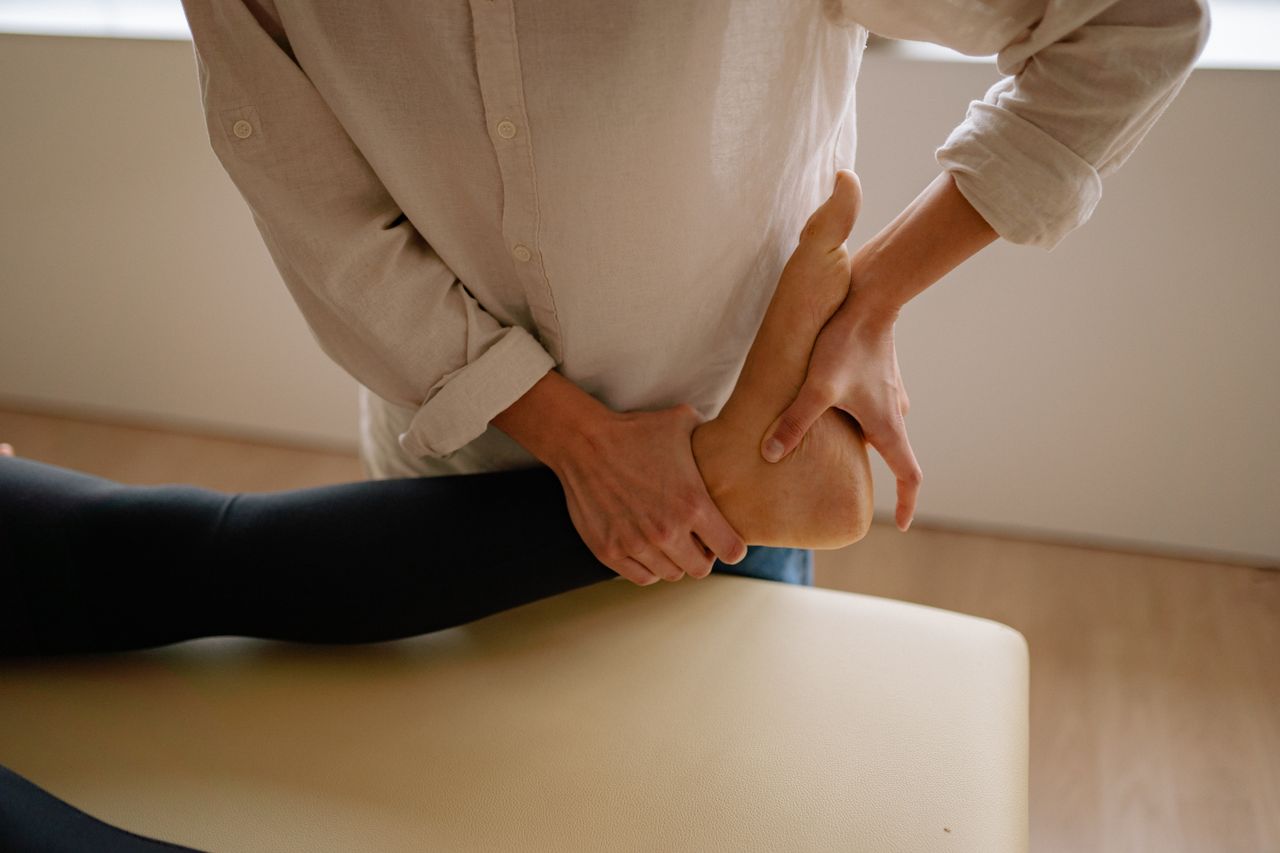
Your body is quietly very good at fixing bones. It follows a pattern. The exact timing is different for everyone, so think of the stages below as a map, not a promise.
Stage 1: The first days (protect and calm things down)
This is when you get a diagnosis. A doctor will check your ankle and usually order an X ray. Sometimes a CT scan or MRI is needed too. Then your ankle is protected with a splint, cast, brace or boot. If the bones have moved, a doctor may gently put them back in line, or you may be booked for surgery.
This stage is often the most painful and the most stressful. Swelling is high, and everything feels new. Be kind to yourself. Rest, follow your doctor’s instructions, and ask for help with daily tasks.
Stage 2: Weeks 1 to 6 (the bone starts to knit)
Inside your ankle, your body is building new bone to bridge the break. You usually need to keep weight off your foot during this time, using crutches or a walker. Pain often slowly drops. Swelling comes and goes, and it is often worse when your foot hangs down.
This is the stage where patience is hardest. You feel better, but the bone is still fragile.
Stage 3: Weeks 6 to 12 (moving toward weight again)
If your X rays show good healing, your doctor may allow you to start putting some weight on your foot. Some people move from a cast to a walking boot here. This is the time of learning to walk again. Your first steps may feel strange. Your leg may look thinner, and your ankle may feel stiff. That is very normal after weeks without use.
If you had surgery, your ankle surgery recovery plan may follow a different schedule. Your surgeon sets those dates, so follow them closely.
Stage 4: Weeks 12 to 16 (getting strength back)
When no surgery was needed, many people reach the end of the main bone healing window around this time. Now the work shifts from protecting the ankle to training it. A physical therapist may teach you gentle ankle exercises to bring back movement, strength and balance.
Stage 5: Months 4 to 12 and beyond (the long finish)
Full strength, normal walking and a return to sports can take months. Swelling may show up after long days on your feet. If you had a complex break or surgery on more than 1 bone, this stage can stretch up to 2 years.
One warning from Cleveland Clinic is worth repeating: do not go back to walking or other activities until your healthcare provider says it is safe. Going too fast is a common way to injure the ankle again.
What Does Recovery Look Like in Real Life?
Numbers are useful, but stories make them real. Here is a typical example, put together from common recovery paths.
Maria is 34 and works in an office. One rainy morning she slips on the last 2 steps of her building and rolls her ankle. It hurts, but she can still hobble, so she assumes it is a sprain. She puts ice on it and goes to bed.
Two days later the swelling is worse and the bruise has spread. A doctor takes an X ray and tells her she has a broken outer ankle bone.
The good news is that the bones did not move out of place, so she does not need surgery. The not so good news is that she will wear a boot for 6 weeks and stay off her foot.
Maria is upset. She cries in the car. She is worried about her job, her rent and the family trip in 8 weeks. Friends tell her she will be fine in a month. That makes her feel worse, because it is not true for her.
At week 7, she feels good and tries to walk around the house without the boot. By evening, her ankle is swollen and throbbing. She calls her doctor, who tells her to go back to the boot and wait for her next X ray. It sets her back about 1 week.
At week 8, the X ray looks good and she begins walking with support. At week 10, she starts physical therapy. By week 14, she is back at work and walking normally in the house. Stairs still make her nervous. At month 6, she takes a gentle hike, and her ankle feels strong again.
What can we learn from Maria’s story?
- The timeline was longer than her friends said. Do not measure your recovery against other people’s stories.
- Feeling better is not the same as being healed. Her X ray, not her mood, told the truth.
- Rushing cost her time. One day of too much activity created a week of setback.
- Emotions are part of the injury. Fear, worry and frustration are normal. Talking to someone helps.
If you see yourself in Maria, you are not alone. Thousands of people walk this same road every year, and most of them come out the other side with a strong ankle.
What Mistakes Slow Down Broken Ankle Healing?
Most people do not mean to slow their recovery. They are tired, bored or hopeful. But a few common mistakes show up again and again. Knowing them early can save you weeks.
Mistake 1: Putting weight on the ankle too soon
This is the habit I mentioned at the start. When pain drops, it feels like the ankle is ready. But pain is a poor guide. Bone can still be weak even when it does not hurt.
Walking too early can move the bones, delay healing or even lead to another surgery in serious cases. Wait for your doctor to say yes.
Mistake 2: Assuming it is only a sprain
Waiting a few days to see if it gets better is very common. But a broken bone that is not treated can heal in the wrong position. If you cannot put weight on your ankle, or the swelling and bruising keep growing, get an X ray.
Mistake 3: Skipping follow up visits and rehab
The cast comes off, life gets busy, and the physical therapy appointments slip away. This is a big one. A stiff, weak ankle is often not a bone problem. It is a use problem. Rehab is where you rebuild movement and balance.
Mistake 4: Letting your cast or boot get wet, or poking inside it
A wet cast can irritate your skin. Putting a pen or hanger inside to scratch an itch can cause cuts and infection. Ask your care team how to keep it dry and how to ease itching safely.
Mistake 5: Ignoring food, sleep and smoking
Your body builds new bone from the nutrients you eat. Crash diets, skipped meals and heavy smoking can slow things down. You do not need a perfect diet. You just need enough good food and rest.
Mistake 6: Limping and letting the rest of your body suffer
When one leg does all the work, your hips, knees and back pay the price. Many people end up with a sore back from crutches or uneven walking. If that sounds like you, our guide on how to fix a lower back can help you ease that strain while your ankle heals.
Mistake 7: Comparing your recovery to someone else’s
Your neighbor healed in 8 weeks. Your cousin was playing football in 3 months. Good for them. But their break was not your break. Comparing only adds stress, and stress does not help bones heal.
Mistake 8: Keeping worries to yourself
Pain, fear and boredom can pile up quietly. If you feel low, anxious or stuck, say so. Talk to a friend, family member or your doctor. Healing is physical and emotional.
What Can You Do to Support Healing Like an Expert?
You cannot make a bone heal faster by force. But you can give your body the best conditions to do its job. These are the smart habits that go beyond the basics.
Feed your bones
Bone is living tissue. It needs building blocks. Calcium, vitamin D and protein are 3 of the most important ones. Foods that help bones heal include dairy foods, eggs, fish, beans, lentils, leafy greens and nuts. Sunlight helps your body make vitamin D too. Before you buy supplements, ask your doctor. More is not always better.
Stay smoke free if you can
Smoking is known to slow bone healing. If you smoke, even cutting back can help. If you are ready to quit, your doctor can point you to support. This is a good moment to start, because your body has a clear reason to heal.
Manage swelling with care
Swelling is the most common complaint, and it can last for months after a broken ankle. Raising your foot above the level of your heart when you rest can help. You may have heard of the RICE method for shoulder pain, which uses rest, ice, compression and elevation.
The same ideas can help with swelling, but with a broken ankle you must follow your own doctor’s advice first. Do not wrap a cast tightly, and ask before using ice near a cast or splint.
Plan for better sleep
Pain and a bulky boot can wreck your sleep. Sleeping with a broken ankle is easier when you rest your leg on 1 or 2 pillows and keep your foot free from heavy blankets. A regular bedtime also helps your body repair itself.
Do your rehab exercises like it is your job
When your doctor or physical therapist clears you, rehab becomes your most powerful tool. Short, regular sessions work better than 1 long session once a week.
Expect work on movement first, then strength, then balance. Do the exercises you are given, not the ones you see online, because every fracture is different.
Protect the rest of your body
Use your crutches or walker the way you were taught. Keep your path at home clear of rugs, cords and pets. Sit down for tasks like cooking. A fall while you are on crutches is a real risk, and nobody wants a second injury on top of the first.
Track your progress in small wins
Keep a simple note on your phone. Write down your pain level, swelling and anything new you can do. When you feel stuck, read it back. You will see more progress than you think.
Bring good questions to your appointments
Questions help you feel in control. Try these:
- When can I start putting weight on my foot?
- When will I need another X ray?
- What exercises should I start with?
- What signs mean I should call you right away?
- When can I return to work, driving and sports?
What Else Should You Know While Your Ankle Heals?
A broken ankle touches almost every part of daily life. Here are the topics people ask about most. Each one deserves its own deeper guide, but this quick tour will point you in the right direction.
Can you drive with a broken ankle?
This depends on which foot is injured, what kind of car you drive and what treatment you had. Many people ask when you can drive again, and the honest answer is that your doctor must clear you. You need to be able to brake hard in an emergency.
A boot or cast on your right foot usually makes driving unsafe. Also check your insurance rules and your local laws.
How do you handle daily life in a cast or boot?
Showering, dressing and moving around look very different for a while. Caring for a cast means keeping it dry, never pushing objects inside it, and watching your toes for color changes or numbness.
A cast cover or a plastic bag sealed at the top can help in the shower, but ask your care team for the safest method. A shower chair can also reduce slipping.
What happens to your skin and foot after the cast comes off?
When the cast or boot comes off, your skin may be dry, flaky and pale. Your foot may feel strange and tender. Wash it gently and moisturize it.
This is also the time to look for any new skin problems on your foot. If you notice a small rough lump on the sole, it could be a wart, and our guide on how to get rid of a verruca rapidly explains your options. If it looks different from a wart, or it hurts a lot, show it to your doctor.
How do you rebuild strength and balance?
After weeks of rest, your calf muscle shrinks and your balance weakens. Simple balance work and gentle ankle exercises can slowly bring both back.
Start only when your doctor or physical therapist approves, and build up slowly. Sudden hard workouts are a fast way to get hurt again.
What about swelling, stiffness and pain that stay for a long time?
Many people are surprised when their ankle still swells or feels stiff months later. This often improves with time, movement and care, but it can last longer than you expect. If it gets worse, or you have sudden new pain, call your doctor.
What if surgery is part of your plan?
Surgery can feel scary. It helps to know that surgeons use pins, wires, screws and sometimes plates to hold bones in the right place while they heal.
Your ankle surgery recovery will often include a period of no weight, a boot, and then rehab. We will cover this in more detail in our deeper guides.
Think of this guide as your main road map. These smaller topics are the side streets, and you may need each one at a different point in your journey.
When Should You Get Expert Help?
It is easy to feel like you are bothering your doctor. You are not. Every ankle fracture needs a proper diagnosis and treatment, even the small ones, so that it can heal in the right position.
Contact your healthcare provider or go to the emergency room if you have any of these:
- Pain that you cannot manage
- Numbness or tingling in your foot or toes
- Swelling that keeps getting worse
- No ability to put weight on your ankle
- Signs of infection, such as fever, chills, redness, or a surgery site that is draining
If your foot turns very pale or blue, or the pain is sudden and severe, do not wait. Go to the nearest emergency service.
Beyond your doctor, a few other people can make recovery smoother. An orthopedic specialist looks after bones and joints and can guide treatment.
A physical therapist helps you rebuild strength, movement and balance. A dietitian can help if you are struggling to eat well. And if the emotional side feels heavy, a counselor or a trusted friend can be a real support.
Guides like this one can help you understand what is happening and what questions to ask. They cannot examine your ankle or read your X ray. When in doubt, a quick call to your care team is always a good idea.
How Is Broken Ankle Care Changing?
Fracture care keeps improving, and some of these changes may make your own recovery easier in the years ahead.
- Lighter and more comfortable support. Many clinics already offer lighter casts, waterproof options and adjustable boots, and more designs are being tested.
- Custom made braces. Some centers are exploring 3D printed braces and casts that fit one person’s leg shape more closely.
- Better imaging. Scans keep getting clearer, which helps doctors plan surgery and judge healing with more detail.
- Online physical therapy. Video visits and app based exercise plans make rehab easier if you live far from a clinic.
- Wearable trackers. Simple sensors and step counters are being used to see how much weight a person puts on a healing foot and how well they walk.
These tools are still growing, and not every clinic offers them. The basics will not change. Bones need time, protection and careful rehab. Ask your care team what is available near you.
Final Thoughts: You Will Get Through This
A broken ankle can feel like your life has been paused. The pain, the waiting and the uncertainty are real, and it is okay to feel frustrated. But your body is already working to repair itself, even on the days when it does not feel like it.
Let us bring it all together. Without surgery, a broken ankle often heals in 12 to 16 weeks. With surgery on more than 1 bone, full recovery can take up to 2 years. Bones heal first, and strength and confidence follow.
The best things you can do are simple: protect your ankle, wait for your doctor’s green light before putting weight on it, feed your body well, and do your rehab.
Your next step is small. Write down the 5 questions from this guide, and bring them to your next appointment. Ask your doctor what your own timeline looks like. Then pick 1 small goal for this week, such as an extra pillow for better sleep or a daily 5 minute exercise your therapist approved.
Heal slowly, and you will heal well.
Frequently Asked Questions
How long does a broken ankle take to heal without surgery?
Often 12 to 16 weeks. Your doctor will check your X rays to confirm when the bone has healed enough for more activity.
How long does recovery take after ankle surgery?
It depends on the break. If more than 1 ankle bone needed repair, it can take up to 2 years to feel fully normal. Your surgeon can give you a timeline for your own case.
Can you walk on a broken ankle?
A minor break may still let you walk, which is why some people do not know it is broken. But walking on it can make things worse. Get it checked, and do not return to walking or sports until your doctor says it is safe.
How can I tell if my ankle is broken or sprained?
You usually cannot tell by feel alone. Strong pain, swelling, bruising and trouble putting weight on the foot can happen with both. An X ray gives the answer.
Can I speed up broken ankle healing?
You cannot rush bone, but you can support it. Follow your treatment plan, eat enough protein, calcium and vitamin D, avoid smoking, sleep well and do your rehab exercises.
Why is my ankle still swollen months after the break?
Swelling can last a long time, especially at the end of the day. It often improves slowly as strength returns. If it gets worse or comes with new pain, redness or fever, call your doctor.
When can I get back to sports?
That depends on your injury and your recovery. Many people need several months, and some need longer. Your doctor or physical therapist should clear you first, because going back too early can cause another injury.