 Harriet Wetton
You touch a tooth with your tongue and it moves. Just a little. Your stomach drops.
Maybe you noticed it while brushing. Maybe you bit into an apple and felt it shift. Maybe you have been checking it every 10 minutes since this morning, hoping it was your imagination. It was not, and now you are here, searching for answers.
First, take a slow breath. A loose tooth is scary, but it is not always the end of the story. Many loose teeth can be saved when the cause is found early. The key is knowing what is going on and what to do next.
This guide will walk you through all of it. You will learn why teeth get loose, what you can do at home today, what a dentist can do to fix the problem, and which mistakes make things worse. We will also talk about kids, because a loose baby tooth is a very different thing from a loose adult tooth.
Here is a promise before we start. I will keep everything simple. No confusing dental words. No scare tactics. Just clear steps you can follow, even if you are feeling worried right now.
And here is something honest that most articles skip. You cannot truly “fix” a loose adult tooth with a home trick. What you can do is protect it, calm things down, and find the real cause. That is what actually brings a tooth back to firm and steady. Let’s get into it.
What Is a Loose Tooth?
A loose tooth is a tooth that moves more than it should when you touch it, chew, or push it gently with your finger or tongue.
A healthy tooth feels solid. It does have a tiny bit of natural give, which you cannot feel. That is because the tooth is held in place by the bone in your jaw, plus soft fibers that act like small cushions. When something damages the bone, the gums, or those fibers, the tooth loses its grip. That is when you feel it wiggle.
Think of a fence post in the ground. If the soil around it washes away, the post starts to lean and shake. Your tooth works in a similar way. The tooth itself may be fine. The support around it is what has gone weak.
Why Do Teeth Become Loose?
There are many reasons. Some are slow and quiet. Some happen in a second. Here are the most common ones.
Gum disease. This is the number 1 cause of loose teeth in adults. Gum disease starts when sticky plaque stays on your teeth and gums. Over time, it causes swelling and infection. In the later stage, it eats away at the bone that holds your teeth. Many people have no pain at all while this happens, which is why it surprises them.
An injury. A fall, a sports hit, a car accident, or even biting down on something very hard can shake a tooth loose. Sometimes the tooth is only bruised and tightens up again on its own. Sometimes the root or bone is damaged.
Teeth grinding or clenching. Many people grind their teeth at night and never know it. The constant pressure can strain the tooth and its support. Over months or years, a tooth may start to feel loose.
Infection. A deep infection near the root, called an abscess, can damage the bone around the tooth and make it feel loose and sore.
Hormone changes. Pregnancy can make gums swollen and more sensitive. Some pregnant women notice their teeth feel a little loose. This often settles after the baby arrives, but it is still worth a dental visit.
Bone weakness. Health problems that weaken bones can also affect the jaw. If you have a condition like this, your dentist and doctor can work together.
Past dental work or crooked bite. A filling or crown that is too high can put extra force on one tooth. Over time that tooth can loosen.
Normal baby teeth falling out. In children, a loose tooth is usually a good sign. It means a grown up tooth is getting ready to come in.
Why Does a Loose Tooth Matter So Much?
Because it is often a warning sign, not the main problem.
When an adult tooth is loose, it is your body saying, “Something is wrong under here.” If you ignore that message, the cause keeps growing. Gum disease keeps spreading. An infection keeps pushing. A bite problem keeps hammering the same tooth.
Waiting also costs you options. A tooth that is slightly loose can often be saved with simple care. A tooth that is very loose may need to come out. That means more time, more money, and more stress.
There is an emotional side too. A loose tooth can make you afraid to eat your favorite foods. You may smile less. You may worry about bad breath or how you look. Some people feel embarrassed and delay seeing anyone. If that is you, please know this: dentists see loose teeth every single day. Nobody there will judge you.
The Cleveland Clinic explains that a loose adult tooth is not normal and needs attention, because it points to a problem in the gums, bone, or tooth. You can read their full overview on loose teeth in adults at Cleveland Clinic.
Is a Loose Tooth Normal?
For kids between about 6 and 12 years old, yes. For adults, no.
Children have 20 baby teeth. They start to loosen around age 6 and fall out in a steady order over the next few years. This is a normal part of growing up.
Adults have 32 teeth if all wisdom teeth are present. These are meant to last a lifetime. An adult tooth should never wiggle. If it does, it is time to take action.
One exception is a tooth that has just been hit. A mild loosening right after a bump can sometimes settle down as the tooth heals. But even then, you should have a dentist check it.
How to Fix a Loose Tooth Step by Step

Let’s be clear about what this section covers. These steps help you protect a loose adult tooth and give it the best chance to tighten up while you wait for your dentist. They do not replace a dental visit. Think of them as first aid.
Step 1: Stop Wiggling It
This is hard. We all do it. But pushing the tooth with your tongue or finger keeps stretching the tiny fibers that are trying to heal. Every wiggle sets the process back.
Try to leave it alone completely. If you catch yourself playing with it, gently rest your tongue behind your lower front teeth instead.
Step 2: Switch to Soft Foods
Give the tooth a break from heavy chewing. For the next few days, choose foods like:
- Yogurt
- Mashed potatoes
- Soup that is warm, not hot
- Scrambled eggs
- Oatmeal
- Bananas
- Cooked rice and soft vegetables
Cut your food into small pieces. Chew on the opposite side of your mouth. Avoid hard, crunchy, or sticky foods like nuts, raw carrots, chips, caramel, and tough meat.
Step 3: Brush Gently but Do Not Skip It
Many people stop brushing near a loose tooth because they are afraid. That is a mistake. Plaque left there can make gum disease worse.
Use a soft toothbrush. Use light pressure and small circles. Brush slowly around the loose tooth, along the gumline. Do not scrub hard. Floss carefully, sliding the floss down the side of the tooth without snapping it.
Step 4: Rinse With Warm Salt Water
Mix 1/2 teaspoon of salt in 1 cup of warm water. Swish gently for 30 seconds, then spit. You can do this 2 to 3 times a day.
Salt water is calming for sore gums and helps keep the area clean. It will not make a loose tooth firm again, but it supports healing.
Step 5: Manage Pain the Safe Way
If your tooth or gums hurt, an over the counter pain reliever can help. Always follow the instructions on the label. If you have health conditions or take other medicine, ask a pharmacist or doctor first.
A cold compress on the outside of your cheek for 10 to 15 minutes can reduce swelling after an injury.
Step 6: Protect It at Night
If you think you grind your teeth, tell your dentist. In the meantime, try to relax your jaw before bed. Keep your teeth slightly apart and your lips closed. A dentist can make a custom night guard that protects your teeth from the pressure.
Step 7: Book a Dentist Visit
This is the most important step. Try to call within 1 or 2 days. If the tooth is very loose, painful, bleeding, or you have a fever or swollen face, call right away or seek urgent care.
The dentist will find out why the tooth is loose. That answer decides the real fix.
A Real Life Example: Maria and the Tooth She Ignored
Let me share a story that is very common. Maria is 42, a busy mom of 3. One morning she noticed that her lower front tooth moved a little. It did not hurt. She told herself it was nothing and got on with her day.
For the next 4 months she kept putting off the dentist. Work was busy. The kids had school events. The tooth kept feeling a bit looser. Her gums sometimes bled when she brushed, but she thought she was just brushing too hard.
By the time she finally went in, the dentist found gum disease that had spread below the gums. Because she waited, the tooth needed more treatment than it would have at the start. The good news is that with a deep cleaning, better home care, and regular follow up visits, the tooth was saved.
Maria told her dentist later, “I wish I had come when I first felt it.” That is the lesson. Early action almost always means easier treatment.
Now think about a different story. A 9 year old boy named Ali has a wobbly front tooth. He cannot stop twisting it. His mom worries. But Ali is the right age, the tooth is small, and the new tooth is already peeking in behind it. This is a normal tooth loss. A bit of patience is all that is needed.
Same symptom. Very different situation. Age and cause matter.
What Mistakes Should You Avoid With a Loose Tooth?
Fear and confusion can lead to choices that make things worse. Here are the most common mistakes.
Pulling the tooth yourself. Never pull a loose adult tooth. You can break the root, cause heavy bleeding, and push an infection deeper. Even for a child, only a very wobbly baby tooth that is hanging by a thread should be removed at home, and only with clean hands and gentle pressure.
Waiting and hoping it will tighten. Some mild injuries do settle. But a tooth that is loose for no clear reason will not fix itself.
Skipping brushing. Dirty gums make things worse, not better.
Chewing hard food on that side. Biting down puts force on a weak tooth.
Using strong chemicals or home glue. Do not use super glue, crushed pills on the gum, or harsh mouthwashes. These can burn tissue and hide the real problem.
Believing a clove oil or herbal trick can tighten it. Some home remedies may soothe pain for a short time. None of them rebuild bone or tighten a loose tooth.
Being too embarrassed to ask for help. This one is the most common and the most costly. Dentists want to help you keep your natural teeth.
What Can a Dentist Do to Fix a Loose Tooth?
This is where the real fixing happens. The treatment depends on the cause. A dentist will usually look at your gums, check how much the tooth moves, and take X rays to see the bone around the root.
Deep Cleaning for Gum Disease
If gum disease is the cause, you may need a deep cleaning, often called scaling and root planing. The dentist cleans plaque and hard buildup from below the gumline and smooths the root surfaces. This lets the gums heal and reattach more firmly. Many teeth tighten up noticeably after good gum treatment.
Splinting
A splint is a small support that joins a loose tooth to the healthy teeth beside it. It works like a cast on a broken arm. The splint holds the tooth still so the bone and fibers can heal. It may stay on for a few weeks or longer, depending on the case.
Bite Adjustment
If your bite is putting too much force on one tooth, the dentist can gently reshape the surface so the pressure spreads out evenly. It is a small change that can make a big difference.
Night Guard
For people who grind or clench, a custom guard is a simple and effective way to protect teeth while you sleep.
Treating an Infection
If an abscess or root problem is behind the looseness, you may need a root canal or other treatment to clean the infection. Antibiotics are sometimes used when needed.
Bone and Gum Procedures
In more advanced gum disease, a specialist may suggest surgery to clean deep pockets or rebuild lost bone and gum tissue. This sounds heavy, but it can save teeth that would otherwise be lost.
When Extraction Is the Best Choice
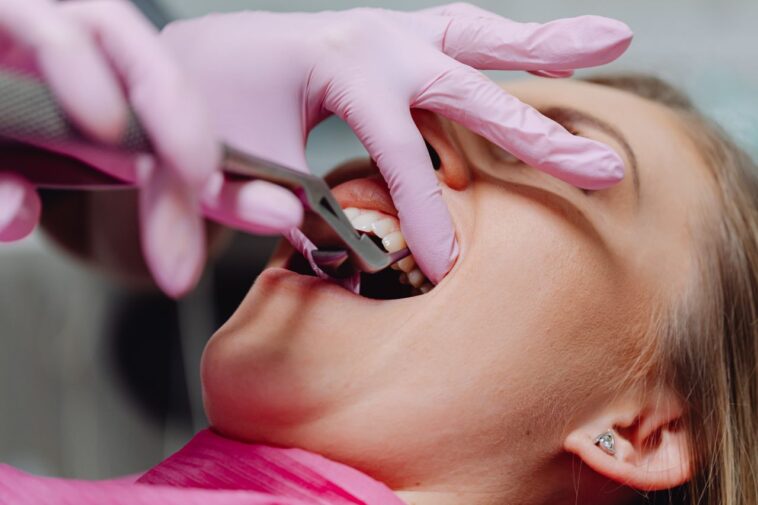
Sometimes a tooth cannot be saved. The bone support may be too far gone, or the tooth may be cracked below the gum.
In that case, removing it can protect your other teeth and your overall health. Then there are options to replace it, such as an implant, a bridge, or a partial denture.
If you are heading into a tooth removal, it helps to know what recovery looks like. For example, many people ask when they can sleep on their side after tooth extraction. Planning ahead makes the days after much easier.
Advanced Strategies to Keep Teeth Firm for Life
Once your dentist has treated the cause, the long game begins. These habits help protect your teeth for years.
Build a simple daily routine. Brush 2 times a day for 2 minutes with fluoride toothpaste. Clean between your teeth every day with floss or small interdental brushes. Most gum trouble starts in those tight spaces.
Keep your regular visits. Most adults do well with a check up and cleaning every 6 months. If you have had gum disease, your dentist may want to see you every 3 to 4 months. This is not a punishment. It simply keeps the disease from coming back.
Watch for early signs. Bleeding gums, bad breath that will not go away, gums that look puffy or red, and gums that pull back from the teeth are early warnings. Do not wait for a wiggle.
Quit or cut back on smoking. Smoking lowers blood flow to the gums and makes it harder to heal. It is one of the biggest risk factors for gum disease.
Control other health conditions. Diabetes, for example, makes gum infections more likely and harder to treat. Keeping blood sugar steady helps your mouth too.
Eat for strong teeth. Foods with calcium, vitamin D, and vitamin C support bones and gums. Limit sugary snacks and drinks, which feed the bacteria that cause trouble.
Protect your teeth during sports. If you play contact sports, wear a mouthguard. It is a small cost compared to losing a tooth.
Manage stress. Stress is a common reason people clench and grind. Gentle exercise, good sleep, and quiet time can ease it.
Related Things You Should Know About
A loose tooth does not stand alone. It connects to many other parts of dental health. Here are a few topics worth understanding as you take care of your mouth.
If your gums bleed or look swollen, learning the early signs of gum disease can help you act before teeth start to move. Many people also wonder about loose baby teeth in children and when a parent should step in or just wait.
Another common question is what to do after a tooth injury or knock to the mouth, because a quick response in the first hour can change the outcome. If your teeth ache in the morning, you may be dealing with teeth grinding at night and need to learn how a night guard works.
Some people want simple home care for sore gums, while others need to understand soft food ideas while a tooth heals. And for those facing bigger decisions, it helps to read about tooth replacement options such as implants and bridges.
Even wisdom teeth can play a part. A crowded or infected wisdom tooth can push on the teeth next to it and cause pain or movement. If you are not sure whether yours should come out, this guide on whether you have to remove your wisdom teeth can help you think it through.
When Should You Get Expert Help?
Short answer: any time an adult tooth feels loose, you should book a dental visit. Do not wait to see if it gets worse.
Call your dentist the same day, or go to urgent care, if you notice any of these:
- The tooth is very loose or can be moved easily
- A strong, constant toothache
- Swelling in your gums, cheek, or face
- Fever
- Pus or a bad taste in your mouth
- Bleeding that does not stop
- A tooth that was knocked loose in an accident
- Trouble swallowing or breathing (this is an emergency, so go to the nearest emergency room)
For children, see a dentist if a baby tooth becomes loose very early, before age 4 or 5, or if it is loose after a hard fall. Also check in if an adult tooth looks loose in a teen or child.
You do not need to feel sure that it is serious. Dentists would much rather see you early. A short visit can give you answers and peace of mind, and in many cases it saves the tooth.
If money or fear is holding you back, say so when you call. Many clinics offer payment plans, and a calm dentist can go slowly with you.
What Does the Future Hold for Treating Loose Teeth?
Dental care is moving in a helpful direction. Here are a few shifts worth knowing about.
Better early detection. Digital X rays and 3D scans let dentists see bone loss earlier and more clearly than before. That means problems can be spotted before you ever feel a wiggle.
Gentler gum treatments. Newer tools and methods, including lasers in some clinics, aim to make deep cleaning and gum care more comfortable.
Improved bone and tissue rebuilding. Research continues into ways to help the body regrow lost gum and bone support. Some of these methods are already used, and more are being studied.
More focus on prevention. Dentists now talk more about the link between gum health and the rest of the body. This is pushing more people to treat their gums as part of their overall health, not just their smile.
Do not wait for future breakthroughs, though. The best treatment today is still early care and good daily habits.
Final Thoughts: You Are Not Too Late
If you made it this far, you probably have a wobbly tooth and a worried heart. Please hear this: you did not do something terrible, and it is not too late to act.
Loose teeth happen to good, careful people. Life gets busy. Gums are quiet until they are not. What matters now is what you do next.
Here is your simple plan. Leave the tooth alone. Eat soft foods. Brush gently. Rinse with warm salt water. And book that dental visit this week. Not next month. This week.
Your tooth may tighten. Your gums may heal. Your smile can stay yours. Take that first step today, and give your future self something to be grateful for.
Frequently Asked Questions
Can a loose tooth tighten up again on its own?
Sometimes, yes. A tooth that was only bruised in a minor bump can firm up in a few weeks as the fibers heal. But if the tooth is loose because of gum disease, infection, or grinding, it will not tighten without treatment. Always get it checked.
How long does it take for a loose adult tooth to heal?
It depends on the cause. A mild injury may settle in 2 to 4 weeks. A tooth being treated for gum disease may take several weeks to months to firm up. Your dentist can tell you what to expect after the exam.
Is it safe to pull a loose tooth at home?
For an adult, no. Pulling an adult tooth at home can cause breakage, heavy bleeding, and infection. For a child, a baby tooth that is extremely wobbly and ready to fall out can be removed gently with clean hands or a clean tissue. If it resists, leave it and let it come out on its own.
What should I eat when I have a loose tooth?
Choose soft foods such as yogurt, eggs, soup, mashed potatoes, oatmeal, and bananas. Avoid hard, crunchy, and sticky foods. Chew on the other side of your mouth.
Can gum disease cause loose teeth even if it does not hurt?
Yes. Gum disease is often painless in its early and middle stages. Bleeding gums, bad breath, and gums that pull back are common clues. A tooth may start to wiggle before you feel any pain.
Will a loose tooth fall out?
Not always. If the cause is found and treated in time, many loose teeth can be saved. If the bone support is too damaged, the tooth may need to be removed. A dentist can tell you which situation you are in.
When should I worry about a loose baby tooth?
A loose baby tooth is normal for kids around 6 to 12 years old. Be concerned if a tooth gets loose very early, if it follows a hard fall, or if your child has pain, swelling, or fever. In those cases, see a dentist.