
 Harriet Wetton
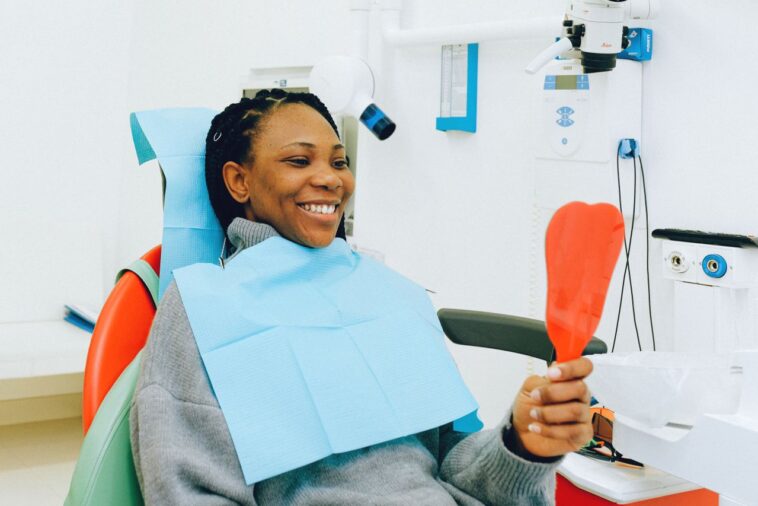
Leaving the dental office with smooth, glossy teeth feels incredible. You run your tongue over your gums and feel a clean surface free from plaque and tartar. Then, within 20 minutes, reality hits. Your stomach growls, or your mouth feels dry, and a simple question pops up: How long can I eat after teeth cleaning?
It seems like a straightforward question, but eating too soon or choosing the wrong foods can cause sudden sharp pain, irritate raw gums, or ruin the protective fluoride coating your hygienist just applied.
This comprehensive guide covers everything you need to know about post-cleaning care. Whether you had a routine six-month checkup, a deep cleaning, or a dental whitening touch-up, you will learn the exact waiting times, safe food choices, common mistakes, and long-term care routines to protect your smile.
The Foundational Rule: How Long Do You Really Need to Wait?
The quick answer depends on the exact type of cleaning you received and whether your treatment included a fluoride application or local anesthesia.
| Treatment Type | Waiting Time | Key Eating Guidelines |
| Standard Cleaning (No Fluoride) | 0–30 Minutes | You can eat soft, mild foods almost right away. |
| Fluoride Finish (Varnish/Gel/Foam) | 30 Minutes | Avoid hot foods and liquids for 4–6 hours so the coating binds. |
| Deep Cleaning (Numbing Used) | 2–4 Hours | Wait until full sensation returns so you do not bite your cheeks or tongue. |
1. Basic Cleaning Without Fluoride
If you had a standard preventative polish and scale without any fluoride application or numbing gels, you can eat immediately or within 30 minutes. Stick to soft, non-acidic foods that will not irritate slightly sensitive gums.
2. Standard Cleaning With Fluoride Treatment
If your hygienist applied a fluoride varnish, gel, or foam, you must wait at least 30 minutes before eating or drinking anything.
-
Why wait? Fluoride needs time to absorb into your enamel to rebuild mineral strength. Eating early wipes the liquid varnish off your teeth.
-
Temperature rule: Avoid hot liquids like coffee, tea, or soup for at least 4 to 6 hours after a fluoride varnish, as heat can melt the thin coating before it fully binds.
3. Deep Cleaning (Scaling and Root Planing)
If you received a deep cleaning under local anesthesia, you should wait 2 to 4 hours before chewing any solid food. According to patient care guidelines from the American Dental Association (ADA), waiting for local anesthesia to completely wear off before eating solid food is critical to prevent severe tissue injuries.
-
Why wait? Numbing agents leave your lips, cheeks, and tongue completely sensationless. Chewing while numb leads to severe accidental bites, cheek lacerations, and damaged tissue.
-
Liquid safety: You may sip room-temperature water while numb, but do not drink hot beverages or use a straw.
Why Your Teeth Feel Sensitive After a Cleaning
It is completely normal to feel mild discomfort or temperature sensitivity after visiting the dentist. Understanding why this happens makes post-care choices much easier.
Plaque and Tartar Removal
Tartar (calculus) builds up slowly around the gumline over time. It acts like a thick, blanket-like layer over your roots. When your hygienist scales this layer away, the underlying root surfaces are exposed to air, liquid, and temperature shifts for the first time in months.
Gum Tissue Inflammation
Scaling instruments work gently around delicate gum pockets to flush out trapped bacteria. This process often leaves the gumline slightly tender, swollen, or prone to light bleeding for 24 to 48 hours.
Temporary Enamel Micro-Pores
Polishing pastes lift stubborn surface stains caused by tea, coffee, and daily foods. This process temporarily uncovers micro-pores on your enamel, making your teeth extra porous and vulnerable to dark stains or cold shocks for the first day.
What to Eat and What to Avoid After Teeth Cleaning
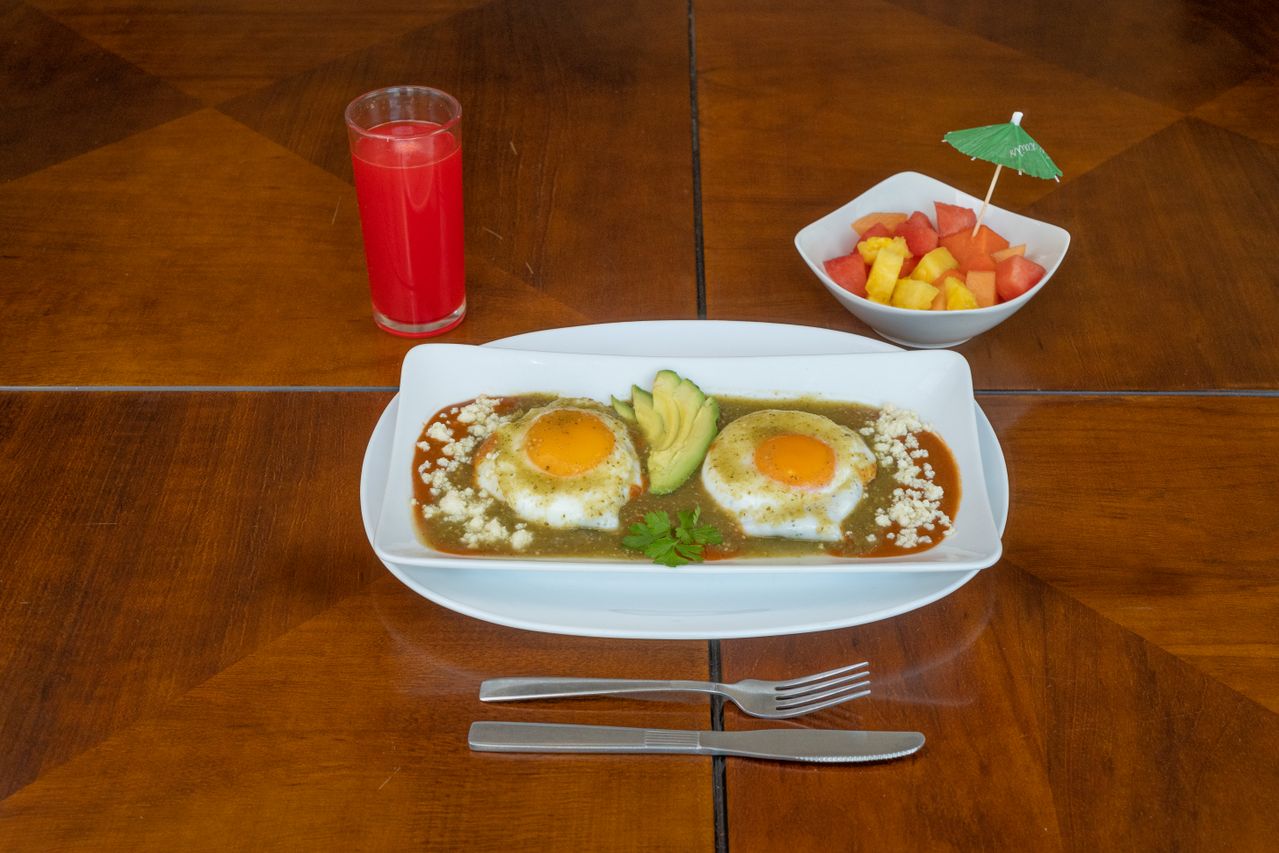
Making smart meal choices during the first 24 to 48 hours ensures quick recovery and prevents unnecessary pain.
| Safe Foods to Eat | Foods to Avoid |
| Bananas, avocados, and applesauce | Tortilla chips, nuts, and popcorn |
| Scrambled eggs and soft tofu | Citrus fruits, tomatoes, and vinegar |
| Warm (not hot) clear broths | Ice cream, iced water, and hot soup |
| Plain yogurt and smoothies (no straw) | Soy sauce, red wine, and coffee |
| Mashed potatoes and cooked oatmeal | Sticky candies, caramel, and gum |
Safe Foods for the First 24 Hours
-
Soft Fruits and Vegetables: Bananas, avocados, applesauce, steamed carrots, and mashed squash.
-
Gentle Proteins: Scrambled eggs, soft-boiled eggs, poached fish, and soft tofu.
-
Warm Grains: Oatmeal, porridge, well-cooked pasta, and soft rice.
-
Mild Dairy or Non-Dairy Alternatives: Plain yogurt, cottage cheese, and smooth milkshakes consumed with a spoon.
Foods to Avoid for 24 to 48 Hours
-
Crunchy and Hard Foods: Chips, popcorn, nuts, hard pretzels, and raw carrots. Small fragments can lodge beneath healing gum pockets.
-
Highly Acidic Foods: Lemons, oranges, grapefruits, tomatoes, pickles, and carbonated sodas. Acids burn sensitive gum tissue and aggravate exposed root dentin.
-
Extreme Temperatures: Very hot coffee or boiling soup, as well as ice-cold drinks, trigger sharp nerve pain in freshly scraped tooth roots.
-
Dark Staining Pigments: Red wine, dark berries, soy sauce, curry, and coffee. Porous post-cleaning enamel absorbs these colors quickly.
-
Spicy and Salty Foods: Hot sauces, chili peppers, and heavily salted snacks cause a stinging sensation on inflamed gumlines.
Step-by-Step Recovery Timeline
Follow this simple guide to handle your recovery smoothly through each phase.
| Timeframe | Phase | Action Steps |
| 0–2 Hours | Initial Phase | Rest and hydrate with room-temperature water. Avoid chewing if numb or on fluoride. |
| 2–24 Hours | Soft Food Phase | Eat lukewarm, soft meals. Drink plain water and rinse gently with warm salt water. |
| 24–48 Hours | Return to Normal | Gradually reintroduce solid foods. Avoid heavy staining pigments and brush gently. |
Hours 0 to 2: The Initial Phase
-
Sip small amounts of room-temperature water.
-
Do not rinse your mouth vigorously.
-
If you received a fluoride application, avoid all food and drink for the first 30 minutes.
-
If you are numb, avoid chewing entirely.
Hours 2 to 24: The Soft Food Phase
-
Eat soft, room-temperature or lukewarm foods.
-
Drink plenty of plain water to keep your mouth moist and flush away loose debris.
-
Avoid using straws, as suction can irritate tender gums or disturb clot formation after deep cleanings.
-
Rinse gently with warm salt water (1/2 teaspoon of salt in 8 ounces of warm water) after meals to soothe swollen gums.
Hours 24 to 48: Returning to Normal
-
Gradually reintroduce solid foods into your diet.
-
Continue avoiding extremely dark sauces if you had a whitening or polishing treatment.
-
Maintain gentle, careful oral hygiene at home.
Real-Life Recovery Examples
Case 1: Sarah’s Standard Hygiene Visit
Sarah visits her dentist for a routine six-month checkup. Her gums are healthy, and she receives a standard ultrasonic scaling, polish, and a top-coat fluoride varnish at 10:00 AM.
-
Mistake to Avoid: Sarah feels hungry at 10:15 AM and wants to buy a hot latte and a bagel.
-
Correct Action: Sarah waits until 10:30 AM to let the fluoride absorb. She switches her hot coffee to lukewarm water and eats a banana and soft scrambled eggs. By evening, her mouth feels completely normal.
Case 2: Mark’s Deep Cleaning Experience
Mark requires scaling and root planing on his right upper and lower jaw to treat early gum disease. The hygienist uses local anesthesia to keep him comfortable. He finishes his appointment at 2:00 PM with completely numb lips.
-
Mistake to Avoid: Mark tries to chew a chicken sandwich on his left side while still numb.
-
Correct Action: Mark waits until 5:00 PM when full sensation returns to his lips and tongue. He then enjoys a warm bowl of mashed potatoes and smooth squash soup without biting his cheek.
Common Post-Cleaning Mistakes to Avoid
-
Rushing to Eat Too Quickly: Eating immediately after fluoride treatment washes away the remineralizing layer before it hardens.
-
Drinking Dark Liquids Right Away: Coffee, dark tea, and red wine stain enamel faster when micro-pores are exposed right after polishing. If you feel confused about stains after regular brushing, you can learn more about why are my teeth yellow when I brush them everyday to understand enamel wear and stain absorption.
-
Using Hard Straws: Sucking through a narrow straw creates negative pressure in your mouth, which can aggravate raw, bleeding gum tissue.
-
Brushing Too Hard: Aggressive brushing with hard bristles immediately after a cleaning damages sensitive gumlines. Always use a soft-bristled toothbrush and light pressure.
-
Ignoring Fillings or Dental Work: If your hygienist touched up an older restoration or if you recently had repair work done, remember that recovery times differ. Read our detailed guide on whether can you eat after a filling to make sure you do not damage fresh dental materials.
Advanced Strategies for Daily Oral Hygiene
A professional cleaning gives your smile a clean slate. Maintaining those results requires smart daily habits.
| Time of Day | Recommended Routine |
| Morning | Soft brushing with fluoride paste and tongue scraping. |
| Evening | Floss gently, soft brushing, and use an alcohol-free rinse. |
1. Master Gentle Flossing Techniques
Floss at least once daily, preferably before bed. Curve the string into a “C” shape around each tooth and slide it under the gumline gently. Avoid snapping the string down into the tissue.
2. Time Your Whitening Products Carefully
If you plan to use whitening strips or home tray systems, avoid applying them immediately after a professional cleaning. Your enamel is already sensitive, and strong peroxide formulas can cause severe nerve pain.
Wait 48 to 72 hours before starting home whitening. Additionally, check our guide on whether should I brush my teeth before using whitening strips to prevent unnecessary sensitivity.
3. Choose the Right Mouthwash
Avoid mouthwashes that contain high concentrations of alcohol. Alcohol dries out mouth tissue, slows down natural gum healing, and causes a sharp burning sensation on raw gums. Pick an alcohol-free, fluoridated mouth rinse instead.
Integrating Daily Hygiene into Your Routine
Maintaining white, healthy teeth between professional visits comes down to simple daily consistency:
-
Rinse After Meals: If you cannot brush immediately after eating pigmented or acidic foods, swish with plain water for 30 seconds to wash away loose sugars and acids.
-
Replace Your Toothbrush: Change your toothbrush or electric brush head every 3 months, or immediately after recovering from a cold or flu.
-
Stay Hydrated: Drinking water throughout the day stimulates natural saliva flow, which acts as your mouth’s built-in defense mechanism against acid attacks.
When to Contact Your Dentist
Mild sensitivity, slight gum tenderness, and light bleeding during flossing are normal for the first 24 to 48 hours. However, you should call your dental office if you experience any of the following symptoms:
-
Severe, Throbbing Pain: Pain that persists beyond 3 days or wakes you up at night.
-
Continuous Bleeding: Heavy bleeding from the gums that does not slow down after applying gentle pressure with a clean gauze pad.
-
Persistent Numbness: Feeling loss in your tongue, lip, or cheek that lasts more than 6 hours after your appointment.
-
Signs of Infection: Fever, visible pus along the gumline, or severe swelling in your cheek or neck.
Future Trends in Dental Hygiene
Dental cleaning technologies are advancing rapidly to make appointments faster, gentler, and more comfortable.
-
Air-Polishing Technology: Modern offices use advanced air-polishing systems that combine warm water, air, and fine erythritol powder. This removes stains and biofilm gently without scratching the enamel or irritating sensitive gums, leading to less post-treatment sensitivity.
-
Laser-Assisted Gum Care: Dental lasers are increasingly used alongside scaling tools to disinfect deep gum pockets and promote faster tissue healing with minimal post-procedure bleeding.
-
Remineralizing Tooth Pastes: Next-generation pastes containing nano-hydroxyapatite help rebuild enamel micro-structures faster, dramatically reducing the waiting time for eating and drinking after a visit.
Frequently Asked Questions
1. Can I drink coffee after a teeth cleaning?
If you had a fluoride varnish, wait at least 30 minutes before drinking liquids, and avoid hot coffee for 4 to 6 hours so the heat does not melt the coating. If your teeth were polished, wait 24 hours before drinking dark coffee to avoid staining fresh enamel pores, or drink iced coffee through a straw.
2. Why do my gums bleed when I brush the night after a cleaning?
Your gums may be slightly tender and inflamed from the deep removal of hard tartar deposits. This is normal for the first 24 to 48 hours. Continue brushing gently with a soft-bristled brush and rinse with warm salt water.
3. Can I smoke or vape after a teeth cleaning?
It is best to avoid smoking or vaping for at least 24 to 48 hours. Tobacco smoke and chemical vapors slow down gum tissue healing, increase the risk of infection, and quickly stain freshly polished teeth.
4. What happens if I accidentally eat while my mouth is still numb?
If you chew while numb, you risk biting your tongue, cheek, or lips without realizing it, which can cause painful lacerations and swelling once the anesthetic wears off. Stick strictly to liquids or wait until feeling returns.
5. Is it safe to eat dairy products right after a cleaning?
Yes, soft dairy products like plain yogurt, milk, and cottage cheese are great post-cleaning options because they are soft, cool, and rich in calcium. Just avoid sugary yogurts or ice cream if your teeth feel sensitive to cold temperatures.
6. How long does teeth sensitivity last after scaling?
Mild sensitivity to hot or cold temperatures usually lasts between a few days and one week. Using a desensitizing toothpaste containing potassium nitrate can help calm exposed nerves during recovery.
Summary of Post-Cleaning Care
Navigating meal times after a dental cleaning comes down to timing, temperature, and texture. Giving your teeth and gums a short resting period ensures that remineralizing fluoride treatments work effectively and exposed root surfaces heal without unnecessary pain. Stick to soft, mild foods, stay hydrated, and maintain a gentle daily oral hygiene routine to keep your smile clean and healthy.