 Harriet Wetton

Why are your teeth yellow even though you brush them every single day? It is one of the most frustrating things you can experience. You stand in front of the bathroom mirror every morning and night. You scrub for two full minutes. You use good toothpaste, and you never miss a day. Yet, when you smile, your teeth still look dull, dark, or yellow.
It makes you feel self-conscious. You might hide your smile in photos, pull back during conversations, or wonder if people think you have bad hygiene.
First, let us get one thing out of the way. Yellow teeth do not automatically mean your teeth are dirty or unhealthy. Brushing every day removes soft plaque and keeps your gums healthy, but brushing alone cannot change every reason why teeth turn yellow.
In this complete pillar guide, we will break down the real science behind tooth color, the hidden daily habits that stain your enamel, the mistakes you might be making while brushing, and the practical steps you can take today to get a brighter smile.
The Anatomy of a Tooth: Why Teeth are Yellow Deep Inside
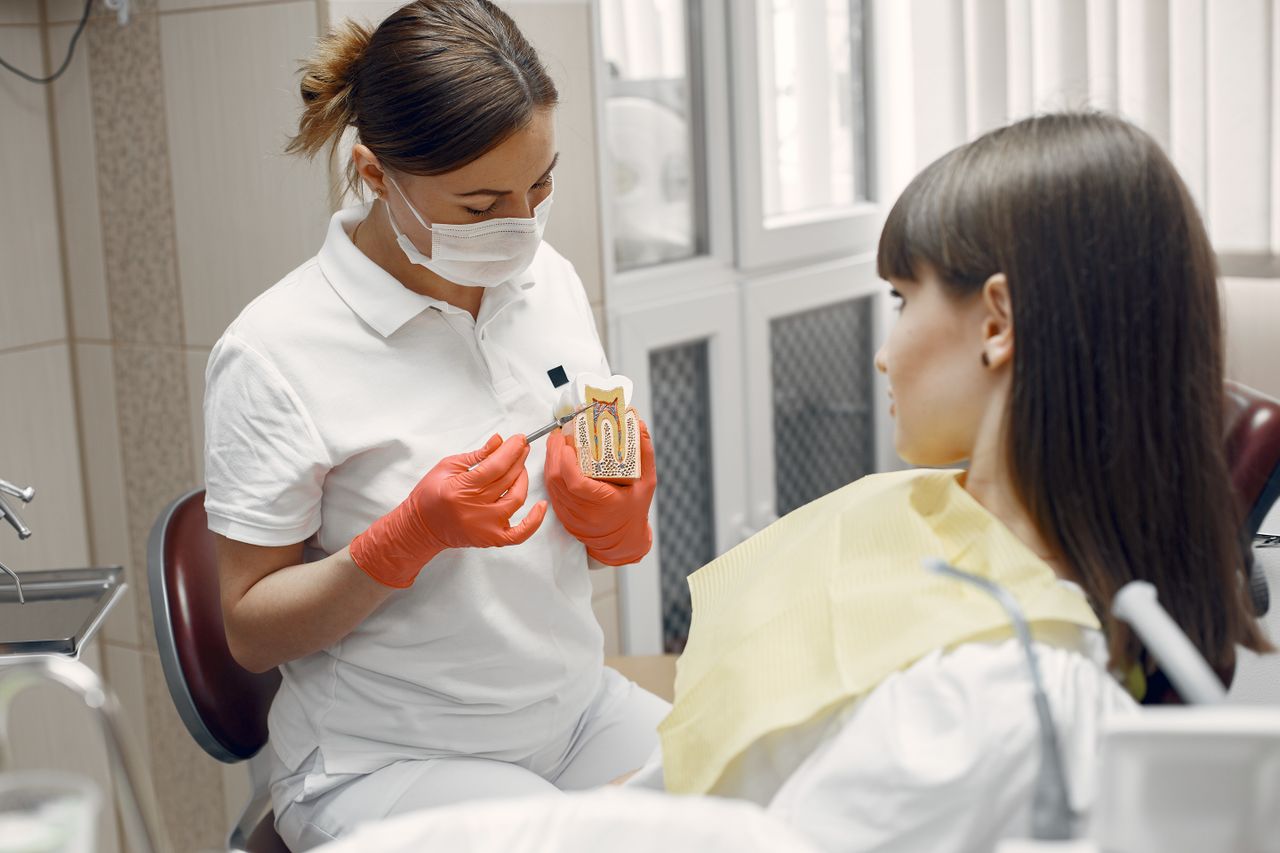
To understand why your teeth look yellow despite brushing, you need to look at what a tooth is made of. A human tooth has three main layers: Enamel, Dentin, and Pulp.
1. The Enamel
Enamel is the hard, outer shell of your tooth. It is the hardest substance in the human body. Natural enamel is not pure white. It is actually semi-translucent, meaning light passes through it.
2. The Dentin
Dentin is the thick tissue right under your enamel. Unlike enamel, dentin is naturally yellow, deep yellow, or gray-yellow.
3. The Pulp
The pulp is the center of the tooth, containing nerves and blood vessels that keep the tooth alive.
When your outer enamel layer gets thin, worn down, or eroded by acidic foods, the yellow dentin underneath starts to show through clearly. You can brush your teeth for hours, but if your enamel has thinned out, brushing will never turn yellow dentin into white enamel. In fact, aggressive brushing can make the problem worse.
Surface Stains vs. Deep Intrinsic Discoloration
Not all tooth stains are created equal. Dentists divide tooth discoloration into two basic types: Extrinsic stains and Intrinsic stains.
Extrinsic Stains (Outer Layer Stains)
Extrinsic stains happen on the outer surface of your enamel. They are caused by external factors such as dark liquids, foods, and smoking.
Common causes include:
-
Coffee and black tea
-
Dark sodas and red wine
-
Soy sauce, curry, and berries
-
Tobacco smoke and chewing tobacco
Regular brushing removes early surface stains. However, if these substances sit on your enamel for hours every day, they build up and bond to microscopic ridges on your teeth.
Intrinsic Stains (Inner Layer Stains)
Intrinsic stains occur inside the tooth structure. Brushing only cleans the outer surface, so standard toothpaste cannot reach or remove intrinsic stains.
Intrinsic discoloration happens due to:
-
Aging and natural enamel thinning
-
Certain medications taken during childhood
-
High fluoride intake while teeth were forming
-
Physical trauma or injury to a tooth
-
Genetics and naturally thinner enamel
8 Major Reasons Your Teeth Are Yellow Even If You Brush Daily
If you are brushing every single day and still dealing with yellow teeth, one or more of these eight factors is usually the main cause.
1. You Are Brushing Too Hard (Enamel Abrasion)
Many people believe that scrubbing harder makes teeth cleaner and whiter. This is a big myth. Scrubbing your teeth with firm pressure or a hard-bristled toothbrush acts like sandpaper on your enamel. Over time, you wear away the thin white enamel and expose the dark yellow dentin underneath.
2. Overusing Whitening Toothpaste or Baking Soda
Whitening toothpastes do not change the natural color of your teeth. Instead, they use harsh abrasive particles to scrub off surface stains. Using abrasive toothpaste every day strips away your enamel. Once your enamel is gone, it can never grow back.
3. Acidic Foods and Drinks Are Melting Your Enamel
Acids weaken and soften tooth enamel. When you eat or drink acidic items like lemons, oranges, pickles, sports drinks, or soda, the acid temporarily softens the outer surface of your teeth. If you brush immediately after consuming acidic items, you brush away soft enamel.
4. Drinking Staining Liquids All Day Long
Sipping coffee, black tea, or iced tea throughout the day keeps your teeth coated in dark pigments called tannins. Tannins stick to enamel easily. Even if you brush at night, those pigments have had 8 to 10 hours to set into the pores of your enamel.
5. Natural Aging and Genetics
Some people are born with thicker, whiter enamel. Others naturally have thinner enamel or darker yellow dentin. As you grow older, your enamel naturally wears down from decades of chewing, leaving you with a yellower shade regardless of your oral hygiene habits.
6. Mouth Breathing and Dry Mouth
Saliva is your mouth’s natural defense mechanism. It washes away food particles, neutralizes harmful acids, and bathes your teeth in calcium and phosphate. If you sleep with your mouth open or suffer from chronic dry mouth, your teeth dry out. Dry enamel loses its natural brightness and absorbs stains faster.
7. Hidden Plaque and Tartar Build-up
When plaque stays on your teeth for more than 24 to 48 hours, it hardens into a mineralized substance called tartar or calculus. Tartar is porous, yellow, or brown, and it sticks firmly to teeth near the gumline. Once tartar forms, standard brushing cannot remove it. Only a professional dental cleaning can scrape it away.
8. Medications and Fluorosis
Certain antibiotics like tetracycline can turn teeth yellow or grayish-brown if taken in early childhood. Excessive intake of fluoride during childhood can also cause fluorosis, which creates yellow or brown patches on adult teeth.
Step-by-Step: The Correct Daily Routine for Brushing and Oral Care
Brushing twice a day is great, but technique matters far more than frequency. Follow this exact step-by-step routine to protect your enamel and keep stains away.
-
Step 1: Choose a soft-bristled toothbrush and fluoride toothpaste.
-
Step 2: Hold the brush at a 45-degree angle against your gums.
-
Step 3: Move in small, gentle circles (do not scrub back and forth).
-
Step 4: Brush for two full minutes (30 seconds for each section of your mouth).
-
Step 5: Clean between your teeth using dental floss.
-
Step 6: Spit out excess toothpaste, but do not rinse with water immediately.
Why You Should Not Rinse With Water After Brushing
Most people rinse their mouth with water immediately after brushing. This washes away the protective fluoride from your toothpaste before it can strengthen your enamel. Simply spit out the excess toothpaste and leave the thin coating on your teeth to rebuild minerals.
Real-Life Example: How Sarah Saved Her Enamel
Consider Sarah, a 32-year-old office worker who brushed her teeth three times a day. She noticed her teeth looking yellower each month. Frustrated, she bought strong charcoal toothpaste and a hard toothbrush, scrubbing vigorously twice a day.
Within six months, her teeth became sensitive to cold water and looked noticeably darker yellow near the gumline.
When Sarah visited a dentist, she learned two surprising things:
-
Her daily habit of sipping black coffee with lemon water was eroding her enamel.
-
Her aggressive scrubbing with charcoal toothpaste was removing the last layer of her white enamel, exposing yellow dentin underneath.
Sarah changed her routine. She switched to a soft electric toothbrush, drank her coffee through a straw, stopped using abrasive charcoal paste, and waited 30 minutes after eating before brushing. Within a few months, her sensitivity disappeared, and professional whitening helped restore her bright smile safely.
Common Mistakes That Turn Your Teeth Yellow Faster
Avoid these everyday habits that ruin your enamel and dull your smile:
-
Brushing immediately after meals: Wait at least 30 minutes after eating or drinking acidic foods so your saliva can re-mineralize your enamel.
-
Using DIY hacks like lemon juice and baking soda: Lemon acid melts enamel, while baking soda scratches it. Combining them creates an abrasive paste that damages teeth quickly.
-
Relying on charcoal toothpaste: Activated charcoal is highly abrasive and acts like sandpaper on enamel.
-
Ignoring the space between teeth: Plaque that builds up between teeth makes the whole tooth look dark and dirty. Always floss daily.
-
Overusing whitening products: Using whitening strips too frequently destroys your natural protective barrier and causes intense tooth sensitivity.
For instance, if you are planning to use over-the-counter whitening products, you might ask: should i brush my teeth before using whitening strips? Brushing gently beforehand removes surface plaque so the whitening agent can contact your enamel directly, but doing it immediately before can irritate sensitive gums.
Advanced Strategies to Keep Your Teeth Bright Naturally
If you want a brighter smile without damaging your teeth, implement these expert-backed strategies:
1. Drink Staining Beverages Through a Straw
When you use a straw, liquid bypasses your front teeth entirely. This single habit prevents dark pigments in iced coffee, tea, and soda from coating your enamel.
2. Rinse with Water After Eating
If you cannot brush after meals, swish plain water in your mouth for 20 seconds. This washes away leftover food particles, tannins, and acids before they settle into your enamel.
3. Eat Crunchy, Fiber-Rich Foods
Raw apples, celery, carrots, and cucumbers act as natural tooth cleaners. Their firm texture stimulates saliva production and gently wipes away soft plaque while you chew.
4. Switch to an Electric Toothbrush with a Pressure Sensor
Electric toothbrushes offer gentle, consistent micro-vibrations that clean far better than manual brushing. Look for models with built-in pressure sensors that alert you when you press too hard against your teeth.
5. Use Nano-Hydroxyapatite Toothpaste
Nano-hydroxyapatite is a natural mineral compound that makes up 97% of your tooth enamel. Toothpastes containing this ingredient fill microscopic microscopic cracks in your enamel, repairing weak spots and making teeth look smoother and whiter naturally.
Exploring Related Dental Topics
Your oral health is an interconnected system. Understanding how your teeth respond to everyday care, dietary habits, and dental treatments helps you maintain a healthy, bright smile for life.
For example, when dealing with dental restorations or fillings, caring for your enamel remains essential. Patients often wonder about post-treatment care, such as can you eat after a filling. Knowing how long to wait before eating prevents damage to fresh dental work and keeps neighboring enamel clean.
Similarly, understanding how dietary acids affect tooth enamel, how saliva protects against tooth decay, and how professional teeth cleaning removes stubborn calculus will give you complete control over your dental health.
When to See a Dentist for Professional Whitening
Home care maintains health, but professional treatments change shades safely. If your yellow teeth are caused by intrinsic stains, age, or deep enamel wear, home remedies will not deliver dramatic results.
You should consult a dental professional if:
-
Your teeth are dark yellow, brown, or gray near the gums
-
You experience severe tooth sensitivity to hot or cold items
-
You have visible tartar build-up that does not come off with brushing
-
You want fast, safe, and noticeable whitening results
Professional Options Available
-
In-Office Laser Whitening: High-concentration whitening gels activated by light, providing results in a single 60-minute session.
-
Custom Take-Home Trays: Professional-grade trays custom-molded to your teeth for safe, gradual home whitening.
-
Dental Bonding or Veneers: Thin porcelain or composite shells placed over severe intrinsic stains that cannot be whitened with peroxide.
Future Trends in Dental Whitening and Enamel Repair
Dental science is advancing rapidly beyond simple bleaching agents. Here is where oral care is heading:
Biomimetic Enamel Rebuilding
Researchers are developing peptide-based treatments that actually rebuild lost enamel structure rather than just covering stains. These treatments allow teeth to naturally regain their thick, translucent white layer.
LED and Smart Light Therapy
New targeted blue-light therapies activate gentle peroxide-free gels, breaking down deep stains without causing nerve sensitivity or enamel erosion.
Conclusion: Be Patient With Your Smile
Having yellow teeth despite daily brushing can feel frustrating, but it is rarely a personal failure. In most cases, it is simply a combination of natural enamel translucency, everyday diet choices, and brushing habits.
Stop scrubbing your teeth harshly. Switch to a soft-bristled brush, protect your enamel from acidic foods, floss daily, and rinse with water after coffee or tea. Focus on enamel health first, because healthy, strong enamel is the true foundation of a lasting, beautiful smile.
Frequently Asked Questions
1. Why are my teeth yellow when I brush them every day?
Brushing cleans surface debris, but yellow dentin underneath your enamel shows through if your enamel is thin, worn down, or naturally translucent. Staining foods, dark drinks, genetics, and age also cause yellowing.
2. Can yellow teeth become white again?
Yes. Surface stains can be removed with proper brushing, flossing, and professional cleanings. Deep stains or thinned enamel can be brightened safely using professional whitening treatments or enamel-strengthening toothpastes.
3. Does baking soda whiten yellow teeth safely?
Baking soda can scrub away light surface stains, but it is abrasive. Using it too often scratches your tooth enamel, exposing yellow dentin and making your teeth yellow faster in the long run.
4. Why are my teeth yellow near the gums?
Enamel is naturally thinner near the gumline, allowing yellow dentin to show through more clearly. Yellow tartar build-up also forms along the gumline if plaque hardens into calculus.
5. How long does it take to whiten yellow teeth?
Surface stains caused by food or coffee can improve within 2 to 4 weeks of good oral care and gentle whitening toothpaste. Deep stains require 1 to 2 weeks of professional whitening or daily custom tray treatments.
6. Does drinking water help prevent yellow teeth?
Yes. Drinking water after meals and snacks washes away dark pigments, food particles, and acidic residues that weaken enamel and cause surface stains.