
 Harriet Wetton
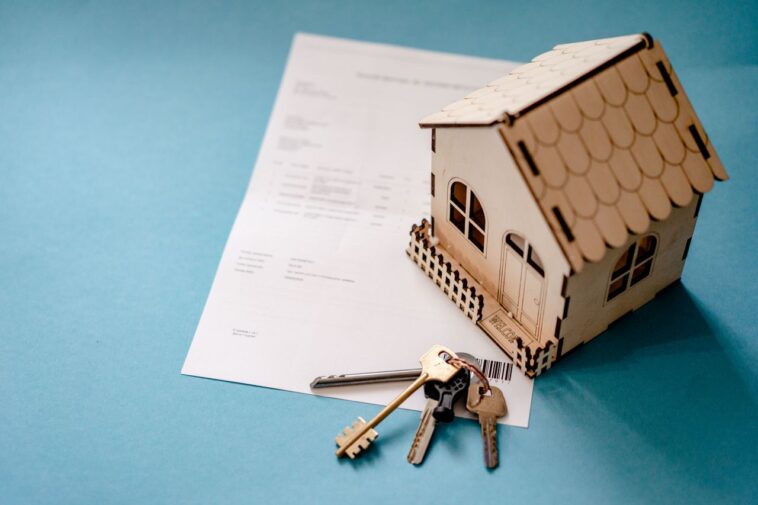
Buying a home is one of the biggest achievements in life. You work hard for years, save money, and pay down your mortgage to build a safe place for your family. But as time goes on, a quiet worry often creeps in. What happens to your home after you are gone?
How can you make sure your children or loved ones receive your property smoothly, without falling into an expensive legal mess?
If you have ever felt confused or overwhelmed by legal words like probate, assets, or grantors, you are not alone. Many homeowners want to protect their estate, but they put it off because the entire process sounds too complicated.
The good news is that transferring your home into a trust is much simpler than it seems once you break it down into clear, everyday steps.
This article will walk you through everything you need to know about placing your home into a trust. You will learn how the process works, the exact steps to take, real-world examples, costly mistakes to avoid, and how to keep your family’s future safe.
What Is a Trust and Why Does Your House Need One?
A trust is a legal arrangement that allows you to place your assets, like your family home, under the management of a trustee for the benefit of someone else, known as the beneficiary.
Think of a trust as a secure, personal safe. You build the safe, you place the deed to your house inside, and you set the rules for who gets the key. While you are alive, you can usually keep the key yourself, control everything inside, and make changes whenever you want.
Understanding the main people involved in a trust makes the process much easier to follow:
-
The Grantor (or Settlor): This is you. You are the owner of the house who creates the trust and transfers property into it.
-
The Trustee: This is the manager. The trustee oversees the property inside the trust according to your written instructions. While you are alive, you are almost always your own trustee. You also name a successor trustee, who takes over if you pass away or become unable to make decisions.
-
The Beneficiary: This is the receiver. These are the people, such as your children or family members, who will inherit or enjoy the property.
Putting a house into a trust matters because it changes who legally owns the deed while allowing you to retain total practical control. Instead of the property being listed directly under your personal name, it is owned by the trust. This simple shift creates a strong layer of protection for your loved ones.
Living Trust vs. Irrevocable Trust: Which One Do You Need?
Before you move forward, you must choose the right type of trust for your goals. The two main options are revocable living trusts and irrevocable trusts.
Revocable Living Trust A revocable living trust is the most popular choice for homeowners. The word revocable means you can change, edit, or cancel the trust at any time while you are alive and mentally capable.
-
Flexibility: You can add or remove assets, change your beneficiaries, or sell the house whenever you want.
-
Control: You act as your own trustee. Tax reporting stays exactly the same, using your standard Social Security number.
-
Primary Goal: Its main job is to skip probate court and make asset transfers smooth for your heirs.
Irrevocable Trust An irrevocable trust is permanent. Once you create it and transfer your home into it, you give up direct control, and you cannot easily change the rules or take the property back without permission from the beneficiaries.
-
Asset Protection: Because you no longer legally own the home, creditors generally cannot touch it.
-
Medicaid Planning: Many people use irrevocable trusts to qualify for long term care assistance without spending down their home.
-
Primary Goal: Maximum protection against lawsuits, nursing home costs, and estate taxes.
For the vast majority of families simply looking to pass down their home easily, a revocable living trust is the preferred tool.
The Biggest Advantage: How a Trust Avoids Probate
To understand why putting a house in a trust is so valuable, you need to understand probate.
Probate is the legal court process that reviews your assets after you die, pays off outstanding debts, and distributes what is left according to your will.
Even if you have a valid will, your estate must still go through probate court. Official guidelines from the American Bar Association highlight that probate proceedings can create public delays for family members trying to access assets.
Probate creates three major problems for families:
-
High Costs: Court fees, legal costs, and executor payments can easily consume 3% to 7% of your estate’s total value.
-
Long Delays: Probate often takes anywhere from nine months to two years. During this time, your heirs may not be able to sell or use the house.
-
Public Exposure: Probate records are completely public. Anyone can search court filings to see what assets you owned, what debts you had, and who received your property.
When your house is held inside a trust, it completely bypasses the probate court. Because the trust owns the home, your ownership does not end when you pass away.
The trust remains active, and your successor trustee can transfer the deed directly to your heirs in a matter of weeks, in complete privacy, without paying heavy court fees.
How to Put a House in a Trust: Step-by-Step
Transferring your home into a trust is a straightforward process when you follow these clear steps.
Step 1: Choose and Draft Your Trust Document
First, decide whether a revocable or irrevocable trust meets your financial goals. Work with an estate planning attorney or use verified legal resources to draft the agreement. Name your successor trustee and specify exactly who gets the home after your death.
Step 2: Obtain a Copy of Your Current Property Deed
You need the current deed to your house to get the exact legal description of the property. You can find this document in your personal records or request a copy from your local county recorder or land registry office.
Step 3: Prepare a New Deed
To transfer ownership, you must create a new deed. This is usually done using a Quitclaim Deed or a Grant Deed.
-
The deed changes the legal owner from your personal name to the name of your trust.
-
Make sure the legal description of the land matches your original deed word for word.
Step 4: Sign the New Deed in Front of a Notary
Do not sign the deed at home alone. Take the prepared deed to a notary public. You must sign the document in their presence, bring valid identification, and get the deed officially notarized.
Step 5: Record the Deed with Your County Office
Take or mail the signed, notarized deed to your local county clerk or land records office. Pay the small recording fee. The office will stamp the deed, record it in official public records, and return the original to you.
Step 6: Update Your Homeowners Insurance
Contact your home insurance company immediately after recording the deed. Ask them to add your trust as an Additional Insured on your existing homeowner policy. This ensures coverage remains valid if damage occurs.
Step 7: Notify Your Mortgage Lender
If you have an active mortgage, inform your lender about the transfer. Under a federal law known as the Garn-St. Germain Depository Institutions Act, mortgage lenders cannot trigger a due-on-sale clause simply because you moved your residential home into a revocable living trust.
Real Life Example: How a Trust Helps a Family

Consider the story of a homeowner named David.
David owned a house worth $450,000. He had two grown children, James and Emily. David wrote a simple will stating that his house should be split equally between his children when he passed away.
When David died, James and Emily took the will to a lawyer. They learned that because the house was in David’s personal name, they could not sell or transfer it until the court finished probate.
The probate process lasted 14 months. Between attorney costs, administrative fees, and court costs, the estate lost over $18,000. During those 14 months, James and Emily had to pay property taxes, utility bills, and insurance out of their own pockets to keep the house standing. The process caused stress and unnecessary financial hardship.
Now consider an alternate path. If David had created a revocable living trust and deeded his home to that trust, no court involvement would have been necessary. Upon his death, his successor trustee could have transferred or sold the home within 30 days, saving the family $18,000 and over a year of emotional distress.
Common Mistakes to Avoid When Putting Your Home in a Trust
Even with good intentions, simple mistakes can undo all your hard work. Watch out for these frequent errors:
-
Forgetting to Fund the Trust: Creating a trust document on paper is not enough. If you write the trust agreement but never record a new deed changing ownership, the trust remains empty. An unfunded trust will not protect your house from probate.
-
Incorrect Property Descriptions: If the legal description on your new deed does not match the original record down to the last letter, the county recorder may reject it or create title issues later.
-
Ignoring the Insurance Policy: Failing to notify your home insurance company can leave your estate unprotected if a fire or storm damages the home after your passing.
-
Not Naming a Backup Trustee: If your named successor trustee becomes unable or unwilling to serve, and you have no backup listed, your family may still end up in court to appoint a new manager.
-
Forgetting Refinanced Mortgages: If you refinance your home later, mortgage lenders often require you to take the house out of the trust temporarily during refinancing. Many homeowners forget to deed the home back into the trust after closing. Just as you need to be careful with property legalities, you should also protect your property investments early on by learning how to recognize real estate scams.
Advanced Strategies for House and Asset Protection
For homeowners looking beyond standard estate planning, advanced strategies can add extra benefits.
Homestead Exemptions and Tax Rights
In most states, putting your primary home into a revocable living trust does not affect your property tax discounts or homestead exemptions. Your property taxes will not reset or jump simply because you moved the deed into your trust.
Medicaid Asset Protection
If you worry about potential nursing home expenses consuming your house late in life, transferring your home into an irrevocable trust can shield it. However, Medicaid applies a strict five year “look-back” rule. Transfers made within five years of applying for benefits can trigger penalties, so this plan requires long term strategy.
Pour-Over Wills
Even with a solid trust, combine it with a “pour-over will.” This backup document acts as a safety net. If you purchase new property or forget an asset, the pour-over will automatically direct any remaining property into your trust upon your death.
When Should You Seek Professional Help?
While basic trust forms are available online, estate planning is rarely one-size-fits-all. You should consult a qualified estate attorney or financial planner if:
-
You own real estate in multiple states.
-
You have a blended family or children from a previous marriage.
-
You are dealing with complex mortgage situations or commercial property.
-
You want to set specific rules on how or when heirs can access property value.
Before you fund your trust with property, ensure your initial acquisition was structured correctly. For instance, if you bought your home using unique financing methods like learning how to buy a house with no money, an expert can help navigate any specific lender requirements during title transfer.
Future Trends in Estate Planning and Property Trusts
The world of real estate and estate planning is evolving quickly through modern technology and changing state regulations.
-
Digital Deeds and Remote Notarization: Many local jurisdictions now accept electronic deed filings and online video notarization, making property transfers faster and easier from home.
-
Digital Asset Trusts: Modern trusts are expanding beyond physical real estate to include digital property, online accounts, and virtual investment assets under unified management.
-
Updated State Trust Laws: State legislatures continue to modernize trust legislation to make revocable trusts accessible and affordable for average homeowners, not just wealthy families.
Conclusion
Putting your house in a trust is one of the most practical and caring steps you can take for your family. It removes stress, prevents costly legal battles, and ensures your hard-earned home transfers smoothly to the people you love.
Do not let confusion delay your planning. Gather your current deed, decide on your successor trustee, and take the first step toward securing your property today.
Frequently Asked Questions
Can I sell my house if it is in a revocable trust?
Yes. As the grantor and trustee, you retain full control over your property. You can sell, mortgage, or transfer the home at any time without needing permission from beneficiaries.
Does putting my house in a trust protect it from taxes?
A revocable trust does not reduce income or capital gains taxes while you are alive. However, it simplifies estate management and can help minimize administrative fees and tax burdens for your heirs after death.
How much does it cost to put a house in a trust?
Costs vary depending on whether you write the trust yourself or hire an attorney. Setting up a trust generally costs between $500 and $3,000, plus a small county recording fee (usually $20 to $100) to record the new deed.
Do I need a new deed to put my house in a trust?
Yes. You must sign and record a new deed, such as a Quitclaim Deed or Grant Deed, that transfers ownership from your personal name to the legal name of your trust.
What happens to my mortgage when I transfer my home into a trust?
Your mortgage stays active and unchanged. Under federal law, lenders cannot demand full immediate repayment simply because you transferred a residential home into a revocable trust.