
 Harriet Wetton

Waking up with full, dark, beautifully curled lashes without touching a bottle of mascara feels like a total daily upgrade. It saves precious time during busy mornings and gives you an instant confidence boost before you even sip your first cup of coffee.
However, after a week or two, you might start noticing a few lashes falling onto your cheek or a sudden gap in your lash line.
It is completely normal to feel a bit disappointed or confused when your fresh set starts to thin out sooner than expected. You might wonder if your lash artist did something wrong, if your skin is too oily, or if you accidentally ruined them while sleeping.
Getting lash extensions is an investment of both your time and your hard-earned money. You deserve to know exactly how long they will last, why they shed, and what simple habits will protect them.
This detailed post breaks down lash lifespan, natural growth cycles, daily care rules, and smart retention strategies so you can keep your lashes looking full and fresh.
What Are Lash Extensions and How Do They Work?
Lash extensions are individual synthetic or silk fibers attached to your natural eyelashes using a specially formulated, medical-grade adhesive.
Unlike press-on strip lashes that sit directly on the skin of your eyelid, extensions are applied individual strand by strand, or in soft fans, directly onto a single natural lash. They never touch your skin.
Because extensions attach directly to your natural hair strands, their lifespan is tied directly to the natural growth process of your real eyelashes.
What is the natural lash growth cycle?
Every single hair on your body goes through a natural cycle of growth, resting, and shedding. Most people lose between 2 and 5 natural eyelashes every single day from each eye, even if they have never worn extensions in their life.
When an extension is glued to a natural lash, it will fall out naturally whenever that individual lash reaches the end of its life cycle.
The lash growth cycle has 3 distinct stages:
-
The Anagen Phase (Growth Stage): This is the active growing phase where young lashes emerge from the follicle. They are short, weak, and thin. A responsible lash artist will avoid placing heavy extensions on these delicate baby lashes to prevent long-term damage.
-
The Catagen Phase (Transition Stage): During this phase, the lash stops growing and the follicle shrinks. The lash reaches its full length and remains sturdy. This is the ideal stage for attaching extensions because the natural hair is strong enough to support the added weight.
-
The Telogen Phase (Resting and Shedding Stage): The lash sits quietly in the follicle until a new hair begins growing beneath it. Eventually, the old lash naturally falls out, carrying the extension along with it.
Because your individual eyelashes are all at different stages of this cycle at any given time, you will experience a steady, gradual loss of extensions rather than losing them all at once.
| Phase Name | Stage Description | Extension Suitability |
| Anagen | Growth Stage | Baby lashes emerge. Too delicate for heavy extensions. |
| Catagen | Transition Stage | Hair stops growing and stays strong. Ideal for applying extensions. |
| Telogen | Resting & Shedding Stage | Old lash sheds naturally with extension attached as new hair pushes up. |
How Long Do Lash Extensions Last?
On average, a full set of professionally applied lash extensions lasts between 4 to 6 weeks before the last few extensions fall out completely. However, because your natural eyelashes shed every day, your full set will only look completely full, even, and fresh for about 2 to 3 weeks.
To maintain a seamless, dense look without noticeable gaps, you will need to get a touch-up or lash fill every 2 to 3 weeks.
During a fill appointment, your lash technician removes grown-out extensions and places new ones on the fresh natural lashes that have recently entered the growth phase.
Here is a general timeline of what you can expect after getting a full set:
-
Week 1: Your lashes look dense, fresh, and perfectly shaped. You may notice a few individual extensions shedding as your mature natural lashes complete their cycle.
-
Week 2: You may experience light, uniform shedding. Your lashes still look complete and full to the untrained eye.
-
Week 3: Gaps begin to appear where new natural lashes are growing in. This is the standard time to schedule a touch-up fill.
-
Week 4: Up to half of your original extensions may be gone. Your lash line looks noticeably thinner and less uniform.
-
Week 5 to 6: Only a few scattered extensions remain attached to your longest natural lashes.
Key Factors That Affect How Long Your Lashes Last
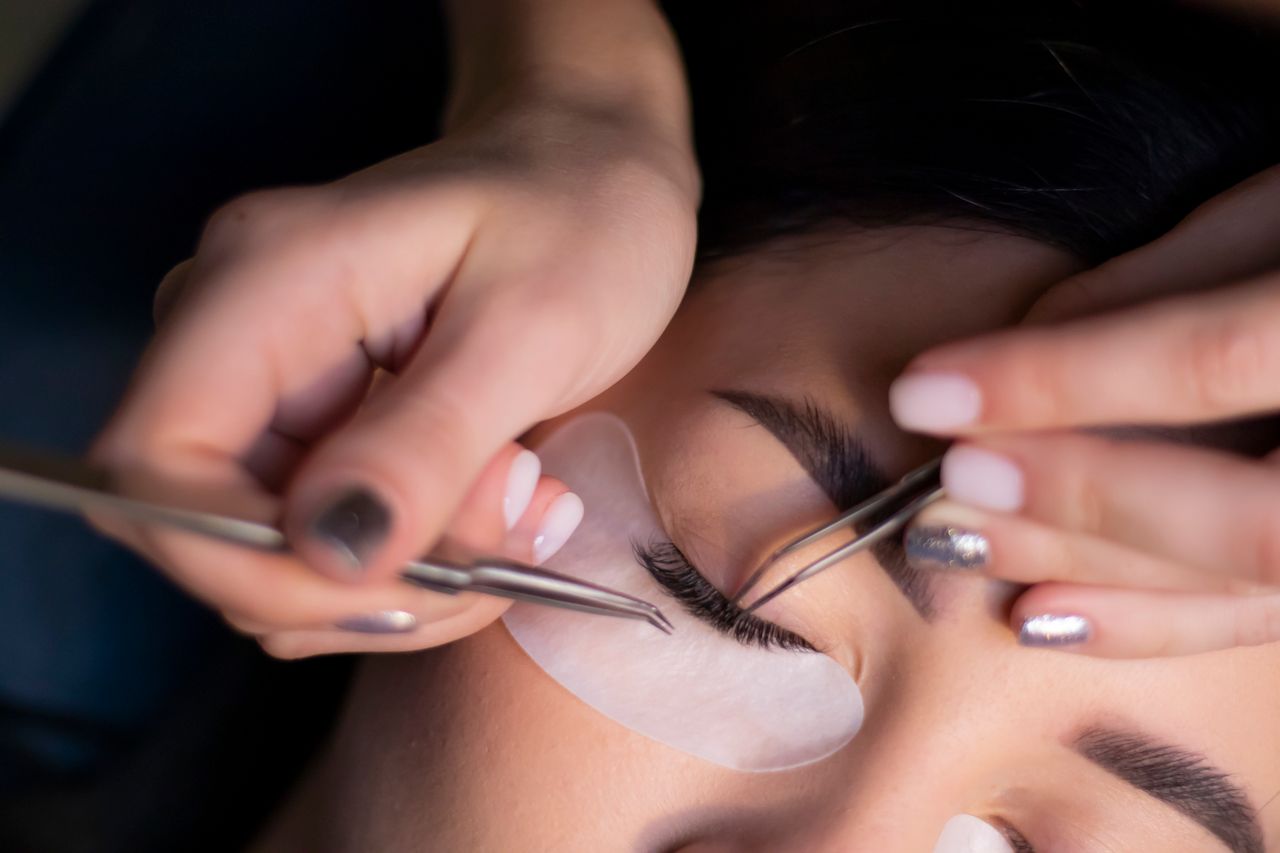
Not everyone experiences the same retention rate. Two people can visit the same lash technician on the same day and end up with completely different results after two weeks. Several individual factors influence how long your extensions stay attached.
1. Your Natural Hair Cycle and Genetics
Some people have naturally fast hair growth, while others have slower cycles. If your hair and nails grow quickly, your eyelashes will likely shed faster too. Seasonal shifts also play a role.
Many people experience a heavy seasonal lash shed during spring and autumn as their body adapts to temperature changes.
2. Skin Type and Natural Oils
Oil is the ultimate enemy of standard lash extension adhesive. If you have naturally oily eyelids or high sebum production, the oil can break down the bond between the glue and your natural lash much faster. This causes the extension to slide off prematurely without the natural lash shedding with it.
3. Daily Sleeping Habits
If you sleep on your stomach or side with your face pressed directly into a cotton pillowcase, the constant physical friction can crush, twist, or pull off your extensions overnight. People who sleep on their back consistently keep their extensions longer than side sleepers.
4. Cleaning and Hygiene Habits
A common misconception is that keeping extensions completely dry makes them last longer. In reality, failing to clean your lashes allows oil, dead skin cells, sweat, and makeup particles to accumulate around the base of your extensions.
This buildup eats away at the adhesive bond and can even lead to uncomfortable eyelid inflammation or infections.
5. Technique and Glue Quality
The skill of your lash technician matters immensely. If the technician does not isolate your natural lashes properly, uses expired glue, or applies extensions to dirty lashes, your set will drop rapidly within a few days. Proper isolation and deep cleaning before application are essential for long-term retention.
Real Life Example: A Tale of Two Lash Clients
To understand how daily choices directly impact retention, let us look at two real-world scenarios involving two friends, Esha and Maya. Both received identical volume lash sets from the same salon on the exact same afternoon.
| Client | Daily Habits Followed | Retention Result |
| Esha | Wiped face with oil cleansers, slept face-down on cotton, avoided washing eye area | Lost 70% of extensions by Week 2; needed a brand new full set |
| Maya | Washed daily with oil-free cleanser, slept on back with silk pillowcase, brushed daily | Kept 60% of extensions by Week 3; only needed a quick routine fill |
Esha’s Experience
Esha was worried that touching her new lashes would make them fall off. She avoided washing her eye area entirely for 10 days.
To remove her foundation, she used an oil-based makeup remover with standard cotton pads. She also slept on her stomach, resting her face flat against a regular cotton pillowcase.
By day 10, Esha noticed significant gaps in her lash line. When she rubbed her itchy eyelids, several extensions dropped into her hand. By the end of week 2, almost 70 percent of her extensions were gone, and she had to pay for an entirely new full set rather than a simple, budget-friendly fill.
Maya’s Experience
Maya followed her lash technician’s aftercare instructions carefully. She bought an oil-free lash foam cleanser and washed her eyelids gently every single night.
She replaced her cotton pillowcase with a soft silk pillowcase and made a conscious effort to sleep on her back. Every morning, she brushed her dry lashes gently with a clean spoolie brush.
By the end of week 2, Maya’s lashes still looked full, balanced, and fresh. She scheduled her routine 45-minute fill at day 21 with over 60 percent of her original extensions intact. Her lash artist easily brought her set back to 100 percent volume in less time and at a fraction of the cost of Esha’s replacement set.
Common Mistakes That Ruin Lash Extension Retention
If your extensions are falling out rapidly within the first 48 to 72 hours, one of these common mistakes is usually responsible.
| Mistake Made | Why It Hurts Retention | Easy Solution |
| Oil-Based Products | Dissolves glue adhesive bonds rapidly | Switch strictly to oil-free cleansers and creams |
| Picking & Pulling | Rips natural lashes directly from roots | Keep hands off and comb gently with a spoolie |
| Early Steam & Sweat | Weakens glue before initial 24h cure time | Avoid hot saunas, steam, and workouts for 24h |
| Sleeping Face-Down | Creates crushing friction on pillowcases | Sleep on your back or use a soft silk pillowcase |
| Brushing While Wet | Extra water weight pulls fragile roots | Towel-pat gently and dry before brushing |
1. Using Oil-Based Cleansers and Skincare
Oil dissolves the cyanoacrylate bond used in lash adhesives. Avoid oil-based cleansers, micellar water with oil layers, rich eye creams, and heavy facial oils. Always check the ingredients list on your makeup removers and moisturizer.
2. Picking, Pulling, or Twisting
When an extension starts to twist or look slightly askew, the temptation to pick or pull at it can be strong. Pulling an extension manually almost always rips out your healthy natural lash from the root, damaging the follicle and preventing new growth for months.
3. Exposing Lashes to Steam and Sweat Too Soon
Most traditional adhesives require up to 24 hours to cure completely. Exposing your fresh lashes to steam, boiling hot showers, saunas, or intense workout sweat during this initial window can cause the glue bond to shock cure, making it brittle and weak.
4. Brushing Lashes While They Are Wet
When wet, your extensions carry extra water weight, making the natural lash follicle temporary weak and flexible. Brushing your extensions while they are soaking wet pulls forcefully on the follicle, causing premature shedding. Always dab them dry gently with a lint-free towel and allow them to air-dry before brushing.
5. Excessive Eye Rubbing and Crying
Physical friction breaks glue bonds quickly. Frequent eye rubbing causes rapid loss of extensions. Additionally, natural tears contain salt and moisture that can cause discomfort or irritate sensitive eyes.
If you ever experience burning feelings around your eyes, read about why do my eyes burn when I cry to manage discomfort and shield your eye area.
Step-by-Step Daily Routine to Extend Your Lash Lifespan
Taking proper care of your lash extensions does not have to take up hours of your day. Adding a few simple habits into your morning and evening routine will keep your extensions looking lush and retention strong.
Step 1: Cleanse Your Lashes Daily
Wash your lashes every night using an oil-free, lash-safe cleanser.
-
Wet your face with cool or lukewarm water.
-
Pump a small amount of foaming lash cleanser onto the back of your hand or a soft, clean cleansing brush.
-
Gently massage the foam over your closed eyelids, focusing on the lash line to remove daily oils and dust.
-
Rinse thoroughly with clean water until all soap residue is completely gone.
Step 2: Dry Your Lashes Safely
Never rub your eyes with a standard Terry cloth towel, as loops in the fabric can easily catch on your extensions and pull them out.
-
Gently pat the area around your eyes dry with a lint-free paper towel or microfiber cloth.
-
Hold a cool, low-speed fan or hair dryer on a cool setting about 12 inches away from your face for 10 seconds to dry the wet fibers completely.
Step 3: Brush Gently Every Morning
Your extensions will naturally crisscross or fluff out while you sleep.
-
Wait until your lashes are completely dry.
-
Close one eye and place a clean spoolie brush on top of your lashes.
-
Gently roll the spoolie downward and outward through the tips. Avoid dragging the brush directly against the base glue joint.
| Action | Morning Habit | Evening Habit |
| Cleanse | Splash gently with cool water if needed | Wash thoroughly with oil-free foaming lash cleanser |
| Dry | Air dry or fan dry on cool setting | Pat eye area dry with lint-free paper towel |
| Groom | Brush dry lashes with spoolie from mid-strand to tips | Keep face off cotton pillows; sleep on back |
Advanced Strategies for Maximum Lash Retention
If you already follow basic aftercare but still struggle to keep your lashes full past two weeks, these advanced strategies can make a significant difference.
Switch to a Silk or Satin Pillowcase
Traditional cotton pillowcases create micro-friction against your skin and hair every time you toss and turn at night. Silk or satin pillowcases allow your face and lashes to glide smoothly across the surface without snagging or pulling on individual extensions.
Use a 3D Contour Eye Mask for Sleep
If you are a committed side sleeper who struggles to stay on your back, buy a contoured 3D sleep mask. These specialized masks feature deep, hollowed-out eye cups that protect your extensions from pressing against your pillow, keeping them fully shielded all night long.
Apply a Retention-Safe Sealant
A lash extension sealant acts as an invisible protective barrier around the adhesive bond. Applying a thin coat of clear, oil-free sealant every 2 to 3 days seals the glue joints against sweat, dust, natural oils, and humidity, helping extend your set’s lifespan between fills.
Schedule Fills Consistently Every 2 to 3 Weeks
Do not wait until your set is 80 percent gone to visit your lash tech. Regular touch-ups every 14 to 21 days keep your natural lashes healthy because your artist can trim away long, overgrown extensions that put uneven torque on your natural lash root.
Naturally Related Subtopics and Cluster Topics
Understanding lash retention is just the first step in your overall beauty and eye-care routine. To maintain long-term eye comfort and natural hair health, there are several related topics worth exploring:
-
Understanding Premature Lash Fallout Causes: Identifying whether your natural lashes are shedding early due to stress, thyroid changes, or vitamin deficiencies can help you restore natural lash density.
-
Choosing the Right Cleanser for Sensitive Eyes: Finding gentle, hypoallergenic, and oil-free formulas ensures that your lash adhesive stays intact while protecting sensitive eyelid skin from redness.
-
Safe Lash Extension Removal at Home: Learning how to safely loosen adhesive using approved oils or serums when you are ready to remove your set prevents permanent follicle damage.
-
How to Grow Stronger Real Lashes Under Extensions: Using lash-extension-safe conditioning serums helps keep your underlying natural lashes strong enough to support thicker volume fans.
When to Seek Professional Lash or Medical Help
While mild shedding is a normal part of wearing extensions, certain symptoms require immediate attention from a professional artist or an eye doctor. For authoritative safety protocols on eye cosmetics and irritation risks, consult the American Academy of Ophthalmology to keep your eye health protected.
Signs You Should Contact Your Lash Technician:
-
You experience sudden, rapid shedding within 24 to 48 hours of your application appointment.
-
The extensions feel uncomfortable, pokey, or stick to adjacent lashes when you blink.
-
You see visible clumps of glue at the base of your natural eyelashes.
Signs You Should See an Eye Doctor:
-
Severe redness, swelling, or crusting along your upper or lower eyelid margins.
-
Persistent, severe itchiness or burning that does not improve after gentle rinsing.
-
Pus, thick discharge, or blurry vision after getting extensions applied.
These symptoms may indicate an allergic reaction to the cyanoacrylate adhesive or a bacterial eyelid infection like blepharitis, which requires professional medical treatment rather than simple home care.
Future Trends in Lash Extensions and Adhesive Tech
The lash industry continues to evolve rapidly with new materials and technological advancements designed to make extensions last longer while reducing chemical sensitivity.
UV LED Lash Light Systems
One of the newest trends in the beauty industry is UV LED lash curing. Instead of relying on traditional air-drying glue that takes 24 hours to cure fully, technicians use a specialized low-spectrum UV light lamp that instantly cures the lash adhesive within 2 to 3 seconds of application.
This instant bond makes lashes completely oil and water resistant right away, drastically reducing early shedding.
Hypoallergenic Glue Formulations
Manufacturers are actively developing cyanoacrylate-free or low-fume adhesives formulated specifically for sensitive eyes. These modern adhesives significantly lower the risk of eye burning, inflammation, or unexpected allergic responses while maintaining impressive retention rates.
Frequently Asked Questions
Can I wear mascara over my lash extensions?
It is best to avoid wearing mascara over extensions. Mascara contains oils and waxes that break down lash glue quickly. Removing mascara requires physical rubbing, which causes extensions to shed prematurely. If you feel you need mascara, your extensions are likely due for a fill.
Is it normal to lose 5 lashes a day with extensions?
Yes, it is completely normal. The average person loses between 2 to 5 natural eyelashes every day as part of their natural growth cycle. When an extension is attached to those mature natural lashes, it will fall out along with the natural hair.
Will lash extensions destroy my real lashes?
No, professionally applied lash extensions will not damage your natural lashes as long as your technician chooses the correct weight and length for your natural hair, isolates each lash properly, and you avoid pulling or picking at them at home.
Can I swim or go to the gym with lash extensions?
Yes, you can swim and work out freely once your adhesive has fully cured (usually 24 hours after your appointment, or instantly if your tech uses UV LED glue). Just make sure to wash your lashes with an oil-free cleanser afterward to clear away salt, chlorine, and sweat.
Why are my extensions falling off without my natural lash attached?
If extensions fall off cleanly without a natural lash attached, it usually points to an adhesive bond failure. This happens if your skin produces excessive oil, if you used oil-based products, or if your technician used old glue or applied the extensions in improper humidity conditions.
Summary and Next Steps
Lash extensions generally last between 4 to 6 weeks, but keeping them looking dense, neat, and beautiful requires getting touch-up fills every 2 to 3 weeks.
By understanding your natural eyelash growth cycle, keeping your extensions clean with oil-free foam cleansers, avoiding physical friction, and sleeping on a smooth silk pillowcase, you can easily maximize your lash retention and protect your investment.
If you are planning your next beauty appointment, take a quick inventory of your current skincare lineup today. Swap out any oil-heavy products near your eyes, pick up a dedicated lash shampoo, and book your follow-up fill in advance so your lashes always look flawless.