
 Harriet Wetton
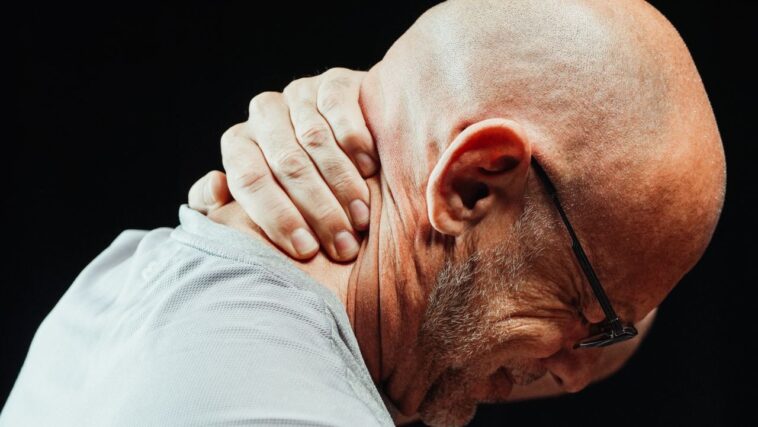
You were only trying to feel better. Your neck was tight, your shoulders felt like stone, and you pressed on that sore spot to get some relief. Then it happened. A dull ache showed up in your tooth. Maybe a back tooth on the lower side. Maybe the whole side of your jaw.
Now you feel confused and a little worried. Did the massage hurt your tooth? Is something wrong with your mouth? Or is this just a strange coincidence?
If this sounds like you, take a deep breath. You are not imagining it, and you are not alone. Thousands of people notice tooth pain after neck massage, neck stretching, or even a long day hunched over a phone. The good news is that there is a clear reason behind it.
In this guide, you will learn why neck muscles and teeth are more connected than most people think. You will see how to tell muscle pain from real dental pain, what mistakes make it worse, and what you can do at home today.
You will also learn the warning signs that mean it is time to call a professional. Stay with me until the end, because the last sections hold the details most people miss.
Can Massaging the Muscle in the Neck Cause a Toothache?
Yes, it can, but it is usually not your tooth that is the problem.
When you press, rub, or stretch the muscles in your neck, you can set off pain that you feel in your teeth, jaw, or ear. This is not a sign that your neck massage damaged your tooth.
It is more often a sign that your muscles, nerves, and jaw are all working as one team, and one part of the team is upset.
There are 3 main ways this can happen:
- Pressing on a tight spot in the neck can send pain signals to the face and teeth. This is called referred pain.
- A massage can wake up muscles that were already tight from clenching, stress, or poor posture.
- The massage can bring out a hidden dental problem that you did not notice before.
The first 2 are common and usually harmless. The third one needs a dentist. The rest of this article will help you know which one you are dealing with.
Why Does This Matter More Than You Think?
Tooth pain has a way of taking over your day. It is hard to eat, hard to sleep, and hard to focus. When you cannot find the cause, it feels even worse. You may start to think the worst, or you may keep ignoring it and hope it goes away.
Both reactions cost people time and comfort. Some people rush into dental treatment they do not need because the pain feels like a toothache.
Others delay care for a real tooth problem because they assume it is “just a muscle.” Knowing the difference saves you money, stress, and pain.
There is also a bigger picture. Neck and jaw tension often points to daily habits like how you sit, how you sleep, and how you handle stress. When you understand the link, you can fix the root cause instead of chasing the pain from one spot to another.
How Are Neck Muscles and Teeth Connected?
It seems odd that a muscle in your neck could make a tooth hurt. But your body is full of shared pathways. Here are the main links.
The nerve connection
Your face and teeth get their feeling from a large nerve called the trigeminal nerve. Signals from this nerve and signals from the upper neck meet in the same area of the brainstem.
Your brain does not always sort out exactly where a signal started. So when a neck muscle sends a strong pain message, your brain can mix it up and tell you the pain is in your tooth, your ear, or your temple.
Think of it like 2 phone lines that share one switchboard. A call from the neck can show up on the tooth line.
The muscle connection
The muscles you use to chew are some of the busiest in your body. They work when you eat, talk, swallow, and even when you are stressed. The muscles in your neck help hold your head steady, and they also help stabilize your jaw.
A dental publication that reviewed non dental tooth pain reported that most people with this kind of unexplained toothache also had pain or tightness in the neck area. That tells us the jaw and neck rarely suffer alone.
Two jaw muscles are known for causing tooth like pain. The big cheek muscle can send pain to the lower back teeth. The muscle at your temple can send pain to the upper back teeth. When your neck is tight, these muscles often tighten too.
Trigger points
Trigger points are small, tight knots in a muscle. When you press on one, it can cause pain in a different place. A knot in the neck or shoulder can send an ache up to the jaw. A knot in the jaw muscle can feel exactly like a toothache, even when your teeth are perfectly healthy.
The posture connection
When your head moves forward, like when you look down at a phone, your neck muscles work much harder. The extra strain can spread to your jaw. Over time, this forward head posture makes the whole area more sensitive. So when you massage it, the area may react strongly.
How Does a Neck Massage Lead to a Toothache Step by Step?
Let us walk through what often happens, so it makes sense in your mind.
Step 1: A muscle is already tight. Maybe you have been stressed, sitting for hours, or clenching your teeth without knowing it. The muscles in your neck, jaw, and shoulders are already tired.
Step 2: You press on the sore area. The massage puts pressure on a trigger point or a sensitive muscle band.
Step 3: The signal travels. The pain message moves along shared nerve paths. Your brain receives it near the same place where it receives signals from the face and teeth.
Step 4: Your brain guesses wrong. It tells you the pain is in your tooth, your jaw, or your ear, even though the source is a muscle.
Step 5: The area stays irritated. Deep or rough massage can leave the muscle sore and inflamed for hours or a day. This is why the toothache feeling may last after you stop.
In most cases, the ache fades within a few hours to 2 days as the muscle calms down. If it does not, or if it gets stronger, something else may be going on.
Can a Neck Massage Reveal a Hidden Dental Problem?
Yes, and this is the part many people do not expect.
Sometimes your tooth already has a small problem. It could be early decay, a cracked tooth, a loose filling, or gum trouble. You may not feel it during your normal day because your body has learned to ignore a small signal.
Then the massage adds extra pressure and tension to the area, and the pain becomes loud enough to notice.
In that case, the massage did not cause the dental problem. It simply turned up the volume. If you feel sharp pain when you bite, strong pain with hot or cold drinks, or a throbbing ache that keeps coming back, please have a dentist take a look.
Gum problems can also play a role. If your gums are swollen, bleeding, or pulling away from the teeth, a periodontist is the type of dentist who treats this. You can read more about what a periodontist is and when to see one.
What Does Real Life Look Like? 3 Common Examples
Real stories help us see ourselves. Here are 3 situations that many people describe.
Example 1: The desk worker
Sara works at a computer for 8 hours a day. By afternoon, her neck feels like a rope. One evening she rubs the sore spot at the side of her neck hard for 10 minutes. Soon after, her lower back teeth on the same side begin to ache. Her dentist checks her teeth and finds nothing wrong.
The real cause is a tight jaw muscle and neck tension from long hours of poor posture. Once she improves her desk setup and learns gentle stretches, the tooth pain stops coming back.
Example 2: The night grinder
Ahmed wakes up with a sore jaw most mornings. He started getting a neck massage once a week. After each session, his upper teeth feel sensitive for a day.
It turns out he grinds his teeth in his sleep. His jaw and neck muscles are overworked every night, so any extra pressure makes them flare up. A simple night guard from his dentist and some stress care make a big difference.
Maria presses on her neck during a stressful week and feels a throbbing tooth. She waits, thinking it will pass. It does not. A dentist finds a deep cavity close to the nerve.
The massage did not cause the cavity, but it made the pain show up. Early treatment saves her tooth. If she had waited longer, the problem could have grown.
Each story is different, and each answer is different. That is why paying attention to the pattern of your pain matters so much.
How Can You Tell If It Is Muscle Pain or a Real Toothache?
This is the question that matters most. Here are clues that can help. They are not a replacement for a professional check, but they can guide you.
Signs it is more likely muscle pain:
- The pain feels dull, deep, and hard to point to.
- It moves around or spreads to your ear, temple, or neck.
- It gets worse when you press on your neck or jaw muscles.
- It changes with posture, stress, or jaw movement.
- Several teeth seem to hurt, not just 1.
- Heat, gentle stretching, or rest helps.
Signs it is more likely a tooth problem:
- The pain is sharp, throbbing, or pinpoint in 1 tooth.
- It gets worse with hot, cold, or sweet foods.
- Biting down hurts a lot.
- Your gum near the tooth is swollen or has a pimple like bump.
- You see a dark spot, a crack, or a broken piece.
- The pain wakes you up at night.
It is also possible to have both at the same time. Muscle pain and tooth pain can mix together, which makes it feel confusing. If you are not sure, treat it as a dental question first.
A dentist can quickly rule out the teeth, and that gives you peace of mind.
Mayo Clinic explains that jaw joint problems called TMJ disorders can cause aching pain in the face and around the ear, along with trouble chewing.
Their symptom list also includes headache, neck pain, and tooth pain that shows up together with jaw tenderness. That fits the pattern many people describe after neck massage.
What Else Can Cause Tooth Pain That Starts in the Neck or Jaw?
A neck massage is often just the trigger. The real cause may be 1 of these.
TMJ problems. The temporomandibular joint is the hinge that connects your jaw to your skull. When it is strained, pain can spread to the neck, ear, and teeth. You may also hear clicking or feel the jaw lock.
Teeth grinding and clenching. Many people grind their teeth at night or clench during the day when they are stressed or focused. This overworks the jaw and neck muscles and can leave teeth feeling tender.
Tension headaches. Tight muscles in the neck and scalp can cause headaches that spread to the jaw and teeth.
Sinus pressure. The roots of your upper back teeth sit close to your sinuses. When your sinuses are swollen, the upper teeth can ache. A cold or allergy can fool you into thinking you have a dental problem.
Neck joint or disc problems. Sometimes the neck bones and nerves themselves are irritated, and this can send pain toward the face and jaw.
Ear and wisdom tooth issues. The ear, jaw, and back teeth share nerve paths too. That is why a wisdom tooth can cause earache, and why an ear problem can feel like a toothache.
So the question is not only “Did the massage cause this?” The better question is “What was already stressed in this area that the massage woke up?”
What Mistakes Make This Problem Worse?
When you are in pain, you want a fast fix. But some common habits can make things worse. Watch out for these.
Pressing too hard. More pressure does not mean more relief. Deep, rough pressure on an already irritated muscle can make it sorer and push pain into the teeth and jaw.
Massaging the front or sides of the neck with force. This area has important blood vessels, nerves, and lymph nodes. Always stay gentle here. Never press hard on the front of your throat.
Rubbing a swollen area. If your jaw, cheek, or neck is swollen, warm, or tender because of an infection, massage can make things worse. Do not rub it. See a professional.
Ignoring the tooth. Many people spend weeks on neck stretches and massage guns when the real problem is a cavity or a cracked tooth. If a single tooth hurts sharply, get it checked.
Chewing gum and hard foods. These keep your jaw muscles working when they need rest.
Clenching without noticing. Most people clench when they concentrate, drive, or scroll on their phone. Your teeth should rest apart most of the day. Lips closed, teeth apart, tongue resting softly.
Using only pain pills. Pain medicine can help for a short time, but it hides the signal instead of fixing the cause. Follow the label and talk with a pharmacist or doctor if you need it often.
Waiting too long. Mild tension can be handled at home. A growing, throbbing, or swollen problem should not wait.
How Can You Massage Your Neck Safely to Avoid Tooth Pain?
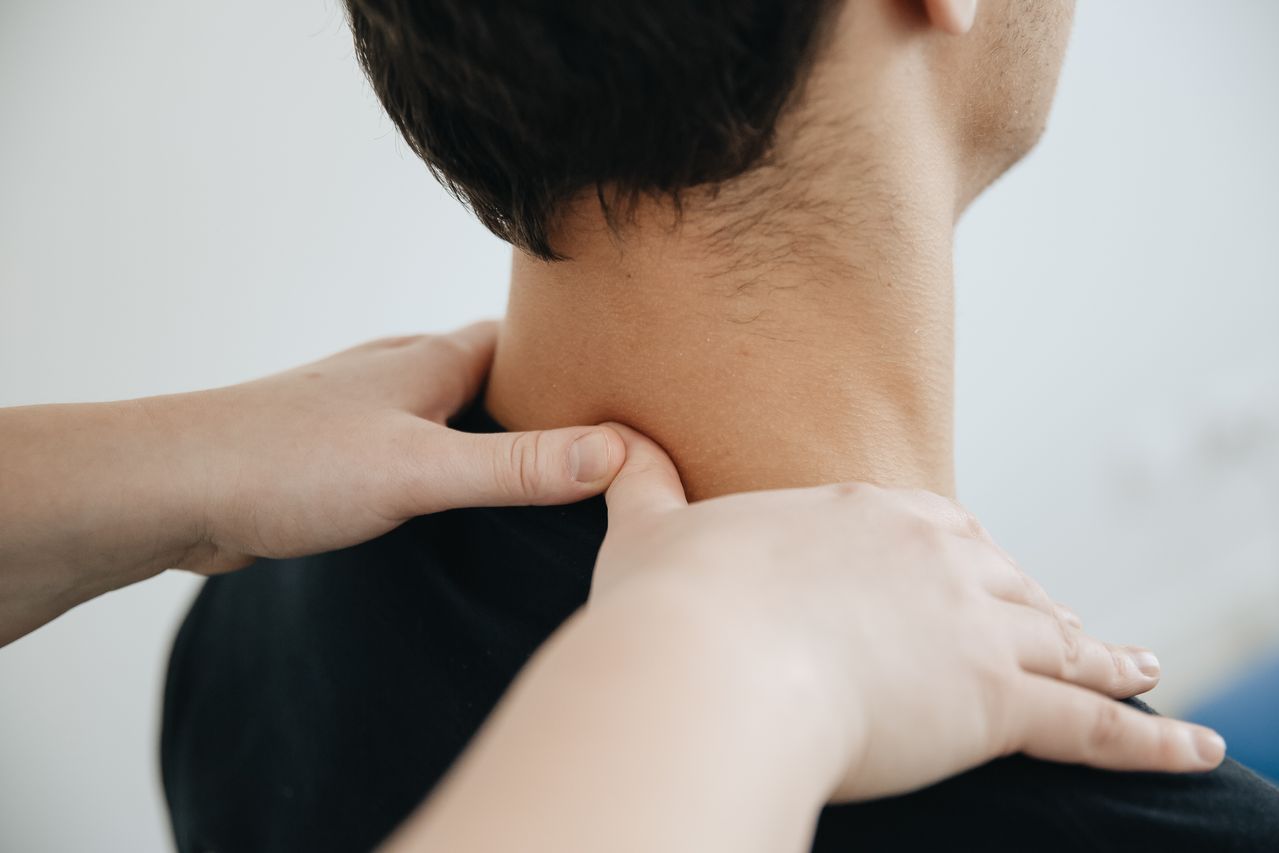
You do not have to give up massage. You only need to do it in a smarter way. Here is a simple routine.
- Warm up first. Place a warm towel or heating pad on your neck and shoulders for 10 minutes. Warm muscles respond better and hurt less.
- Use light to medium pressure. The pressure should feel like a gentle, pleasant ache, never sharp pain. A good rule is a 3 or 4 out of 10.
- Work the back and the sides of the shoulders. Focus on the muscles at the back of the neck and the top of the shoulders, not the front of the throat.
- Use slow, small circles. Spend 20 to 30 seconds on each spot. Breathe slowly the whole time.
- Keep your jaw relaxed. Let your teeth stay apart. Drop your tongue from the roof of your mouth.
- Stop if pain travels. If pressing a spot sends pain into your tooth, ear, or head, ease off right away. Move to another area.
- Limit the time. 5 to 10 minutes is plenty. Longer is not better.
- Finish with gentle movement. Slowly turn your head left and right, and tilt your ear toward each shoulder. Do not force it.
If you also deal with tight muscles lower down, you may like these tips to ease tight back and shoulder muscles. The back, shoulders, and neck work as one chain, so helping one area often helps the others.
What Are Some Advanced Strategies for Lasting Relief?
Once the basics feel comfortable, these steps can help you fix the cause and not only the pain.
Fix your desk and phone habits
Keep your screen at eye level. Sit with your ears over your shoulders. Take a 2 minute break every 30 to 45 minutes to stand, roll your shoulders, and look far away. When you use your phone, lift it closer to eye level instead of dropping your head.
Train your jaw to rest
A resting jaw has the lips together and the teeth apart. Set a reminder on your phone to check your jaw 3 times a day. Mayo Clinic also suggests avoiding gum chewing and nail biting, and eating softer foods when the jaw is sore.
Use heat and cold the right way
Heat helps tight, achy muscles. Cold can help when an area feels irritated or inflamed. Try moist heat for 10 to 15 minutes. If it feels worse, switch to a cold pack wrapped in a cloth for 10 minutes.
Try gentle jaw exercises
Open your mouth slowly, only as far as is comfortable, and close it again. Repeat 5 times. Then place a finger on your chin and gently press as you open, to feel if both sides move evenly. If you feel clicking, pain, or catching, stop and ask a professional before continuing.
Protect your teeth at night
If you wake up with a tired jaw or sore teeth, you may grind your teeth at night. A dentist can check for worn spots and may suggest a custom mouth guard. A store bought guard is better than nothing, but a fitted one is usually more comfortable and safer for long use.
Calm your stress response
Stress shows up in the body as tight shoulders, a clenched jaw, and shallow breathing. Try slow breathing: in for 4 seconds, out for 6 seconds, for 2 minutes. A short walk, light stretching, or quiet time before bed also helps. Stress and jaw clenching feed each other, so lowering stress often lowers the pain.
Check your sleep setup
Sleeping on your stomach twists the neck for hours. Try sleeping on your back or side with a pillow that keeps your neck level with your spine. A pillow that is too high or too flat can leave your neck sore by morning.
Build a pain plan for ongoing problems
If this keeps returning, treat it as a pattern, not a one time event. Keep a short note for 2 weeks. Write down when the pain starts, what you were doing, how you slept, and your stress level. Patterns will show up.
This also helps a professional help you faster. For more ideas, see this guide on how to manage chronic pain in a calm and steady way.
What Related Topics Should You Learn Next?
This topic opens the door to several others. As you learn more, you will see how connected the body is.
If your jaw clicks or locks, it helps to read about TMJ disorder and how it affects the neck and ears. If you wake up with a sore mouth, you may want to understand what happens when you grind your teeth at night and how a mouth guard protects you.
Many people also confuse a tension headache with tooth pain, because the pain sits in the same area. Others wonder how referred pain works in the body in the first place.
If you spend hours at a screen, learning about forward head posture and what it does to your neck and jaw can change your daily habits.
It also helps to know how to massage your neck safely, which gentle jaw exercises are worth trying, and how stress and jaw clenching feed each other.
On the other side, it is smart to know the warning signs of a tooth abscess, and how to tell sinus pressure from a real toothache. Each of these topics gives you another piece of the puzzle.
When Should You Get Expert Help?
Home care works for mild muscle pain. But some signs mean you should not wait. Please contact a dentist or doctor soon if you notice any of these:
- Tooth pain that is sharp, throbbing, or getting worse.
- Swelling in your gum, cheek, jaw, or neck.
- A fever along with tooth or jaw pain.
- A bad taste in your mouth or a pimple like bump on your gum.
- Pain that lasts more than 2 or 3 days without improving.
- Trouble opening your mouth fully, or a jaw that locks.
- Pain that keeps waking you at night.
Seek urgent medical care right away if you have trouble breathing or swallowing, swelling that spreads fast, or jaw or neck pain along with chest pain, shortness of breath, sweating, or nausea.
These can be signs of a serious problem, including a heart issue, and they should never be treated as a simple toothache.
Who should you see? Start with your dentist. They can check your teeth, gums, and bite, and tell you if the cause is dental. If the teeth look fine, they may point you to a doctor, a physical therapist, or a specialist in jaw and facial pain.
A physical therapist can teach you safe neck and jaw exercises. If gum trouble turns out to be part of the picture, a periodontist can step in.
Getting help is not a sign that you are overreacting. It is a smart way to protect your comfort and your health. You deserve a clear answer.
What Does the Future Hold for Neck, Jaw, and Tooth Pain Care?
Care for this kind of pain is changing in helpful ways. Dentists, doctors, and physical therapists are working together more than before, because they see how the jaw, neck, and teeth affect each other. Many clinics now look at posture, sleep, and stress along with the teeth.
More people also work from home and spend long hours at screens, so neck and jaw strain is becoming a common complaint. Because of that, you will see more focus on desk setup, short movement breaks, and early habits that prevent pain before it starts.
Better imaging, custom made mouth guards, and guided home exercise programs are also becoming easier to find. The main message stays the same, though. Treat the cause, not only the pain, and see a professional when something feels off.
Final Thoughts: You Are Not Alone, and There Is a Way Forward
A toothache after a neck massage can feel scary and strange. But now you know that it is often a case of shared nerves and tight muscles, not damage from the massage. Your neck, jaw, and teeth are closely linked, and a problem in 1 spot can echo in another.
Start with the simple steps. Be gentle with your neck. Relax your jaw. Fix your posture a little each day. Watch the pattern of your pain. And if something feels sharp, swollen, or just not right, let a professional take a look.
Your next step: Tonight, check your jaw. Teeth apart, lips closed, tongue relaxed. Then try the safe neck routine above for 5 minutes. If the tooth pain does not ease in 2 or 3 days, book a dental visit. You will feel better knowing the real cause.
Frequently Asked Questions
1. Can a neck massage really make my teeth hurt?
Yes. Pressing on tight neck muscles can send pain to the jaw and teeth through shared nerve paths. It is called referred pain. It is often temporary and fades as the muscle calms down.
2. How long does tooth pain from a neck massage last?
Most people feel it for a few hours up to 2 days. If it lasts longer than 3 days, gets worse, or comes with swelling or fever, see a dentist.
3. Can neck problems cause a toothache even without massage?
Yes. Tight neck muscles, poor posture, TMJ problems, and teeth grinding can all cause pain that feels like a toothache. Many people feel it with no massage at all.
4. Should I stop massaging my neck if my teeth hurt afterward?
Pause and be gentler. Use lighter pressure, shorter sessions, and avoid the front of the neck. If the tooth pain keeps coming back after massage, get your teeth and jaw checked.
5. How do I know if my toothache is from a muscle or a cavity?
Muscle pain is usually dull, spread out, and changes when you press on your neck or jaw. Cavity pain is often sharp or throbbing in 1 tooth and reacts to hot, cold, sweet, or biting. A dentist can confirm the cause quickly.
6. Can stress cause tooth pain that feels like a toothache?
Yes. Stress makes many people clench their jaw and tighten their neck and shoulders. That extra strain can make teeth feel sore even when they are healthy.
7. When is tooth and neck pain an emergency?
Get urgent help if you have swelling that spreads, trouble breathing or swallowing, a fever with severe pain, or jaw and neck pain together with chest pain or shortness of breath. Do not wait at home.