
 Harriet Wetton

You wake up with a free day. Maybe it is a Sunday. Maybe it is the only day you have before a flight, a meeting, or a busy week at work. You open your phone and type “tour in a day.” Then you stare at 40 tabs, 15 “must see” lists and a map full of pins.
Sound familiar?
You want to see something special. You also do not want to spend the whole day lost, tired or stuck in traffic. And you really do not want to get home at night thinking, “I wish I had skipped that place and gone to the other one.”
I understand that feeling. A day is short. Every wrong choice feels expensive.
The good news is that a great tour in a day is not about doing more. It is about choosing well. In this guide, I will show you how to plan a tour in a day from start to finish, in very simple steps.
You will learn what to pick, what to skip, how to save time and how to enjoy the day instead of racing through it.
By the end, you will have a clear plan you can use for any city, town or park in the world. Let’s start with the basics.
What Is a Tour in a Day?
A tour in a day is a trip where you see the best parts of a place within 1 day. You leave in the morning, explore a few key spots, eat something good and come home by night. Some people do it in their own city. Others do it while visiting a new town or country.
There are 3 common types.
1. A self guided tour. You plan everything yourself. You choose the places, the timing and the transport. This gives you the most freedom and often costs the least.
2. A guided group tour. A company takes you around in a bus or van. A guide explains the places. You do not need to plan much, but you follow a fixed schedule.
3. A private tour. A local guide or driver is hired just for you or your family. It costs more, but it is flexible and easy.
This article focuses mostly on the self guided style, because that is where planning matters most. But everything here will also help you choose a better guided tour.
Why Does a Tour in a Day Matter?
Not everyone can leave for 2 weeks. Many of us have jobs, school, children or a tight budget. A day trip is a way to explore without needing a long vacation.
There is also a quiet benefit. A good day out can reset your mood. You see something new. You walk. You eat food you do not cook yourself. You come home with a story to tell.
But here is the catch. A day trip can also go wrong very fast. If you plan too little, you waste time. If you plan too much, you feel stressed. Many people come home more tired than when they left.
That is why planning a tour in a day is a real skill. And the best part is that anyone can learn it.
How Does a Tour in a Day Work, Step by Step?
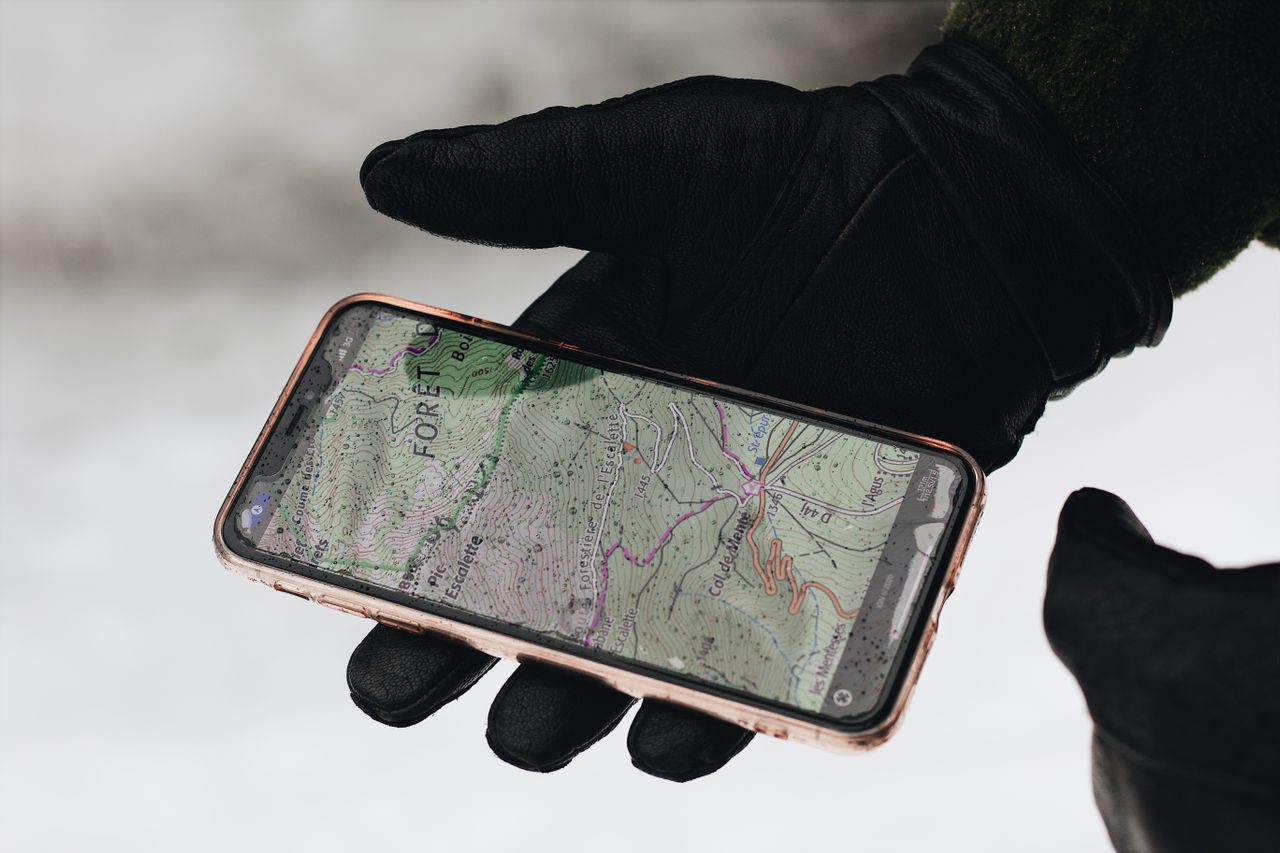
Short answer: pick 1 main goal, choose 3 to 4 stops near each other, plan your travel and meals, and keep some free time. Now let me walk you through each step in detail.
Step 1: Decide Why You Are Going
Start with a simple question. What do you want from this day?
Do you want history? Food? Nature? Photos? Shopping? Rest? A day with your kids?
Write your answer in 1 sentence. For example, “I want to see the old city and eat local food.” Or, “I want a calm day in the mountains with my family.”
This sentence becomes your compass. Whenever you feel confused, look at it. If a place does not match your sentence, skip it.
This is the step most people skip. They try to see everything and end up enjoying nothing.
Step 2: Pick Your Destination
Now choose where to go. Be honest about how much time you have.
A good rule is to keep travel time short. If you spend 5 hours in a car or bus for a 10 hour day, you only have 5 hours left for the actual tour. That is not much.
Here is a simple guide.
- If you have 8 to 10 hours, choose a place that is less than 1.5 hours away
- If you have 12 hours or more, you can go up to 2.5 hours away
- If you are touring your own city, you can start anywhere, but keep your stops in the same area
Also check the season and the weather. A beautiful beach in the rain is not much fun. A hiking trail in extreme heat can be dangerous. A quick weather check can save your whole day.
Step 3: Choose 1 Big Highlight
Every great tour in a day has 1 main attraction. This is your anchor.
It could be a famous monument, a museum, a lake, a market or a viewpoint. Choose the one thing you would be sad to miss.
Then build the rest of the day around it. If your anchor needs 3 hours, give it 3 hours. Do not squeeze it into 45 minutes just to add more stops.
One travel writer put it well in a popular day trip guide. The idea is to pick 1 big must do and then find a place to eat. That is a calm way to think about it. You do not have to prove anything with your day.
Step 4: Add 2 or 3 Smaller Stops
Once your anchor is set, add small stops close to it. These are the “bonus” places. A garden. A small cafe. A local shop. A quiet street with nice buildings.
Choose stops that are within 10 to 20 minutes of each other. Use a map to check the real distances. Many people forget that walking between places takes time, and crowded roads take even longer.
A smart tip is to put your stops in a loop or a straight line. You do not want to cross the same road 3 times in 1 day.
Step 5: Plan How You Will Move Around
Think about how you will travel. Walking, a taxi, a ride app, a train, a metro, a bus, your own car or a bicycle?
Each choice has pros and cons.
- Walking is free and lets you notice small things, but it is slow and tiring
- Public transport is cheap, but check the timings, especially for the last return trip
- Taxis and ride apps save time, but costs can add up
- Your own car gives freedom, but parking can be hard and expensive
Whatever you choose, find out the last time you can get back home. This is a small detail that causes big trouble. Many people enjoy the day and then realize the last train left 20 minutes ago.
Step 6: Build a Loose Schedule
Now put everything on a timeline. Here is a simple example for a 10 hour day.
- 8:00 AM: Leave home
- 9:30 AM: Arrive and have a light breakfast
- 10:00 AM to 12:30 PM: Main attraction
- 12:30 PM to 1:30 PM: Lunch
- 1:45 PM to 3:00 PM: Second stop
- 3:15 PM to 4:30 PM: Third stop
- 4:30 PM to 5:30 PM: Free time, shopping or rest
- 5:30 PM: Start the trip back
Notice that there are gaps. Notice there is a lunch break. Notice that nothing is packed tight. That is on purpose.
A schedule is a guide, not a rule. If you love a place, stay longer. If a place is boring, leave early. A tour in a day should serve you, not the other way around.
DK Eyewitness, a well known travel guide publisher, explains that building an itinerary helps bring your trip to life and gets you excited about your next adventure. You can read their simple steps in their guide on how to build a trip itinerary. dk
Step 7: Prepare the Small Things
The small things make or break a day. Before you leave, check these.
- Opening days and hours of every place you plan to visit
- Ticket prices and whether you can book online
- Weather for the whole day
- Phone battery, power bank and offline maps
- Cash and cards
- Water, snacks and a small first aid kit
- Comfortable shoes
- A light jacket or an umbrella, depending on the weather
When you do this the night before, your morning feels calm. You just wake up and go.
A Real Life Example: One Day in a Busy City
Let me share a simple story. It is a common one.
Ella has 1 free day in a big city she has never visited. She is excited, but she is also worried. She has read about 25 attractions online. She wants to see them all.
At first, she makes a list of 12 places. She spends 2 hours planning the route. By the time she starts, she is already tired.
Then a friend gives her a simple suggestion. “Pick 1 thing you really want. Then add 3 more nearby. That is enough.”
Ella tries it. Her anchor is an old fort. Nearby, she adds a bookshop street, a famous tea stall and a small garden. She lets herself walk slowly. She talks to a shopkeeper. She sits in the garden for 30 minutes and does nothing.
At night, she tells her friend, “I only saw 4 places. But it was the best day of my trip.”
That is the heart of a good tour in a day. You are not collecting places. You are collecting moments.
What Are the Most Common Mistakes People Make?
Many of us make the same errors. Knowing them early can save you a lot of frustration.
Mistake 1: Trying to See Everything
This is the biggest one. When you see a long list of attractions, it feels wrong to skip any. But rushing from place to place means you only see the outside of everything. You take photos but do not remember the feeling.
Fix: Choose quality over quantity. 4 places done well beat 10 places done badly.
Mistake 2: Forgetting Travel Time
People often plan a visit time but forget the time between places. A “20 minute drive” can become 50 minutes in traffic. Walking to a monument can take longer than the map says.
Fix: Add 25% extra time to every journey. If the map says 20 minutes, plan for 25.
Mistake 3: Skipping Meals
When you are excited, you forget to eat. Then at 4 PM you feel dizzy and cranky. A hungry traveler makes poor choices and enjoys less.
Fix: Plan your lunch like it is a real stop. Pick a place in advance, or at least an area with many food choices.
Mistake 4: Not Checking Opening Hours
Few things feel worse than arriving at a place and finding it closed. Many museums close on certain days. Some places stop selling tickets 1 hour before closing. Some are closed for religious or public holidays.
Fix: Check the official website the day before. Then check again in the morning if you can.
Mistake 5: Starting Too Late
A late start eats into your day. Crowds are bigger. Heat is stronger. Lines are longer. Parking is harder.
Fix: Leave early, even if it is hard. The first 2 hours of a trip are usually the calmest and the most beautiful.
Mistake 6: Wearing the Wrong Shoes
It sounds silly, but it is true. New shoes or stylish sandals can ruin a day. Sore feet make every stop feel like a chore.
Fix: Wear shoes you already know are comfortable. Style comes second.
Mistake 7: Having No Backup Plan
Rain can start. A road can close. A place can be full. If you have only 1 plan, one problem can break your whole day.
Fix: For every day, pick 1 or 2 backup options. A museum, a cafe or an indoor market works well when the weather turns.
The National Park Service teaches visitors to plan like a ranger, and says that a good plan helps you avoid common mistakes. Their trip planning guide is written for day trips and overnight trips. It is a trusted place to learn the basics, even if you are not going to a park.
How Can You Make a Tour in a Day Even Better? Advanced Strategies
Once you know the basics, you can use a few smart tricks. These are the habits that experienced travelers use again and again.
Start With the Place Everyone Else Visits Last
Most tourists follow the same pattern. They visit the most famous place at 11 AM. That is when the crowd is the biggest.
Try the opposite. Go to the most popular spot first thing in the morning, or very late in the day. You will have more space, better photos and a calmer mood.
Save the Best for Last
This is a lovely planning trick. If you can, end the day with the thing you are most excited about. A sunset at a viewpoint. A quiet walk by the water. A special dinner.
When the day ends on a high note, your memory of the whole trip becomes happier.
Use Maps in a Smarter Way
Do not just drop pins on a map. Filter them. Keep only the places that match your goal for the day.
Save your places in a list. Download the offline map so you can use it without internet. Check the street view of tricky spots, such as bus stops or entrances.
Learn 5 Local Words
You do not need to speak the language. But “hello,” “thank you,” “please,” “how much” and “where is” can change how locals treat you. It also makes the day feel warmer.
Keep 1 “Free Hour”
Leave 1 hour in your day with no plan at all. Use it to rest, wander, take photos or follow something that catches your eye.
Some of the best moments on any tour come from this free time. A street musician. A tiny shop. A friendly local who gives you a tip.
Think About Energy, Not Just Time
You have more energy in the morning. You get tired after lunch. So put active things, like walking or climbing, in the morning. Put calm things, like museums or cafes, in the afternoon.
When you match your plan to your energy, the day flows much better.
Eat Where Locals Eat
A good food stop can become the best part of your day. Look for places that are busy with local people, not only tourists. Ask your hotel staff, a taxi driver or a shopkeeper for a simple recommendation.
When Should You Get Expert Help?
Self planning works well for most people. But there are times when a little expert help makes life easier.
Maybe you are visiting a place where you do not know the language. Maybe the area has tricky transport. Maybe you are traveling with elderly parents or small children. Maybe the place needs special permits, or has safety risks like mountains, deserts or the sea.
In these cases, think about talking to a local guide, a trusted tour operator or the official tourism office of that place. These people know the roads, the timings and the hidden problems that a website may not mention.
A few simple tips when choosing help.
- Read recent reviews, not only old ones
- Ask exactly what is included in the price
- Check cancellation rules
- Choose small groups if you want a calmer experience
- Trust your feeling. If a seller is pushy, walk away
There is no shame in asking for help. A good guide can turn a good day into a great one.
What Will Tours in a Day Look Like in the Future?
Travel is changing, and a day tour is changing with it. Here are a few shifts worth knowing about.
Smarter planning tools. Maps and travel apps are getting better at suggesting routes, estimating crowds and showing real time changes. Planning that took hours now takes minutes.
Slow travel. More people want fewer places and deeper experiences. Instead of rushing, they want to sit, taste, talk and enjoy. This matches the “choose less” idea in this guide.
Local and small group experiences. People are looking for walks, food tours and workshops run by local people. These feel more personal than big bus tours.
Digital tickets and timed entry. Many popular places now use online booking and time slots. This helps reduce crowds, but it also means you must plan ahead.
Responsible travel. More travelers care about leaving a place clean and respecting local culture. Carrying your trash, respecting rules and supporting small businesses are becoming part of good travel.
The tools may change. But the heart of a great day trip will stay the same. A clear goal, a gentle plan and an open mind.
Your Quick Checklist for a Tour in a Day
Before you leave, run through this short list.
- I know why I am going
- I chose 1 main highlight
- I added 2 or 3 smaller stops nearby
- I checked opening hours
- I know how I will travel and when the last ride back leaves
- I planned lunch
- I kept 1 free hour
- I packed water, snacks, a charger and comfortable shoes
- I have a backup plan for rain or closed places
- I told someone at home where I am going
If you can say yes to all 10, you are ready.
Conclusion: You Do Not Need a Perfect Plan, Just a Kind One
A tour in a day does not have to feel like a race. It is not a test, and nobody is grading your list of places.
If you take 1 thing from this guide, let it be this. Choose less. Plan gently. Leave room for surprise.
You will probably forget some small things. A shop will be closed. A road will be slow. It might even rain. That is okay. Those little bumps often become the stories you laugh about later.
So pick your day. Pick your anchor. Pack your bag. And go.
If you want more simple, practical guides for everyday life, travel and learning, explore more at WillingToDo. Your next clear step is easy: open a map right now, choose your main highlight, and write the first 3 lines of your plan. That is all it takes to begin.
Frequently Asked Questions
1. How much can you really see on a tour in a day?
Most people can enjoy 3 to 5 places in a day without feeling rushed. This includes 1 main attraction, 2 or 3 smaller stops and a meal. If you try for more, you will spend most of your time moving instead of enjoying.
2. How early should I start a day tour?
Try to start between 7 AM and 9 AM. Early hours have fewer crowds, cooler weather and easier parking. You also get more usable daylight, which helps with photos and safety.
3. Is it better to take a guided tour or plan my own?
It depends on you. A guided tour is easier and gives you stories about the place. A self planned tour is cheaper and more flexible. If you are new to a place or short on time, a guide can help. If you like freedom, plan your own.
4. How do I plan a tour in a day on a small budget?
Choose free or low cost places like parks, markets and walking streets. Use public transport. Carry water and snacks. Eat 1 meal at a local place instead of a tourist restaurant. Check for free entry days at museums and parks.
5. What should I pack for a day tour?
Pack water, snacks, a phone charger or power bank, cash and cards, comfortable shoes, sunscreen or a rain jacket, a small first aid kit and a copy of your plan. Keep the bag light so you do not get tired.
6. How many hours does a good day tour need?
Most day tours work well in 8 to 12 hours, including travel time. If you have less than 6 hours, choose just 1 or 2 places and keep the plan very simple.
7. What if the weather turns bad during my tour?
This is why a backup plan is useful. Choose 1 or 2 indoor options near your main stops, such as a museum, a cafe or a covered market. Check the weather again in the morning and be ready to switch the order of your stops.