
 Harriet Wetton
Finding the perfect name for a male kitsune character can feel frustrating. You want a name that sounds ancient, mysterious, and powerful, but you might get stuck looking at standard name lists that do not capture the magical spirit of a fox demon.
A kitsune is not just any fantasy creature. In Japanese folklore, these shape-shifting fox spirits possess intelligence, magic, and deep ties to nature and fire.
If you are writing a fantasy novel, creating a tabletop roleplaying character, or designing an anime original character, giving your male kitsune the right name establishes his personality immediately.
At WillingToDo, we help creators and readers solve real-world creative problems with clear, practical guidance. By the end of this guide, you will understand how kitsune naming conventions work, how to choose names based on elements and traits, and how to pick a name that truly fits your story.
What Is a Kitsune Male and Why Does His Name Matter?
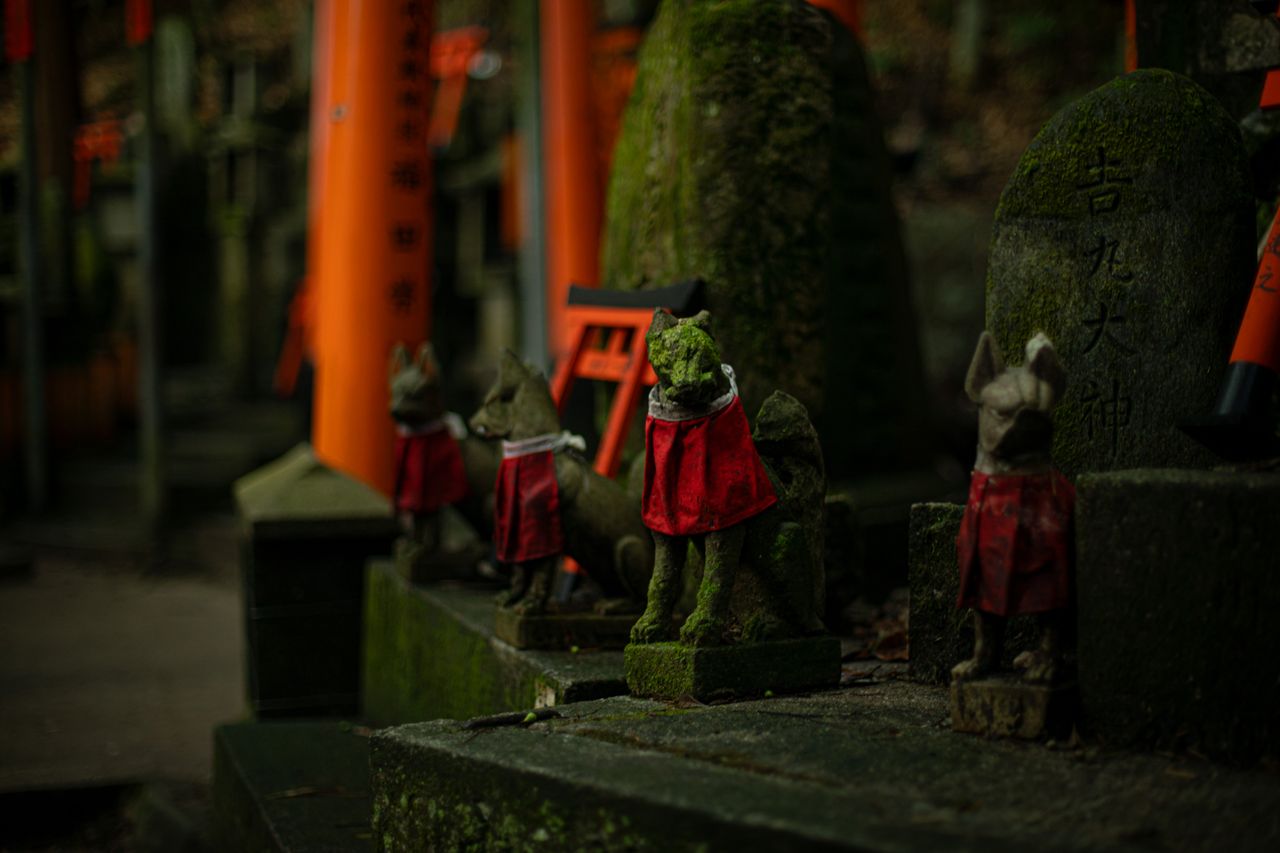
In Japanese mythology, a kitsune is a fox spirit capable of shape-shifting into human form once it reaches a certain age. Male kitsune are often portrayed as wise guardians, mischievous tricksters, fiery warriors, or shadowy illusions.
A name shapes how audience members perceive your character before he even speaks a word. A name tied to fire creates an expectation of passion, power, and aggression.
A name tied to moonlit shadows suggests secrecy, wisdom, and illusion. Matching the name to your character’s elemental affinity and core motivation makes your world building feel grounded and authentic.
How Kitsune Naming Conventions Work Step by Step
Choosing an authentic name for a male kitsune involves combining physical traits, magical elements, and traditional Japanese word roots.
Step 1: Identify His Elemental Power
Kitsune are strongly associated with specific natural elements. Decide which element fuels his power:
-
Fire (Kitsunebi): Fox-fire that burns bright or tricks travellers.
-
Light and Celestial: Sacred foxes tied to the sun, stars, or the deity Inari.
-
Shadow and Dark: Wild, rogue foxes (Nogitsune) who use illusions and darkness.
-
Wind and Lightning: Fast, energetic foxes that strike quickly.
Step 2: Select a Root Kanji or Meaning
Japanese names carry deep meanings based on the kanji characters used to write them. Selecting roots related to foxes, fire, wisdom, or sharp attributes creates a meaningful foundation.
Step 3: Combine with Strong Masculine Suffixes
Traditional male Japanese names often end with specific endings that signify strength, lineage, or order:
-
-ro or -rou: Signifies son or clarity (e.g., Saburo, Jiro).
-
-ma: Signifies truth or realness.
-
-ya: Signifies night or valley.
-
-maru: A traditional suffix given to boys and young warriors.
Male Kitsune Name Ideas by Category
Here is a curated collection of names categorized by elemental theme and character trait.
Fiery and Energetic Names
-
Kenei: Meaning bright flame and sharp mind.
-
Homura: Meaning blaze or flame, ideal for a fiery warrior.
-
Kasai: Meaning wild fire.
-
Raito: Meaning light or lightning spark.
Wise and Celestial Names
-
Zenki: Meaning ancient wisdom or noble spirit.
-
Shinju: Meaning sacred pearl, referring to the magical jewel kitsune carry.
-
Tenko: Meaning heavenly fox spirit.
-
Kiyoshi: Meaning pure and clear water or spirit.
Shadowy and Trickster Names
-
Kurai: Meaning dark or shadowy depth.
-
Akuma: Meaning spirit of trickery or wild shadow.
-
Genji: Meaning illusion or mysterious origin.
-
Yurei: Meaning ghost or soft mist.
If you need automated inspiration, you can explore interactive tools on Mythopedia to generate mythology-based naming variations.
Real-Life Writing Example: Naming a Rogue Male Kitsune

Imagine you are writing a story about a hundred-year-old fox spirit who lives in a hidden forest. He protects ancient shrines, uses blue fire to distract intruders, and hides his true form behind a human illusion.
Instead of picking a generic Japanese name like Taro, you choose Kasen, which combines the concepts of hidden fire and river mist. The name instantly tells the reader that this character is elusive, fiery, and deeply connected to nature.
Common Mistakes to Avoid When Naming Your Kitsune

-
Using Overused Anime Clichés: Picking extremely common character names can make your writing feel uninspired.
-
Ignoring Cultural Context: Ensure the words you combine actually make linguistic sense together.
-
Choosing Names That Are Too Long: If a name is hard to pronounce, readers will struggle to stay immersed in your story.
-
Mismatched Elements: Giving a gentle water-based kitsune a name that strictly means roaring volcano creates unnecessary confusion.
Advanced Naming Strategies for Worldbuilding
To make your male kitsune stand out further, consider these advanced naming techniques:
-
Age-Based Name Progression: In folklore, kitsune gain more tails and power as they age every 100 years. Give your character a juvenile birth name, then a ceremonial title once he reaches his ninth tail.
-
True Names vs. Common Names: Give your male kitsune a public human name he uses while wandering towns, and a secret true name that holds his magical power.
When to Seek Additional Creative Guidance

If you find yourself stuck while building complex magic systems, character arcs, or fantasy worlds, turning to dedicated writing communities or creative reference tools can reignite your process. Taking time to research historical folklore always pays off in the quality of your world.
Frequently Asked Questions
What makes a male kitsune name different from a female kitsune name?
Male kitsune names typically incorporate stronger masculine suffixes like -ro, -maru, or -ya, and often draw on meanings related to storm, fire, rank, or martial strength.
Can a male kitsune have a human name?
Yes. Kitsune often live among humans in disguise and take regular human names to blend into villages without drawing attention to their magical nature.
How do I show a kitsune’s rank in his name?
You can use prefixes or formal titles like Tenko (Heavenly Fox) or Kuko (Air Fox) as honorifics alongside his personal name.
Is it better to use fire or shadow meanings for a trickster kitsune?
Shadow or illusion meanings usually fit trickster foxes (Nogitsune) best, while fire meanings work great for guardians and elemental masters.
Should I use multi-word names for fantasy foxes?
Keeping personal names to two or three syllables works best for readability, while reserving longer compound titles for ceremonial occasions.