
 Harriet Wetton
Finding the right name for a character can feel surprisingly tough. You sit down to write a story, design a roleplay character, or name a new pet, and nothing sounds quite right. Every option feels too generic, too modern, or just wrong for a legendary fox spirit. If you feel stuck, you are not alone. Naming a mythical creature requires a balance of beauty, mystery, and cultural detail.
A kitsune is a powerful, intelligent fox from Japanese folklore. These creatures are famous for having multiple tails, mastering shapeshifting magic, and living for centuries. Choosing a name for one means capturing their nature, whether they are a benevolent protector or a mischievous trickster. This guide will walk you through everything you need to know about kitsune lore, name origins, cultural meanings, and practical naming strategies.
What Is a Kitsune and Why Does the Name Matter?
In Japanese folklore, the word kitsune simply means fox. However, these are not ordinary wild animals. Mythological kitsune are supernatural beings, also known as yokai, who possess high intelligence, magical abilities, and long lifespans. As a kitsune grows older and wiser, it gains more tails. A nine-tailed fox, or kyubi no kitsune, represents maximum power, ultimate wisdom, and immense spiritual power.
Names hold deep power in folklore. For a mythical entity like a fox spirit, a name reflects its moral alignment, elemental element, age, and personality. In traditional stories, kitsune are divided into two primary categories:
-
Zenko (Good Foxes): Benevolent spirits associated with the Shinto deity Inari. They bring good fortune, protect farmers, and guard sacred shrines. Their names usually sound serene, celestial, or noble.
-
Yako or Yakei (Field Foxes): Mischievous or malicious spirits that trick mortals, possess people, and cause chaotic trouble. Their names often reflect shadow, illusions, trickery, or fierce natural forces.
Choosing an accurate name anchors your character in authentic tradition while giving your audience an immediate feel for who the character is.
Core Naming Elements and Meanings
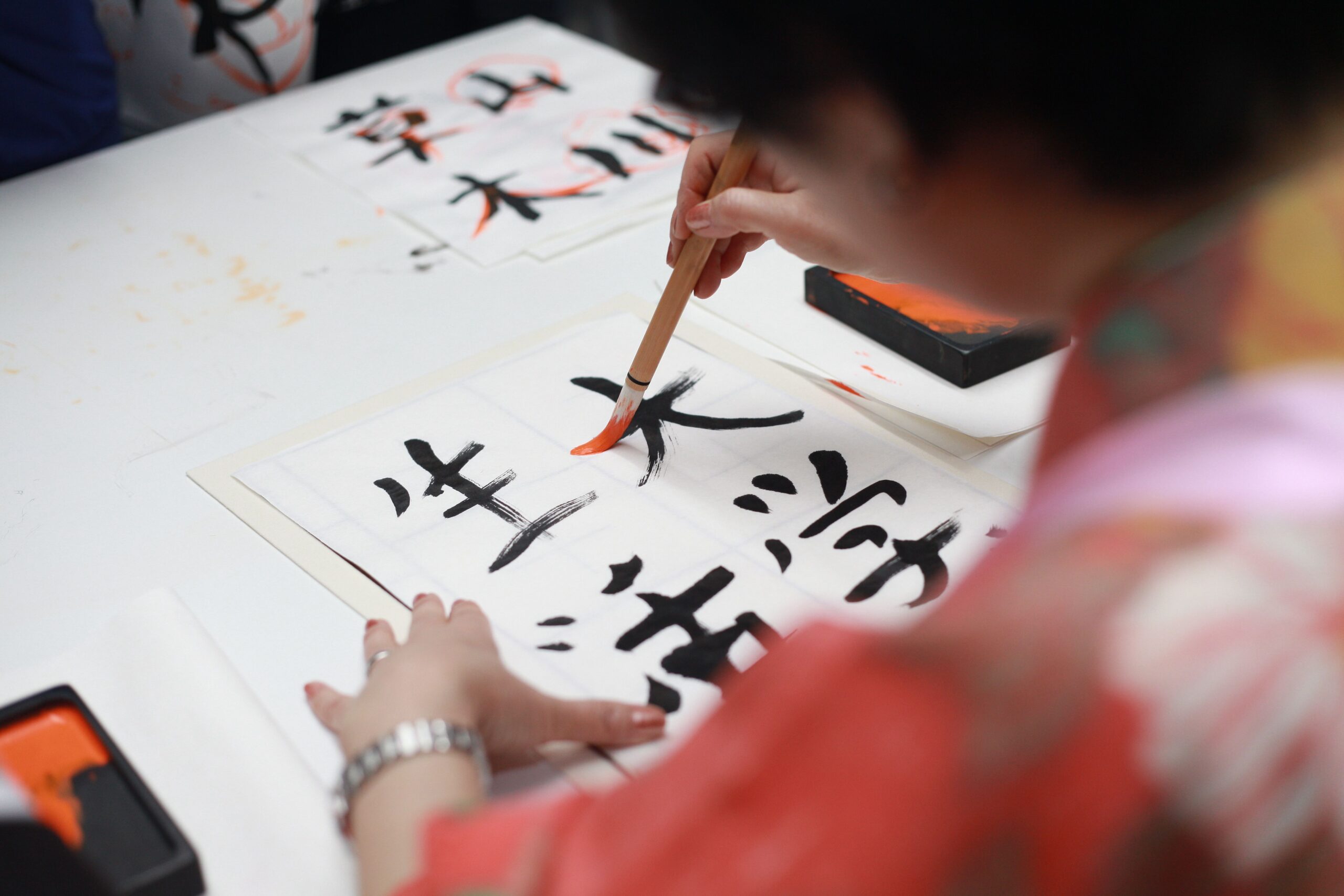
Japanese names often rely on natural elements, colors, and abstract concepts. When building a name for a fox spirit, combining root words creates rich, atmospheric meanings.
-
Elemental Roots:
-
Hi or Keno (Fire): Perfect for wild, fiery spirits or users of kitsune-bi (fox-fire). Example: Kagutsuchi or Hiromi.
-
Kaze (Wind): Represents speed, agility, and elusive behavior. Example: Kazeshini or Kazumi.
-
Yami or Kage (Darkness or Shadow): Ideal for dark, secretive yako spirits. Example: Kagemitsu or Kagora.
-
Tsuki (Moon): Associated with celestial magic, illusions, and high-level zenko spirits. Example: Tsukiko or Tsukiyomi.
-
-
Color Elements:
-
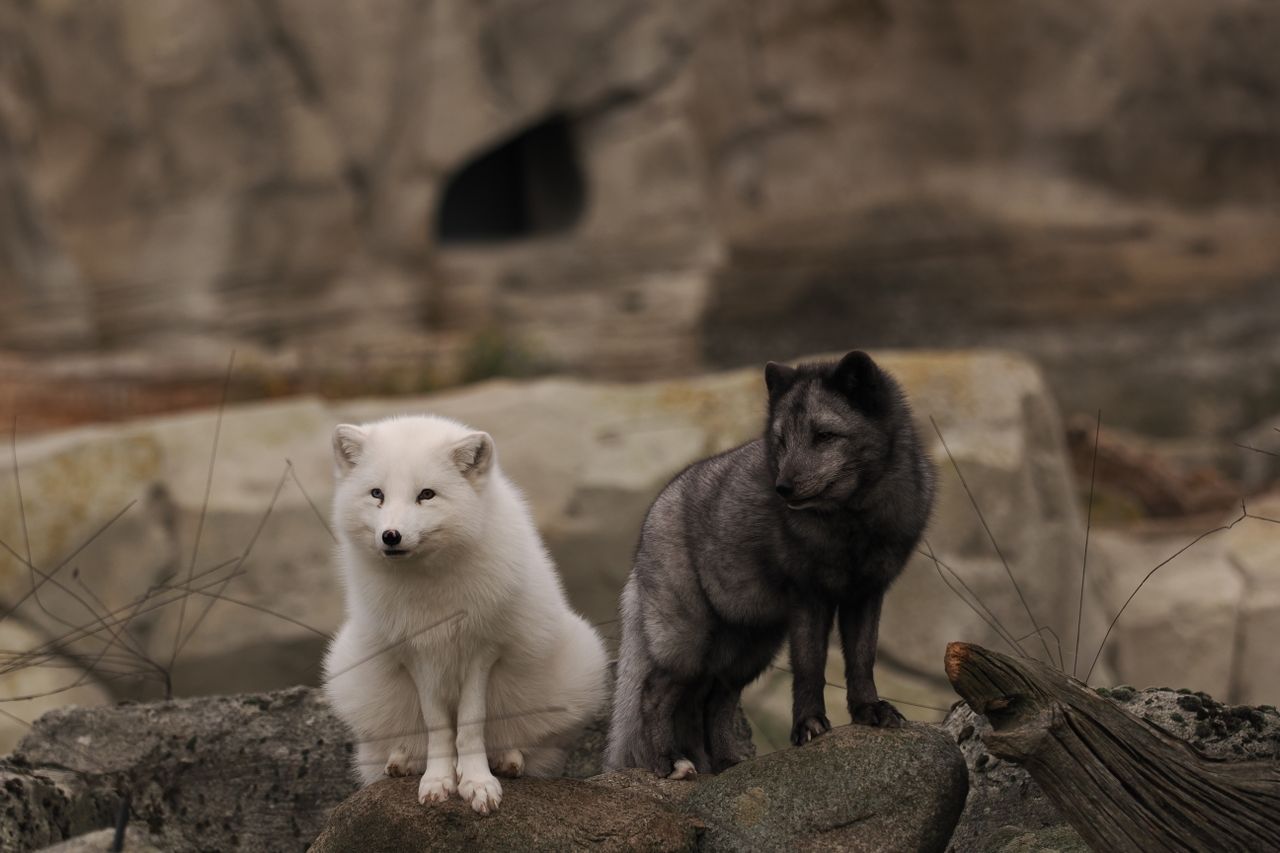
Shiro (White): Signifies purity, holy energy, and zenko status. A white fox is often seen as a direct messenger of the gods.
-
Kuro (Black): Represents secrecy, ancient age, and night magic.
-
Aka or Kitsu (Red/Orange): Represents traditional fire, wildness, and autumn energy.
-
Kin (Gold) / Gin (Silver): Reserved for ancient nine-tailed foxes of elite status.
-
Step-by-Step Guide to Naming Your Kitsune
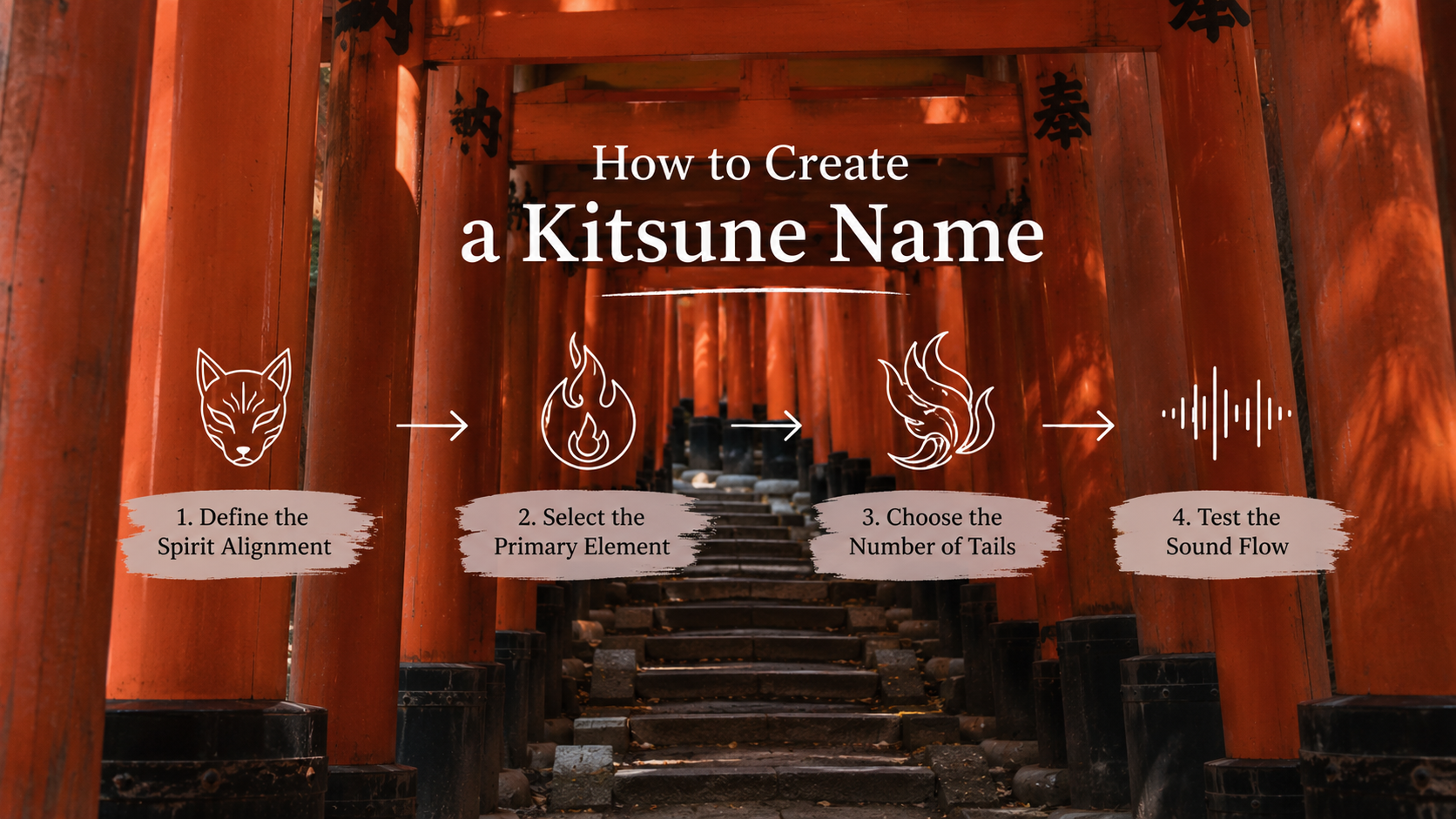
Follow these 4 simple steps to build a meaningful, authentic name for your fox character.
-
Define the Spirit Alignment: Decide whether your character is a holy guardian (zenko) or a rogue trickster (yako). A guardian needs a light, graceful name like Reiko (holy child) or Shinji (sacred belief). A trickster fits darker sounds like Akuma or Juro.
-
Select the Primary Element: Match the name to their primary power source. If your fox uses illusions under the moonlight, search for terms related to night, stars, or reflections.
-
Choose the Number of Tails: A one-tailed young spirit might have a simple, playful name like Pochi or Kiko. An ancient 900-year-old spirit needs a formal, historical title like Kitsune Tenko or Inari No Kami.
-
Test the Sound Flow: Say the name out loud. Kitsune names should roll off the tongue naturally. Smooth vowel endings (a, i, u, e, o) work best.
Real-Life Examples of Kitsune Names
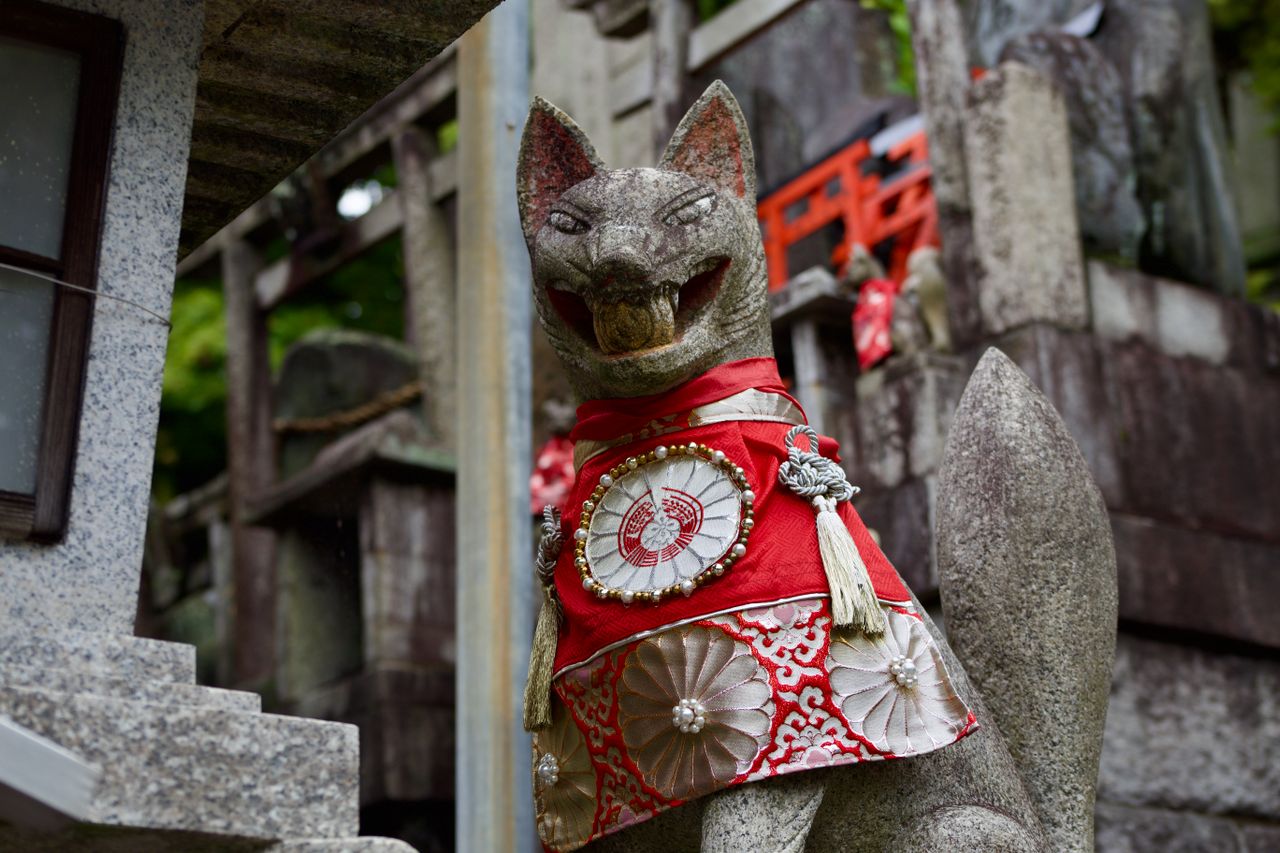
To see how these concepts work in practice, consider these examples across different media and folklore:
-
Tamamo-no-Mae: One of the most famous nine-tailed foxes in Japanese legend. Her name carries an elegant, aristocratic tone fitting for a spirit who disguised herself as a court lady.
-
Kuzenoha: A legendary fox mother who represents devotion, gentleness, and protective maternal love.
-
Ninetales / Vulpix: Modern pop-culture adaptations that use straightforward descriptive traits (nine tails, vulpine nature) to ground the creature instantly.
If you are writing a modern story set in a fantasy city, you can combine classic Japanese roots with modern naming styles. For a male spirit, options like Ren (lotus) or Ryuu (dragon spirit) work brilliantly. You can check dedicated male options like names that fit a kitsune male to match specific male character archetypes.
Common Mistakes to Avoid
-
Using Modern Slang: Giving an ancient 500-year-old fox spirit a trendy modern name breaks narrative immersion immediately.
-
Ignoring Cultural Context: Japanese names carry specific meanings based on kanji characters. Combining roots randomly can result in unintended or nonsense meanings.
-
Overcomplicating Pronunciation: If your readers or players cannot pronounce the name easily, they will lose connection with the character.
-
Mixing Mythologies: Avoid blending European fox lore names (like Reynard) with Japanese kitsune settings unless your story explicitly features a multicultural universe.
Advanced Naming Strategies
For deeper character development, build layered naming conventions:
-
True Names vs. Given Names: In many Asian folklore traditions, powerful spirits hide their true names to prevent mortals from controlling them. Give your kitsune a common public name used among humans, alongside an ancient secret name used only among spirit royalty.
-
Titles and Epithets: High-ranking foxes carry titles based on their age and power level.
-
Kanko (Celestial Fox)
-
Tenko (Heavenly Fox, 1000+ years old)
-
Reiko (Ghost Fox)
-
Kuko (Air Fox)
-
When generating unique names, tools like the Kitsune Name Generator on Mythopedia can offer quick inspiration based on classical mythology rules.
Kitsune Character Development and Related Subtopics
Naming your spirit is only the first step. To make your fox spirit feel alive, consider how their name interacts with their physical traits, personality flaws, and habitat.
-
Shapeshifting Habits: Kitsune often transform into beautiful women, wise old men, or young scholars. Their human disguise should use a name that subtle hints at their true fox identity without giving it away to unsuspecting villagers.
-
Fox Fire (Kitsune-bi): The glowing, ghostly blue or red fire generated by fox tails. Names built around light, sparks, and embers match characters who master this magic.
-
The Star Pearl (Hoshi no tama): Small, glowing orbs held in a kitsune’s mouth or tail. These hold the spirit’s vital energy. A character driven to protect their jewel needs a name that reflects value, treasure, or guardianship.
When to Seek Cultural or Expert Advice
If you are writing a historical fiction novel, producing a commercial video game, or publishing a comic book centered around Japanese mythology, research matters. Misinterpreting cultural symbols can alienate readers. In these cases, consult native Japanese speakers, folklore scholars, or cultural sensitivity readers to verify that your character names and kanji choices respect the original folklore traditions.
Future Trends in Mythological Storytelling
Mythology-inspired media continues to grow globally. Today’s audiences love urban fantasy settings where ancient creatures navigate modern technology. Expect to see more hybrid names that combine traditional folklore roots with modern international flair, allowing classic characters like the kitsune to remain relevant to new generations of readers and gamers.
Conclusion
Naming your kitsune character does not have to be frustrating. By focusing on elemental traits, color symbolism, and moral alignment, you can create a name that feels authentic, memorable, and powerful. Pick a direction, test how it sounds out loud, and let your character’s story bring the name to life.
Frequently Asked Questions
What does the name Kitsune mean?
Kitsune is simply the Japanese word for fox. In folklore context, it refers specifically to magical fox spirits with supernatural abilities like shapeshifting and tail multiplication.
What are good names for a white kitsune?
Names like Shiro, Haku, Yuki (snow), Tsukiko (moon child), or Reiko (holy spirit) are ideal choices for a white fox spirit.
What is a female kitsune called?
While kitsune is a gender-neutral term, famous female fox spirits in folklore include Tamamo-no-Mae and Kuzenoha. Popular feminine name roots include -ko (child) or -mi (beauty).
How many tails can a kitsune have?
A kitsune can have anywhere from 1 to 9 tails. The number of tails indicates age, wisdom, and magical power. A 9-tailed fox (kyubi) is an ancient, supreme spirit.
What is kitsune-bi?
Kitsune-bi translates to “fox-fire.” It refers to the floating, ghostly lights or fire produced by fox spirits using their tails or breath.