
 Harriet Wetton
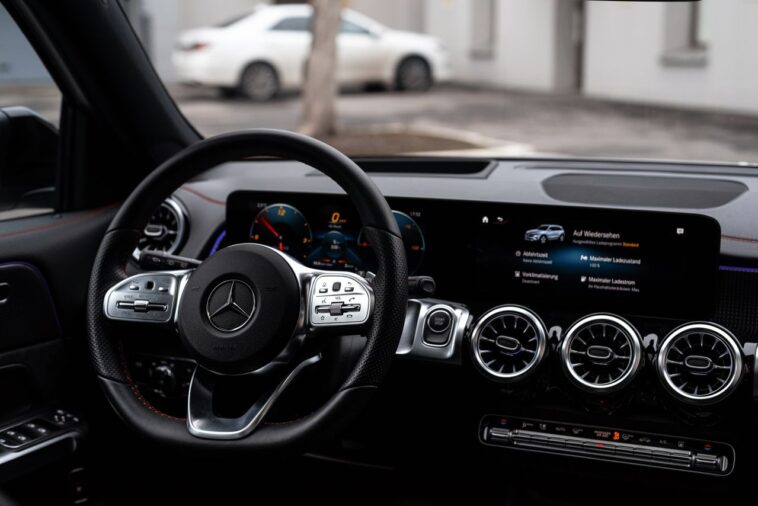
Service B is a scheduled maintenance visit for your Mercedes Benz. It is the larger of the 2 regular services, and it includes everything in Service A plus extra checks and replacements, such as the cabin air filter and brake fluid.
Think of your car like your own body. Service A is like a basic health checkup. Service B is the full checkup with extra tests. Both are important. Service B simply goes deeper.
Mercedes Benz uses a system that tells you when your car needs attention. The system watches how you drive, how long the oil has been in the engine, and how many miles you have covered. When it decides it is time, it shows a message on your dashboard.
Most of the time, the car alternates between the 2 services. You get Service A first. A year later, or around 10,000 miles later, you get Service B. Then it goes back to A, then B again, and so on.
Here is the simple pattern:
- First visit: Service A
- Second visit: Service B
- Third visit: Service A
- Fourth visit: Service B
That pattern keeps your car healthy without doing the biggest job every single time.
Why the names A and B exist
Mercedes needed an easy way to separate small services from bigger ones. So they used letters. Service A covers the basics. Service B covers the basics and adds more. It is a simple labeling idea, and it has been used for many years.
One note before we go on. The exact list of jobs can change based on your model, your year, and your country. A C Class from 2018 may have a slightly different list than an E Class from 2023. Always ask your service advisor for the exact checklist for your car. You have every right to see it before you say yes.
Why Does Service B Matter So Much?
Let us be honest. Skipping a service feels harmless. The car still starts. It still drives. Nothing looks wrong. So why spend the money?
Here is the truth. Most serious car problems do not appear suddenly. They grow quietly. Old oil wears down engine parts. Old brake fluid absorbs moisture over time. A dirty cabin filter makes your air smell strange and puts extra strain on the fan. These things cost very little to fix early. They cost a lot when ignored.
Service B matters for 5 big reasons:
- It protects your engine. Fresh oil and a new oil filter keep moving parts smooth.
- It protects your safety. Brake fluid, brake pads, tires, and lights all get checked.
- It protects your health. A fresh cabin filter cleans the air you breathe inside the car.
- It protects your money. Small repairs caught early are much cheaper than big repairs later.
- It protects your resale value. Buyers love a full service record, and a Mercedes with a clear history sells for more.
Imagine selling your car in 3 years. One buyer has a car with a full stamped service history. Another has a car with missing records. Which one would you trust more? Most people choose the first one, and they are happy to pay more for it.
How Often Do You Need Service B?
In many regions, Mercedes recommends service every 10,000 miles or once a year, whichever comes first. Because the 2 services alternate, you will usually have Service B every 2 years or about every 20,000 miles. That is a general guide, not a promise.
Your car may ask for service sooner if you:
- Drive mostly short trips
- Sit in heavy traffic often
- Live in a very hot or very dusty place
- Tow heavy loads
- Drive hard or fast most days
Short trips are a surprise for many owners. If your drive is only 5 minutes, the engine never fully warms up. That is actually harder on the oil than a long highway drive. So a car that “barely gets used” can still need attention on time.
The best rule is simple. Trust the message on your dashboard, and check your owner’s manual for details about your exact model.
What Does Service B Include? (Step by Step)
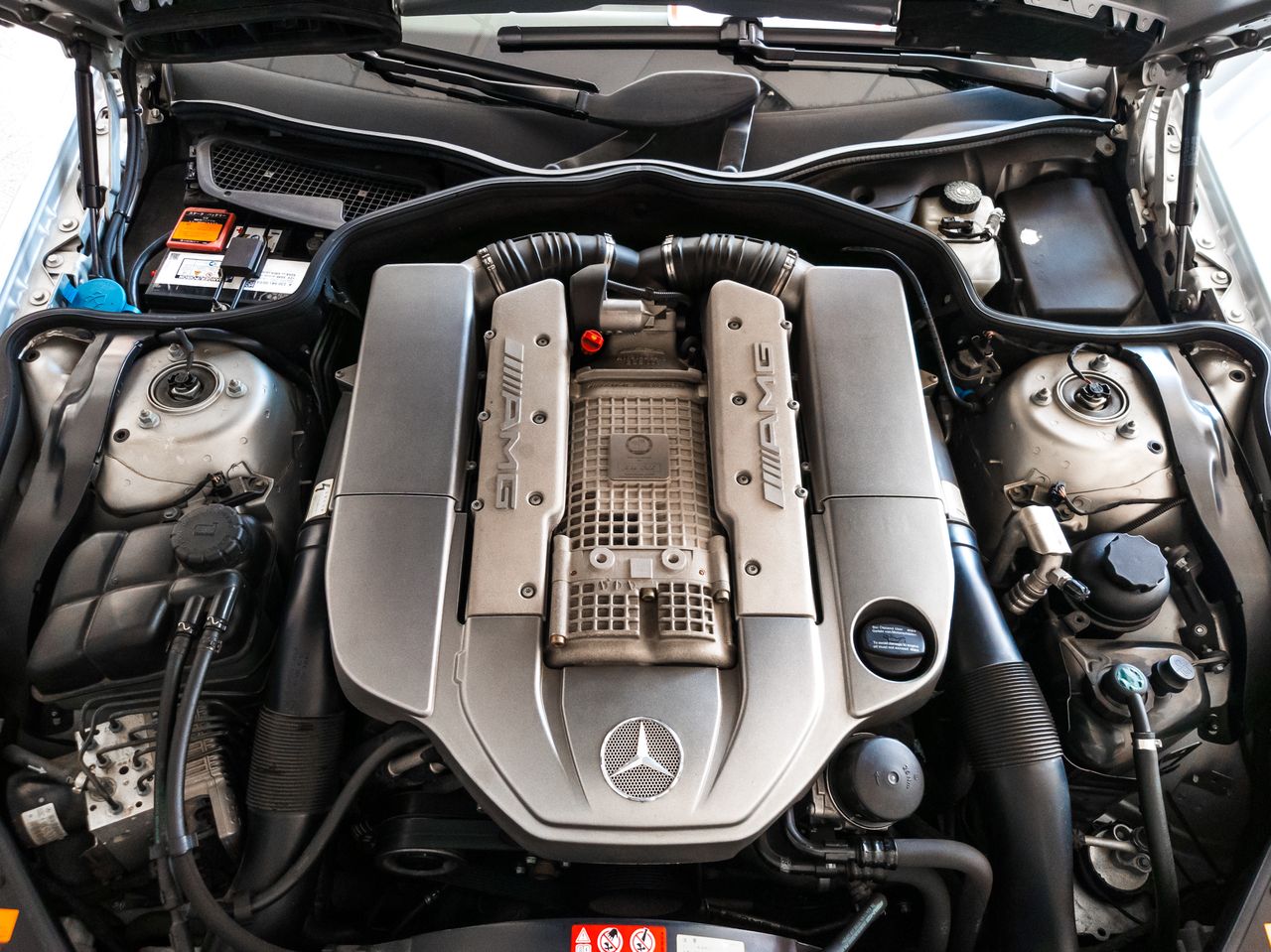
This is the part most owners want to know. Let us walk through it clearly. Remember, the exact list can vary, but this is what is commonly included.
Step 1: Everything from Service A
Service B starts with all the basics:
- Engine oil and oil filter change
- Fluid level checks, such as coolant, washer fluid, and power steering fluid where fitted
- Tire pressure check and tire condition check
- Brake check
- Lights and wipers check
- Reset of the service indicator in the car
Step 2: Cabin air filter replacement
This filter cleans the air that enters your car through the vents. Over time it fills with dust, pollen, and dirt. If you ever noticed a musty smell or weak airflow, this filter may be the cause. In Service B, it is usually replaced, not just checked.
Step 3: Brake fluid check or replacement
Brake fluid absorbs moisture slowly over time. Wet brake fluid does not work as well, and it can damage parts inside the brake system.
Many Mercedes models call for a brake fluid change every 2 years, and Service B often lines up with that schedule. This is one of the most important safety jobs on the list.
Step 4: Deeper inspection
The technician looks closely at parts that wear slowly. These often include:
- Brake pads and brake discs
- Suspension parts
- Steering parts
- Exhaust system
- Underbody and protective covers
- Rubber boots and hoses
- Battery condition
Step 5: Tire rotation or tire checks
Some workshops rotate tires during this visit, so they wear evenly. Others only check tread depth and pressure. Ask what your workshop does.
Step 6: Road test and final report
A good workshop takes the car for a short drive. They listen for noises and feel how the car behaves. Then you should get a clear report of what was done and what may need attention soon.
That report is your friend. Ask for it. Keep it. It builds trust and a service history.
A Real Life Example: Madison and Her C Class
Let us look at a story that happens more often than you think.
Madison bought a used C Class. She was proud of it. After 18 months, her dashboard showed Service B. She was busy, so she ignored it. “It runs fine,” she told herself.
Six months later, she noticed the brake pedal felt a little soft. The air from her vents smelled dusty. She also saw an oil warning once. She finally booked a visit.
The workshop found old brake fluid with high moisture, a very dirty cabin filter, and oil that was long overdue. The brake pads were also worn thin on one side. What could have been a simple Service B turned into a bigger bill with extra repairs.
Madison felt frustrated. She said, “I wish someone had told me it mattered this much.”
That is exactly why this guide exists. A small visit on time would have saved her stress and money. The good news is that she fixed everything before something dangerous happened, and her car is now running well.
Maybe you have felt the same worry. Maybe you delayed a service because life got busy. That is normal, and it is fixable. The key is to act now rather than later.
How Much Does Service B Cost?
This is the question everyone asks, and the honest answer is: it depends.
In the United States, many owners pay somewhere between $400 and $900 for Service B at a dealership. Independent workshops that specialize in Mercedes often charge less, sometimes in the range of $300 to $700.
These are general ranges, and your real price can be higher or lower. Prices in other countries will be different.
What changes the price?
- Your model: A bigger engine often needs more oil and more expensive parts.
- Your location: Labor rates differ from city to city.
- Type of workshop: Dealerships usually cost more than independent shops.
- Extra repairs: Worn brake pads or tires add to the bill.
- Oil type: Mercedes engines need oil that meets specific approvals, and these oils cost more.
A smart habit is to ask for a written quote before work begins. A good workshop will explain each line in simple words. If something feels unclear, ask. You are not being rude. You are being careful.
Service A vs Service B: What Is the Difference?
The main difference is depth. Service A is the basic service. Service B includes everything in Service A and adds a cabin filter replacement, brake fluid service, and a more detailed inspection.
Here is a quick way to remember it:
- Service A is lighter, quicker, and usually costs less.
- Service B is bigger, takes longer, and usually costs more.
Some owners wonder if they can skip Service B and just keep doing Service A. That is not a good idea. Brake fluid and the cabin filter need attention on a schedule, and A does not cover them. Skipping B means those parts are not looked after.
Common Mistakes to Avoid
Let us talk about the mistakes that cost owners the most. You can avoid every one of these.
Mistake 1: Ignoring the dashboard message
Many people think the message is just a sales trick. It is not. The car calculates it using real data from your driving. Ignoring it for months can lead to older oil, tired fluid, and worn parts.
Mistake 2: Using the wrong oil
Mercedes engines are built with tight limits. They need oil that meets Mercedes approvals. Cheap or incorrect oil can harm the engine over time. Always ask what oil is being used and check that it matches your manual.
Mistake 3: Choosing a workshop only by price
A very low price can mean old methods, wrong parts, or skipped steps. Look for a workshop with Mercedes experience, good reviews, and clear communication. Cheapest is not always smartest.
Mistake 4: Not keeping records
If you do not keep your invoices and reports, you lose proof of care. That hurts resale value and can even cause problems with warranty claims.
Mistake 5: Forgetting the service indicator reset
After service, the indicator in the car must be reset. If it is not, your car may keep showing the old message, and you will not know when the next one is really due.
Mistake 6: Saying yes to everything without asking
Sometimes a workshop suggests extra work. Some of it is needed. Some of it can wait. Ask a simple question: “Is this urgent, or can it wait?” A trustworthy person will give you an honest answer.
Mistake 7: Waiting until a problem appears
Maintenance is cheaper than repair. If you wait for a warning light, you often pay more.
Expert Tips to Get the Most from Every Service
After years of seeing how owners handle car care, a few habits always stand out. These simple tips can save you real money and stress.
Tip 1: Book early. Do not wait until the last mile. Book when the message first appears, so you are never rushed.
Tip 2: Ask for the checklist. Before work starts, ask what is included in your Service B. Compare it with your manual.
Tip 3: Keep a small folder. Store every invoice in one place, either on paper or on your phone.
Tip 4: Check the basics yourself. Once a month, look at your tire pressure and your lights. It takes 3 minutes.
Tip 5: Listen to your car. New sounds, new smells, or a different feel in the brakes are all signals. Do not wait for the next service if something feels off.
Tip 6: Ask to see old parts. When a filter or brake pad is replaced, you can ask to see the old one. Honest workshops are happy to show you.
Tip 7: Learn the warning lights. Your manual explains each one. Knowing what they mean removes fear.
Advanced Strategies for Long Term Care
Once you understand the basics, you can go a little deeper. These ideas are for owners who want to keep their Mercedes in great shape for many years.
Understand how the service system works
Newer Mercedes models use a system that adjusts service timing based on how you drive. This is often called the Flexible Service System, and many owners know its older name, ASSYST. It looks at oil quality estimates, driving style, and time.
That is why 2 owners with the same model can get their service messages at different times.
Plan for extra services
Besides A and B, your car may call for additional jobs at certain points. These can include spark plugs, transmission fluid, coolant, or fuel filter changes.
They are not part of every Service B. They come at their own intervals. Ask your advisor to show you a full maintenance plan so you can budget ahead.
Budget in advance
Instead of being shocked by a bill, set aside a small amount each month. Even $40 to $60 a month can cover most yearly maintenance. This turns a stressful moment into a planned one.
Match your service style to your driving
If you mostly drive short distances, consider checking your oil more often between services. If you drive long highway trips, check tires more often. Your car does not live in a lab. It lives in your real life.
Think about tires and brakes together
Many owners treat tires and brakes as separate. In reality, they work as a team. Worn tires hurt braking. Old brake fluid hurts pedal feel. Looking at both during Service B gives you a full safety picture.
Use official information as your guide
Your owner’s manual is the first source of truth. For official owner resources and service information, you can also visit Mercedes Benz USA, where owners can find service details for their region and model.
Related Subtopics Every Owner Should Know
Service B is one part of a bigger picture. Once you understand it, you will probably want to learn more about other topics that connect to it. Here are the ones owners ask about most.
Many people want to learn what Service A includes in a Mercedes Benz, because it explains the first half of the alternating schedule. Others wonder about the cost of a Mercedes Benz Service B, especially when comparing quotes.
If you like to double check the work, a Mercedes Service B checklist is handy to carry into the workshop.
Some owners also get confused by the bigger plan. A full Mercedes Benz maintenance schedule shows what happens at every mileage point, not only A and B.
A common debate is dealer service vs independent Mercedes mechanic, and the right choice depends on your budget, warranty, and comfort level.
Two jobs deserve extra attention. A Mercedes brake fluid change is one of the most important safety tasks, and a Mercedes cabin air filter replacement affects the air you breathe.
Finally, many owners ask how to reset the Mercedes service indicator and which engine oil is right for a Mercedes Benz, since both are easy to get wrong.
Each of these topics can save you stress and money. Reading about them one by one will make you a more confident owner.
When Should You Get Expert Help?
You can learn a lot on your own. You can check tire pressure, read your manual, and keep your records neat. But some jobs belong in the hands of a trained technician.
It is wise to get expert help when:
- Your dashboard shows a warning light you do not understand
- You hear grinding, squealing, or knocking sounds
- The brake pedal feels soft or sinks
- You notice leaks under the car
- Your car feels different when steering or braking
- You are unsure what your Service B should include
A good technician does not just fix things. They explain what they see in simple language. They show you proof. They respect your time and budget. If you feel pressured or confused, that is a sign to ask more questions or get a second opinion.
Remember, asking for help is not a weakness. It is smart. A Mercedes is a precision machine, and it deserves skilled care.
Future Trends in Mercedes Benz Maintenance
Car care is changing fast. Here are a few shifts that owners can expect to see more of.
Smarter service reminders. Cars are getting better at predicting when parts need attention. Instead of fixed schedules, more models use real driving data to decide.
Phone app connections. Many owners can already see service status, book appointments, and view history through apps. This will become more common and more useful.
Electric models need different care. Electric Mercedes cars do not need engine oil changes. Their service focuses on brakes, tires, cabin filters, coolant for batteries, and software. The old A and B pattern may look different for these cars.
Software updates. More fixes and improvements will arrive through updates, not only workshop visits.
More digital records. Service history is moving online, which makes it easier to prove your car was well cared for.
Even with these changes, the main idea stays the same. Regular, honest, on time maintenance keeps a car safe and valuable.
Conclusion
Let us go back to that dashboard message. “Service B due.” It sounded stressful at the start of this guide. Now you know what it really means.
Service B is not a trick. It is a bigger checkup that keeps your engine smooth, your brakes safe, your air clean, and your car valuable. It usually comes every 2 years or about 20,000 miles, and it includes everything from Service A plus a few important extras.
You also know the common mistakes, the smart questions to ask, and the habits that save money.
If you have been putting off a service, take a breath. It is not too late. Most problems are easy to fix when caught early. Be kind to yourself, and simply take the next step.
Your next step: Open your owner’s manual or service booklet today, check your next service date, and book your appointment. Ask for a written checklist and quote before the work begins. It takes 10 minutes now and can save you hundreds later.
Frequently Asked Questions
1. What is Service B on a Mercedes Benz?
Service B is a scheduled maintenance visit that includes everything in Service A, plus extra jobs like a cabin air filter replacement, a brake fluid service, and a deeper inspection of key parts.
2. How often should I do Service B?
Usually every 2 years or about 20,000 miles, because it alternates with Service A. Your dashboard message and owner’s manual give the best guide for your car.
3. Is Service B more expensive than Service A?
Yes, in most cases. It takes more time and includes more parts, so the price is higher. Many owners pay between $400 and $900 at a dealership, while independent shops are often lower.
4. Can I skip Service B and only do Service A?
It is not recommended. Service A does not cover brake fluid or the cabin filter, so skipping B can leave important parts unchecked.
5. Does Service B include an oil change?
Yes. Engine oil and the oil filter are changed in both Service A and Service B.
6. Can an independent mechanic do Service B?
Yes. Many skilled independent workshops can do it well. Choose one with Mercedes experience, use the correct oil and parts, and keep your invoices as proof of service.
7. What happens if I miss my Service B date?
A short delay is usually not an emergency, but a long delay can lead to old oil, tired brake fluid, and extra wear. Book as soon as you can.