 Harriet Wetton
You look up at a plane crossing the sky and a small voice says, “I want to do that.” Then the second voice shows up. “That must cost a fortune.”
Maybe you already searched for the price and got confused. One site said $8,000. Another said $25,000. A flight school website showed a clean package price, but a friend warned you that the final bill is always bigger.
That confusion is normal, and it is frustrating. Nobody wants to start something they cannot finish. Plenty of people begin lessons, run out of money halfway, and stop. That is a painful way to end a dream.
This guide will help you avoid that. You will see what the cost of getting a private pilot license looks like in plain numbers, where the money goes, why two students pay very different totals, and how to keep your bill under control.
We will start with the basics and move to smarter strategies. You do not need any flying knowledge to follow along.
What Is a Private Pilot License?
A private pilot license lets you fly a plane yourself for fun, travel, or personal trips. You can carry passengers, such as family and friends. You cannot be paid to fly.
One small note about words. In the United States, the FAA actually calls it a private pilot certificate actually calls it a private pilot certificate. Most people still say “license,” so this article uses both. They mean the same thing.
The minimum age is 17 for powered flight, and you can fly solo at 16. You do not need a college degree. You need good health, a clear head, and the patience to learn step by step.
If you can drive a car and do basic school math, you can learn to fly. The hard part is not the skill. For most people, the hard part is the budget. So let us talk about that first.
How Much Does It Cost to Get a Private Pilot License?
In the United States, most students pay between $15,000 and $20,000 in 2026. Some pay less, and some pay more, depending on the school, the plane, and how often they fly.
You will see different numbers online, and that is because every source measures a little differently. Here is a quick look at what the 2026 guides say:
- One guide puts a realistic total at $15,000 to $20,000.
- Another says most students pay about $15,000 to $22,000 all in.
- A third gives a wider range of $12,000 to $25,000, and says training efficiency is the biggest factor in where you land.
- A cost report gives a median all in cost of $18,083.
Notice something? The numbers cluster around $15,000 to $20,000. The low prices you sometimes see, like $8,000 or $10,000, usually assume you finish in the bare minimum number of hours. Very few people do.
That is why it helps to think of the price in two parts. There is the “sticker price,” which is the minimum on paper.
Then there is the “real price,” which is what students actually pay. Plan for the real price. If you spend less, great. If you plan for the sticker price and the real price shows up, that is when stress begins.
If you like clear, honest price breakdowns, you may enjoy this guide on how much a porta potty costs. The topic is very different, but the idea is the same: look at every line item before you decide.
Where Does the Money Actually Go?
Let us open the bill. A private pilot license is not one purchase. It is a group of smaller costs that add up.
Aircraft rental
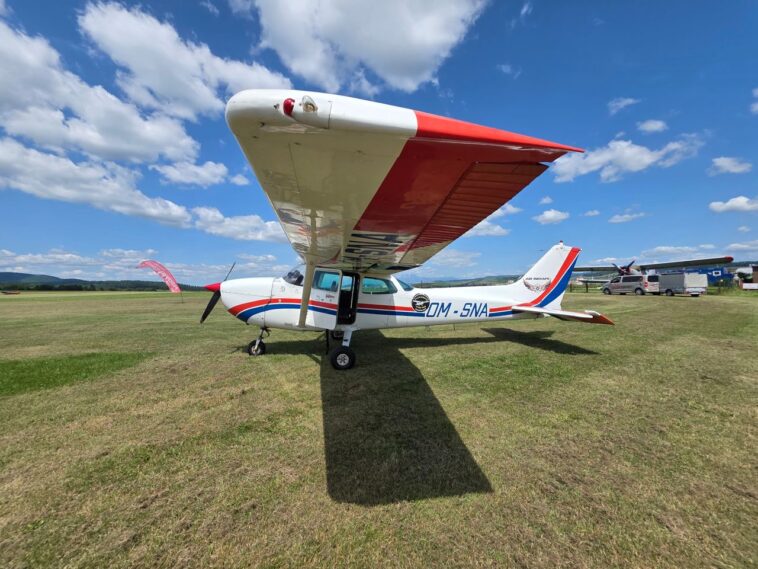
This is the biggest piece. You pay by the hour to fly the plane. Most students train in a Cessna 172, and rentals run about $180 to $220 per hour at most US flight schools.
That usually includes fuel, which is called a “wet” rate. Some schools charge a “dry” rate, which means you pay for fuel on top.
Instructor time
Your instructor teaches you in the air and on the ground. Instructor rates are usually $60 to $90 per hour. Good instructors are worth every dollar. They keep you safe and help you finish faster.
Together, rental and instructor time make up about 80% of the total bill. That is why the number of flight hours matters so much.
Ground school and study materials
Before you take the written test, you need to learn the rules, weather, navigation, and how planes work. Some people use an online course. Others study with an instructor or a book. Study materials can range from free FAA downloads to full video courses.
Other costs like exams, medical, and supplies often add up to a fairly fixed $1,500 to $3,000, no matter how fast you train.
Medical exam
You need a medical certificate from an FAA approved doctor. A third class medical exam usually costs $100 to $200. Please do this early. If a health issue shows up, you want to know before you spend thousands on lessons.
The written test
This is the FAA knowledge test. It costs about $175. You need a score of 70% or higher to pass.
The checkride
The checkride is your final exam. An examiner tests you on the ground and in the air. The examiner fee is often $700 to $1,000.
Gear
You will need a headset, a logbook, charts, and maybe a tablet. Some students borrow gear at first. Others buy the basics right away. Plan on a few hundred dollars here, and more if you want nicer equipment.
Here is a simple way to remember it. The plane and the instructor are the big costs. Everything else is smaller but still real.
How Many Flight Hours Do You Really Need?
This one question explains why prices vary so much.
The FAA sets a minimum. Under the usual rules, you must log at least 40 hours of flight time, including 20 hours of training with an instructor and 10 hours of solo flying.
Some approved schools follow a different rule set called Part 141, and the minimum there is 35 hours.
Now here is the part that surprises people. The FAA itself says the average student takes much longer than the minimum. The agency notes that the average is closer to 75 hours. Other guides say most students land between 60 and 75 hours.
Why the gap? Because the minimum assumes everything goes perfectly. Real life does not. Weather cancels lessons. Planes go in for maintenance.
Instructors change schedules. Some skills, like landing, take extra practice. And if you fly only once every 2 weeks, you spend part of each lesson remembering what you forgot.
Think of it like learning to drive. Some people feel ready after the minimum practice. Most people need more time behind the wheel. That is not failure. That is normal learning.
So when you budget, use 60 to 75 hours, not 40. If you finish sooner, you keep the extra money.
How Does the Process Work, Step by Step?
Let us walk through the path from “I’m curious” to “I’m a pilot.” It is simpler than it looks.
Step 1: Take a discovery flight. Most flight schools offer a short first lesson at a small price. You sit in the plane, an instructor lets you handle the controls, and you see if you love it. It is the cheapest way to test your dream before you commit.
Step 2: Get your medical certificate. Book an exam with an FAA approved doctor. If you pass, you are ready to move on. If something comes up, talk to the doctor about your options.
Step 3: Choose a flight school or instructor. Visit at least 2 or 3. Ask how they price lessons. Ask how many students they have. Ask what happens if your instructor leaves. A friendly, steady instructor is worth more than a fancy building.
Step 4: Start lessons and study at the same time. Try to fly at least 2 to 3 times a week if you can. Study the ground material between lessons. This combination is what keeps your costs down.
Step 5: Fly your first solo. This is a big moment. You take off and land alone while your instructor watches from the ground. Many pilots say they remember this day forever.
Step 6: Build experience. You will practice cross country trips, night flying, and emergency skills. You will log your time carefully in your logbook.
Step 7: Pass the written test. Take it when you feel ready, not when you feel rushed.
Step 8: Pass the checkride. The examiner will ask you questions and then fly with you. If you pass, you receive a temporary certificate that day. You are officially a private pilot.
How long does all this take? If you fly 3 or more times each week, many students finish in about 3 months. If you fly 2 or 3 times a week, 3 to 6 months is common. If life is busy and you fly less, it can take a year or more.
If you enjoy planning a big goal with small steps, you might like this guide on how to plan a tour in a day without feeling rushed. The same calm planning habit helps with flight training too.
What Does This Look Like in Real Life?
Numbers make more sense with a story. Here is a simple example with 2 imaginary students. They are made up, but their stories are very common.
Maya is 24. She works full time. She has a good job, but she takes lessons once every 10 days when she can fit them in. Each lesson, she and her instructor spend the first 15 minutes reviewing what she forgot.
Weather cancels 3 of her lessons. She reaches the checkride after 80 hours. Her total lands at the high end of the range.
Daniel is 31. He saved up before he started. He booked lessons 3 times a week for 3 months. He studied the written material at night.
He used a simple home flight simulator for practice on cross country planning. Some guides note that a desktop simulator can reduce the time and cost of flight training by about 10 percent. He finished in 62 hours. His total landed near the middle of the range.
Both students are smart. Both worked hard. The difference was not talent. It was rhythm, planning, and a little luck with the weather.
Do you see the lesson here? Cost is not only about the school you choose. It is about how you train. Flying more often, studying between lessons, and staying consistent can save you thousands.
What Are the Most Common Mistakes to Avoid?
Let us talk about the mistakes that quietly drain budgets. If you know them now, you can skip them.
Mistake 1: Trusting the lowest quote
A school may advertise a very low price based on 40 hours. Then the real bill arrives. Ask the school how many hours their students usually need. If they will not answer clearly, be careful.
Mistake 2: Starting without a financial plan
Some people begin lessons with only enough money for the first few weeks. Then they pause, forget what they learned, and have to repeat lessons. That pause itself costs money. Try to save at least half your estimated total before you begin, or have a clear plan for the rest.
Mistake 3: Skipping the medical exam
This one hurts. Imagine spending $5,000 on lessons and then learning you cannot get a medical certificate. Get the medical done first. It is a small cost that protects a big one.
Mistake 4: Flying too rarely
Spacing lessons far apart is one of the most expensive habits in flight training. A guide on 2026 costs notes that weather delays, inconsistent scheduling, and retraining can raise the average cost by 30 to 50 percent. That is a big jump. Consistency is the cheapest tool you have.
Mistake 5: Showing up unprepared
If you arrive at a lesson without reading the material, your instructor must teach it from scratch. You are paying instructor and plane rates while you learn something you could have read at home. Study first. Fly second.
Mistake 6: Changing schools or instructors again and again
Every new instructor needs time to learn how you fly. Switching often can cost extra hours. If you are unhappy, it is fine to change. Just do it for a good reason, not on a whim.
Some schools add fuel surcharges, ramp fees, or booking fees. Ask for a full list before you sign anything. A fair school will be happy to share it.
Mistake 8: Going too fast with money you do not have
Debt for flight training can feel exciting in the moment and heavy later. Be honest with yourself. A slower path you can afford is better than a fast path that causes stress.
What Are Some Advanced Ways to Lower the Cost?
You have the basics. Now let us look at smarter moves. These are the ones experienced pilots wish they had known earlier.
Learn in a simple, older airplane
New planes fly almost like old ones. AOPA, a large pilot group, gives this advice: find a well maintained older airplane, because you learn the same skills for a lot less money.
Fancy screens and extra gadgets look cool but add cost. Basic gauges teach you the fundamentals well.
Join a flying club
Some clubs let members rent planes at lower hourly rates. You also meet other pilots who share tips. It is worth asking at your local airport.
One 2026 guide lists joining a flying club as one legitimate way to cut costs without hurting quality.
Study the ground material before you fly
Do the written test prep early. The more you know on the ground, the less time you spend explaining things in a plane that costs $200 an hour.
Use a simulator for practice
A basic home simulator will not count toward your official flight time. But it can help you practice radio calls, cockpit checks, and flight planning. Practice at home is far cheaper than practice in the air.
Look for scholarships
Many students do not realize help exists. Groups like AOPA, EAA, and others offer flight training scholarships each year. AOPA also lists scholarships and tips for paying for training. Apply even if you think you will not win. The worst answer is no.
Pay in smaller steps
Some schools let you pay per lesson. Others sell blocks of hours at a discount. Block pricing can save money if you are sure you will keep flying. If you are not sure, pay as you go until you are.
Pick the right training rules
Part 61 and Part 141 are two ways schools run training. Part 141 has a lower minimum of 35 hours, but it is more structured. Part 61 is more flexible. Neither is always cheaper. Ask each school how their students actually do.
Fly in good weather seasons if you can
If you live where winters are harsh, plan to train during calmer months. Fewer cancellations mean fewer wasted days and less relearning.
Protect your momentum
This is the quiet secret. People who treat flying like a habit finish faster. A steady weekly routine matters more than any discount.
If building habits is your challenge, simple discipline is a good place to start, because it shows how small daily choices beat big bursts of effort.
What Related Topics Should You Learn Next?
A private pilot license is the first step in a bigger world. Once you understand the cost of getting one, you may start asking new questions. Here are the ones people ask most.
Some people want to know if there is a cheaper way to start. A sport pilot license is a lighter certificate with fewer hours and simpler planes. One 2026 guide estimates it at $4,500 to $7,500, but it comes with more limits on what and where you can fly.
Others want to go further. An instrument rating lets you fly in clouds and low visibility. It is the usual next step for pilots who want to fly in more kinds of weather. After that, a commercial pilot license lets you get paid to fly, and costs more again.
Then there is the money side. Many readers want to know about flight training scholarships and loans, and how to build a flight training budget they can really stick to.
Some also ask how long it takes. A guide to how long it takes to get a pilot license can help you plan your calendar as well as your wallet.
And if you are comparing schools, Part 61 versus Part 141 flight schools is a topic worth a full read. So is the FAA medical certificate, because it is the first gate you must pass.
Each of these deserves its own deep guide. For now, just know they exist, so you can explore them when you are ready.
When Should You Talk to an Expert?
You can learn a lot from articles. But some questions need a real person.
Talk to an experienced flight instructor if you want help estimating hours based on your schedule. Talk to an aviation medical examiner before you spend money if you have any health concerns. Talk to a school’s finance team if you plan to use a loan or scholarship.
Visit more than one school. Ask honest questions. A good instructor will not rush you or pressure you. They will explain the plan and the cost in plain words. If someone makes you feel small for asking about money, that is a red flag.
At WillingToDo, our goal is to give you clear, practical guidance so you walk into those conversations prepared. Think of this article as your first checklist. Then let real experts fill in the details for your local airport.
What Is Changing in Flight Training?
Flight training keeps changing, and a few trends are worth watching.
Prices are climbing. Fuel costs, plane maintenance, and instructor pay all affect hourly rates. A 2026 report noted that Jet A fuel averaged $8.63 per gallon in April 2026. That does not mean every school raises prices at once, but it is a reason to book a rate you can lock in if you are ready.
Schedules are getting more structured. More schools are using clear lesson plans, so students know what to expect and how to prepare. That kind of structure helps students waste fewer hours.
Simulators are improving. Better simulators help schools teach certain skills at lower cost. Approved devices can count toward some training in some programs, though home simulators do not count toward your official time.
Instructor availability matters more. Airlines hire many pilots, and instructors often move on. That is why asking a school about instructor turnover is smart.
More people are starting later in life. Plenty of adults begin flying in their 30s, 40s, and beyond. You are not too late.
None of this should scare you. It simply means that good planning today pays off more than ever.
Is the Cost of a Private Pilot License Worth It?
Let us come back to the beginning. That small voice that said “I want to do that” is still there.
Yes, learning to fly costs real money. Most people pay $15,000 to $20,000, and some pay more. That is a serious number, and it is okay to feel nervous about it.
But you now know something many beginners do not. You know where the money goes. You know why the minimum hours are not the real hours. You know the mistakes that waste money, and the choices that save it.
You do not need to be perfect. You do not need to be rich. You need a plan, a steady rhythm, and a good instructor.
Your next step is small. Book a discovery flight at a local school. Ask about hourly rates and how many hours their students usually need. Write the answers down. Then build your budget from real numbers, not guesses.
Flying has a way of making people feel proud. If it is your dream, you can get there one lesson at a time.
Frequently Asked Questions
How much does a private pilot license cost in 2026?
Most students in the United States pay about $15,000 to $20,000. Some pay less with efficient training and some pay more if lessons are spread out or extra practice is needed.
How many hours do I need to get a private pilot license?
The FAA minimum is 40 hours under the usual rules, or 35 hours at some approved schools. Most students need 60 to 75 hours before they are ready for the checkride.
How long does it take to get a private pilot license?
If you fly 3 or more times a week, many students finish in about 3 months. If you fly 2 or 3 times a week, 3 to 6 months is common. Flying less often can stretch the time to a year or more.
What is the biggest cost in learning to fly?
Aircraft rental and instructor time. Together they make up about 80% of the total bill, which is why the number of flight hours matters so much.
Is there a cheaper way to start flying?
Yes. A sport pilot license usually costs less, but it limits the type of plane you can fly and where you can fly it. It can be a good starting point for some people.
Do I need a medical exam to become a pilot?
Yes. You need at least a third class medical certificate from an FAA approved doctor. The exam usually costs $100 to $200, and it is smart to take it before you start lessons.
Can I get help paying for flight training?
Yes. Groups like AOPA and EAA offer scholarships, and some schools offer financing. Apply early and ask each school what they recommend.