
 Harriet Wetton
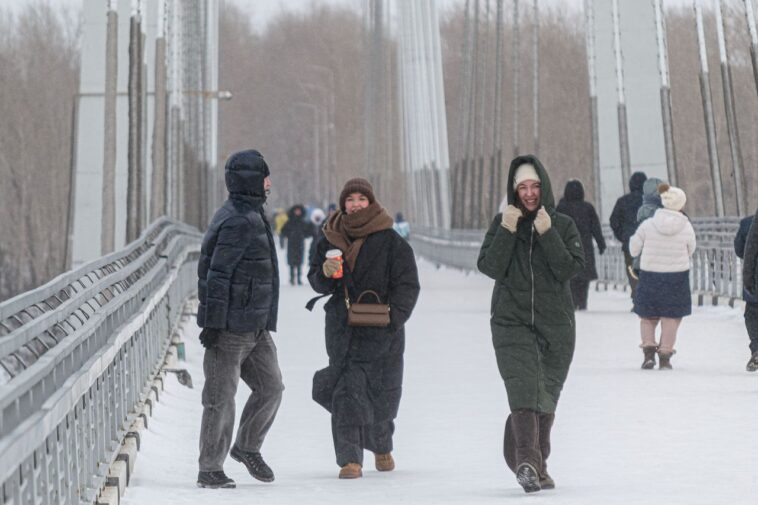
You step outside in the morning. The sun is out, so you think it will be fine. Then the wind turns the corner of the street and hits you like a wall. Your ears sting. Your fingers go numb. You still have a 20 minute walk to the subway.
If that sounds familiar, you are not alone. Millions of people feel this every winter, and many of them are not even sure what to wear. Some pile on 5 layers and feel like a marshmallow. Others dress for looks and spend the whole day shivering.
New Yorkers have solved this problem in their own way. They walk a lot, they stand on cold platforms, they run in and out of heated buildings, and they still look put together. That mix of warmth and style is what people call new york style winter clothing.
In this guide, I will explain it in very simple words. You will learn what it is, how to build it step by step, what mistakes to avoid, and how to shop smart. Whether you live in a cold city, you are visiting for the first time, or you just love the look, you will leave with a clear plan. Keep reading, because the layering section near the middle changes how most people dress.
Why Is Dressing for a New York Winter So Hard?
Let us be honest about the real struggle first.
New York winter is not just cold. It is unpredictable. One day it is 45°F and sunny. The next day it is 20°F with sleet and a wind that cuts through cotton like paper. January and February are usually the toughest months, and temperatures often sit near freezing or below.
Then there is the daily routine. You may walk 15,000 steps a day. You may wait outside for a bus. You then step into a train or an office that feels like a sauna. Your body goes from freezing to sweating in 10 minutes.
Here are the pain points I hear most often:
- “I am always cold, even with a big coat.”
- “I sweat on the train and then freeze outside.”
- “Warm clothes make me look bulky.”
- “I spent a lot on a coat and it still does not work.”
- “I do not know what to pack for my trip.”
Each of these is a real and fair frustration. The good news is that none of them are your fault. Most of them come from one small gap in knowledge. People buy single items instead of building a system. Once you understand the system, everything gets easier.
What Is New York Style Winter Clothing?
New York style winter clothing is a way of dressing for cold weather that mixes warmth, comfort, and a clean, simple look.
It is not a single brand or a single coat. It is a mindset. People in the city want clothes that work hard all day. They want to walk fast, sit in meetings, grab dinner, and take the train home, all without changing.
Here are the main features of the style:
- Layers that can come off. You can add or remove pieces as the temperature changes.
- A strong outer coat. Usually long, plain, and well cut.
- Neutral colors. Black, grey, navy, camel, cream, and olive appear again and again.
- Texture over loud patterns. Wool, knit, leather, and corduroy add interest without shouting.
- Practical shoes. Boots that handle slush, ice, and long walks.
- Smart accessories. Scarves, gloves, and hats that do real work and also look good.
If you take only one idea from this section, take this one. In New York, nothing is there only for show. Every piece has a job, and the best pieces do 2 jobs at once.
Why Does It Matter How You Dress in Winter?
Some people think clothing is only about looks. In winter, it is also about health, mood, and money.
Your health. Cold wind and wet clothes can drain your body heat fast. Staying warm protects you from getting sick and from feeling worn out by noon. If you ever felt tired and cranky after a cold commute, your clothes may have been part of the reason.
Your mood. When you feel warm and confident, your day goes better. When you are shivering, it is hard to focus on anything. Good winter clothing gives your mind some peace.
Your wallet. Cheap items that fall apart after one season cost more over time. A small set of well chosen pieces can last 5 years or longer. Buying with a plan beats buying on impulse.
Your confidence. A simple, well fitted outfit makes you feel capable. That feeling is a big part of why people love this style.
How Does New York Style Winter Clothing Work? A Step by Step Plan
This is the heart of the guide. Follow these steps in order, and you will have a full winter outfit system.
Step 1: Start with the right base layer
The base layer touches your skin. Its job is to keep you dry and a little warm.
Pick thin tops made from merino wool or a soft thermal blend. Merino is great because it stays warm even if it gets a bit damp, and it does not smell bad quickly. Avoid thick cotton as your first layer. Cotton holds sweat, and wet cotton makes you colder.
Short answer: The best base layer for winter is a thin, snug top made from merino wool or a thermal blend, not plain cotton.
Step 2: Add a middle layer for warmth
The middle layer is where most of your warmth comes from. Think of a sweater, a knit pullover, a fleece, or a flannel shirt.
Good options include:
- A chunky knit sweater
- A merino crew neck
- A soft cardigan
- A warm shirt with a thick weave
If you like a rugged, classic look for this layer, a heavy flannel works well. You can see some ideas in this guide on Highlander shirts for men, which shows how a sturdy checked shirt can be worn under a coat and still look sharp.
Step 3: Choose an outer coat you will really wear
This is the piece people spend the most on, so take your time.
Ask yourself 3 questions:
- How cold does it get where I live or where I am going?
- How far do I walk each day?
- Do I need to dress up for work?
For most city winters, a wool coat that falls near the knee is a great choice. It blocks wind well and looks neat over a suit or jeans. For very cold or wet days, a longer puffer coat with a hood is a smart pick. Many New Yorkers own both and switch based on the forecast.
When trying on a coat, wear the thickest sweater you plan to use under it. Raise your arms. Sit down. If it feels tight, go up a size.
Step 4: Pick pants that match the weather
Jeans are fine for mild days, but they can feel icy in strong wind. On colder days, try wool blend trousers, corduroy, or lined pants. Some people wear thin thermal leggings under their regular pants. No one can see them, and they make a big difference.
Dark colors hide salt stains and slush marks. That is a real concern after a snowy week.
Step 5: Get boots that can handle the city
Cold feet can ruin your whole day. Look for boots with these features:
- A thick, grippy sole that will not slip on ice
- Water resistant material
- Enough room for warm socks
- A comfortable fit for long walks
Leather boots with a rubber sole are a classic. If you expect heavy snow, choose a pair with a waterproof lining. Pair them with wool socks. Thin cotton socks will not cut it.
Step 6: Use accessories as your secret weapon
Accessories are small, but they carry a lot of weight in winter.
- Hat: A beanie keeps heat in. You lose a lot of warmth through your head.
- Gloves: Choose lined gloves. If you use your phone a lot, find a pair that works with touch screens.
- Scarf: This is the most flexible piece you own. It protects your neck, adds color, and can even act as a small shield against wind.
If you want to learn different ways to wrap a big, cozy scarf, check out this simple walkthrough on how to wear a blanket scarf. One good scarf can change the look of the same coat in 5 different ways.
Step 7: Finish with one personal touch
New York style is simple, but it is never boring. Add one small detail that feels like you. It could be a bright scarf, a vintage watch, a leather belt, or a pair of nice sunglasses for those bright, cold days.
One touch is enough. More than that, and the outfit starts to look busy.
What Does This Look Like in Real Life?

Let me share 2 simple examples. These are the kinds of situations real people face.
Example 1: Maya, a daily commuter
Maya works in an office downtown. She walks 10 minutes to the subway, rides for 25 minutes, and walks 8 more minutes to work. For two winters, she wore a thick puffer and a cotton sweater. She was warm outside but sweaty on the train, and then cold again once her sweat cooled.
Her fix was simple. She switched to a thin merino base, a light wool sweater, and a long wool coat she could open on the train. She added a scarf she could pull off in seconds. Her words afterward were, “I finally stopped feeling like I was fighting the weather.”
Example 2: Daniel, a first time visitor
Daniel visited the city for 5 days in January. He packed only sneakers and a jacket made for fall. By day 2, his feet were soaked and his ears hurt.
He bought a pair of water resistant boots and a warm beanie from a local shop. That night, he said it felt like a different trip. The lesson is that small, smart purchases can save a vacation.
If you want more outfit ideas that match the city mood, Gaala’s winter outfit guide for New York City is a helpful place to see how stylists put full looks together.
What Are the Most Common Mistakes People Make?
I have seen these mistakes again and again. The good news is that each one is easy to fix.
Mistake 1: Wearing one very thick layer
A single heavy layer feels warm at first. But you cannot adjust it. When you walk into a warm room, you cook. Several thinner layers give you control.
Mistake 2: Choosing looks over comfort
A short, stylish jacket may look great in a photo. But if your lower back and legs are freezing, you will not enjoy a single moment. Warmth first, then style.
Mistake 3: Forgetting your feet
Many people spend money on a coat and then wear thin shoes. Cold, wet feet make your whole body feel cold. Treat boots as a main purchase, not an afterthought.
Mistake 4: Buying cotton for everything
Cotton feels soft, but it holds water. In winter, that is a problem. Wool, fleece, and technical blends handle moisture much better.
Mistake 5: Skipping the fit
Clothes that are too loose let cold air in. Clothes that are too tight squeeze out the little air pockets that keep you warm. Aim for a fit that is comfortable with a bit of room to move.
Mistake 6: Ignoring the forecast
Check the “feels like” temperature, not only the number. Wind and humidity can make 30°F feel like 15°F. A quick look each morning takes 10 seconds and saves you a lot of pain.
Mistake 7: Buying too many trendy pieces
Trends fade fast. A classic coat, a good pair of boots, and a few neutral layers will look good for years. Spend on the basics and keep trends for small items like a hat.
What Are Some Advanced Strategies for Better Winter Style?
Once you have the basics, you can take things to the next level. These ideas are for people who want to feel and look even better.
Build a color palette
Pick 3 or 4 main colors that go well together. For example, navy, grey, cream, and camel. When everything matches, you can mix and swap pieces without thinking. Getting dressed takes 2 minutes instead of 20.
Play with texture
When you stick to neutral colors, texture keeps things lively. Try a chunky knit with a smooth leather boot. Or a soft wool coat with a ribbed hat. Different textures make the outfit feel rich without adding noise.
Learn the length rule
A long coat looks great over slim pants and boots. A shorter jacket works better with higher waisted pants. Matching lengths keeps your shape looking balanced.
Use the “warm core” trick
Your body keeps your core warm first. If your chest and stomach stay warm, your hands and feet will warm up faster. That is why a good middle layer and a good coat matter so much.
Care for your clothes
Good care makes clothes last. Brush wool coats gently. Let wet boots dry slowly, away from direct heat. Store scarves and sweaters folded, not on hangers, so they keep their shape. These habits protect your money.
Think in outfits, not items
Before you buy something, picture 3 outfits you can make with it using things you already own. If you cannot, skip it. This one rule can stop most wasteful shopping.
If you enjoy browsing pieces that match this approach, GBO Fashion is a good example of a place that focuses on stylish clothing you can build outfits around.
What Related Topics Should You Explore Next?
Winter dressing is a big subject. Once you understand the basics, you may want to go deeper into specific areas. Here are some topics that many readers find useful.
Coats. Choosing the best winter coat for city life is a topic by itself. Wool, down, and technical shells each have strengths, and the right choice depends on how much you walk and how cold your area gets.
Layering. Learning how to layer clothes for cold weather is the skill that ties everything together. It is about the order of the layers, the materials, and how to adjust during the day.
Footwear. Picking the right winter boots for snow and slush can save you from soaked socks and sore feet. Grip, lining, and fit all matter.
Accessories. From warm gloves and hats to scarves, winter accessories can make a basic outfit feel complete, and they are often the cheapest way to upgrade your look.
Outfit ideas. Many readers want specific looks, so men’s winter outfit ideas and women’s winter outfit ideas are useful to explore. Seeing real combinations helps you copy what works.
Budget choices. You do not need to spend a lot. Learning how to dress well for winter on a budget helps you decide where to spend and where to save.
Travel. If you are visiting, a packing list for New York in winter keeps your suitcase light and your body warm.
Daily life. Finally, tips for staying warm on the subway and while walking are useful for anyone who spends a lot of time outside or in transit.
Each of these topics deserves its own full guide, and we will cover them one by one.
When Should You Get Expert Help?
Most people can build a good winter wardrobe on their own. But sometimes a little help goes a long way.
You may want to ask an expert or a trusted stylist when:
- You have a big event or a new job and want a polished winter look.
- You have a very specific fit need, such as tall, petite, or plus sizes.
- You are moving to a much colder place and feel overwhelmed.
- You have spent money on clothes that never seem to work together.
A good stylist or tailor listens first. They look at how you live, not just what is popular. They should never push you to buy more than you need. If someone does, that is a sign to look elsewhere.
A simple alteration, like shortening sleeves or adjusting a coat, can make a regular piece feel custom made. A local tailor is often the best money you will spend.
What Does the Future of Winter Fashion Look Like?
Winter clothing is changing, and in a good way. Here are a few shifts worth watching.
Smarter fabrics. More brands are making light fabrics that hold heat well. This means thinner coats that are still very warm.
Sustainable choices. People care more about where their clothes come from. Recycled wool, responsibly sourced down, and long lasting designs are becoming more common.
Less waste, more repeat wear. Many shoppers now buy fewer items and wear them longer. This fits the New York approach perfectly.
Mixing sport and city style. The line between outdoor gear and everyday clothing keeps getting thinner. Technical jackets and weatherproof shoes now appear on city streets everywhere.
Weather swings. As winters become less predictable in many places, flexible layering matters even more. The people who learn this skill now will be ready for whatever comes.
Conclusion: You Can Stay Warm and Still Look Great
Let us bring it all together.
New York style winter clothing is not about spending a lot or following every trend. It is about a simple system. Start with a thin base, add a warm middle layer, finish with a good coat, protect your feet, and use accessories to stay comfortable and add a personal touch.
If you have felt cold, confused, or frustrated in the past, please be kind to yourself. Dressing for winter is a skill, and skills can be learned. You do not need to fix everything at once.
Your next step: Open your closet today and look at what you already own. Pick one layer you can improve, whether it is a better base, a warmer scarf, or sturdier boots. Start there. Next, read through the related guides on this site to go deeper into each area. Small changes add up faster than you think.
Frequently Asked Questions
What is new york style winter clothing?
It is a way of dressing for cold weather that mixes warmth, layers, neutral colors, and a clean look. The goal is to stay comfortable all day while still looking neat and put together.
What do people in New York wear in winter?
Most people wear a long wool coat or a puffer, a warm sweater, dark pants, and sturdy boots. They add a scarf, hat, and gloves. Black, grey, navy, and camel are very common colors.
How many layers should I wear in cold weather?
Most people do well with 3 layers. These are a thin base, a warm middle layer, and an outer coat. On very cold days, you can add a fourth thin layer or thermal pants.
What is the best fabric for winter clothes?
Wool and merino wool are top choices because they keep you warm even when slightly damp. Fleece and thermal blends also work well. Try to avoid thick cotton as a first layer.
How can I look stylish without feeling bulky?
Use thin layers instead of one heavy piece. Pick clothes that fit well, choose a long, clean cut coat, and stay with a simple color palette. Thin warm fabrics give you heat without extra bulk.
What should I pack for New York in winter?
Pack a warm coat, 2 or 3 sweaters, thermal base layers, waterproof boots, wool socks, a hat, gloves, and a scarf. Choose items that mix and match so your suitcase stays light.
Are expensive winter coats worth it?
They can be, if the quality is high and you wear the coat often. A well made coat can last many years. But you do not need to overspend. Look for good fabric, solid stitching, and a fit that suits you.