
 Harriet Wetton
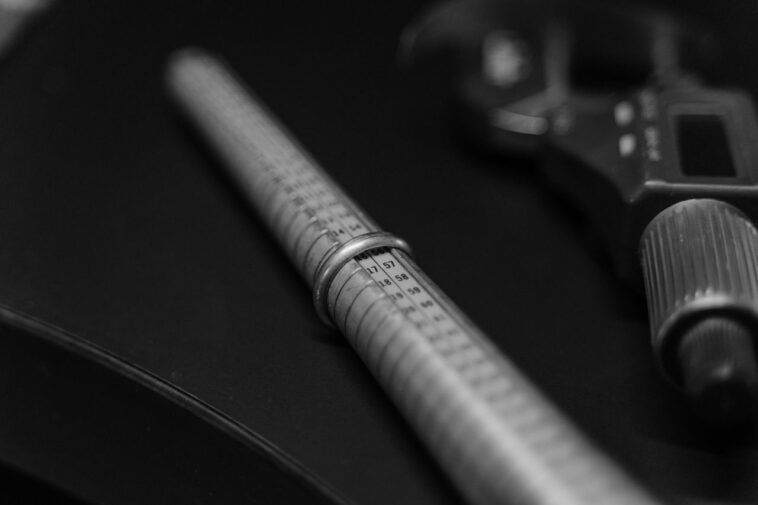
Finding the perfect ring is an exciting experience. Maybe you just got engaged, inherited a family heirloom, or bought a beautiful vintage band at a local shop. But then you try it on, and reality hits. It slides off your finger too easily, or worse, it gets stuck on your knuckle.
That moment of excitement quickly turns into worry. You wonder if you can even wear it, how much it will cost to fix, and whether a jeweler might ruin your special piece.
Sizing issues happen all the time. Our fingers change size due to weather, weight shifts, and daily activities. The good news is that most rings can be resized easily.
However, prices vary wildly. You might pay $20 at one shop and over $150 at another for what seems like the same service.
This comprehensive guide breaks down everything you need to know about ring resizing costs. We will cover average prices, factors that change the total bill, metal types, complex designs, and how to avoid costly mistakes. By the end of this article, you will know exactly what to expect before stepping into a jewelry repair shop.
What Is Ring Resizing and Why Does It Cost Money?
Ring resizing is the delicate process of changing the inner diameter of a metal band so it fits comfortably on your finger. It requires specialized tools, steady hands, and deep knowledge of metallurgy.
Jewelers do not simply stretch or shrink rings using brute force. While small metal bands without stones can sometimes be stretched slightly, proper resizing involves cutting, shaping, and soldering metal. The labor, material, and expertise required directly influence the total cost.
Understanding these costs helps you avoid overpaying and protects your precious jewelry from improper handling. For insightful practical lifestyle advice and daily personal development guides, you can visit WillingToDo to learn more about managing everyday tasks with confidence.
How Does Ring Resizing Work Step-By-Step?
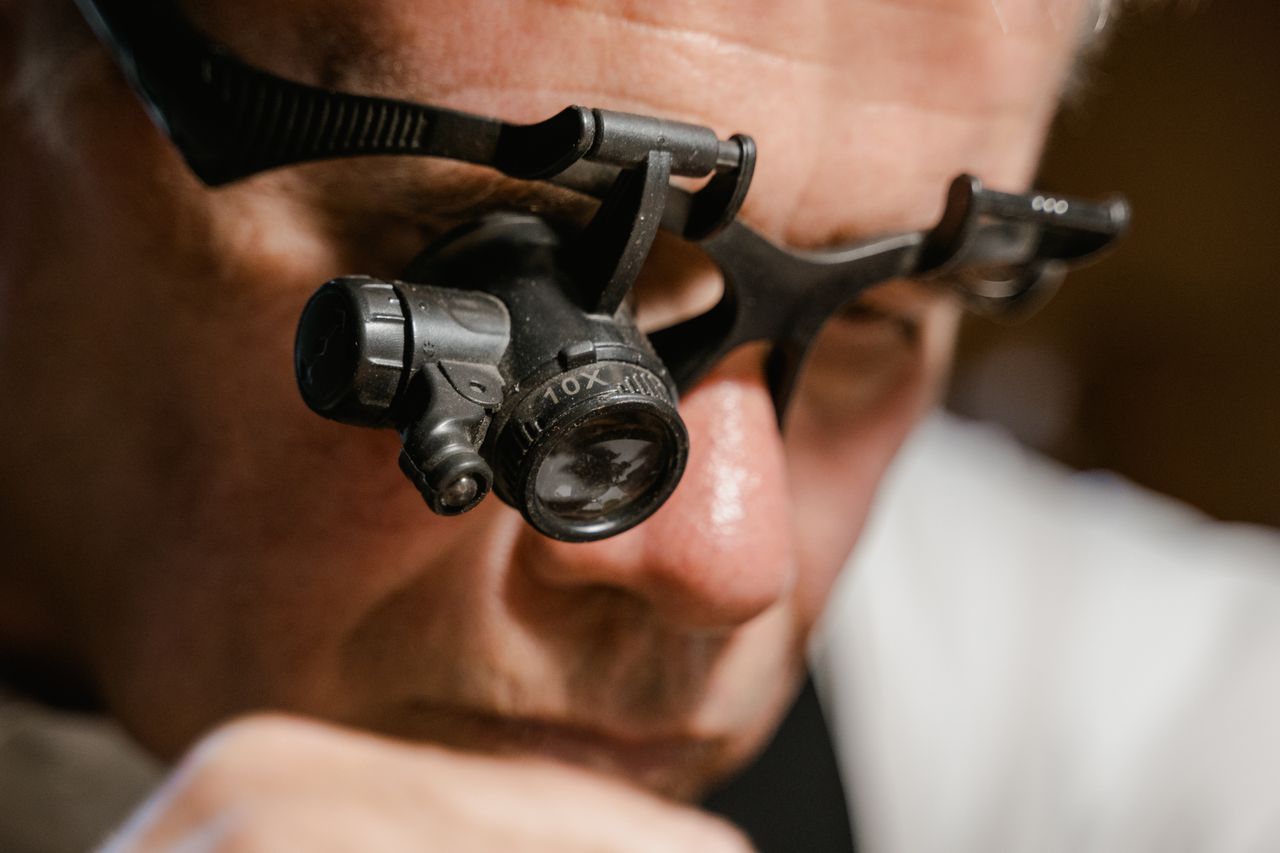
To understand why jewelers charge specific rates, it helps to see how the process works behind the counter.
Making a Ring Smaller (Sizing Down)
Making a ring smaller is usually less expensive than making it larger because it does not require extra precious metal.
-
Measuring: The jeweler measures your finger and calculates the exact amount of metal to remove.
-
Cutting: Using a fine saw, the jeweler cuts out a tiny piece of the band from the very bottom (the shank).
-
Joining: The jeweler bends the two open ends together until they meet seamlessly.
-
Soldering: A small piece of matching metal solder is melted into the gap using a torch or a high-precision laser welder.
-
Finishing: The jeweler files down the seam, sands the area, and polishes the entire band so the joint becomes invisible.
Making a Ring Larger (Sizing Up)
Making a ring larger requires extra material and labor, making it more expensive.
-
Cutting: The jeweler cuts open the bottom of the band.
-
Spreading: The band is gently spread open to create a gap matching the desired size increase.
-
Inserting Metal: A fresh piece of matching metal (gold, platinum, or silver) is inserted into the gap.
-
Soldering: The new piece is soldered securely on both sides.
-
Polishing: The jeweler blends the new section with the rest of the band so color and thickness match perfectly.
Average Cost of Resizing a Ring
The average cost to resize a ring ranges from $20 to $150 for standard metal bands. However, high-end metals or complex designs can raise the price to $300 or more.
Here is a quick cost overview based on standard sizing requests:
-
Simple Silver Ring (Sizing Down): $20 – $40
-
Simple Silver Ring (Sizing Up): $30 – $50
-
Yellow Gold Ring (Sizing Down): $30 – $60
-
Yellow Gold Ring (Sizing Up 1-2 Sizes): $50 – $100
-
White Gold Ring (Requires Re-plating): $60 – $125
-
Platinum Ring (Sizing Down): $60 – $120
-
Platinum Ring (Sizing Up): $100 – $250+
Key Factors That Influence Resizing Costs
No two rings are exactly alike. Several key details determine where your total cost will fall on the price spectrum.
1. Metal Type
The type of metal is the single biggest factor in pricing.
-
Sterling Silver: Silver is soft and inexpensive. It melts easily, making it the cheapest metal to resize.
-
Yellow Gold: Gold is straightforward to work with. The cost scales based on karat weight (10k, 14k, 18k) because higher karat gold requires pricier solder and fill material.
-
White Gold: White gold naturally has a faint yellowish tint. Jewelers coat white gold with rhodium, a bright white precious metal, to give it a mirror finish. When a white gold ring is heated and resized, this plating wears off. The jeweler must re-plate the entire ring in rhodium, adding $30 to $60 to the bill.
-
Platinum: Platinum has a very high melting point and requires special tools, high temperatures, and expert technique. Only experienced goldsmiths handle platinum, which increases labor costs significantly.
-
Titanium, Tungsten, and Cobalt: These alternative metals cannot be resized using traditional heat and cut methods. They are too hard or brittle. Most jewelers will replace these bands entirely rather than resize them.
2. Sizing Up vs. Sizing Down
Making a ring smaller requires removing metal. Making a ring larger requires adding matching metal. Since precious metals like gold and platinum are priced by weight, adding material increases the overall price. Going up 3 sizes will cost noticeably more than going up half a size.
3. Thickness and Width of the Band
A thin, delicate 2mm band requires very little metal filler when sizing up. A wide 8mm men’s wedding band requires a large piece of gold to fill the gap. The wider and thicker the band, the more material and labor are required.
4. Stone Type and Setting Style
Diamonds and hard gemstones like sapphires tolerate high repair temperatures relatively well. Soft or heat-sensitive stones like opals, pearls, emeralds, and turquoise can crack, discolor, or burn under heat.
If your ring features sensitive stones, the jeweler must un-mount them before applying heat and re-set them afterward. Alternatively, they must use an expensive laser welder that delivers localized heat without harming adjacent gems. Both methods increase overall labor costs.
5. Detailed Design and Engravings
If your ring features intricate patterns, filigree, or custom engravings along the band, resizing can disturb these details. The jeweler must spend extra time restoring the pattern by hand near the cut site.
Real Life Example: Sizing an Inherited Family Heirloom
Consider Sarah, who received her grandmother’s 14k white gold vintage diamond ring. The ring was size 8, but Sarah wears size 5.5. She wanted to resize it down by 2.5 sizes.
Sarah took the ring to a local jeweler. Because the band was white gold, the job required:
-
Cutting out 2.5 sizes of 14k white gold.
-
Laser welding the gap so heat wouldn’t damage the delicate side diamonds.
-
Re-engraving a small section of detailed vintage pattern on the side of the band.
-
Dip-plating the finished ring in rhodium to restore its bright luster.
The breakdown of her bill looked like this:
-
Basic resize down labor: $45
-
Pattern restoration detail fee: $25
-
Rhodium plating treatment: $40
-
Total Cost: $110
Because Sarah understood the steps involved, she knew the $110 quote was fair for the specialized labor needed to preserve her grandmother’s delicate ring.
Common Ring Resizing Mistakes to Avoid
Resizing seems simple, but improper handling can permanently ruin a favorite piece of jewelry. Avoid these frequent mistakes:
Resizing Too Many Times
Every time a ring is cut, soldered, and polished, the metal near the seam grows slightly weaker and thinner. Avoid resizing the same ring more than 2 or 3 times in its lifespan.
Forcing Non-Resizable Metals
Never let anyone attempt to heat or stretch tungsten, titanium, or stainless steel. These metals will shatter or crack under pressure. Check your ring’s metal stamp inside the band before taking it in for service.
Ignoring Stone Security After Sizing
When a ring is resized, the curve of the band changes. This slight shift in curvature can loosen the prongs holding your gems. Always ask your jeweler to inspect and tighten all stone prongs after completing a resize.
Going to Unvetted Kiosk Repair Shops
While mall kiosks can handle simple silver band adjustments, delicate engagement rings or heirloom pieces deserve experienced bench jewelers. Always check reviews or look for credentials from industry authorities like the Jewelers of America before handing over valuable items.
Advanced Resizing Options and Creative Alternatives
Sometimes traditional cutting and soldering are not suitable options. Here are advanced techniques and clever alternatives to consider:
Laser Welding
Traditional sizing uses an open torch flame. Laser welding uses a focused beam of light to melt metal in a tiny area. It produces virtually no excess heat transfer. This technology allows jewelers to resize rings right next to heat-sensitive stones without removing them, saving time and protecting fragile gems.
Sizing Beads
If your ring spins constantly on your finger because your knuckles are wider than your finger base, sizing up or down won’t solve the problem. A jeweler can solder 2 small metal spheres (sizing beads) inside the bottom inner rim of the band.
These beads hold the ring snugly against your finger pad, stopping it from spinning top-heavy while still sliding smoothly over your knuckle.
-
Average Sizing Bead Cost: $40 – $90
Speed Bands and Hinged Shanks
For individuals with severe arthritis or swollen knuckles, custom hinged bands open at the base with a tiny latch. You open the band, place it directly behind your knuckle, and snap it closed.
-
Hinged Shank Installation Cost: $300 – $800+
Temporary Silicone Adjusters
If you are pregnant, losing weight, or experiencing seasonal finger swelling, do not permanently alter your ring yet. Buy cheap clear silicone spiral ring adjusters online. They wrap around the back of your band, making it sit smaller without touching the original metal.
-
Cost: $5 – $10
Exploring Related Ring Care Topics
Keeping your jewelry fitting properly is just one part of ring maintenance. Understanding broader jewelry care helps protect your investment over time:
-
Learn how proper ring care and maintenance routines protect delicate prongs and prevent stone loss.
-
Discover how to measure ring size at home accurately using simple household tools before visiting a shop.
-
Read our guide on engagement ring insurance policies to protect your precious jewelry against loss or accidental damage during repairs.
-
Compare types of metals for wedding bands to understand durability, long-term costs, and resizing flexibility before buying.
When to Seek Professional Expert Help
While temporary plastic adjusters work well for quick fixes, you should always consult a professional goldsmith when:
-
Your ring contains valuable diamonds, sapphires, or vintage gemstones.
-
The band is cracked, thin, or structurally worn out.
-
You need to jump more than 3 full sizes up or down.
-
The ring features an eternity band design with diamonds wrapping around the entire circumference.
A qualified bench jeweler will examine your ring under a microscope, check stone stability, and explain what methods are safest for your specific piece.
Future Trends in Ring Design and Repair
The jewelry industry continues to evolve with modern technology:
-
3D Printing and Scan Matching: Modern repair shops use 3D scanners to analyze complex ring geometries before cutting. This ensures exact mathematical accuracy when grafting new metal into vintage bands.
-
Adjustable Smart Rings: Design innovation is moving toward built-in micro-adjustment mechanisms in wedding bands, allowing wearers to adjust fit by half a size with a simple turn of an inner mechanism.
-
Widespread Laser Technology: Laser welders are becoming standard tools in most local repair shops, lowering repair turnaround times from weeks to hours while keeping repair costs reasonable.
Conclusion
Ring resizing is an affordable and routine procedure that restores comfort and security to your favorite jewelry. Prices generally range between $20 and $150 depending on the metal, design, and size adjustments required.
Always prioritize quality workmanship over finding the lowest possible price. Your sentimental pieces deserve skilled care. Measure your size carefully, choose a reputable local jeweler, and ask questions about stone safety before agreeing to any work.
Frequently Asked Questions
How long does it take to resize a ring?
Most local jewelers take 3 to 7 business days to resize a ring. Some shops offer express same-day service for basic bands for an additional fee.
Can all rings be resized?
No. Eternity bands with diamonds wrapping around the entire circle, tungsten, titanium, stainless steel, and tension-set rings generally cannot be resized using traditional methods.
Will resizing leave a visible mark or seam?
A skilled jeweler will polish and smooth the solder joint so thoroughly that the seam is completely invisible to the naked eye.
Is it cheaper to make a ring bigger or smaller?
Making a ring smaller is usually cheaper because it requires less labor and does not use additional precious metals to fill a gap.
Does resizing a ring weaken the band?
If done correctly by a professional, the soldered joint is almost as strong as the original metal. However, resizing the same ring repeatedly can compromise its structural integrity.
How many sizes can a ring be adjusted?
Most rings can safely be resized up or down 2 to 3 sizes. Sizing beyond 3 sizes can distort the curvature of the band and loosen gem settings.