
 Harriet Wetton
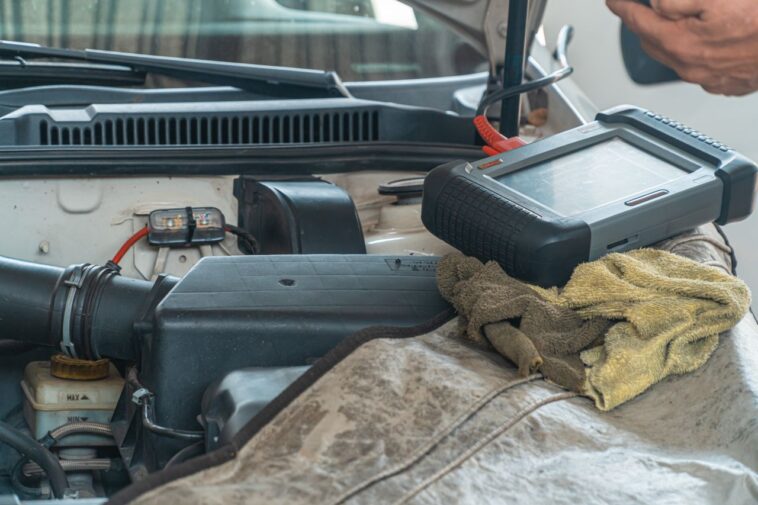
Sitting in a busy auto repair waiting room while watching the clock tick down is a situation almost every driver wants to avoid.
When your vehicle registration renewal notice arrives in the mail with that bold box stating a smog inspection is required, your first question is usually simple: How long does a smog check take?
If you are balancing a tight work schedule, picking up kids from school, or simply trying to get through your daily to-do list without unnecessary delays, knowing exactly how much time to set aside is essential. You do not want to lose half a day to a routine vehicle inspection.
At WillingToDo, we believe managing your everyday life and maintaining your vehicle should be straightforward, stress-free, and clear.
This complete guide breaks down everything you need to know about smog check duration, what happens during the test, why delays occur, and how you can get in and out of the testing station as quickly as possible.
What Is a Smog Check and Why Does Your Car Need One?
A smog check is an official vehicle emissions inspection designed to measure the amount and type of pollutants your car produces.
Government environmental agencies requirement programs, such as those overseen by the California Bureau of Automotive Repair, ensure vehicles on the road meet clean air standards and do not release harmful levels of carbon monoxide, nitrogen oxides, or hydrocarbons into the atmosphere.
Over time, vehicle engine components wear out. A faulty oxygen sensor, a damaged catalytic converter, or even an improperly tightened gas cap can cause your vehicle to emit excessive fumes. Smog checks catch these hidden issues early, protecting public health and keeping the air in our communities clean.
Passing a smog test is also a legal requirement for vehicle registration in many regions. Without a passing certificate, you cannot legally renew your vehicle license plates, transfer vehicle ownership, or register a vehicle brought in from another state.
How Long Does a Smog Check Take on Average?
The actual emissions test itself is surprisingly fast. For most modern vehicles, the physical testing process takes between 15 to 30 minutes.
However, the total time you spend at the testing facility can range from 30 minutes to over 1 hour. This overall duration depends on several external factors, including shop busy hours, paperwork processing, technician availability, and the age or mechanical condition of your vehicle.
Here is a quick breakdown of where those minutes actually go during a standard visit:
| Phase of Visit | Average Duration | What Happens |
| Paperwork & Intake | 5 to 10 minutes | Handing over registration, verifying vehicle identification number, entering data into the system. |
| Visual Inspection | 5 minutes | Technician opens the hood to check hoses, vacuum lines, and visual engine components. |
| Functional & OBDII Test | 10 to 15 minutes | Connecting the diagnostic scanner, checking system readiness monitors, verifying check engine light. |
| Tailpipe Emission Test (Older Cars) | 10 to 15 minutes | Driving the vehicle on a dynamometer while sampling exhaust gas emissions directly. |
| Final Documentation | 5 minutes | Printing the Vehicle Inspection Report, sending results to the state database, taking payment. |
How the Smog Inspection Process Works Step-by-Step
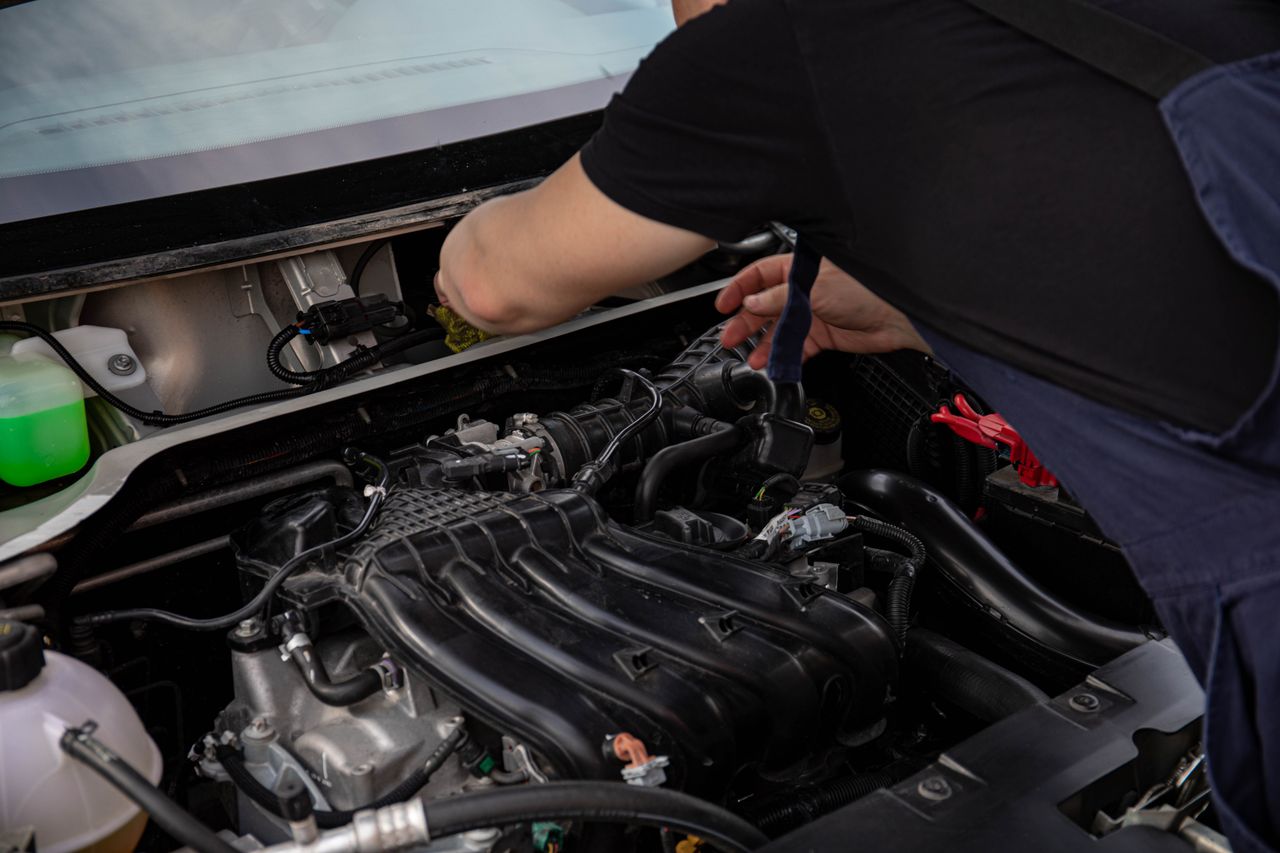
Understanding what happens behind the garage bay doors helps demystify the process and explains why each minute is necessary. A standard smog inspection consists of three main phases.
-
Visual Inspection: Checks under-hood hoses, wiring, gas cap, and air intake units.
-
Functional Inspection: Scans the OBDII computer port and verifies readiness monitors and warning lights.
-
Emission & Final Report: Measures exhaust gases (or OBD data) and transmits the passing certificate.
1. Visual Inspection Phase
The technician begins by opening your vehicle hood to perform a thorough visual review of the engine bay. They look for missing, damaged, or disconnected emissions control components.
During this 5-minute step, the inspector verifies:
-
Vacuum hoses and PCV valves are properly connected and free of cracks.
-
The exhaust gas recirculation system is present and intact.
-
The factory air intake system has not been modified with non-approved aftermarket parts.
-
The fuel cap seals securely without leaks or cracks in the rubber gasket.
2. Functional Inspection Phase
Next, the technician checks the mechanical and electronic systems of the car. On vehicles built in 1996 or newer, the inspector plugs an official testing cable directly into your car On-Board Diagnostics II port under the dashboard.
This electronic scanner reads your vehicle computer system to verify:
-
The check engine light turns on during key ignition and turns off once the engine starts.
-
There are no active diagnostic fault codes stored in the engine computer.
-
All required emission system readiness monitors have completed their internal self-testing cycles.
3. Exhaust Emissions Inspection Phase
For older vehicles manufactured before 2000, the technician must perform an actual tailpipe sample test. The car is placed on a set of rollers known as a dynamometer, which simulates real road driving conditions at set speeds.
A measuring probe is inserted into the exhaust pipe to analyze the exact composition of gases leaving the engine while the vehicle is driven on the rollers. On newer vehicles, the computer scan replaces this physical tailpipe test, significantly speeding up the overall inspection time.
Real-Life Example: A Tale of Two Smog Check Visits
To see how preparation impacts your total wait time, let us look at two real-world scenarios featuring everyday drivers.
Scenario A: Abigail’s Morning Rush (Time Spent: 1 Hour 20 Minutes)
Abigail received her smog check reminder notice and decided to drop by the nearest testing station on a Friday afternoon without calling ahead. When she arrived, three cars were already parked in line ahead of her.
Abigail handed her paperwork to the service manager, sat in the waiting room, and waited 45 minutes just for her vehicle to be pulled into the bay. When the technician plugged in the diagnostic equipment, he discovered that Abigail had cleared an engine error code earlier that morning by disconnecting her battery.
Because her engine computer readiness monitors were reset to incomplete, the test could not be completed successfully. Abigail had to pay a partial testing fee, leave without a certificate, and drive her car for 100 miles over several days before coming back to start the entire waiting process over again.
Scenario B: Cassian’s Planned Visit (Time Spent: 22 Minutes)
Cassian planned ahead. He scheduled an early morning appointment on a Tuesday at a local certified station. Before leaving home, he ensured his engine was fully warmed up by driving on the highway for 20 minutes.
When Cassian arrived, the station was quiet. The technician greeted him immediately, verified his paperwork, and pulled the vehicle straight into the service bay.
Because Cassian kept up with routine oil changes and had driven his car on the highway, all readiness monitors were in complete status. The scan took 12 minutes, the paperwork took 5 minutes, and Cassian drove away with a passing certificate sent electronically to the registration department in less than half an hour.
Common Reasons a Smog Check Takes Longer Than Expected
While the actual test duration is predictable, several factors can cause unexpected delays at the test center.
1. High Shop Volume and Long Queue Lines
Unappointed walk-ins are the leading cause of long wait times. Stations located near dense residential areas or heavy commuter routes experience massive influxes of vehicles during early morning hours, lunch breaks, and late Friday afternoons.
2. Cold Engine Temperature
An engine operating below its ideal operating temperature produces higher hydrocarbon and carbon monoxide emissions.
If your car sits turned off in a cool parking lot for an hour before being tested, the technician may need to run the engine in the bay for 10 to 15 minutes to bring the catalytic converter up to proper working temperature before starting the test.
3. Incomplete Computer Readiness Monitors
If you recently replaced your car battery, jump-started your vehicle, or cleared engine warning lights using a code reader, your vehicle engine computer resets its internal monitors.
The smog station diagnostic tool will detect that the system is not ready to be evaluated. The technician cannot force a pass, meaning you will need to complete a specific drive cycle and return later.
4. Vehicle Age and Condition
Older vehicles requiring a dynamometer drive test naturally demand more time. Placing heavy vehicle tires securely onto dyno rollers, securing tie-down straps, placing auxiliary cooling fans in front of the radiator, and running multi-speed driving traces adds 15 to 20 minutes to the procedure compared to a quick OBDII computer scan on a modern sedan.
5. Aftermarket Modifications
If your vehicle features custom engine performance parts, cold air intakes, or modified exhaust headers, the technician must carefully verify that every single aftermarket part carries an authorized executive order number or exemption label. Researching these numbers in state databases takes extra time.
Simple Mistakes That Can Delay or Fail Your Smog Test
Avoiding simple, common oversights ensures your testing experience remains smooth and efficient.
| Mistake | Impact on Smog Inspection | How to Prevent It |
| Active Check Engine Light | Causes automatic test failure during functional check. | Repair underlying issue before arriving at testing station. |
| Disconnected Battery | Resets readiness monitors to incomplete status. | Drive 50 to 100 miles after battery replacement before testing. |
| Loose or Damaged Gas Cap | Fails evaporative emission leak test. | Tighten gas cap until it clicks before visiting the shop. |
| Dirty Motor Oil | Trapped hydrocarbons can skew emission readings. | Perform regular oil changes as scheduled. |
| Low Fuel Level | Prevents internal EVAP self-checks from running properly. | Arrive with between 1/4 and 3/4 tank of gas. |
While managing maintenance, many vehicle owners also like to upgrade their ride’s comfort and privacy. If you are considering adding window film after your inspection, you might wonder how much to tint car windows to budget your vehicle upgrades effectively.
Pro Tips to Get In and Out of the Smog Station Fast
You do not have to leave your schedule to chance. Follow these expert strategies to keep your inspection time under 30 minutes total:
-
Book an Appointment Ahead of Time: Call the station or book online. Scheduled appointments receive priority over walk-in customers.
-
Choose Mid-Week, Mid-Month Windows: Mid-week days like Tuesday and Wednesday are significantly less crowded than Mondays or Fridays. Avoid the last three days of the month when drivers rush to complete overdue registrations.
-
Warm Up Your Engine on the Highway: Drive your vehicle at highway speeds for 15 to 20 minutes immediately before turning in to the testing station. This fully activates the catalytic converter and ensures emission control systems operate at maximum efficiency.
-
Bring All Required Paperwork: Have your state registration renewal notice, current vehicle registration card, and payment method ready before walking into the customer service desk.
-
Turn Off Accessories Before Testing: Turn off your air conditioner, heater, radio, and interior lights when arriving at the station to reduce electrical load on the engine system during testing.
Understanding Different Types of Smog Stations
Not all testing facilities offer the exact same services. Choosing the right facility type prevents you from wasting time at a location that cannot fulfill your specific vehicle requirements.
| Station Type | Capabilities | Best For |
| Test-Only Stations | Licensed solely for inspections; no repairs allowed. | Fast turnarounds; bays are never blocked by repair jobs. |
| Test-and-Repair Stations | Performs inspections and completes needed emission repairs. | Convenience if your vehicle needs minor fixes to pass. |
| STAR Certified Stations | Meets strict state performance and accuracy standards. | Vehicles directed by state notices or requiring high-standard testing. |
What Happens If Your Vehicle Fails the Smog Test?
Failing a smog check can feel frustrating and confusing, but it is a common bump in the road that can be easily resolved with the right steps.
If your car fails, the technician will hand you a detailed diagnostic printout known as the Vehicle Inspection Report. This document lists the exact reason for the failure, such as excessive tailpipe gases, an unreadable computer code, or a cracked visual vacuum line.
Here is your immediate action plan if you receive a failing result:
-
Do Not Panic: A failure does not mean your car is broken beyond repair. Many failures are caused by inexpensive items like a worn gas cap seal or an old vacuum hose.
-
Review the Diagnostic Report: Look at the specific section flagged on your paperwork to understand whether the issue is visual, functional, or emission-related.
-
Consult a Licensed Repair Technician: Take your inspection report to a qualified mechanic who specializes in emissions repair. They can perform targeted testing to pinpoint the exact failing sensor or part.
-
Check for State Financial Assistance: Many states offer consumer assistance programs that provide financial aid or repair cost waivers for low-income drivers whose cars require expensive emission repairs to pass inspection.
-
Take Advantage of Free Retests: Many smog stations offer a free or discounted retest if you return within 30 days after making necessary repairs. Ask your technician about their shop policy before leaving.
Future Trends in Vehicle Emissions Testing
Emissions testing is undergoing major shifts as technology advances and electric transportation becomes more common.
Remote sensing technology is currently being deployed along highway entrance ramps in select regions. These roadside optical sensors scan exhaust plumes as vehicles drive past in normal traffic, matching emission readings with license plate cameras.
In the future, clean-running vehicles may be automatically identified and exempted from physical station visits entirely.
Additionally, as connected vehicle technology improves, standard physical diagnostic hookups may eventually give way to direct wireless transmission.
Your vehicle computer could securely send emissions readiness status directly to state licensing departments over the air, saving you from taking time out of your busy day for routine physical visits.
Electric vehicles (EVs) produce zero tailpipe emissions and are already completely exempt from traditional smog checks in all jurisdictions. As more drivers transition to electric and hybrid transportation, overall station wait times for gasoline-powered vehicles will continue to decline.
Conclusion: Quick Checklist for a Stress-Free Visit
A smog check does not have to ruin your afternoon or create unexpected stress. The testing process takes less than 30 minutes when you prepare your vehicle correctly and choose the right time to visit.
Before heading out for your next smog inspection, keep this simple checklist in mind:
-
Schedule an appointment on a mid-week morning.
-
Ensure your check engine light is off.
-
Drive on the highway for 20 minutes right before your test.
-
Double-check that your gas cap is screwed on tight.
-
Bring your registration notice and paperwork.
Taking care of your vehicle maintenance keeps our air cleaner, protects your automotive investment, and keeps your everyday life running smoothly without unnecessary interruptions.
Frequently Asked Questions
Can I get a smog check if my check engine light is on?
You can take the test, but your vehicle will automatically fail the inspection. You should have a mechanic diagnose and fix the issue causing the check engine light before taking your smog check.
How long do I need to drive my car after replacing a battery before taking a smog check?
You typically need to drive your vehicle for 50 to 100 miles over a few days under mixed driving conditions (both city street stop-and-go driving and open highway cruising) to allow the computer system to reset its readiness monitors.
What should I bring with me to the smog test center?
Bring your vehicle registration renewal notice sent by your state licensing agency, your current vehicle registration card, a driver’s license, and an accepted form of payment.
Do brand new cars require a smog check?
In most states and regions, brand-new vehicles are exempt from smog inspections for the first 4 to 8 years of ownership, though owners may be required to pay an annual smog abatement fee instead.
What happens if I drive with an expired smog certificate?
Driving with an expired smog certificate prevents you from completing your annual vehicle registration renewal. Operating an unregistered vehicle can result in traffic fines, police citations, and potential impoundment.
How much does a standard smog check cost?
A standard smog check usually costs between $30 and $80, depending on your vehicle type, state requirements, and whether the station charges an additional state certificate fee.