
 Harriet Wetton

Facing severe dental issues when your bank account is empty is overwhelming. You look in the mirror, see visible decay or feel a throbbing ache, and panic sets in. Dental care in many places is notoriously expensive, and traditional insurance often falls short.
If you are thinking, “my teeth are rotting and I have no money,” you are not alone, and you are not out of options.
This guide will walk you through immediate home steps to manage pain and stop further decay, low-cost or free professional resources, clear warning signs that require emergency care, and long-term habits to protect your smile without breaking the bank.
Why Do Teeth Decay, and Why Does It Happen So Fast?
To fix a problem, it helps to understand what is happening inside your mouth. Teeth are strong, but they are constantly under attack from bacteria, acids, and daily wear.
The Stages of Tooth Decay
Tooth decay does not happen overnight. It is a gradual process that moves through distinct stages:
-
Enamel De-mineralization: The outer layer of your tooth (enamel) loses minerals due to acid produced by bacteria. You might see white spots on your teeth. At this stage, decay can actually be reversed with good hygiene and fluoride.
-
Enamel Decay: The acid breaks through the surface, forming a permanent cavity (hole). At this point, a dentist needs to place a filling.
-
Dentin Decay: The decay reaches the softer layer under the enamel, called dentin. Teeth become sensitive to hot, cold, and sweet foods. Decay spreads faster here.
-
Pulp Damage: The decay reaches the inner nerve and blood vessels (the pulp). Pain usually becomes intense, continuous, and throbbing.
-
Abscess Formation: Bacteria invade the root end, causing a serious infection in the jawbone and surrounding tissues. This requires immediate medical attention.
Common Root Causes Beyond Poor Hygiene
While brushing and flossing matter, many other factors contribute to rapid rotting:
-
Dry Mouth (Xerostomia): Saliva acts as a natural shield. It washes away food particles and neutralizes acid. Medications, stress, or breathing through your mouth can dry up saliva, allowing bacteria to multiply rapidly.
-
Dietary Sugars and Acids: Frequently sipping soda, energy drinks, sweetened coffee, or even fruit juices keeps your teeth coated in acid throughout the day.
-
Receding Gums: Age, aggressive brushing, or gum disease can expose tooth roots. Root surfaces do not have hard enamel protection, making them crumble quickly under acid attack.
-
Genetics and Health Conditions: Conditions like acid reflux (GERD), morning sickness, or autoimmune diseases can weaken tooth structure regardless of how often you brush.
Immediate Steps: How to Stop Decay from Worsening at Home
If you cannot afford a dental visit today, your immediate goal is to stall the decay and manage discomfort safely. Home care cannot cure a cavity, but it can stop it from growing deeper.
Step 1: Neutralize Acid in Your Mouth
Acid is what melts tooth enamel. Counteract it after eating or drinking:
-
Rinse with warm water immediately after eating.
-
Swish with a baking soda wash (1/2 teaspoon of baking soda in 8 ounces of warm water) to quickly neutralize harmful acids.
-
Chew sugar-free gum containing xylitol. Xylitol starches off decay-causing bacteria and stimulates saliva production.
Step 2: Use High-Fluoride or Nano-Hydroxyapatite Products
Switch your daily toothpaste to one designed to rebuild weakened enamel.
-
Fluoride: Look for toothpastes with 1,450 ppm fluoride or higher over-the-counter options. Fluoride remineralizes early decay and hardens enamel.
-
Nano-Hydroxyapatite (nHAp): This is a biocompatible alternative to fluoride that fills in micro-microscopic gaps on the tooth surface, reducing sensitivity and strengthening enamel.
Step 3: Master Gentle, Effective Cleaning
When teeth are crumbling or sensitive, aggressive brushing causes more damage.
-
Use an extra-soft toothbrush.
-
Brush at a 45-degree angle toward the gumline using gentle, circular motions.
-
Floss carefully once a day to clean between teeth where decay frequently starts unnoticed.
Real-Life Example: Managing a Dental Crisis on a Budget
Consider the story of Sarah, a freelance designer without dental insurance. Rose noticed a dark spot on her lower molar that gradually turned into a sharp pain whenever she drank cold water. Her savings were nearly zero, and she panicked, assuming her only choice was paying 1,500 dollars for a root canal or losing the tooth entirely.
Instead of doing nothing out of fear, Rose took a proactive approach:
-
Immediate Stabilization: She cut out all sugary drinks, started rinsing with baking soda water after meals, and applied temporary dental cement from a local pharmacy to cover the open cavity and protect the nerve from cold air.
-
Finding Affordable Care: She contacted a nearby university dental clinic. Because students perform procedures under direct expert supervision, the clinic offered care at a fraction of standard rates.
-
The Outcome: Rose received a deep cleaning and a large composite filling for less than 80 dollars. By acting early, she saved her tooth and avoided a costly emergency room bill.
Where to Find Free or Low-Cost Dental Help
You do not need thousands of dollars to get professional dental attention. Numerous programs exist specifically for individuals facing financial hardship.
1. Dental Schools and Hygiene Colleges
Dental schools train future dentists under the close supervision of licensed, experienced clinical faculty.
Because care takes slightly longer per visit, fees are typically 50% to 70% cheaper than private practices. Hygiene schools also offer low-cost cleanings, cleanings, and preventative X-rays.
2. Federally Qualified Health Centers (FQHCs) and Community Clinics
In many countries, government-funded health centers offer dental services based on a sliding fee scale. This means your bill is calculated directly from your household income. If you earn very little, your visit may cost a minimal nominal fee or nothing at all.
3. Non-Profit Organizations and Charitable Events
-
MOM (Mission of Mercy) Events: State or regional dental associations run free weekend clinics providing cleanings, fillings, and extractions on a first-come, first-served basis.
-
Charitable Dental Clinics: Local religious organizations, community centers, and non-profits frequently host volunteer dental clinics.
4. Emergency Dental Grants and Financial Assistance Programs
Certain non-profit foundations offer grants for essential medical and dental treatment. Additionally, non-profit community action agencies sometimes keep emergency funds available for low-income residents in health crises.
When Is it a Medical Emergency?
Living with dental decay is stressful, but a localized cavity is usually not an immediate life threat. However, a tooth infection can spread to other areas of the head, neck, or bloodstream, becoming a true medical emergency.
Seek immediate emergency medical treatment if you experience any of the following:
-
Facial Swelling: Swelling in your cheek, jaw, under your tongue, or extending into your neck or eye area.
-
Difficulty Breathing or Swallowing: This indicates an infection is compressing your airway and requires immediate hospital care.
-
High Fever accompanied by Severe Tooth Pain: A sign that infection is spreading systemic body-wide.
-
Uncontrollable Bleeding or Trauma: Severe physical injury to the mouth or jaw.
Note on Hospital ERs: Emergency rooms generally cannot fix or fill a rotting tooth because they lack specialized dental tools and dentists on staff. However, they can administer emergency antibiotics and pain relief to manage a spreading infection safely until you see a dentist.
Understanding Complex Conditions: Wisdom Teeth and Gum Disease
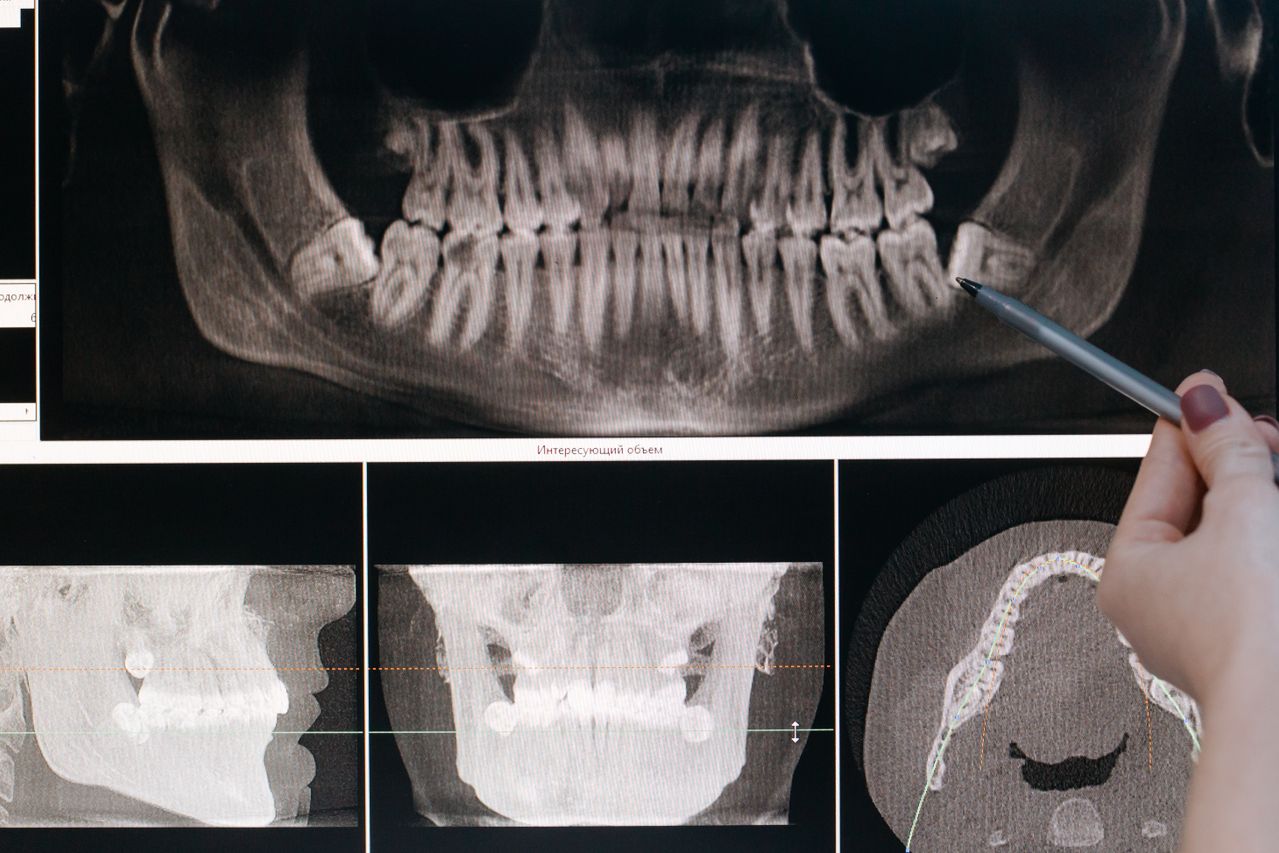
As decay progresses, it often interacts with other complex oral health conditions. It is important to know when specialized treatment or extractions are necessary.
Wisdom Teeth Complications
Wisdom teeth sit far back in the mouth, making them notoriously hard to clean properly. They often emerge partially or at awkward angles, trapping food and bacteria against neighboring molars.
This localized bacteria buildup rapidly causes deep decay on both the wisdom tooth and adjacent healthy teeth. In many cases, removing an impacted or severely decayed wisdom tooth is the most cost-effective way to protect your overall oral health.
If you are wondering whether extraction is necessary, read our detailed guide on do I have to remove my wisdom teeth to evaluate your personal risk factors and options.
Advanced Gum Disease (Periodontitis)
Rotting teeth are often accompanied by bleeding, swollen, or receding gums. When bacteria travel beneath the gum line, they break down the bone supporting your teeth.
This condition is known as periodontitis. If your teeth feel loose or your gums bleed consistently, standard brushing will not be enough. You may need specialized care from a periodontitis expert.
To learn how specialized gum treatments work and when you need one, check out our guide on what is a periodontist.
Common Mistakes to Avoid When You Have Rotting Teeth
When money is tight and pain is high, it is easy to make quick choices that end up causing more harm than good. Avoid these common pitfalls:
-
DIY Dental Extraction: Never attempt to pull your own tooth at home. You risk breaking the root in the jawbone, causing severe blood loss, or introducing dangerous bacteria deep into your tissue.
-
Placing Aspirin Directly on the Tooth or Gum: This is an old myth. Aspirin is acidic and will cause severe chemical burns on your soft gum tissue, adding a painful burn to your existing toothache.
-
Ignoring the Problem Once Pain Stops: When a painful tooth suddenly stops hurting without treatment, it usually means the nerve inside has died. The infection is still active beneath the tooth and will continue destroying surrounding bone.
-
Over-using Temporary Filling Kits: Over-the-counter cavity filling kits are meant for temporary protection (a few days at most). Trapping bacteria inside a tooth under a temporary seal for weeks can accelerate internal rot.
Advanced Home Strategies for Slowing Down Decay
If you are waiting for an appointment at a low-cost clinic or saving up for care, implement these evidence-based techniques to slow down tooth destruction.
Oil Pulling with Coconut Oil
Swishing pure coconut oil in your mouth for 10 to 15 minutes daily can help reduce harmful oral bacteria counts. Coconut oil contains lauric acid, which exhibits natural antimicrobial properties against decay-causing microorganisms like Streptococcus mutans.
Spit the oil into a trash can (not the sink, to avoid clogged pipes) and rinse with warm water.
Saliva Stimulation Techniques
Saliva contains essential minerals like calcium and phosphate that continuously repair micro-damage on enamel. If you experience chronic dry mouth:
-
Drink small sips of water constantly throughout the day.
-
Avoid alcohol, caffeine, and tobacco, which dry out oral tissues.
-
Use over-the-counter oral moisturizing sprays or gels before sleeping.
Strategic Diet Modifications
Bacteria feed directly on simple carbohydrates. To starve the decay process:
-
Eliminate frequent snacking. Every time you eat, your teeth endure a 20-minute acid attack.
-
Swap refined carbohydrates (chips, white bread, crackers) for raw vegetables, cheese, and nuts.
-
Finish meals with a small piece of cheese. Cheese increases saliva, raises mouth pH, and provides calcium.
How to Talk to a Dentist When You Have No Money
Fear of judgment and financial shame keep millions of people from seeking help. Remember: professional healthcare providers see severe tooth decay daily. Their priority is helping you get out of pain, not judging your past choices or financial situation.
When contacting a clinic:
-
Be Honest Upfront: Plainly state, “I am dealing with severe tooth decay, I have a strict budget, and I do not have insurance. What affordable options do you offer?”
-
Request a Phased Treatment Plan: Ask the dentist to prioritize urgent issues (stopping pain and infection) first, delaying cosmetic or non-urgent work until you can afford it.
-
Inquire About Payment Options: Ask about interest-free payment arrangements, sliding-scale fees, or third-party healthcare financing options.
Frequently Asked Questions
Can a rotting tooth heal itself naturally?
In the very earliest stage (mineral loss on enamel), a tooth can repair itself through remineralization with fluoride, saliva minerals, and proper diet. However, once a physical cavity or dark hole forms, the tooth structure cannot regenerate and requires professional repair.
What happens if I leave a rotting tooth untreated?
An untreated rotting tooth will eventually cause the internal nerve to die, leading to an abscess (pus-filled infection). The infection can spread to surrounding teeth, the jawbone, and into the bloodstream, posing severe systemic health risks.
Is it cheaper to pull a tooth or save it?
Pulling (extracting) a tooth is almost always cheaper upfront than saving it with a root canal and crown. However, removing a tooth leaves a gap that causes surrounding teeth to shift, which can lead to long-term bite issues and joint pain down the road.
How can I stop severe tooth pain at night without money?
Sleep with your head elevated on extra pillows to reduce blood pressure in your head. Swish with warm saltwater, apply a cold ice pack wrapped in a cloth to your outer cheek for 15 minutes, and take over-the-counter pain relievers strictly according to package directions.
Can I get free dental care at a hospital?
Most hospital emergency rooms do not have dentists on staff to perform fillings or extractions. They can provide emergency pain relief and antibiotics for active infections, but you will still need to follow up with a dental provider for actual repairs.
How much does a basic tooth extraction cost without insurance?
A simple tooth extraction at a standard private clinic generally ranges from 75 to 250 dollars, while dental schools or sliding-scale community health clinics may charge as little as 25 to 75 dollars.