
 Harriet Wetton

Sitting in a dentist’s chair while looking at a blurry black-and-white X-ray can feel overwhelming. Your dentist points to the back of your mouth and says those four words: “We should take these out.”
Suddenly, your mind starts racing with questions. Is it going to hurt? Do I really need surgery if nothing hurts right now? What happens if I just ignore them?
It is completely normal to feel confused or anxious. Dental procedures are scary, and hearing that you might need minor surgery is enough to make anyone second-guess the decision. You are not alone in feeling this way. Millions of people face this exact choice every single year.
The short answer is no, you do not always have to remove your wisdom teeth. However, keeping them requires a solid understanding of how they affect your mouth, health, and daily comfort.
This detailed guide breaks down everything you need to know about wisdom teeth in simple, straightforward language. By the end of this article, you will feel confident, informed, and ready to make the right choice for your smile.
What Are Wisdom Teeth and Why Do We Have Them?
Wisdom teeth are the third and final set of molars located at the very back of your mouth. Most people get them between the ages of 17 and 25. Because this age range is historically associated with gaining wisdom and adulthood, these teeth earned the nickname “wisdom teeth.”
Why Do They Exist?
Thousands of years ago, human ancestors had a very different diet than we have today. They ate raw meat, tough roots, nuts, and fibrous plants. They needed strong jaws and extra molars to chew these hard foods properly.
As human civilization evolved, our diets changed dramatically. We learned to cook food, making it softer and much easier to chew. Over time, human jaws became smaller. Today, our jaws are often too small to comfortably fit 32 teeth. As a result, when these last 4 teeth try to come in, there is simply no space left for them.
How Wisdom Teeth Grow
Every person is unique. Some people grow all 4 wisdom teeth, while others might only grow 1, 2, or 3. A few lucky people never develop wisdom teeth at all.
When wisdom teeth do grow, they usually follow one of three paths:
-
Fully Erupted: The tooth breaks completely through the gum line and sits in a normal position, just like your other molars.
-
Partially Erupted: The tooth breaks through the gum tissue only a little bit. A small flap of gum covers part of the tooth, leaving a tiny pocket that is hard to clean.
-
Impacted: The tooth stays completely trapped beneath the gum and jawbone because there is no room for it to push through.
Understanding how your wisdom teeth are growing is the first step in deciding whether they need to come out or if they can safely stay where they are.
Do You Really Need to Remove Them?
The biggest myth about wisdom teeth is that everyone must have them pulled. That is simply not true. You only need to remove them if they are currently causing problems or if a clear medical reason suggests they will cause major issues in the meartime.
To learn more about standard dental care and oral health guidelines, you can visit the official American Dental Association website for educational resources.
When Is It Safe to Keep Your Wisdom Teeth?
You can generally keep your wisdom teeth if they meet all of the following conditions:
-
They are fully grown in: The teeth have pushed completely through the gums without getting stuck.
-
They are correctly positioned: They line up neatly with your upper or lower teeth and do not bite into your cheeks.
-
They are easy to clean: You can comfortably reach them with your toothbrush and dental floss every single day.
-
They are completely healthy: There are no signs of tooth decay, gum inflammation, or pain surrounding them.
If your third molars check all four of these boxes, your dentist will likely recommend leaving them alone. You will just need to monitor them during your regular dental checkups.
Clear Signs Your Wisdom Teeth Need to Come Out
While some wisdom teeth sit quietly in the back of the mouth without causing trouble, many others create noticeable problems. Here are the most common signs that your third molars are causing damage and likely need to be removed.
1. Constant Pain and Jaw Stiffness
Pain is your body’s loudest alarm bell. If you feel a dull ache in the back of your jaw, sharp pain when you bite down, or pressure radiating toward your ears, your wisdom teeth may be pushing against your existing teeth or nerves.
2. Frequent Gum Infections and Swelling
When a wisdom tooth only partially breaks through the gum tissue, it creates a small flap of skin. Food particles, saliva, and bacteria get trapped underneath this flap.
Because it is nearly impossible to clean under there with a standard toothbrush, the area becomes inflamed, swollen, and infected. This painful condition is called pericoronitis.
3. Food Traps and Bad Breath
Do you find that food constantly gets stuck at the very back of your mouth every time you eat? When teeth are packed too tightly together or grow at awkward angles, food gets lodged in hard-to-reach places.
Bacteria feed on this trapped food, leading to chronic bad breath, an unpleasant taste in your mouth, and eventual decay.
4. Damage to Nearby Teeth
Wisdom teeth are strong. If they grow sideways, they press directly into the roots of your healthy second molars. Over time, this constant pressure can wear down the enamel of the neighboring tooth, cause deep cavities, or damage the root structure beyond repair.
5. Cysts or Jaw Damage
Inside your jawbone, wisdom teeth develop inside a small sac. If this sac fills with fluid, it forms a sac called a cyst. Unchecked cysts can expand, damaging the jawbone, destroying surrounding teeth, and squeezing sensitive nerves in the jaw.
6. Cysts and Gum Disease Connections
When gums stay swollen and infected for a long time, the infection can spread down into the tissue supporting your teeth. In severe cases involving deep gum issues, you might need specialized care. You can learn more about specialized gum treatments by consulting a guide on what is a periodontist to see how gum health impacts your whole mouth.
Types of Impacted Wisdom Teeth
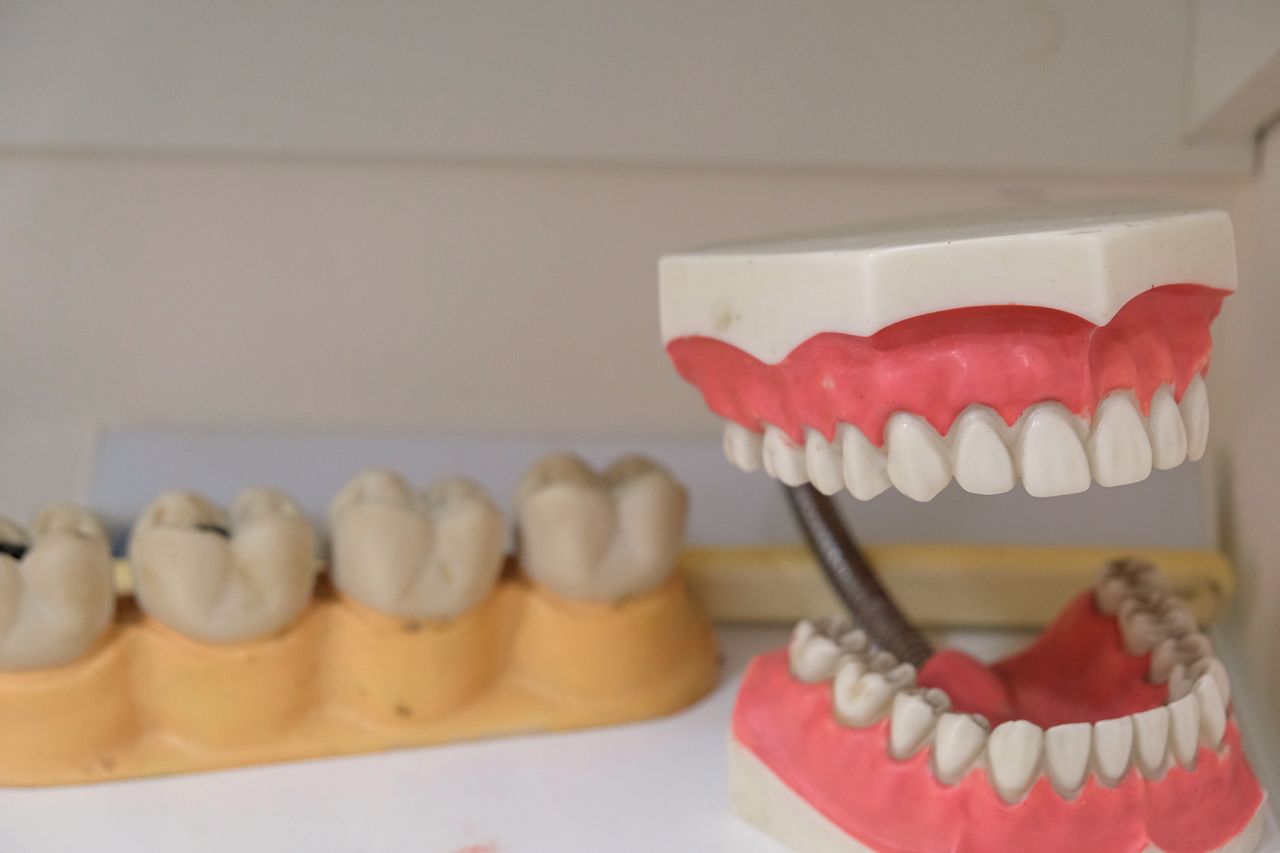
When a tooth cannot break through the gum line naturally, dentists call it “impacted.” The exact position of an impacted tooth determines how tricky it is to manage or remove.
| Impact Type | What Is Happening Under the Gum |
| Mesial Impaction | The tooth tilts forward, pushing into the molar beside it. |
| Distal Impaction | The tooth tilts backward toward the back of the jaw. |
| Vertical Impaction | The tooth is upright but trapped beneath the gumline. |
| Horizontal Impaction | The tooth lies flat on its side inside the jawbone. |
Horizontal impactions are typically the most uncomfortable type because the tooth pushes directly into the root of the healthy tooth beside it. A simple panoramic X-ray at your regular dental clinic will instantly show which type of impaction you have.
Step-by-Step: What Happens During Wisdom Tooth Removal?
Fear usually comes from not knowing what to expect. Knowing the exact steps of the procedure helps eliminate anxiety and makes the experience feel far more manageable.
Step 1: The Initial Consultation and X-rays
Your dentist or oral surgeon takes full 3D images or panoramic X-rays of your mouth. These pictures show the roots of your wisdom teeth, how close they are to your nerves, and the density of your jawbone. You will discuss your health history and choose the right comfort options for the procedure.
Step 2: Numbing and Comfort Options
Before anything starts, the surgical team ensures you are completely relaxed and free of pain. Depending on your needs, you will receive:
-
Local Anesthetic: A small injection that completely numbs the gums around the tooth. You stay awake but feel zero pain.
-
Sedation: Medicine that relaxes you or puts you into a light sleep so you do not feel anxious during the appointment.
-
General Anesthesia: Used for complex cases, putting you into a full sleep so you wake up when everything is finished.
Step 3: The Tooth Extraction
Once you are numb, the dentist or surgeon makes a tiny incision in the gum tissue if the tooth is hidden underneath. They gently loosen the tooth and slide it out. Sometimes, the surgeon carefully cuts the tooth into smaller pieces to make it much easier and safer to remove.
Step 4: Cleaning and Stitching
After removing the tooth, the dentist cleans out any tiny debris from the empty socket. They may place small stitches to help the gum tissue heal smoothly. Many modern stitches dissolve on their own after a few days.
Step 5: Placement of Gauze
A small piece of sterile cotton gauze is placed over the extraction site. You bite down gently on this gauze to help a firm blood clot form, which is the crucial first step in your body’s natural healing process.
Real Life Example: Alice’s Story
To see how this works in real life, consider Alice, a 22-year-old college student.
Alice noticed a light, dull ache near the back of her lower jaw while studying for finals. She ignored it for 3 weeks, assuming it was just stress or jaw clenching.
Eventually, the pressure became annoying. Food kept getting trapped behind her last tooth, and her gums felt tender and swollen every time she brushed her teeth.
She scheduled a visit with her local dentist. The dentist took a quick X-ray and pointed out that her lower left wisdom tooth was growing sideways at a mesial angle. It was pushing directly against her neighboring healthy molar. The gum flap over the tooth had trapped bacteria, causing a minor infection.
Because Alice caught the issue early, her extraction was simple and fast. The surgeon numbed her mouth, removed the tooth in under 30 minutes, and sent her home with clear recovery instructions.
Within 4 days, Alice was back to eating her favorite soft foods without any pain. By addressing the issue early, she protected her second molar from damage and avoided a far more complicated surgery down the road.
Common Mistakes People Make With Wisdom Teeth
Navigating dental care can be confusing. Avoiding these common mistakes can save you time, money, and unnecessary physical pain.
Waiting Until the Pain Is Unbearable
Many people assume that if their teeth do not hurt, nothing is wrong. However, wisdom teeth can quietly damage surrounding tooth roots or form cysts long before you feel any physical discomfort. Waiting until you are in severe pain often means the problem has become larger and more complicated to fix.
Assuming Everyone Must Remove Their Teeth
On the flip side, some people rush into surgery without confirming if it is actually necessary. If your teeth have plenty of space, are fully grown, and are easy to keep clean, removing them offers no extra benefit. Always ask your dentist to explain the specific reason behind their recommendation.
Neglecting Post-Surgery Healing Rules
If you do choose to have your teeth removed, how you take care of yourself afterward matters just as much as the surgery itself.
Drinking through a straw, smoking, or rinsing your mouth too vigorously in the first 22 hours can dislodge the blood clot in the socket. This leads to a painful condition called dry socket.
If you are recovering from surgery, you need to be careful about how you rest. For specific guidance on resting comfortably after an extraction, check out this guide on when can I sleep on my side after tooth extraction to protect your mouth as it heals.
Age and Wisdom Teeth: Why Timing Matters
There is a sweet spot when it comes to dealing with wisdom teeth, and age plays a major role in how smoothly the process goes.
The Ideal Age: 16 to 22 Years Old
During your late teenage years and early twenties, the roots of your wisdom teeth are not fully formed yet, and the bone surrounding them is softer. Removing teeth at this stage is much simpler, leads to faster healing times, and carries a lower risk of nerve irritation.
Removal in Your 30s and Beyond
As you grow older, the jawbone becomes denser and the roots of your teeth grow longer and firmer. While adults can certainly have their wisdom teeth removed safely, the recovery period takes a bit longer, and the risk of minor complications slightly increases.
If you are over 30 and your wisdom teeth are quiet, painless, and healthy, most dentists will suggest leaving them alone while keeping an eye on them during annual X-rays.
How to Care for Your Wisdom Teeth if You Keep Them
If you and your dentist decide to keep your third molars, you must give them extra attention to ensure they stay healthy for life.
-
Use a Tufted Toothbrush: These small, angled toothbrushes are specially designed to reach into the narrow areas at the back of your jaw.
-
Floss daily: Threading floss behind your very last molar takes a bit of practice, but it is essential for removing hidden plaque.
-
Incorporate Water Flossers: A targeted stream of water washes out tiny food particles trapped under tight gum margins far better than standard string floss.
-
Use an Antiseptic Mouthwash: Swishing with an antibacterial rinse every night lowers the bacteria count in the back of your mouth, protecting your gums from inflammation.
When to Get Expert Help
Deciding what to do with your third molars should always be a collaborative choice between you and a trusted dental professional.
You should schedule an expert consultation if you experience:
-
Persistent swelling around your jaw or cheeks
-
Pain when opening your mouth or swallowing food
-
Unpleasant taste or bad odor coming from the back of your mouth
-
Teeth shifting out of alignment unexpectedly
A short 20-minute visit with a dental professional gives you total clarity. They will take a clear picture of your jaw, explain your options in plain language, and help you build a personalized care plan that fits your life and comfort level.
Future Trends in Wisdom Tooth Management
Dental technology changes rapidly, making treatments gentler and more precise than ever before.
Advanced 3D Imaging
Old-fashioned flat X-rays are being replaced by 3D digital imaging. These precise scans give surgeons a complete, accurate map of your nerve pathways and root structures, minimizing surgery times and improving safety.
Preventive Stem Cell Research
Scientists are studying ways to stop wisdom teeth from developing altogether in young children by targeting the tooth buds early on. While this technology is still in development, future generations may never have to worry about impacted molars at all.
Stem Cell Preservation
Some modern clinics now offer to save the stem cells found inside healthy extracted wisdom teeth. These preserved cells could potentially be used later in life for personal medical treatments, turning a routine tooth removal into an investment in future health.
Reassurance and Clear Next Steps
It is completely normal to feel a little uneasy when thinking about wisdom teeth. But remember: you are in total control of your health decisions. You do not have to rush into anything without understanding why it is necessary.
Take a deep breath. Start by observing your mouth. Are your gums tender? Is food getting stuck? If your mouth feels great and your dentist confirms your teeth are healthy and aligned, you can relax and keep your natural smile intact.
If you are experiencing pain, pressure, or swelling, take the next step and book a simple checkup. Getting answers will relieve your anxiety and protect your long-term health.
Frequently Asked Questions
1. Does removing wisdom teeth change your face shape?
No. Wisdom teeth are embedded deep inside the jawbone tissue and do not support your skin or cheekbones. Removing them will not alter the outer shape of your face, cheeks, or jawline.
2. How many days off work or school do I need after wisdom tooth surgery?
Most people need 2 to 3 days of rest following an extraction. By day 4, most patients return to their normal daily routines, though full gum healing takes a few weeks.
3. What soft foods can I eat after getting my wisdom teeth pulled?
Great choices include smooth applesauce, creamy yogurt, lukewarm soups, mashed potatoes, scrambled eggs, and fruit smoothies enjoyed directly from a cup without a straw.
4. Can wisdom teeth cause my front teeth to become crooked?
Current dental research shows that wisdom teeth do not exert enough pressure to push front teeth out of alignment. Natural age-related jaw changes are usually responsible for front tooth crowding.
5. What is a dry socket and how can I avoid it?
A dry socket occurs when the protective blood clot in the empty tooth socket breaks away early. Prevent it by avoiding straws, skipping smoking, and following your surgeon’s exact cleaning instructions for the first few days.
6. Is it painful to have your wisdom teeth removed?
You will feel zero pain during the procedure because the area is completely numbed with modern anesthetics or sedation. After the medicine wears off, mild soreness can be easily managed with prescribed or over-the-counter pain relievers.