
 Harriet Wetton

Sitting in a dental chair with a sore jaw and a damaged tooth can feel overwhelming. You wonder how many visits this process will take, how much work you will miss, and whether you will leave the office with a temporary tooth that might pop off during dinner.
If you are asking how long does a crown take, you are looking for clarity, peace of mind, and a way to plan your week without unexpected surprises. Getting a dental crown does not have to be a confusing or stressful experience.
The time it takes to get a crown depends on the type of procedure you choose, the health of your tooth, and the technology your dentist uses. A traditional crown usually takes 2 weeks spread over 2 separate visits. A modern same-day crown takes about 1 to 2 hours in a single visit.
This comprehensive guide breaks down the full timeline, explains every step in simple terms, covers potential delays, and helps you make the best decision for your schedule and health.
What Is a Dental Crown and Why Do You Need One?
A dental crown is a custom-made cap that fits over a damaged, decayed, or cracked tooth. Think of it as a protective helmet for your tooth. It covers the entire visible portion above the gum line, restoring the original shape, size, strength, and appearance.
Why Dental Crowns Matter
Your natural teeth are designed to withstand significant biting pressure. However, deep decay, large cracks, or extensive root canal treatments weaken the structure of a tooth. Without a crown, a compromised tooth can break down completely, which often leads to an extraction.
Leaving a severely damaged or non-vital tooth untreated poses serious health risks. If you are dealing with a tooth that has lost its nerve supply, understanding how long can a dead tooth stay in your mouth can help you realize why timely crown placement is essential to avoid deep infections.
A crown protects your mouth in several important ways:
-
Restores Function: It allows you to chew tough foods comfortably without pain.
-
Prevents Further Damage: It seals off cracks and protects weak walls from breaking apart.
-
Improves Aesthetics: It matches the color and shape of your surrounding natural teeth.
-
Protects After a Root Canal: A tooth loses its internal blood supply after a root canal, making it brittle. A crown gives it long-term structural integrity.
To explore authoritative oral health guidelines and standard restorative dentistry protocols, you can consult the American Dental Association for clinical resources and evidence-based patient information.
The Two Main Types of Crowns and Their Timelines
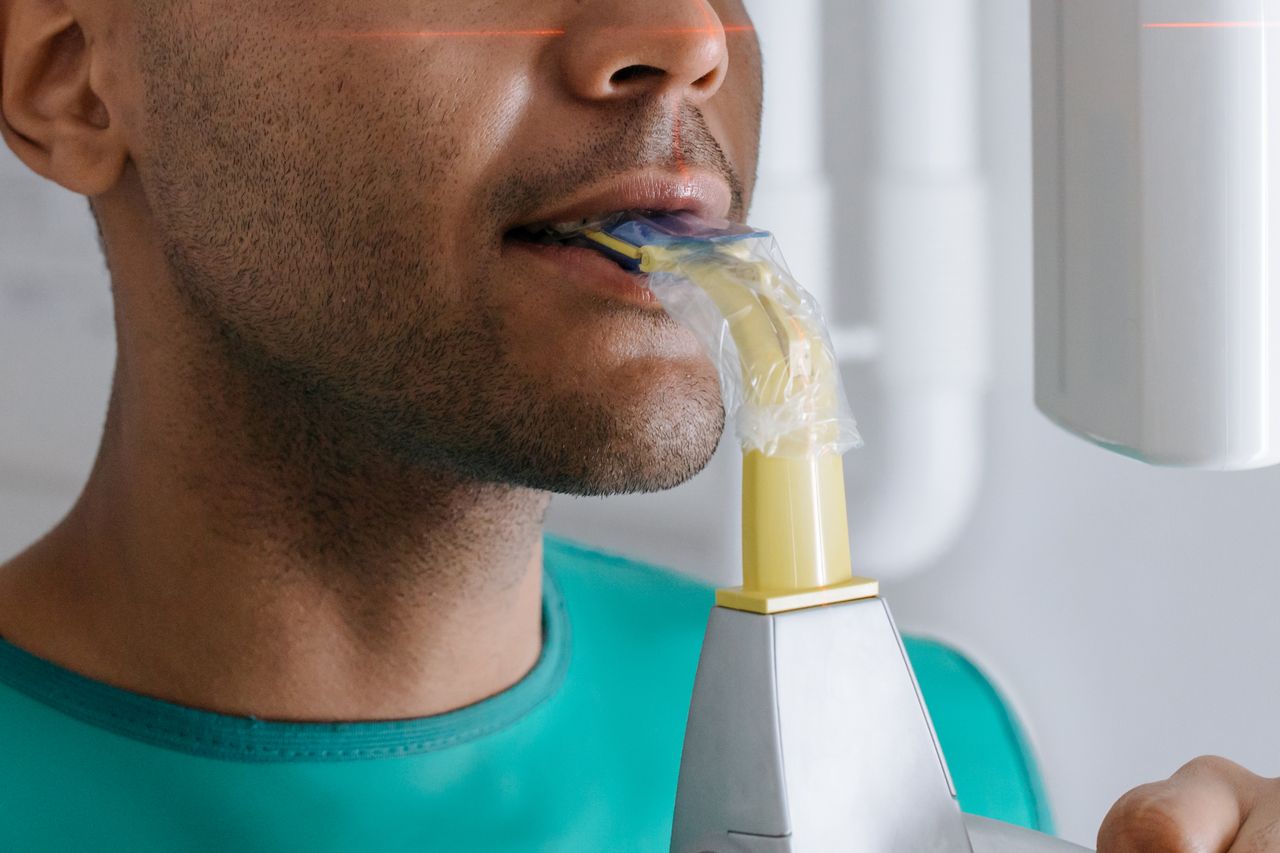
The biggest factor determining how long a crown takes is whether you receive a traditional laboratory-made crown or a technology-driven same-day crown.
Option 1: Traditional Crowns (2 Visits Over 2 Weeks)
This is the standard approach used by most dental offices worldwide. It relies on a high-end dental laboratory to custom-craft your permanent crown out of materials like porcelain, ceramic, or metal.
-
First Visit (Preparation & Impression): 60 to 90 minutes
-
Lab Fabrication Time: 10 to 14 days
-
Second Visit (Placement & Bonding): 30 to 45 minutes
-
Total Time Commitment: About 2 weeks from start to finish
Option 2: Same-Day CEREC Crowns (1 Single Visit)
Same-day crowns use Computer-Aided Design and Manufacturing (CAD/CAM) technology. Your dentist designs and mills the crown right inside the office while you wait.
-
Single Visit Total Time: 60 to 120 minutes
-
Lab Fabrication Time: None (milled on site in 15 to 20 minutes)
-
Total Time Commitment: 1 day, single appointment
Comparing Traditional vs. Same-Day Crowns
Understanding how these two procedures compare directly can help you decide which option works best for your needs:
-
Number of Appointments: Traditional crowns require 2 separate visits, whereas same-day crowns are completely finished in 1 single appointment.
-
Total Calendar Time: Traditional crowns take 10 to 14 full days while waiting for the lab, while same-day crowns take just 1 to 2 hours total on the same day.
-
Temporary Crown Requirement: Traditional crowns require wearing a temporary acrylic crown for two weeks, whereas same-day crowns eliminate the need for a temporary crown entirely.
-
Type of Impressions: Traditional crowns rely on physical putty molds or digital scans, whereas same-day crowns use digital intraoral scanning exclusively.
-
Best Suitable Use: Traditional crowns work for all teeth and are especially ideal for high-stress back molars, while same-day crowns are suitable for most teeth and ideal for patients with busy schedules.
Step-by-Step Breakdown: What Happens During Each Visit?
Knowing what to expect at every stage keeps you comfortable and eliminates uncertainty. Here is the complete step-by-step walk-through of both methods.
The Traditional Crown Process
Visit 1: Preparation, Scans, and the Temporary Crown (60-90 Minutes)
-
Numbing the Area (5-10 minutes): Your dentist applies a local anesthetic to completely numb the tooth and surrounding gum tissue so you feel no pain.
-
Tooth Reshaping (20-30 minutes): The dentist gently files down the outer enamel layer on the top and sides of the tooth. This creates adequate space for the new crown to slide over without feeling bulky.
-
Taking Impressions (10 minutes): The dentist takes a precise mold of your prepared tooth. This can be done using a soft putty material or a fast digital intraoral scanner.
-
Shade Matching (5 minutes): You and your dentist select the exact shade of porcelain that matches your natural adjacent teeth.
-
Placing the Temporary Crown (15 minutes): A plastic or acrylic temporary crown is fitted over your reshaped tooth using temporary cement. This protects your exposed tooth while the lab crafts your final crown.
The Interim Period (10 to 14 Days)
During these 2 weeks, you must be careful with what you eat. Temporary cement is designed to come off easily. You will need to avoid sticky foods like chewing gum and hard foods like ice or nuts.
Visit 2: Permanent Fitting and Final Bonding (30-45 Minutes)
-
Removing the Temporary (5 minutes): The temporary crown is gently popped off, and the tooth is cleaned thoroughly.
-
Testing the Fit (10-15 minutes): The dentist places the permanent crown on your tooth to check your bite, contact with neighboring teeth, and color match.
-
Final Adjustments (5-10 minutes): Small modifications are made to smooth out high spots so your bite feels balanced.
-
Permanent Cementation (10 minutes): High-strength dental cement is applied, and the crown is fixed permanently into place.
The Same-Day Crown Process (Single Visit: 1-2 Hours)
-
Numbing and Preparation (30 minutes): Just like the traditional method, the tooth is numbed and reshaped.
-
Digital 3D Scanning (10 minutes): A small optical camera scans your mouth, generating a precise 3D digital model on a computer screen.
-
3D Design (10–15 minutes): The dentist custom-designs your crown using specialized software to fit your unique bite structure.
-
In-Office Milling (15–20 minutes): The design file is sent to an in-office milling unit that carves your new crown out of a solid block of ceramic.
-
Polishing and Glazing (15 minutes): The crown is stained and baked in a small dental oven to match your tooth color and shine.
-
Final Bonding (15 minutes): The crown is permanently cemented into place immediately. You walk out fully restored.
Real-Life Example: Choosing the Right Option for Your Life
Daisy, a project manager preparing for an overseas business trip in 3 days. During a weekend meal, she cracked a lower molar.
If Daisy chooses a traditional crown, she faces a major problem: her travel date arrives before the 2-week lab turn-around time. Carrying a temporary crown on an international trip brings a high risk of the temporary coming loose while far from home.
By choosing a dental office equipped with same-day CAD/CAM technology, Daisy receives her preparation, digital scan, milling, and final cementation in a single 90-minute morning visit. Her tooth is permanently protected, and she travels without worry.
Conversely, John, who needs a crown on a severely damaged back molar that bears extreme chewing force. John has a heavy bite and a history of grinding his teeth at night.
His dentist recommends a traditional lab-made zirconia crown, known for superior strength under high stress. John willingly chooses the 2-visit approach to ensure maximum durability for his specific bite mechanics.
Common Mistakes That Delay Your Dental Crown Process
Even a straightforward treatment can experience delays if key steps are overlooked. Here are the most common mistakes patients make and how to avoid them:
1. Eating Sticky or Hard Foods with a Temporary Crown
Temporary cement is intentionally weak. Chewing caramel, gum, or hard crusts can dislodge the temporary crown. If your tooth loses its temporary cover, it can shift slightly within 24 to 48 hours.
When your permanent crown arrives, it may no longer fit, forcing the dentist to take new impressions and start the 2-week wait all over again.
2. Flossing Upward Instead of Sliding Out
When flossing around a temporary crown, pulling the dental floss straight up can catch the edge and pop the temporary crown off. Always slide the floss out sideways through the base of the teeth.
3. Ignoring a Bad Bite After Placement
When your local anesthetic wears off, your mouth recovers full sensation. If your bite feels high or uneven when you chew, do not wait for it to self-correct.
Chewing on a high crown causes localized nerve inflammation, deep tooth aching, and can even fracture the porcelain. Call your dentist immediately for a 5-minute bite adjustment.
4. Delaying Treatment When a Crown Is Recommended
Delaying a needed crown allows minor cracks to propagate deeper toward the root. What could have been a simple crown procedure can quickly turn into a root canal treatment or a full tooth extraction if the tooth structure splits completely.
Factors That Can Extend Your Crown Timeline
While standard timelines are reliable, certain clinical situations add extra steps to your treatment journey:
-
Standard Preparation (1 to 2 Weeks): Direct crown preparation on healthy existing tooth structure.
-
Core Buildup Needed (Adds 30 Minutes): If significant decay or structural breakage is present, filling material is added first to create a sturdy core that can support the crown. If you have recently had basic restorative work done before getting capped, knowing can you eat after a filling helps ensure you do not disturb fresh composite material while preparing for a crown.
-
Prior Root Canal Required (Adds 1 to 2 Weeks): If the internal nerve is infected or dying, root canal therapy must be completed first. Understanding how long does a root canal take gives you a clear picture of how much extra time is needed before your final crown can be placed safely.
-
Gum Contouring Needed (Adds 2 to 4 Weeks): If a tooth breaks off near or below the gum line, or if advanced gum inflammation is present, surgical reshaping is required. Knowing what is a periodontist explains how a gum specialist helps rebuild healthy tissue margins before a crown is anchored.
How to Manage Pain, Sensitivity, and Recovery
It is completely normal to feel mild tenderness after your appointment. Here is how to keep recovery swift and pain-free:
-
Sore Gums: The gum line around the prepared tooth may feel irritated for 2 to 3 days. Gentle salt-water rinses (half a teaspoon of salt in warm water) twice daily soothe inflamed tissues.
-
Temperature Sensitivity: Your tooth may feel sensitive to cold or hot liquids while wearing a temporary crown. Use a toothpaste designed for sensitive teeth during this transition period.
-
Over-the-Counter Relief: Standard pain relievers like ibuprofen or acetaminophen are usually all that is needed to manage minor post-procedure soreness. For comprehensive details on pain management after dental interventions, review guidance from the Mayo Clinic regarding oral procedure recovery.
Advanced Dental Technologies Changing Crown Timelines
Dental science continues to evolve, making crown procedures faster, more comfortable, and exceptionally precise.
Digital Intraoral Scanners
Traditional impression trays filled with thick gooey putty are rapidly being replaced by slim digital wands. In under 2 minutes, these scanners capture thousands of precise color pictures to create an exact 3D digital model of your mouth. This eliminates gagging and improves the fit of your final restoration.
AI-Assisted CAD/CAM Design
Artificial intelligence tools now assist dentists in designing crowns that match the natural wear patterns, grooves, and contours of your surrounding teeth. This cuts design time in half and reduces the need for manual bite adjustments during your final fit.
High-Strength Zirconia Materials
Modern monolithic zirconia materials combine extreme physical strength with excellent translucency. This allows dentists to prepare thinner walls, preserving more of your natural tooth structure while guaranteeing high resistance to fracture.
Related Dental Procedures to Keep in Mind
A dental crown often works alongside other restorative and cosmetic dental procedures to give you a fully functional bite.
If you have a missing tooth rather than a damaged one, you may need to compare crowns with alternative treatments. A dental bridge uses crowns on two adjacent natural teeth to anchor a replacement tooth over a gap.
Alternatively, a dental implant replaces a missing root with a titanium post, which is later capped with an individual implant crown.
If you are working on improving your overall smile appearance, crowns can be combined with treatments like professional teeth whitening, porcelain veneers, or clear aligner orthodontic treatments to create a balanced, healthy result.
When to Seek Immediate Help from Your Dentist
While crown procedures are highly predictable, you should contact your dental provider promptly if you experience any of the following warning signs:
-
Your Temporary Crown Falls Off: Do not leave the tooth exposed. Call your dentist to have it recemented, or use temporary dental cement from a pharmacy as a temporary measure.
-
Persistent Severe Pain: Sharp, throbbing pain that keeps you awake at night indicates that the internal nerve may be inflamed or infected, requiring evaluation.
-
An Uneven Bite: If your crown feels like it strikes before your other teeth when you bite down, get it adjusted right away to prevent tooth bruising.
-
Bleeding or Swollen Gums: Redness, heat, or persistent bleeding around the crown margin after 5 days warrants a quick checkup.
Asking for professional support ensures your tooth stays protected and comfortable at every stage.
Frequently Asked Questions
Does getting a crown hurt?
No, the procedure itself is not painful. Your dentist thoroughly numbs the tooth and surrounding gum tissue with a local anesthetic before starting any work.
You may feel slight pressure during preparation, but no sharp pain. Mild gum soreness after the anesthetic wears off is normal and easily managed with over-the-counter pain relievers.
How long does a dental crown last?
With proper oral hygiene, daily flossing, and regular dental checkups, a high-quality dental crown typically lasts between 10 and 15 years. Many well-maintained crowns last 20 years or longer.
Can I eat right after getting a crown?
If you received a temporary crown, wait until the local anesthesia completely wears off so you do not accidentally bite your tongue or cheek. Avoid sticky, hard, or overly hot foods.
If you received a permanent crown, you can eat normally once the numbness wears off, though avoiding extremely sticky foods for the first 24 hours gives the cement maximum curing strength.
What should I do if my temporary crown falls off?
Keep the temporary crown safe. Call your dental office to schedule a quick 10-minute appointment to have it recemented.
If you cannot visit the dentist immediately, clean the inside of the temporary crown, apply a small dab of over-the-counter temporary tooth cement or toothpaste, and gently press it back onto your tooth.
Why does my tooth ache after getting a permanent crown?
Mild sensitivity to temperature or pressure is normal for a few days after cementation as the tooth nerve settles down. However, if you feel sharp pain when biting down, your crown is likely sitting slightly too high. A quick bite adjustment by your dentist will relieve this pressure instantly.
Is a same-day crown as strong as a traditional crown?
Yes, modern same-day CEREC crowns are carved from high-density ceramic blocks that offer excellent durability for most teeth.
However, for patients who suffer from severe teeth grinding (bruxism) or need crowns on heavy-stress back molars, a lab-fabricated solid zirconia crown may still be recommended for maximum strength.
How much work time will I miss for a crown appointment?
For a traditional crown, you will need two separate appointments. The first visit takes about 60 to 90 minutes, and the second visit takes 30 to 45 minutes.
For a same-day crown, you will need a single appointment lasting about 1 to 2 hours. Most patients return to work immediately after their appointment.
Conclusion: Taking the Next Step for Your Smile
Asking how long does a crown take is the first step toward restoring your tooth and getting back your peace of mind. Whether you opt for a traditional 2-visit approach over 2 weeks or a fast 90-minute same-day crown, protecting a damaged tooth promptly saves you from costly complications down the road.
Take a moment to evaluate your current schedule, discuss material options with your dental team, and choose the path that fits your life best. A healthy, fully functional smile is well worth the short time spent in the care of a trusted professional.