
 Harriet Wetton
Installing a new septic system is one of the most significant infrastructure projects you will ever manage for your property. Whether you are building a new house on an unserviced rural lot or replacing an older failing tank, having a functioning wastewater system is essential.
When most homeowners start researching the cost to put in a septic system, they are met with a confusing range of estimates. One person might spend $4,000 while a neighbor down the road pays $20,000.
The reason for this wide variation is simple: septic systems are not off-the-shelf products with fixed prices. They are custom engineered processing systems built to fit the specific soil type, size, and landscape of your land.
This guide breaks down the true financial reality of installing a septic system. We will explore overall price ranges, component breakdowns, installation steps, and practical ways to manage your project budget effectively.
What Is a Septic System and Why Does It Cost What It Does?
An underground septic system serves as your home’s private wastewater treatment facility. Every drop of water that leaves your home, from toilet flushes and shower drains to laundry cycles, relies on this system to clean and process waste safely.
Unlike municipal sewer networks where you pay a monthly utility bill to the city, an on-site septic system makes you responsible for your own wastewater.
When installed properly, a septic system operates quietly underground for decades, keeping your lawn dry, protecting nearby well water, and maintaining the resale value of your property.
Skipping proper installation steps or choosing the wrong system size can lead to major problems. Wastewater can back up into your home, pool in your yard, or contaminate local groundwater, leading to expensive repairs and health code violations.
Investing in a properly designed system protects both your home investment and your health.
If you are currently managing a larger property upgrade or home improvement budget, learning how to build a daily self-care routine that works can help reduce the personal stress that often comes with major construction projects.
How a Septic System Works Underground
A standard residential septic setup relies on two main components working together: the septic tank and the drainfield.
The septic tank is a heavy, watertight container buried underground near your home. It holds wastewater long enough for solid waste to settle to the bottom as sludge, while lighter grease and scum float to the top. Natural bacteria inside the tank break down organic waste over time.
The drainfield, also known as a leach field, consists of a network of perforated pipes laid inside shallow gravel trenches under your grass. The liquid wastewater flows out of the septic tank into these pipes, where it slowly seeps into the soil.
The surrounding soil acts as a natural biological filter, removing remaining impurities before the water reaches deep groundwater levels.
How Much Does It Cost to Put in a Septic System?
To give you a clear financial picture upfront, most homeowners spend between $3,500 and $12,000 for a standard conventional septic system. However, properties with difficult soil, steep slopes, or high water tables may require advanced engineered systems that range from $15,000 to over $25,000.
| System / Component Type | Average Total Cost Range | Key Factors Influencing Cost |
| Conventional Gravity System | $3,500 – $8,000 | Flat land, excellent gravelly/sandy soil, basic 3-bedroom house. |
| Conventional Pressure-Dosed System | $6,000 – $10,000 | Slight slopes or soil conditions requiring a pump chamber to push effluent. |
| Alternative Aerobic Treatment Unit (ATU) | $10,000 – $20,000 | Poor soil quality, small lots, or sensitive water tables needing oxygen-aided digestion. |
| Mound System | $12,000 – $25,000 | High water tables, shallow bedrock, or impermeable heavy clay soils. |
| Drip Irrigation System | $8,000 – $18,000 | Steeply sloped yards, heavily forested areas, or shallow soil depths. |
| Sand Filter System | $7,000 – $15,000 | Environmentally sensitive locations near lakes, rivers, or watersheds. |
| Septic Tank Replacement Only | $2,500 – $6,000 | Replacing an old cracked tank while reusing the existing, functional drainfield. |
| Drainfield Replacement Only | $4,000 – $12,000 | Replacing a clogged or failed leach field while reusing an intact tank. |
Major Factors That Drive System Costs Up or Down
Understanding why price quotes vary requires looking at the core site factors that contractors evaluate when creating a project estimate.
1. Soil Quality and Percolation Testing
Your soil is the most important part of the natural filtration process. Before digging begins, a licensed soil technician must perform a percolation test, commonly called a perc test.
-
Sandy or Gravelly Soil: Water drains through easily at a natural pace. This allows for a standard, low-cost gravity drainfield.
-
Heavy Clay Soil: Water drains very slowly, risking surface pooling. This requires larger drainfield trenches or specialized engineered systems.
-
Shallow Bedrock or High Water Tables: If solid rock or water sits just a few feet below the surface, liquid waste cannot filter downward safely. This requires an above-ground mound system or advanced treatment unit.
2. Household Size and Tank Capacity
Building codes require tank sizes to be based on the number of bedrooms in a home rather than the current number of residents. This ensures the system can handle full usage if the home is sold in the future.
-
1 to 3 Bedrooms: Generally requires a 1,000-gallon tank.
-
4 Bedrooms: Generally requires a 1,250-gallon tank.
-
5 or More Bedrooms: Requires a 1,500-gallon or larger tank system.
Larger tanks require deeper excavation pits, larger cranes for delivery, and more raw material, which increases overall expenses.
3. Septic Tank Materials
The material you select for your tank affects both your upfront installation budget and long-term durability:
-
Concrete Tanks ($1,200 to $3,000 for material): Highly durable and heavy, concrete is the standard choice. Because of their weight, concrete tanks will not float or shift if groundwater levels rise, but they require heavy cranes to set into place.
-
Plastic or Polyethylene Tanks ($900 to $2,200 for material): Lightweight and resistant to rust, plastic tanks are easier to transport to remote properties. However, they require careful backfilling during installation to prevent shifting in wet soil.
-
Fiberglass Tanks ($1,500 to $3,500 for material): Stiff, strong, and light, fiberglass tanks work well in hard-to-reach yards where heavy trucks cannot easily enter.
For homeowners managing broad land development plans or property safety projects, understanding how to kill a tree safely near proposed excavation zones can help prevent future root damage to buried wastewater pipes.
4. Property Terrain and Tree Density
If your land is flat, clear, and easy to reach from the road, labor costs stay lower. However, difficult terrain adds extra labor:
-
Dense Trees and Roots: Clearing mature trees and stump root systems adds land clearing fees ranging from $1,500 to $4,500.
-
Steep Slopes: Working on hillsides requires specialized excavation techniques and custom pipe layouts.
-
Restricted Access: If machinery must work around existing garden walls, driveways, or outbuildings, extra time is needed to complete excavation safely.
5. Permitting and Health Inspections
Local health departments enforce strict setback rules regarding how close a septic system can be placed near wells, streams, property lines, and home foundations. Official permits typically cost between $300 and $1,500 depending on county guidelines. Soil tests and civil engineering reports usually cost between $500 and $1,500.
Overview of Common Septic System Types
Because system design is the single largest cost factor, understanding how each main type works helps clarify quotes from contractors.
Conventional Gravity System
-
Cost Range: $3,500 to $8,000
-
Best For: Flat properties with deep, fast-draining soil and deep water tables.
-
Overview: Wastewater flows naturally downhill by gravity from your home into the tank, then out into a distribution box that splits the liquid evenly across underground trenches. It uses no electrical power and is simple to maintain.
Pressure-Dosed System
-
Cost Range: $6,000 to $10,000
-
Best For: Properties with minor slopes or uneven ground layers where gravity alone cannot distribute water evenly.
-
Overview: This system includes an electric pump chamber placed after the main tank. When the liquid level reaches a set height, an electric pump pushes effluent under pressure through smaller pipes, spreading it evenly across the drainfield at scheduled times.
Aerobic Treatment Unit
-
Cost Range: $10,000 to $20,000
-
Best For: Small lots, environmentally sensitive areas near bodies of water, or places with poor soil quality.
-
Overview: An aerobic treatment unit works like a small municipal treatment plant by injecting oxygen into the tank. Oxygen feeds aerobic bacteria, which digest waste faster and cleaner than standard tanks. This produces cleaner liquid effluent before it ever reaches the soil. You can learn more about official clean water standards directly from the U.S. Environmental Protection Agency.
Sand Mound System
-
Cost Range: $12,000 to $25,000
-
Best For: Sites with heavy clay soil, shallow bedrock, or high groundwater tables.
-
Overview: When you cannot dig down into the earth safely, a system must be built above ground. Contractors bring in sand and topsoil to build an elevated mound on your yard. Effluent is pumped up into pipes embedded inside this mound, filtering the water before it reaches native ground level.
Drip Irrigation System
-
Cost Range: $8,000 to $18,000
-
Best For: Steep hillsides, wooded lots, or shallow soil cover.
-
Overview: Liquid waste passes through secondary filters and is pumped through flexible drip tubes placed just 6 to 12 inches under your lawn. Plant roots naturally absorb moisture and nutrients, eliminating the need for deep trench digging.
The Installation Process Step-by-Step
Understanding the timeline of a septic project helps set expectations during home construction or remodeling.
-
Soil Testing: A certified technician digs test pits on your property to examine soil layers and measure drainage speed through a percolation test.
-
System Design: A civil engineer uses the soil report and bedroom count to draw custom plans that meet local health codes.
-
Permitting: The engineering design is submitted to county health officials for review and approval.
-
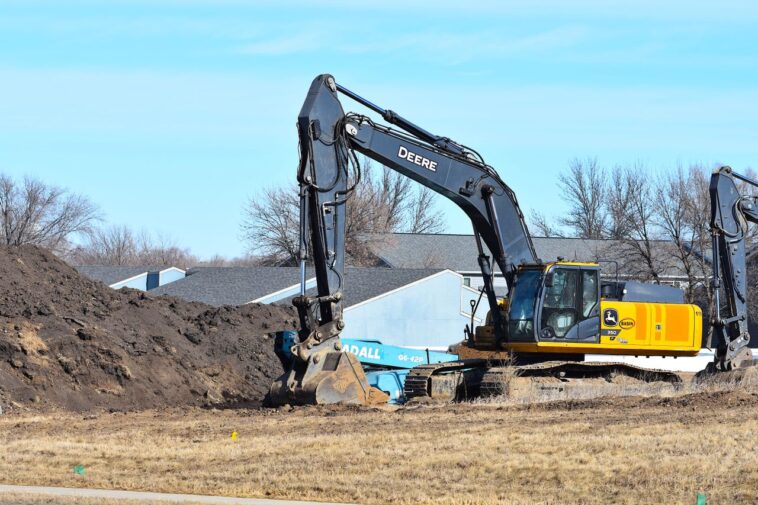
Site Excavation: Contractors clear ground vegetation, dig the pit for the septic tank, and trench lines running from the house.
-
Tank Placement: Heavy equipment lowers the tank onto a level bed of crushed stone, connecting main plumbing lines.
-
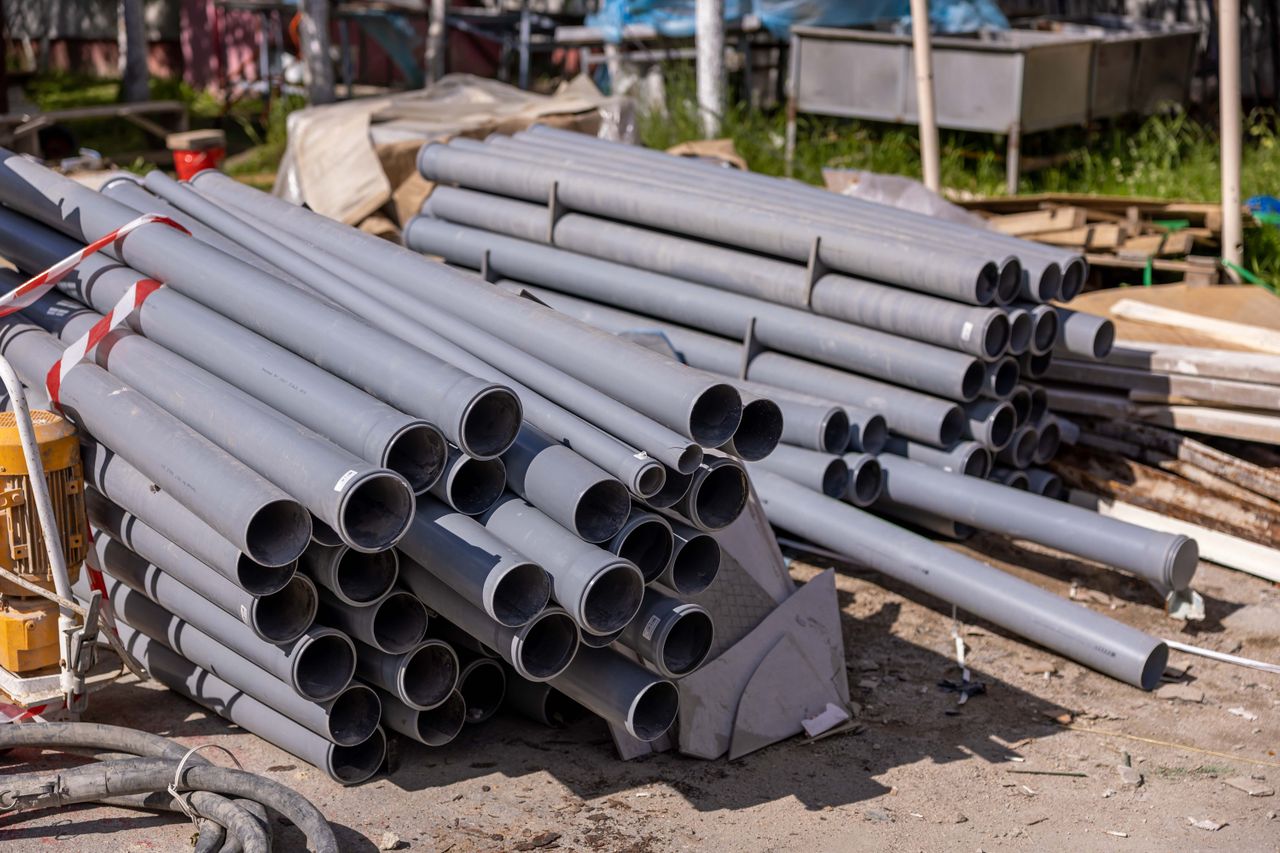
Drainfield Construction: Workers lay perforated distribution pipes or plastic chamber modules inside excavated trenches.
-
County Inspection: A local health inspector examines all open pipes, tank depths, and connections before any earth is covered.
-
Backfilling and Grading: Operators carefully cover all equipment with topsoil, smooth the yard surface, and plant grass seed to control erosion.
If you are managing your installation while juggling a busy work schedule, following practical advice on how to manage stress in daily life can help keep major project milestones on track.
Real-Life Example: Installing a System for a 4-Bedroom Home
To see how these costs combine in a typical project, consider a standard home installation scenario:
-
Property Profile: A newly built 4-bedroom home situated on a 1.5-acre lot with moderate clay soil.
-
System Needed: A standard 1,250-gallon concrete tank paired with a pressure-dosed drainfield and electric pump chamber.
Cost Breakdown:
-
Perc testing, site engineering, and county permit fees: $2,400
-
1,250-gallon concrete septic tank and pump chamber delivered to site: $4,200
-
Electric pump, high-water alarm system, and wiring installation: $1,600
-
Excavation, gravel stone, piping materials, and geotextile fabric: $4,500
-
Site clearing, backfilling soil, and final land grading: $2,100
Final Project Total: $14,800
Common Mistakes That Increase Project Costs
Avoiding common installation and planning mistakes will keep your project on budget and prevent early repairs:
-
Buying Property Without a Perc Test Contingency: Never buy raw land without making your purchase offer conditional on a successful soil test. Unusable soil can convert a simple $7,000 installation into a required $20,000 mound system.
-
Hiring Unlicensed Bidders: Choosing an uncertified contractor who skips permits often leads to improper pipe slope, failed health inspections, and unpermitted work that complicates future home sales.
-
Driving Machinery Over the Drainfield Area: Keep heavy delivery trucks off the designated drainfield area during house construction. Heavy tires crush native soil spaces, reducing natural drainage speed.
-
Overloading System Water Flow: Running multiple laundry loads back-to-back while running dishwashers can push untreated waste into the drainfield lines, leading to premature clogs.
Proper planning around your home isn’t limited to plumbing infrastructure. For instance, homeowners organizing their property documentation often learn how to delete a page in Google Docs to keep site surveys, contractor estimates, and permit records tidy.
Long-Term Maintenance and Cost Prevention
Taking care of your system from day one extends its operational lifespan up to 30 years or more, protecting your original investment.
-
Install Tank Risers: Access pipes extended from your tank lid up to ground level cost around $150 to $400. They eliminate the need to dig up your lawn every time maintenance is performed.
-
Use Outlet Filters: An inexpensive mesh filter placed in the outlet baffle captures stray lint and solid particles before they reach the drainfield.
-
Pump the Tank Regularly: Have a licensed service professional pump out accumulated sludge every 3 to 5 years. A typical pumping service costs between $300 and $600, which is far less expensive than replacing a clogged $8,000 drainfield.
-
Divert Water Runoff: Ensure roof gutters and surface rain channels direct water away from your leach field to avoid oversaturating the soil.
If you are looking to balance home maintenance expenses with broader long-term financial planning, exploring how to do smart investing offers useful strategies for managing home improvement funds wisely.
For additional independent research on wastewater management standards, home service guidelines, and local environmental regulations, you can reference resources provided by the National Association of Home Builders.
Conclusion
Installing a septic system is a major financial step, but it provides essential infrastructure that keeps your property safe, functional, and valuable. While average conventional systems range between $3,500 and $8,000, site conditions like soil composition, household size, and terrain drive the final price.
By securing a proper soil percolation test early, working with licensed contractors, and committing to simple maintenance, you can ensure your septic system functions quietly and reliably for decades.
Frequently Asked Questions
How long does a typical septic system last?
With regular pumping every 3 to 5 years, a conventional septic system lasts between 20 and 30 years. Concrete and plastic tanks can last even longer, though drainfields may eventually need updating over time.
Can I install a septic system myself to save money?
No. Local health codes require licensed contractors to perform excavation, plumbing connections, and soil grading. Unpermitted DIY work is illegal, will fail health inspections, and can result in significant fines.
What are the main signs that a septic system is failing?
Warning signs include slow-draining sinks or toilets, gurgling noises in household pipes, sewage odors near the yard, or wet patches of unusually bright green grass over the drainfield area.
What is the least expensive type of septic system?
A conventional gravity system is the most budget-friendly option, typically costing between $3,500 and $8,000. It requires flat land with deep, well-draining soil.
How often should a septic tank be pumped out?
A standard residential septic tank should be professionally inspected and pumped out every 3 to 5 years to remove solid sludge accumulation.
How much does a percolation test cost?
A percolation test generally costs between $500 and $1,500 depending on location and site accessibility. It must be performed by a licensed soil technician or certified health official.
Do I need to add commercial bacteria products to my tank?
No. Human waste naturally provides all necessary biological bacteria required to process waste in your tank. Harmless usage of household soaps is fine, but harsh chemical additives should be avoided.