
 Harriet Wetton

You open Instagram and see a coat that looks amazing. Then you see 5 more looks from 5 different brands, and you have no idea who made any of them. A friend says, “That’s a Jacquemus bag.” Another says, “No, that’s more like Telfar.” You smile and nod, but inside you feel lost.
If that sounds like you, you are not alone. Many people love fashion but feel left out when the talk turns to designers. The names sound fancy. The prices sometimes look scary. And the rules seem to change every season.
Here is the good news. Understanding contemporary designers fashion is not hard. You do not need a fashion degree or a big budget. You only need a clear map. This guide gives you that map. We will start from the very basics and slowly move to more advanced ideas.
By the end, you will know who today’s designers are, why they matter, how to follow them, and how to use their ideas in your own life, even if you shop on a small budget.
Let’s begin.
What Are Contemporary Designers in Fashion?
Contemporary fashion designers are people who create clothing, shoes, bags, and accessories for today’s world. They work with current ideas, new materials, and modern values, and they are usually active right now.
Let’s make it a little richer.
Some designers are from the past. Think of Coco Chanel or Christian Dior. They shaped fashion history, and their brands still exist. But the people running those houses today are different. They are contemporary designers who work with the old name and bring fresh thinking to it.
Other contemporary designers started their own labels in the last 10 to 20 years. Some are huge names. Some are tiny studios run by 3 people in a small city. What connects them is that they speak to how people live today. They think about how we work, travel, post online, care for the planet, and express who we are.
So when people say “contemporary designers fashion,” they usually mean the mix of famous houses, rising stars, and small independent makers who define how clothing looks and feels right now.
Why Does Contemporary Fashion Matter in Everyday Life?
You may think, “I am not a fashion person. Why should I care?”
That is a fair question. Here are 4 honest reasons.
First, clothes affect how you feel. Most of us know the feeling of putting on something that fits well. You stand taller. You speak with more confidence. Designers spend years studying fit, color, and comfort. When you understand their ideas, you can borrow them to feel better in your own clothes.
Second, fashion is a mirror of culture. Look at any period in history and you can read the mood through its clothes. Today you can see conversations about gender, climate, work from home, and identity in what designers make.
If you want to understand the world a little better, fashion is a fun doorway. If you enjoy that idea, you may like reading about how style connects with art, culture, and daily life.
Third, it helps you shop smarter. When you know what good design looks like, you stop wasting money. You can spot a well made jacket from a badly made one. You can tell a passing trend from an idea that will last. That saves you money and regret.
Fourth, it is inspiring. Many designers have fascinating stories. Some grew up with very little. Some changed an entire industry with a single idea. Learning about them can motivate you in your own work and life, not only in your wardrobe.
How Does Fashion Design Work Today? A Step by Step Look
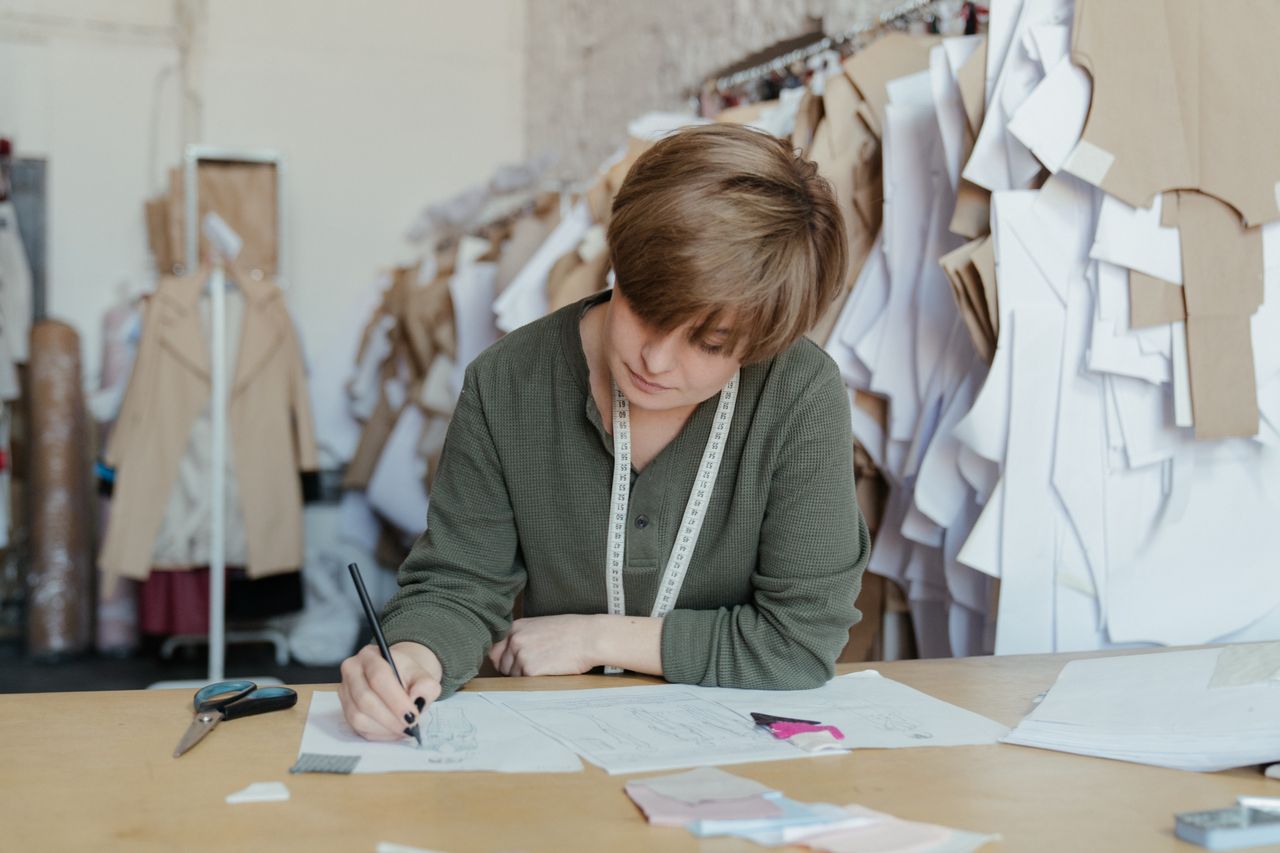
Most people only see the final result on a runway or a website. But a lot happens before that. Knowing the process helps you appreciate why some pieces cost more and why some brands stand out.
Step 1: The idea
Every collection starts with a spark. It might be a trip, a painting, an old photo, a feeling, or a problem the designer wants to solve. For example, a designer may notice that people want clothes that feel smart in a meeting but comfortable on the couch. That small thought can shape an entire season.
Step 2: Research and mood boards
The team collects pictures, fabric samples, colors, and notes. They pin them on a board and look for patterns. This stage is quiet and slow. It is where the mood of the collection takes shape.
Step 3: Sketching and design
Now the designer draws. Some use pencil and paper. Some use software. They draw dozens of looks and then pick the best ones. Many ideas get dropped here, which is normal.
Step 4: Pattern making and samples
A pattern maker turns the drawing into flat paper shapes. Then a sample is sewn in test fabric. The team checks the fit on a model. Often the first sample looks wrong, so they fix it and try again. This can happen 3 or 4 times for one piece.
Step 5: Choosing fabrics and makers
The designer picks the final fabrics and decides who will make the clothes. This step decides much of the price, the quality, and the impact on people and the planet.
Step 6: Showing the collection
Designers show their work in different ways. Some hold big runway shows in cities like Paris, Milan, New York, and London. Others use small private showings or online videos. Today many designers also share their process on social media so fans feel part of the journey.
Step 7: Selling and learning
Stores and customers react. Designers watch what sells and what does not. They use that knowledge to shape the next collection. Fashion is a cycle, and it never really stops.
Who Are Some Well Known Contemporary Designers?
Names can feel overwhelming, so here are a few that show the range of what is happening right now. This is not a full list. It is a friendly starting point.
Stella McCartney is known for luxury clothing made without leather or fur. She was early to say that style and care for animals can go together.
Rei Kawakubo of Comme des Garçons is famous for bold, unusual shapes that challenge what clothing should look like. Her work feels more like art than ordinary clothes, and it has influenced designers around the world.
Iris van Herpen mixes fashion with science and technology. Her dresses can look like they came from the future, and she often uses new methods and materials.
Simon Porte Jacquemus, the founder of Jacquemus, built a brand with a light, playful, sunny mood. His tiny handbags and simple shapes became very popular online.
Telfar Clemens created Telfar, a label with the motto “not for you, for everyone.” Its shopping bag became popular because of its fair prices and open, welcoming message.
Marine Serre is known for using old and leftover fabrics to make new clothes, which shows how fashion can be creative and thoughtful about waste.
Grace Wales Bonner blends history, culture, and modern tailoring in thoughtful collections that tell stories.
Christopher John Rogers is loved for bright colors and big, joyful shapes that make people smile.
Notice how different each one is. That is the point. Contemporary fashion is not one look. It is many voices speaking at once, and you get to decide which ones speak to you.
A Real Life Example: How One Person Learned to Dress Better
Let me tell you about a story that many readers will recognize. Imagine a young woman named Sara. She works in an office, earns a normal salary, and always felt her wardrobe was “boring.” Every month she bought cheap trendy items online. Her closet was full, yet every morning she said, “I have nothing to wear.”
She felt frustrated and a little embarrassed. She would see stylish people at work and think, “They must have so much money.”
One weekend, she decided to learn instead of just buying. She spent a few hours reading about designers and looking at how they put outfits together. She noticed something simple. The looks she loved had a clear shape, a small number of colors, and good fabric. Nothing was complicated.
So she tried a small experiment. She stopped buying cheap trendy items for 3 months. She saved that money and bought 2 well made pieces: a structured blazer and a pair of straight trousers. She then built outfits around them using things she already owned.
The result? She spent less overall, felt more confident, and got her first real compliments at work. She did not copy any designer. She only borrowed what she learned from them: clean shapes, fewer colors, better fabric.
This is what knowing contemporary fashion can do for you. It is not about showing off. It is about making smarter, calmer choices.
How Can You Start Learning About Contemporary Designers Fashion?
If you want to begin today, here is a simple plan you can follow.
- Follow 5 to 10 designers or fashion accounts. Choose a mix of big names and small ones. Pay attention to which images make you stop scrolling.
- Save what you love. Make a folder of pictures. After 2 weeks, look at the folder. You will see a pattern in colors, shapes, and moods. That pattern is your taste.
- Watch a few runway shows online. Many are free. You do not need to like everything. Just notice what ideas stay with you.
- Read designer stories. Interviews and short biographies help you understand why they make what they make.
- Visit stores. Touch the fabric. Try things on, even if you do not buy. Your hands and eyes will learn faster than any article.
- Start small. Pick 1 idea from a designer and try it in your own wardrobe. It could be a color, a shape, or a way of layering.
Be patient. Taste grows slowly, like a muscle. After a few months, you will see fashion with new eyes.
Common Mistakes People Make With Designer Fashion
Many readers feel confused or discouraged because of mistakes that are easy to avoid. Let’s go through the most common ones with kindness, because almost everyone makes them at the start.
Mistake 1: Chasing every trend
Trends move fast. If you try to follow all of them, you will spend a lot and still feel behind. Choose the ones that truly suit you and let the rest go.
Mistake 2: Thinking expensive always means better
A high price does not always mean high quality. Sometimes you pay mostly for the name. Check the stitching, the fabric, and the fit, not only the label.
Mistake 3: Ignoring fit
A simple item that fits well beats a famous item that fits badly. Even a small tailoring change can make an outfit look far more expensive.
Mistake 4: Buying without a plan
Many people buy a single beautiful piece that matches nothing they own. It sits in the closet with the tag still on. Before buying, ask, “Can I wear this in at least 3 outfits?”
Mistake 5: Copying someone else’s style exactly
What looks great on a model or influencer may not suit your body, your job, or your life. Use their ideas as inspiration, then make them your own.
Mistake 6: Forgetting comfort
If you do not feel good in it, you will not wear it. Comfort is not boring. It is the secret of people who always look relaxed and confident.
Mistake 7: Falling for fake products
Fake designer items are everywhere online. They hurt the brands, and they often fall apart quickly. Always buy from trusted sellers, and read honest feedback before spending. Looking at real customer reviews is a good habit that can save you from disappointment.
Advanced Strategies: How to Think Like a Fashion Insider
Once you feel comfortable with the basics, you can go deeper. These ideas are used by stylists, buyers, and long time fashion lovers.
Learn to read a collection, not a single piece
A designer’s collection is like a story with chapters. When you look at an entire season, you see the main idea. Ask yourself: What colors repeat? What shapes show up again and again? What feeling does it give? This helps you understand why a single piece looks the way it does.
Understand the difference between trend and signature
A trend is something many brands do at the same time. A signature is something that belongs to 1 designer for years. Trends fade. Signatures last. When you invest, favor signatures and classic shapes. Spend less on trends.
Build around a core wardrobe
Experts often build a small base of 15 to 25 pieces in a few colors. These pieces mix easily. Then they add 3 or 4 fresh items each season. This gives you a modern look without a messy closet.
Think about cost per wear
Here is a simple trick. Divide the price by how many times you expect to wear the item. A coat that costs 300 and is worn 100 times costs 3 per wear. A trendy top that costs 30 and is worn twice costs 15 per wear. Suddenly the “expensive” coat is the cheaper choice.
Look at materials and construction
Learn a few basics. Check if the seams are straight and strong. Look inside the garment to see how clean the finishing is. Feel whether the fabric is thick and smooth or thin and scratchy. After a little practice, you can tell quality in 30 seconds.
Mix high and low
Many stylish people combine an expensive item with simple, affordable ones. A single great jacket can lift a plain t shirt and jeans. You do not need a full designer wardrobe to look sharp.
Follow the people behind the brands
The more you know about a designer’s values, the easier it is to pick brands that match your own. If you care about the planet, you can look for designers who use recycled or leftover fabric. If you care about local craft, you can look for those who work with artisans.
Related Subtopics Worth Exploring
Contemporary fashion is a big world, and this guide is only the doorway. Here are some areas you may want to explore next, and each one connects to what we covered above.
If you care about the planet, you will enjoy learning about sustainable fashion designers and how they cut waste without losing style. Many of them use recycled fabric, leftover material, or slower methods of production.
If your closet feels messy, learning how to build a capsule wardrobe can bring calm. It helps you choose fewer pieces that work together in many ways.
If you often wonder “what is my style?”, a guide on how to find your personal style can help you discover your own taste without copying anyone.
If you love discovering new names before everyone else does, reading about emerging fashion designers to watch can be exciting. Many of the biggest brands today started small.
If you are curious about what comes next, a look at fashion trends for 2027 can give you a head start.
If the price tags make you nervous, an article on luxury vs affordable designer fashion can help you understand what you really pay for.
If you shop online, learning how to spot fake designer items can protect your money and your trust.
And if the glamorous world of runways fascinates you, a simple explanation of how fashion week works will clear up a lot of confusion.
Each of these topics deserves its own space, and we will cover them in detail in separate guides.
When Should You Get Expert Help?
Most people can learn a lot on their own. But there are times when a little expert help saves you time, money, and stress.
You may want a personal stylist if you have an important event, a job change, or a big wardrobe reset and you feel stuck. A stylist can look at your body shape, lifestyle, and budget, and give advice that fits you.
You may want a tailor if you love an item but the fit is slightly off. A tailor can often fix sleeves, hems, and waistlines for a small cost, and the change can be dramatic.
If you are a small designer or want to start a clothing label, speaking with someone who has worked in production, pattern making, or retail can help you avoid costly beginner errors.
And if you simply feel overwhelmed, it is fine to ask a friend whose taste you trust to go shopping with you. Expert help does not always mean paid help. Sometimes a second pair of honest eyes is enough.
The key is to choose people who listen to you first. A good expert will ask about your life, not push you toward expensive things you do not need.
What Is Changing in Fashion? Future Trends and Industry Shifts
Fashion never stands still. Here are some shifts that many people in the industry are talking about.
More care for the planet. People are asking harder questions about where clothes come from and how they are made. More designers are trying recycled fabrics, repair services, and smaller production runs. Shoppers also buy second hand more often, and it is now seen as smart, not shameful.
New technology. Designers are exploring digital fitting tools, 3D design, and new materials. Some use online tools so you can see how a garment looks before it is made. These changes may reduce waste and make shopping easier.
Fashion for more people. Brands are slowly offering wider size ranges, more skin tones in their imagery, and designs that work for different bodies and abilities. Many customers now expect this, and they remember which brands listened.
Comfort and flexibility. Many people now work from home or in mixed settings. Clothes that feel good and still look neat are in demand. The old line between “work clothes” and “home clothes” keeps getting softer.
Small brands with big voices. Social media lets a tiny label reach millions of people without a large budget. This gives you more choices, and it gives new designers a real chance.
Quality over quantity. After years of very cheap fast fashion, many people are choosing fewer, better pieces. This idea is likely to keep growing.
You do not need to follow every shift. Just know that the world of fashion is moving toward more thoughtful, personal, and flexible choices. That is good news for everyday people.
Conclusion: You Do Not Need to Feel Lost Anymore
Let’s go back to the moment from the beginning, when you saw a lovely look online and did not know who made it. By now, you know more than you did when you started reading.
You know what contemporary designers are and why they matter. You know how fashion is made, from the first idea to the final sale. You know a few names to explore, the mistakes to avoid, and the smart habits that insiders use. And you have a simple plan you can start today.
Remember, good style is not about money or fame. It is about understanding what suits you and choosing with care. Everyone starts as a beginner. Even the most stylish people once stood in front of a closet and felt unsure.
Your next step is easy. Pick 3 designers from this guide, look at their latest work, and notice what you love. Save those pictures. In a week, look again and ask yourself what they have in common. That small habit is the first step toward your own clear, confident style.
Frequently Asked Questions
1. Who are contemporary fashion designers?
Contemporary fashion designers are people who create clothing and accessories for today’s world. They include leaders of famous fashion houses, independent label founders, and small studio makers who are active now.
2. What is the difference between contemporary and classic fashion?
Classic fashion focuses on timeless shapes that stay in style for many years. Contemporary fashion reflects current ideas, materials, and culture, so it changes more often. Many people mix both in their wardrobe.
3. Do I need a big budget to follow contemporary fashion?
No. You can learn about designers, study their ideas, and borrow them without buying their products. You can also shop second hand or choose affordable brands that take inspiration from current styles.
4. How can I find my own fashion style?
Save pictures of outfits you love for 2 to 4 weeks. Then look for patterns in colors, shapes, and moods. Try small changes in your wardrobe and notice what makes you feel confident and comfortable.
5. How do I know if a designer item is real?
Buy from the brand’s own store or from trusted, well reviewed sellers. Check stitching, labels, and packaging, and be careful of prices that look too good to be true. When in doubt, ask the seller for proof of authenticity.
6. Is expensive fashion always better quality?
Not always. A high price can include marketing and brand value. Check the fabric, seams, and fit to judge real quality, and compare cost per wear instead of only the price tag.
7. How can I make my fashion choices more sustainable?
Buy fewer items of better quality, wear them often, repair them when needed, and consider second hand options. Supporting designers who use recycled or leftover materials also helps.