
 Harriet Wetton

Simple discipline is the habit of doing small, clear actions on purpose, even when you do not feel like it.
That is the whole idea. It is not about being harsh with yourself. It is not about waking up at 4 AM or living like a soldier.
Think of it like brushing your teeth. You do not feel a burst of motivation each morning. You just do it. It is small, it is clear, and it is part of your day.
Simple discipline works the same way. You pick a small action. You make it easy. You repeat it. Over time, it becomes normal.
If you want another view on the same idea, simple discipline explains it from a learning angle and is worth a read.
Why Does It Matter So Much?
Discipline is the bridge between what you want and what you get.
You may want better health, a calmer home, a better job, or more time with your family. Wanting is easy. Doing is where most people get stuck.
Here is what simple discipline gives you:
- Trust in yourself. Every time you keep a small promise, you feel more reliable.
- Less stress. Decisions are already made, so your mind has less to carry.
- Real progress. Small actions repeated for months beat big bursts that fade in a week.
- More freedom. It sounds odd, but disciplined people often have more free time, because they stop wasting energy on delay and guilt.
Let me say that last point again. Discipline is not a cage. When done in a simple way, it is what opens the door.
Why Is Discipline So Hard for Most People?
Before we fix the problem, let us understand it. Because when you know why you struggle, you stop blaming yourself.
Your Brain Likes Comfort
Your brain wants to save energy. It likes easy things, like sitting, snacking, and scrolling. This is normal. It is how humans have survived for thousands of years.
So when you plan something hard, your brain pushes back. That does not mean you are weak. It means you are human.
Big Goals Feel Scary
Say you want to “get fit.” That goal is huge. Where do you even begin? A gym plan, a new diet, 6 days a week?
When a goal feels too big, we freeze. Then we call it laziness. But often it is just overwhelm.
We Wait for Motivation
Many people think they must feel ready first. They wait for energy, mood, and the “right time.”
But motivation is like weather. It comes and goes. If your plan depends on it, your plan will fail on cloudy days.
Shame Makes It Worse
When we miss a day, we say harsh things to ourselves. “I always quit.” “What is wrong with me?”
That voice does not help. Shame drains energy. It makes the next start even harder. Many people stay stuck for years in this loop, and it is one of the most painful parts of the whole story.
If you have felt this, I understand. Truly. And the good news is that simple discipline is built to break this loop.
How Does Simple Discipline Work? Step by Step
Here is the full method. Take your time with it. You do not need to do everything today.
Step 1: Choose 1 Thing, Not 10
Most people start by changing everything at once. New diet, new gym, new schedule, new sleep time. By day 4, they are exhausted.
Pick 1 area. Only 1. It could be walking daily, reading, finishing your most important task, or sleeping on time.
Ask yourself this: “If I could fix only 1 thing this month, what would help my life the most?”
Write it down. That is your starting point.
Step 2: Make It Tiny
This is the secret that changes everything.
Shrink your action until it feels almost silly. Not “exercise for 1 hour,” but “put on my shoes and walk for 5 minutes.” Not “write a chapter,” but “write 1 paragraph.”
Why? Because a tiny action is hard to say no to. And once you start, you often keep going on your own.
If you can do it on your worst day, it is the right size.
Step 3: Attach It to Something You Already Do
New habits float away easily. So tie them to something solid.
Use this simple sentence: “After I [old habit], I will [new action].”
Here are some examples:
- After I pour my morning tea, I will write my top 3 tasks.
- After I close my laptop, I will take a 10 minute walk.
- After I brush my teeth at night, I will read 2 pages.
Your old habit becomes a reminder. You do not need to remember anything extra.
Step 4: Remove What Gets in the Way
Discipline is easier when your space helps you.
If you want to read more, keep the book on your pillow and the phone in another room. If you want to eat better, do not keep junk food at eye level. If you want to work without distraction, close extra tabs and silence alerts.
This is not cheating. It is smart. Do not fight temptation with willpower alone. Make the bad choice harder and the good choice easier.
Step 5: Track It in the Easiest Way Possible
Seeing progress feels good, and it keeps you going.
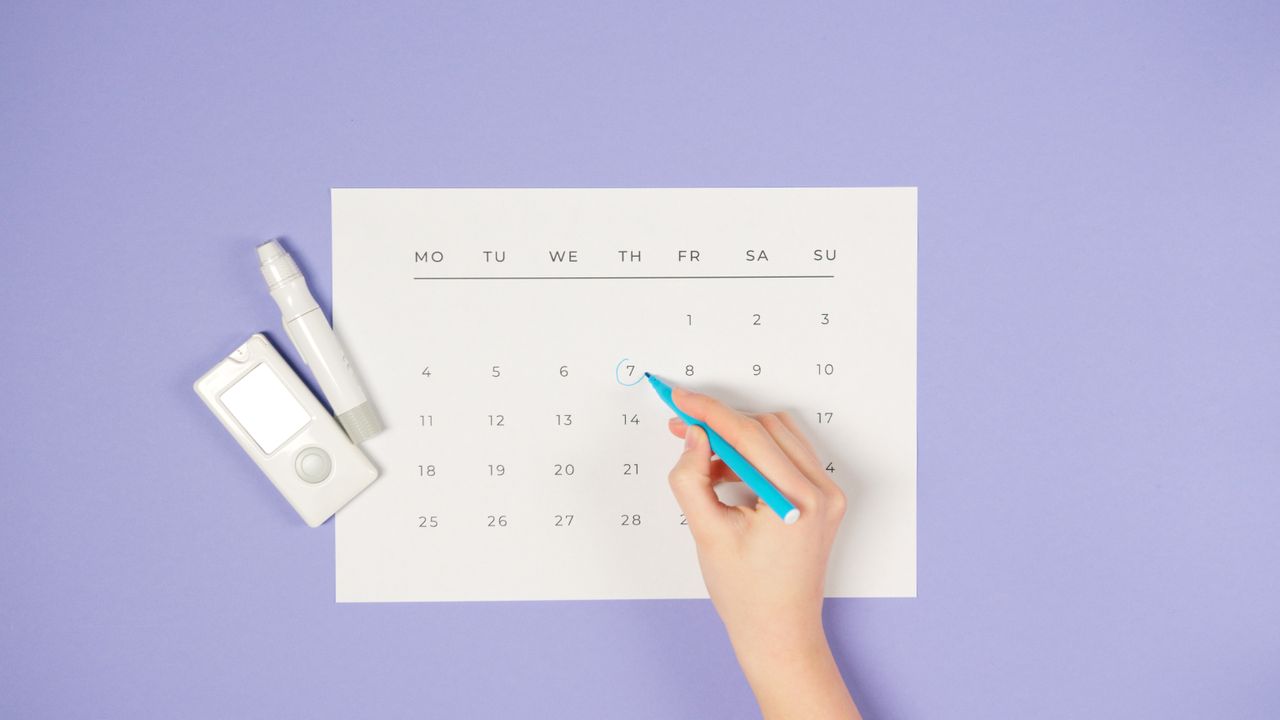
Use a paper calendar. Put a big X on each day you complete your action. After a week, you will see a chain of X marks. You will not want to break it.
Do not use a complicated app or spreadsheet. If tracking takes more than 30 seconds, it is too much.
Step 6: Never Miss Twice
You will miss a day. Everyone does. A sick child, a late night, a busy week. It happens.
The rule is simple: never miss twice in a row.
One missed day is a small bump. Two missed days start a new habit, the habit of stopping. So if you miss today, do even the tiniest version tomorrow. Even 1 minute counts.
Step 7: Grow Slowly
After 2 to 3 weeks, when your tiny action feels normal, raise it a little. Walk 10 minutes instead of 5. Write 2 paragraphs instead of 1.
Do not rush. Slow growth lasts. Fast growth usually burns out.
What Does Simple Discipline Look Like in Real Life?
Ideas are nice, but real stories make them clear. Here are 3 everyday examples.
Example 1: Sara, the Busy Mother
Sara has 2 kids and a full day. She wanted to exercise but never found time. Every plan for “1 hour at the gym” failed.
So she changed it. She decided to do 5 minutes of stretching after she put her kids to bed. That is all. Some nights she did more. Most nights she did just 5 minutes.
After 2 months, she was walking daily and had more energy. She did not need a big plan. She needed a small one she could keep.
Example 2: Ali, the Student
Ali kept delaying his study. He would sit down, open his phone “for a second,” and lose 2 hours.
He tried something small. He left his phone in another room and studied for just 15 minutes using a timer. When the timer rang, he could stop. Most days he did not want to stop.
His grades slowly improved. More importantly, he stopped feeling guilty all the time.
Example 3: Nadia, the Freelancer
Nadia worked from home and struggled with a messy schedule. Some days she worked 12 hours. Other days, nothing.
Her simple discipline was this: every morning, after her tea, she wrote down 3 tasks and finished the most important one first. Just that.
Within a month, her work felt calmer and her income became more steady. She said the biggest change was peace of mind.
Notice something in all 3 stories. Nobody used extreme force. They used small, clear actions again and again.
What Are the Most Common Mistakes to Avoid?
Even good plans fail when we make these errors. Check if any feel familiar.
Mistake 1: Starting Too Big
A huge plan feels exciting on day 1 and heavy on day 5. Start smaller than you think you should.
Mistake 2: Relying on Motivation
Motivation is a bonus, not a base. Build a system that works even when you feel flat.
Mistake 3: Changing Too Many Things
When you change 6 habits at once, your energy spreads thin. Focus on 1 until it feels natural.
Mistake 4: Being Too Hard on Yourself
Harsh self talk does not create discipline. Kindness does. Talk to yourself the way you would talk to a good friend who is trying.
Mistake 5: Comparing Your Start to Someone Else’s Middle
You see someone fit, calm, or successful. But you do not see their first messy months. Compare yourself only to who you were last week.
Mistake 6: Quitting After One Bad Day
One bad day is just a bad day. It is not proof that you cannot do it. Return the next day without drama.
Mistake 7: Ignoring Rest
Discipline is not the same as constant effort. Sleep, breaks, and rest days keep you going for the long run. A tired mind cannot follow through.
What Are Some Advanced Strategies for Simple Discipline?
Once your basic habit is steady, you can go deeper. These ideas help you stay consistent for years, not weeks.
Use “If Then” Plans for Hard Moments
Plan for trouble before it arrives. Write sentences like these:
- If I feel too tired to exercise, then I will do 2 minutes only.
- If I get distracted at work, then I will stand up, drink water, and restart.
- If I miss a day, then I will do the tiny version the next morning.
When the hard moment comes, you do not need to think. The answer is already there.
Design Your Day Around Your Energy
You are not equally sharp all day. Notice when you feel most clear. For many people it is the morning. For others, it is late evening.
Put your most important task in your best hour. Put easy tasks in your low energy hours. This one change can feel like gaining extra time.
Build an Identity, Not Just a Habit
This one is powerful. Instead of saying “I am trying to read more,” say “I am a reader.”
Each small action becomes a vote for the kind of person you are becoming. After enough votes, the new identity feels natural, and the habit follows.
Use the 2 Minute Rule
If a task takes less than 2 minutes, do it right now. Reply to the message. Put the cup in the sink. Fold the shirt.
It sounds minor, but it clears mental clutter and trains your mind to act quickly.
Review Weekly, Not Daily
Once a week, sit for 10 minutes and ask 3 questions:
- What went well?
- What got in the way?
- What 1 small change will I make next week?
This keeps you learning without judging yourself every single day.
Reward Yourself Fairly
Your brain loves a reward. After you finish your action, give yourself something small and good. A cup of coffee, a short song, a quiet minute in the sun.
Over time, the action itself starts to feel rewarding.
What Related Topics Should You Explore Next?
Simple discipline connects to many parts of daily life. As you grow, you may want to go deeper into specific areas. Here are the topics that help most.
If your biggest struggle is putting things off, learning how to stop procrastinating gives you tools for the exact moment you feel stuck. Many people find that delay is really fear or confusion in disguise, and once they see that, it loses power.
If you want your efforts to last, it helps to understand how to build good habits that stick. This goes into how habits form in the brain and how long they really take, which is often longer than the “21 days” you may have heard.
Some days, no plan feels strong enough. That is when knowing how to stay motivated when you feel lazy can save your week. It covers small mental tricks for low energy days.
A solid routine is the backbone of discipline. A guide on how to create a daily routine that works for you can show you how to shape your hours without making them feel rigid.
Many people lose focus because of their phones. Learning how to avoid digital distractions helps you protect your attention, which is the most valuable thing you have.
Your morning often sets the tone for your whole day. Simple morning routine ideas can help you begin with calm instead of rush.
Discipline also means protecting your time. Learning how to say no without guilt is a skill that frees up space for what truly matters.
And finally, because everyone slips, knowing how to get back on track after a bad day or a bad week keeps one setback from becoming a long break.
You do not have to read all of these at once. Pick the one that matches your biggest struggle right now. If you want a place to begin, you can also take a look at another helpful guide on our site.
When Should You Get Expert Help?
Simple discipline works well for most everyday goals. But sometimes, the struggle is bigger than a habit.
You may want to speak with a professional if:
- You feel low, hopeless, or numb for many weeks, and nothing seems to help.
- Your lack of focus is affecting your job, school, or relationships in a serious way.
- You suspect a deeper issue, such as ADHD, anxiety, or burnout.
- Sleep problems are getting worse and no routine fixes them.
- You feel stuck in the same cycle even after trying small steps for a long time.
Asking for help is not weakness. It is one of the smartest forms of discipline there is. A doctor, counselor, or coach can see what you cannot see from the inside.
And if your goal is more about learning or career skills, a mentor or teacher can shorten your path by showing you what works. Please remember that this article is for general guidance and is not a replacement for medical or mental health care.
What Is Changing in How We Build Discipline?
The way people think about self control is shifting, and mostly in a healthy direction.
From force to design. Experts now focus less on willpower and more on setting up your space and routine so good choices are easy. This is the heart of simple discipline.
From perfection to consistency. More people are learning that doing a little every day beats doing a lot once in a while. The “all or nothing” mindset is fading.
More attention on mental health. People now see that rest, sleep, and emotional care are part of discipline, not the opposite of it. Burnout is taken seriously.
Smarter tools, same basics. Apps, reminders, and trackers keep improving. But the foundation does not change. A small action, repeated with kindness, still wins.
A fight for attention. As screens grow more tempting, protecting your focus will matter even more. Digital habits will become a core part of personal discipline in the years ahead.
The tools will change. The truth will not. Small steps, done daily, change lives.
Final Thoughts: You Can Start Small Today
Let us come back to where we began. You wake up with a plan, the day gets away from you, and you feel disappointed.
That story can change. Not by becoming a different person, but by making your plan smaller, clearer, and kinder.
Remember the key points:
- Pick 1 thing.
- Make it tiny.
- Attach it to something you already do.
- Make your space help you.
- Never miss twice.
- Grow slowly.
You do not have to be perfect. You only have to begin. And you can begin in the next 5 minutes.
So here is your next step. Choose 1 small action and write it down right now. Decide when you will do it tomorrow. That is it. That is simple discipline.
You have already done the hardest part, which is showing up and reading this far. Be proud of that. Now take the first small step.
Frequently Asked Questions
What is simple discipline in easy words?
Simple discipline means doing small, clear actions on a regular basis, even when you do not feel like it. It focuses on easy steps instead of hard force, so you can keep going for a long time.
How long does it take to build discipline?
It varies by person. Research suggests habits can take anywhere from 2 months to 8 months to feel natural. Do not worry about the exact number. Focus on showing up daily, even in a small way.
Can I be disciplined if I have no motivation?
Yes. Discipline does not depend on motivation. When you keep your action tiny and tie it to a daily habit, you can follow through even on low energy days.
What should I do if I miss a day?
Do not panic and do not blame yourself. Just return the next day and do the smallest version of your habit. The most important rule is to never miss twice in a row.
Is discipline the same as willpower?
No. Willpower is the energy you use in the moment to resist temptation. Discipline is the system you build so you need less willpower. Good systems beat strong willpower over time.
How many habits should I work on at once?
Start with 1. Once it feels natural, usually after 3 to 4 weeks, you can add another. Working on too many habits at once is a common reason people quit.
Can children and teenagers learn simple discipline too?
Yes. Kids do best with small tasks, clear routines, and gentle encouragement. Praise their effort, not just results, and let them see you practice it too.