
 Harriet Wetton
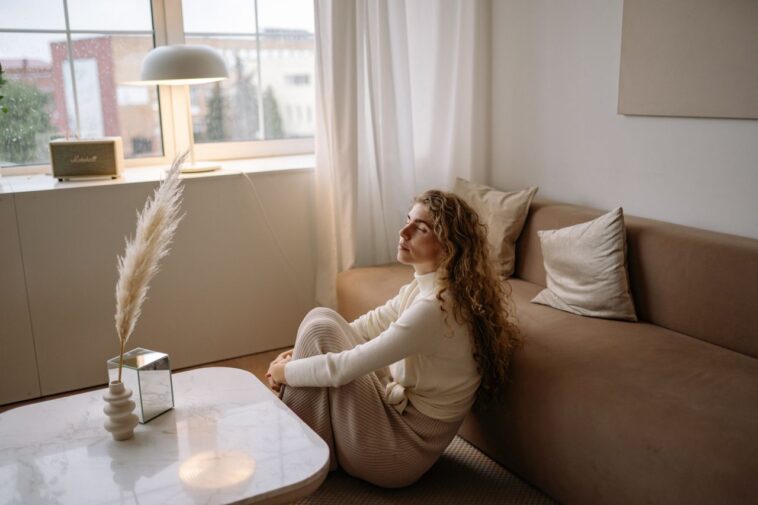
You wake up tired. Your phone is already buzzing. Your chest feels tight, and your mind is racing through a list of things you have not done yet.
Sound familiar?
If it does, you are not weak and you are not broken. You are a human being living in a very loud world. Millions of people feel this exact way every single day, and most of them never talk about it.
You may have tried to “just relax” before. Maybe you watched a video, took a deep breath, and felt nothing change. That can be frustrating. It can even make you feel like something is wrong with you. Nothing is wrong with you. Most people were simply never taught how to calm their minds in a way that actually works.
That is where mindfulness meditation for stress management comes in. It is a simple skill. It does not need special clothes, a quiet mountain, or hours of free time. It needs a few minutes, a little patience, and a kind attitude toward yourself.
In this guide, I will walk you through everything in plain words. You will learn what mindfulness meditation is, why it helps with stress, and how to start today. You will also see real life examples, common mistakes, and some advanced ideas for when you are ready to go deeper.
By the end, you will have a clear path you can follow. And you may be surprised by the one small thing most beginners miss in the first week. I will show you that in a moment.
What Is Mindfulness Meditation?
Mindfulness meditation is the practice of paying attention to the present moment on purpose, without judging what you notice.
That is the whole idea. You sit or lie down, and you pay attention to something simple, like your breath. When your mind wanders, you notice it and gently come back. That is it.
Think of your mind like a puppy. A puppy runs everywhere. It chews your shoes. It jumps on the sofa. You do not shout at a puppy for being a puppy. You calmly bring it back, again and again. Meditation works the same way. Your mind will wander, and that is normal. Each time you bring it back, you are building a muscle.
Is It the Same as Relaxing?
Not exactly. Relaxing is lovely, but mindfulness is a bit different. Relaxing is about feeling calm. Mindfulness is about noticing what is happening inside you and around you, even if it is not calm. Over time, though, noticing things without fighting them often brings a deep sense of calm anyway.
Is It Religious?
No. Many people link meditation with spiritual traditions, and for some people it is part of their faith. But mindfulness meditation as it is taught for stress is a practical mental skill. You do not need to change your beliefs. You can practice it whatever your religion, background, or lifestyle.
Why Does Mindfulness Matter for Stress?
Stress is not always bad. A little stress helps you meet a deadline or react quickly in danger. The problem starts when your body stays in “alarm mode” for days, weeks, or months.
When you are stressed, your body releases hormones that speed up your heart, tighten your muscles, and make your thoughts race. This is useful if a car is coming toward you. It is not useful when the “danger” is an unread email or a tough conversation.
Long periods of stress can affect your sleep, your mood, your focus, and even your physical health. Many people notice headaches, stomach trouble, or trouble switching off at night.
Mindfulness helps because it works on the root of the problem. It teaches your mind and body to slow down and step out of that alarm mode. Instead of being swept away by every worry, you learn to watch your thoughts like clouds passing in the sky.
The British Heart Foundation explains how mindfulness meditation can support stress relief and why looking after your mind is also good for your heart. It is a helpful read if you want a trusted health charity’s view.
I also want to be honest with you. Mindfulness is not a magic cure. It will not remove every problem in your life. What it can do is change how you respond to those problems. And that change can feel huge.
If you want a wider picture of everyday stress before you begin, this guide on how to manage stress in daily life is a good companion to this article.
How Does Mindfulness Meditation Work Step by Step?
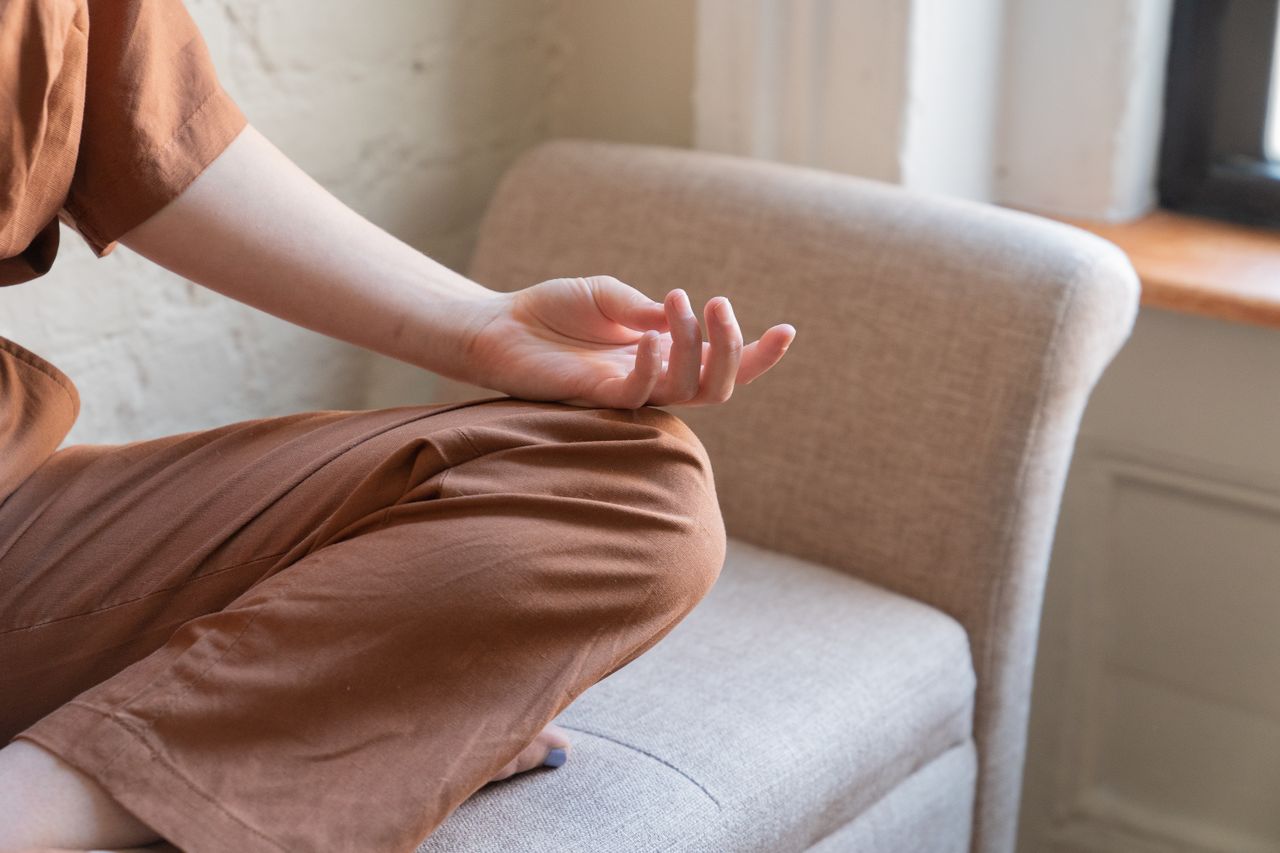
You can start with just 5 minutes a day. Here is a simple routine that works for most beginners.
- Pick a quiet spot. It does not have to be perfect. A corner of your bedroom, a chair, or even a parked car works. Turn off notifications so your phone does not pull you away.
- Set a short timer. Choose 5 minutes. A short time is easier to keep. You can slowly build up to 10, 15, or 20 minutes later.
- Sit comfortably. Keep your back fairly straight but not stiff. Rest your hands on your lap. You can close your eyes, or look softly at the floor if that feels better.
- Notice your breath. Do not change it. Just feel it. Notice the air moving in through your nose, your chest or belly rising, and the air going out again.
- Expect your mind to wander. It will. Maybe you will think about dinner, work, or an old argument. That is not failure. That is the practice.
- Gently come back. When you notice you have drifted, say “thinking” in your head, then return to your breath. Be kind about it, the way you would be with a tired child.
- Finish slowly. When the timer ends, take one deep breath. Open your eyes. Notice how your body feels before you jump back into your day.
What Actually Happens Inside You?
When you focus on your breath, your body gets a message that you are safe. Your breathing slows. Your muscles loosen. Your heart rate often settles.
Even more important, you are training your attention. Each time you notice a stressful thought and return to your breath, you are practicing a pause. That pause is powerful. In real life, it is the small gap between feeling angry and saying something you regret.
How Long Until It Starts to Help?
Some people feel a little calmer after the very first session. Others need a few weeks before they notice a change. Both are normal. Think of it like going to the gym. One visit will not change your body, but steady visits will.
A good goal is 5 minutes a day for 2 weeks. After that, check in with yourself. Are you sleeping a little better? Reacting less quickly? Feeling less tight in your shoulders? Those small signs matter.
What Does Mindfulness Look Like in Real Life?
Ideas are nice, but stories make them stick. Here are 3 everyday examples. The names are made up, but the situations are very common.
The Busy Mom Who Never Stops
Sara has 3 kids, a part time job, and a house that never stays clean. By evening she is snapping at everyone and feeling guilty about it. She could not find 20 minutes to meditate, so she tried 3 minutes in the car before walking into the house.
She just breathed and noticed her hands on the steering wheel. After a couple of weeks, she said the first 10 minutes of the evening felt less chaotic. She did not become a different person. She just gained a small pause.
The Student Facing Exams
Ali is a university student. Before every exam, his mind goes blank and his stomach hurts. He started a 5 minute breathing practice each morning.
On exam day, when panic rose, he put his feet flat on the floor, took 3 slow breaths, and brought his attention back to the question. He still felt nervous. But the nerves stopped taking over.
The Worker With a Heavy Inbox
Maria works in an office and checks email every few minutes. She felt tense all day. She added a rule: before opening a stressful email, she takes one slow breath and relaxes her shoulders. It sounds tiny. But over a month, she noticed she replied with more care and less panic.
What These Stories Teach Us
None of these people had hours of free time. None of them became experts overnight. They all used small, simple moments. That is the secret. Mindfulness grows through tiny habits, not big dramatic efforts.
If you feel like you are too busy, too tired, or too stressed to even try, I understand. Start with 1 minute. One minute is still a win.
What Are the Most Common Mistakes Beginners Make?
Almost everyone makes these mistakes at the start. Knowing them early can save you weeks of frustration.
Mistake 1: Trying to Stop Your Thoughts
This is the biggest one. Many beginners think meditation means having an empty mind. It does not. Your mind will keep thinking, and that is fine. The goal is to notice your thoughts, not to force them away. The harder you push, the louder they get.
Mistake 2: Judging Yourself
You might think, “I am terrible at this,” or “My mind is too busy.” That harsh voice is just another thought. Notice it, and gently return to your breath. A busy mind is not a bad meditator. It is just a human mind.
Mistake 3: Starting Too Big
Some people decide to meditate for 30 minutes every morning. By day 4, they quit. Start small. 5 minutes you actually do is better than 30 minutes you skip.
Mistake 4: Expecting Instant Results
If you expect to feel completely calm after one session, you may feel let down. Mindfulness is a skill. Skills grow slowly. Give it a few weeks before you decide whether it works for you.
Mistake 5: Waiting for the Perfect Moment
There is no perfect moment. Your house may never be quiet. Your schedule may never be clear. Practice anyway. Meditating in a noisy room is still meditation. The sounds become part of what you notice.
Mistake 6: Using It Only in Emergencies
If you only try mindfulness when you are already overwhelmed, it will feel hard. It is much easier to learn when you are fairly calm. Then the skill is ready when you need it most.
Mistake 7: Ignoring Your Body
Some people feel dizzy, sleepy, or uncomfortable and push through. Listen to your body. Open your eyes, shift your position, or take a break. Meditation should never feel like punishment.
If any of these sound like you, please do not worry. You are not doing it wrong. You are learning.
How Can You Go Deeper With Mindfulness Meditation?
Once you can sit for 10 minutes without much struggle, you may want to explore more. Here are some ideas to grow your practice. You do not need to try them all. Pick one that feels right.
Body Scan Meditation
Lie down or sit comfortably. Slowly move your attention from your toes up to the top of your head. Notice any tightness, warmth, or tingling. Do not try to fix anything. Just notice. This is wonderful for people who carry stress in their body, and it is often used before sleep.
Mindful Walking
Walk slowly for 5 to 10 minutes. Feel your feet touch the ground. Notice the movement of your legs and the air on your skin. If your mind wanders, bring it back to your steps. This is a great option if sitting still feels hard.
The STOP Pause
This is a quick tool for the middle of a hard day.
- S: Stop what you are doing.
- T: Take one slow breath.
- O: Observe what you feel in your body and your mind.
- P: Proceed with more awareness.
It takes less than a minute, and you can use it before a meeting, during a fight, or when you feel overwhelmed.
Loving Kindness Practice
Silently repeat kind wishes, first for yourself, then for people you love, then for people who are hard to deal with. For example, “May I be calm. May I be safe. May you be calm. May you be safe.” This helps when stress comes with anger, guilt, or loneliness.
Mindful Daily Habits
You can bring mindfulness into things you already do. Drink your tea slowly and notice the warmth. Wash dishes and feel the water. Listen fully when someone speaks without planning your reply. These small moments train the same skill as formal meditation.
Build a Routine That Lasts
Tie your practice to something you already do every day, such as brushing your teeth or drinking your morning coffee. This is called habit stacking.
It removes the need to rely on motivation. Keep a simple note of the days you practiced. Seeing a streak can gently encourage you, but if you miss a day, just start again without guilt.
A Quick Expert Tip
If your mind is very restless, try counting your breaths from 1 to 10, then start again at 1. If you lose count, simply return to 1. Counting gives a busy mind a small job, and that often makes it easier to settle.
What Related Topics Should You Explore Next?
Mindfulness is a big subject, and it touches many parts of life. Once you have the basics, you may want to look closer at the areas that matter most to you. Here are some paths to think about.
Calming Your Body First
Sometimes your mind is too loud to focus. In that case, it helps to start with your body. Simple breathing exercises for anxiety can slow a racing heart in a few minutes.
You can use them before a presentation, during a panic wave, or when you feel your temper rising. Many people find that breathing exercises make sitting meditation much easier later.
Sleep and Rest
Stress and sleep affect each other. When you are stressed, you sleep badly. When you sleep badly, you feel more stressed. A gentle evening routine can break that circle.
Learning how to practice meditation for better sleep, including a slow body scan in bed, helps many people wind down. It does not work overnight, but it builds a calmer bedtime habit.
Stress at Work
Work is one of the biggest stress sources for adults. Deadlines, difficult bosses, and endless messages pile up. Mindfulness at work does not mean sitting cross legged at your desk.
It can be 3 slow breaths before a call or a short walk without your phone. If you want ideas, look into ways to handle workplace stress and avoid burnout.
Families, Kids, and Teens
Children feel stress too, even if they cannot explain it. School pressure, friendships, and screens can weigh on them.
Teaching mindfulness for kids and teens can be as simple as “smell the flower, blow out the candle” breathing games. When children see parents practicing calmly, they often copy it.
Eating and Daily Habits
Many of us eat while scrolling, working, or watching TV. Mindful eating means slowing down and tasting your food. It can ease stress eating and help you notice when you are full. It is one of the easiest ways to practice awareness without adding anything to your schedule.
Writing It Out
Some people find it hard to sit in silence with heavy thoughts. Journaling for stress relief pairs very well with meditation. After a short sit, write 3 or 4 lines about how you feel. This helps you understand your patterns over time.
Tools and Guidance
Finally, many beginners ask about guided meditations and meditation apps. A calm voice leading you can make the first weeks easier. Just remember that the app is a helper, not a requirement. Your breath is always available, and it is free.
When Should You Get Expert Help?
Mindfulness is a wonderful tool, but it is not a replacement for professional care. It is one helper among many.
It may be time to speak with a doctor, therapist, or counselor if:
- Your stress or sadness lasts for weeks and does not ease.
- You cannot sleep, eat, or work the way you normally do.
- You feel constant panic, deep hopelessness, or numbness.
- Meditation makes you feel worse, more anxious, or brings up painful memories that feel too big to handle alone.
- You have thoughts of harming yourself.
If you ever feel that you might be in danger, please contact your local emergency number or a crisis helpline right away. You deserve support, and reaching out is a sign of strength, not weakness.
Some people find meditation hard because of past trauma or ongoing mental health struggles. That is nothing to be ashamed of.
A trained professional can guide you safely and may suggest a type of mindfulness that fits your needs. If you want to understand more about this, you can read our guide on how to cope with mental illness.
We also believe in friendly, honest support. Whether it is a trusted friend, a family member, a support group, or a qualified expert, you do not have to carry stress alone. Asking for help early often makes the road shorter.
What Is the Future of Mindfulness and Stress Care?
Mindfulness has moved far beyond meditation cushions. It is now part of schools, workplaces, clinics, and homes, and this growth looks likely to continue.
Here are a few shifts that are worth watching:
- More workplace wellbeing programs. More companies are seeing that calm, rested people do better work, so short mindfulness breaks are becoming more common.
- Mindfulness in schools. More schools are teaching simple breathing and focus skills to children from a young age.
- Digital support. Guided sessions, online classes, and wellness tools make it easier to start from home. Use them as helpers, and choose ones that feel calm rather than pushy.
- Blended care. Mindfulness is increasingly used alongside therapy, exercise, and good sleep habits instead of on its own.
- Less stigma. Talking about stress and mental health is becoming more normal, which makes it easier for people to ask for help.
The tools may change, but the heart of mindfulness stays the same. It is about paying kind attention to this moment.
Final Thoughts: You Can Begin Today
If you have read this far, I want you to know something. Feeling stressed does not mean you are failing. It means you are carrying a lot. Mindfulness meditation will not take away every problem, but it can give you a calmer place to stand while you face them.
Remember the key ideas. Start small. Expect a wandering mind. Be kind to yourself. Practice a little each day. And reach out for expert help when you need it.
Your next step is simple. Put this article down, set a timer for 5 minutes, and take 10 slow breaths. That is your first session. Come back tomorrow and do it again.
You have already done the hardest part, which is deciding to try.
Frequently Asked Questions
What is mindfulness meditation for stress management?
It is a simple practice where you pay gentle attention to the present moment, often through your breath, without judging what you notice. Over time, it helps you respond to stress more calmly.
How long should I meditate each day as a beginner?
Start with 5 minutes a day. If that feels easy after 2 weeks, move to 10 minutes. Regular short sessions are better than rare long ones.
Can mindfulness meditation really reduce stress?
Many people find it helps them feel calmer and react less sharply to stress. It is not a cure, and results vary from person to person. It works best when practiced regularly.
What if my mind keeps wandering during meditation?
That is completely normal. Noticing that your mind has wandered, and gently coming back, is the exercise itself. You are not doing it wrong.
When is the best time to practice?
The best time is the time you will actually do it. Many people like mornings, before the day gets busy. Others prefer evenings to unwind. Pick a time and stick to it.
Can I meditate lying down or while walking?
Yes. Lying down can make you sleepy, so it works well at night. Mindful walking is a great option if sitting still feels uncomfortable. Choose what suits your body.
Is mindfulness safe for everyone?
For most people it is safe and gentle. However, if you live with trauma, severe anxiety, or depression, meditation can sometimes bring up strong feelings. In that case, speak with a doctor or mental health professional before you begin, or practice with a trained guide.