 Harriet Wetton
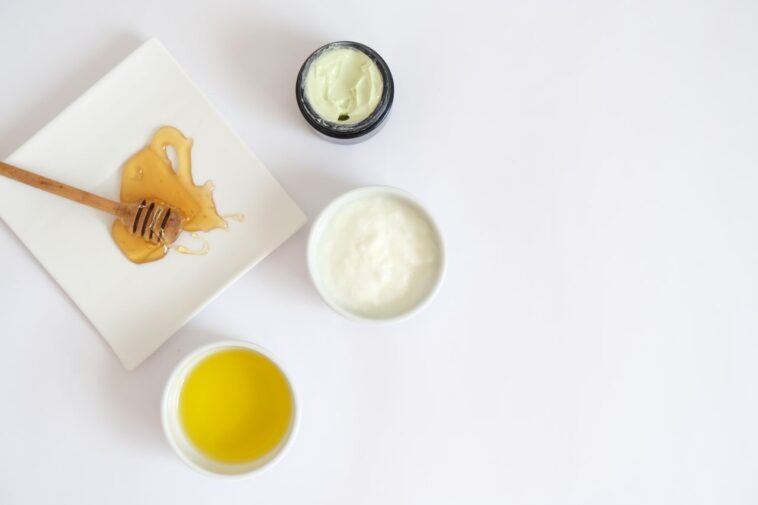
You look in the mirror and your hair looks dull. Maybe it feels dry like straw. Maybe it falls out in the shower and you feel a small knot in your stomach. You open your cupboard of shampoos and creams, and nothing seems to help.
Then someone tells you, “Just use something from your kitchen.”
It sounds too easy. It also sounds a little risky. Which items are safe? How much should you use? Do they even work?
If you feel confused, you are not alone. Thousands of people search for kitchen products for hair every month, because they want care that is simple, low cost, and gentle. The problem is that most advice online is either too vague or too bold. One page says lemon is magic. Another says it will ruin your hair.
This guide gives you the calm, honest middle. You will learn what kitchen products can really do, what they cannot do, and how to use them step by step. You will see real examples, common mistakes, and some advanced tips. By the end, you will know exactly where to start.
What Are Kitchen Products for Hair?
Kitchen products for hair are everyday food items that people use on their hair and scalp. You can use them as masks, rinses, oils, or scalp treatments. You do not need special tools. Most of them are already in your home.
Common examples include:
- Coconut oil
- Olive oil
- Honey
- Yogurt
- Eggs
- Bananas
- Avocado
- Apple cider vinegar
- Rice water
- Fenugreek seeds
- Onion juice
- Black tea
People have used foods like these for hair care for hundreds of years. Grandmothers in many homes still mix oil, curd, or egg for a weekly hair day. It is a tradition that passes from one family to the next.
But here is something important. Tradition is not proof. Some kitchen products have good reasons behind them. Others are only habits. A good approach is to use what makes sense, test it gently, and watch how your hair responds.
Why Do Kitchen Products Matter for Hair Care?
Let’s be honest. Hair care can get expensive. Many products promise a lot and leave you with a long list of ingredients you cannot read.
Kitchen products matter for 4 simple reasons.
1. You know what you are putting on your hair. There is no long label. If you use honey, it is honey.
2. They cost less. A jar of yogurt or a bottle of oil costs far less than a salon treatment.
3. They are easy to find. You do not need to wait for a delivery or search many shops.
4. They help you slow down. A weekly hair mask becomes a small moment of care for yourself. In a busy life, that matters more than people think.
Still, there is a catch. Natural does not always mean safe. Food can cause allergies. Acidic items can sting. Heavy oils can clog the scalp. So the goal is not to use more. The goal is to use the right thing in the right way.
How Does Hair Actually Work?
You do not need a science degree to take care of your hair. But a little understanding makes everything easier.
Each strand of hair has an outer layer called the cuticle. Think of it like roof tiles on a house. When the tiles lie flat, hair looks smooth and shiny. When they lift up, hair looks rough and frizzy.
Under the cuticle is the cortex. This is the inner part that gives hair its strength and color.
Then there is your scalp. The scalp is skin. It grows your hair from tiny pockets called follicles. If your scalp is unhappy, your hair will not grow well, no matter what you put on the length.
Here is a key fact. The hair you see is already grown, so it cannot truly heal itself. Dermatologists explain that damaged hair only gets replaced by new growth. What you can do is protect it, soften it, and make it look and feel better while healthy hair grows in.
That is exactly where kitchen products can help. They add moisture, reduce friction, and support a clean, calm scalp. They are not miracle cures. But used well, they can make a real difference in how your hair feels.
How to Use Kitchen Products for Hair: Step by Step
Let’s walk through the basic method. Follow these steps for almost any kitchen treatment.
Step 1: Know Your Hair Type
Is your hair dry, oily, or somewhere in between? Is it thick or fine? Is it straight, wavy, or curly?
This matters because the same ingredient can act very differently. A thick oil may feel lovely on dry, curly hair. On fine, oily hair, it may feel greasy and heavy.
Step 2: Choose One Goal
Do not try to fix everything at once. Pick one main concern. For example:
- Dryness
- Frizz
- Dandruff or flaky scalp
- Hair fall
- Dullness
One goal makes it easier to choose one product and to notice if it works.
Step 3: Do a Patch Test
This step is the one people skip, and it is the most important. Food can cause skin reactions.
Mix a small amount of your chosen product. Put a tiny dab behind your ear or on your inner arm. Wait 24 hours. If you see redness, itching, or swelling, do not use it on your scalp.
Step 4: Mix Fresh
Make only what you need. Kitchen mixes have no preservatives. A mask with yogurt or egg should be used right away and never stored for later.
Step 5: Apply the Right Way
For dryness, focus on the lengths and ends. For scalp problems, gently work the product into the scalp with your fingertips. Do not scratch. Use soft, slow circles.
Step 6: Keep Time Short at First
Start with 20 to 30 minutes. You do not need to leave a mask on all night. Longer is not better.
Step 7: Rinse Well
Use lukewarm water. Hot water can dry your hair and make egg cook into small bits. After rinsing, wash with a mild shampoo if you used oil.
Step 8: Watch and Wait
Give your hair 4 to 6 weeks of regular use before you decide if something works. Write down what you used and how your hair felt. This simple habit saves you from guessing.
Which Kitchen Products Work Best for Hair?
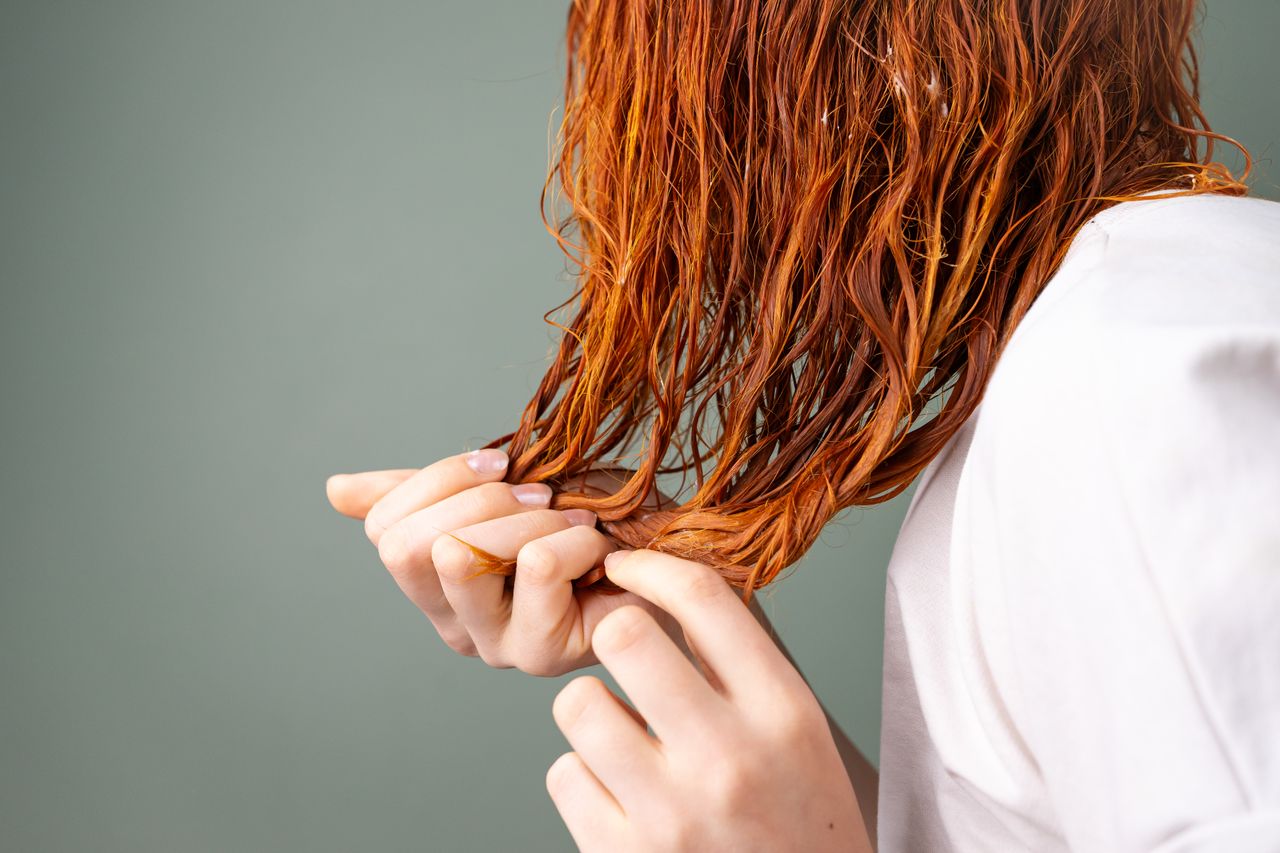
Now for the part you came for. Here are the most popular kitchen products, what they are used for, and how to use them with care.
Coconut Oil
Coconut oil is probably the most famous kitchen product for hair. Many people use it before shampoo to protect hair from becoming too dry during washing.
How to use it: Warm 1 to 2 tablespoons in your hands. Smooth it over the lengths and ends. Leave it for 30 minutes to 1 hour. Then shampoo well.
Good to know: It can feel heavy on fine hair. If your scalp is oily or prone to breakouts, keep it on the lengths only.
Olive Oil
Olive oil is rich and soft. It is a good choice for dry, thick, or curly hair.
How to use it: Warm 1 tablespoon and apply it to the ends. A few drops on dry hair ends can also reduce frizz. Wash after 30 minutes.
Good to know: Use a small amount. Too much is hard to wash out.
Honey
Honey holds moisture. That is why it is popular in masks for dry hair.
How to use it: Mix 1 tablespoon of honey with 2 tablespoons of warm water or yogurt. Apply to damp hair. Leave for 20 minutes. Rinse with lukewarm water.
Good to know: Honey is sticky, so dilute it. It rinses out much easier that way.
Yogurt (Curd)
Yogurt is cool, creamy, and gentle. Many people use it for dull hair and a dry, flaky scalp.
How to use it: Apply 3 to 4 tablespoons of plain, unsweetened yogurt to your hair and scalp. Leave for 20 to 30 minutes. Rinse well.
Good to know: Use plain yogurt only. Flavored types have sugar and extras you do not want in your hair.
Eggs
Eggs have long been used as a hair mask because of their protein. Hair is made of protein, so some people find that eggs leave hair feeling stronger and thicker.
How to use it: Beat 1 egg. Apply to damp hair. Leave for 15 to 20 minutes. Rinse with cool or lukewarm water, never hot.
Good to know: Do not use eggs if you are allergic. Wash your hands well after touching raw egg.
Banana
Ripe bananas can soften hair and make it feel smoother.
How to use it: Mash 1 ripe banana until there are no lumps. Add 1 tablespoon of honey or yogurt. Apply for 20 minutes. Rinse well.
Good to know: Lumps are the biggest problem here. Blend the banana for the best result, or you will be picking small bits out of your hair.
Avocado
Avocado has natural oils that can make dry hair feel soft and bendy.
How to use it: Mash half an avocado with 1 tablespoon of olive oil. Apply to the lengths. Leave for 30 minutes and rinse.
Good to know: It works best for dry or damaged looking hair.
Apple Cider Vinegar
Apple cider vinegar is used as a final rinse. It may help remove product build up and make hair feel smoother.
How to use it: Mix 1 tablespoon with 1 cup of water. Pour it over your hair after shampoo. Leave for 1 to 2 minutes. Rinse.
Good to know: Always dilute it. Plain vinegar is too strong and can sting your scalp and eyes.
Rice Water
Rice water is the water left after soaking or boiling rice. It has been used in many Asian cultures for generations.
How to use it: Soak half a cup of rice in 2 cups of water for 30 minutes. Strain it. Pour the water on your hair after shampoo. Leave for 5 to 10 minutes. Rinse.
Good to know: Some people feel their hair gets stiff after using it too often. If that happens, use it less.
Fenugreek Seeds (Methi)
Fenugreek is popular in South Asian homes for scalp and hair care.
How to use it: Soak 2 tablespoons of seeds overnight. Grind them into a paste in the morning. Apply to your scalp and hair for 30 minutes. Rinse.
Good to know: It can feel a bit itchy for some people. Patch test first.
Onion Juice
Onion juice is a favorite for people worried about hair fall. It has a strong smell, and not everyone enjoys it. If you want to learn more, we explain it in detail in our guide on how to stop hair fall with onion.
Good to know: Scientific proof is limited, and it can irritate the scalp. Go slowly and never use it on broken skin.
Black Tea Rinse
Brewed and cooled black tea is sometimes used to add shine, especially to darker hair.
How to use it: Brew 2 tea bags in 1 cup of water. Cool it fully. Pour over clean hair. Leave for 10 minutes and rinse.
Good to know: It may slightly darken light hair over time.
Which Kitchen Items Should You Avoid?
Not everything in the kitchen belongs on your head. Please be careful with these.
Lemon juice. It is very acidic. It can irritate your scalp and dry out your hair. If you put it on and then sit in the sun, it can also cause skin problems.
Baking soda. It is strongly alkaline. This can rough up the hair cuticle and leave hair dry and brittle.
Undiluted vinegar. Always mix it with water.
Cinnamon, chili, or other strong spices. These can burn the scalp.
Raw garlic. It is harsh and may cause skin burns for some people.
A simple rule helps here. If a recipe makes your skin burn, tingle strongly, or turn red, wash it off right away. Hair care should never hurt.
A Real Life Example: Ella’s 6 Week Hair Routine
Let’s look at a simple story to see how this works in real life.
Ella is a 29 year old teacher. Her hair was dry at the ends and frizzy on humid days. She tried 4 different shampoos and 2 expensive serums. Nothing felt right, and she was close to giving up.
She decided to start small. She picked one goal: softer ends.
In week 1, she did a patch test with olive oil and honey. No reaction. In week 2, she began warming 1 tablespoon of olive oil and applying it to her ends once a week for 30 minutes before washing. In week 3, she added a yogurt and honey mask on a different day.
By week 6, she noticed her ends felt softer, and tangles were easier to brush out. Her hair was not perfect. She still had a few split ends. But she felt calmer about her hair for the first time in a long while.
What did Ella do right?
- She picked 1 goal.
- She did a patch test.
- She used small amounts.
- She stayed consistent.
- She did not expect a miracle.
Her story is not about a magic recipe. It is about patience and a simple plan. That is how most real results happen.
Common Mistakes to Avoid
Many people try kitchen products, get frustrated, and quit. Often the problem is not the product. It is how it was used. Here are the most common mistakes.
Mistake 1: Skipping the Patch Test
A reaction on your scalp is far harder to deal with than one on your arm. Always test first.
Mistake 2: Using Too Much Oil
More oil does not mean more shine. It can weigh your hair down, clog your scalp, and make washing a struggle.
Mistake 3: Leaving Masks on Too Long
Some people leave a yogurt or egg mask for 2 hours or overnight. This is not needed and can make your hair feel dry once it hardens.
Mistake 4: Using Hot Water
Hot water can dry your hair. It can also cook egg into small pieces that stick in your hair. Use lukewarm or cool water.
Mistake 5: Storing Leftover Mixes
Fresh food spoils fast. Leftover masks can grow bacteria and may harm your scalp. Make small batches and throw away the extra.
Mistake 6: Trying Too Many Things at Once
If you use 5 new products in 1 week and your scalp gets itchy, you will not know the cause. Add one new thing at a time.
Mistake 7: Expecting Overnight Results
Hair grows slowly, about half an inch each month. Real changes take weeks. If you expect a miracle in 3 days, you will feel let down.
Mistake 8: Ignoring Everyday Habits
No mask can fix daily damage. Hot tools, tight ponytails, rough towel drying, and harsh brushing all hurt your hair. Dermatologists share many of these tips, and you can read them in this guide where dermatologists share simple hair care tips. Fixing your habits often matters more than any recipe.
Advanced Strategies for Better Results
Once you understand the basics, you can go a step further. These tips are for people who have been doing the simple routine for a few weeks.
Match the Product to Your Hair Porosity
Porosity is how well your hair soaks up and holds moisture. Here is an easy test. Drop one clean strand of hair in a glass of water. If it sinks fast, your hair soaks up water quickly. If it floats for a long time, your hair resists water.
Hair that soaks up water fast, often damaged or very dry, usually likes richer items like avocado or olive oil. Hair that resists water often does better with lighter things like diluted honey or a gentle rinse. Warm water helps these products absorb better.
Layer Moisture the Smart Way
A method many people like is “water, then oil.” Start with slightly damp hair. Apply a water based treatment first, like diluted honey or a light yogurt mask. Then seal it with a tiny amount of oil on the ends. The water gives moisture. The oil helps hold it in.
Use Heat Gently
You can wrap your hair in a warm towel for 10 minutes after applying an oil. This can help the product spread and feel more effective. Keep the towel warm, never hot.
Rotate Your Treatments
Your hair needs balance. Think of it like food. Protein items like egg are good in small amounts. Moisture items like honey and avocado help soften. If your hair starts to feel stiff, add more moisture. If it feels too soft and limp, add a little protein.
Take Care of Your Scalp First
A healthy scalp grows better hair. Gentle massage for 3 to 5 minutes can feel relaxing, and it keeps you consistent. Do not scrub hard. A clean, calm scalp is the base for everything else.
Think About What You Eat
Hair is built from the inside. Eating enough protein, iron, and healthy fats supports normal hair growth. Kitchen products on the outside are helpful, but your plate counts too.
Keep a Simple Hair Journal
Write down what you tried, how long you left it on, and how your hair felt a few days later. After 6 weeks, you will see patterns. This small habit is what turns guessing into a routine that works for you.
Related Subtopics Worth Exploring
This guide covers the big picture. But each kitchen product and each hair problem has its own details. Here are some topics that go deeper.
If you want the full story on oils, a complete guide to coconut oil for hair explains how to choose, warm, and wash it out without a greasy mess. Many readers also love learning how to make a hot olive oil treatment at home for very dry hair.
For people who prefer light rinses, there is a lot to know about using rice water for hair the right way and how often to do it. A separate guide on an apple cider vinegar hair rinse shows the right mix for different hair types.
Mask lovers can learn more about a yogurt hair mask, a protein rich egg hair mask, and a simple banana hair mask for softness. If your hair is very dry, a gentle honey hair mask is also a good one to try.
If hair fall is your biggest worry, you might want to read about onion juice for hair fall and how to use it with care. For flakes and itching, there are helpful ideas on curd for dandruff. And if you are curious about the old tradition of fenugreek hair mask, there is a lot of history and simple how to behind it.
You may also like to compare these home methods with ready made options. Our look at naked hair products explains what to check when you buy hair care from a shop.
When to Get Expert Help
Home care is wonderful for dryness, dullness, and basic scalp comfort. But it has limits. Sometimes the problem is bigger than a mask can fix.
Please think about seeing a doctor or a board certified dermatologist if:
- You are losing hair in patches
- Your hair is thinning quickly
- Your scalp is very red, painful, or oozing
- You have strong itching that does not go away
- You see thick scaly areas on your scalp
- Your hair fall has lasted more than a few months
Hair loss can have many causes. Stress, hormone changes, low iron, thyroid problems, and some medicines are just a few. A kitchen product cannot find these causes. A professional can.
There is no shame in asking for help. Getting checked early often makes treatment easier. Think of home care as a helpful friend, and your doctor as the person who knows the full story.
Future Trends in Natural Hair Care
Hair care is changing. More people are reading labels, asking questions, and looking for simple routines. Here are a few shifts worth watching.
Fewer steps, not more. People are moving away from 10 step routines. Simple and consistent is winning.
More focus on the scalp. Scalp care is now treated as seriously as face care. People are learning that healthy hair starts at the root.
Ingredient awareness. Shoppers want to know what is inside their products. This is one reason why kitchen ingredients feel so comforting.
Balanced thinking. More people are blending natural methods with proven care. They use a gentle shampoo, a food based mask, and a doctor when needed. This balance is healthy and realistic.
Honest information. Readers are tired of big claims. They want real, tested, practical advice. That is a good change for everyone.
Conclusion: You Can Start Small and Feel Better
Let’s come back to where we began. You were tired of dull, dry, or falling hair. You wanted something simple that felt safe.
Kitchen products can be a gentle helper. Coconut oil, honey, yogurt, and a few other items can make hair feel softer and easier to manage. They will not rebuild damaged hair overnight. They will not replace a doctor when something is wrong. But they can give you a low cost, low stress way to care for yourself.
Remember the key points. Start with 1 goal. Do a patch test. Use small amounts. Keep masks short. Rinse with lukewarm water. Give it 4 to 6 weeks. And be kind to yourself along the way.
Your next step is easy. Pick one item from your kitchen today. Do a patch test tonight. Tomorrow, you can start your first simple hair day.
Frequently Asked Questions
Are kitchen products safe for hair?
Many are safe when used correctly. But food can still cause allergies or irritation. Always do a patch test first, use small amounts, and wash off anything that stings.
Which kitchen product is best for dry hair?
Honey, avocado, olive oil, and yogurt are popular choices for dry hair. Start with one and see how your hair feels after 2 to 3 uses.
How often should I use a kitchen hair mask?
Once a week is enough for most people. Very dry hair may like 2 times a week. Using masks every day is not needed and can leave hair heavy or stiff.
Can kitchen products stop hair fall?
They may support a healthy scalp, but they cannot treat every cause of hair fall. If you lose a lot of hair or see bald patches, please see a doctor.
Can I leave oil in my hair overnight?
You can, but it is not required. For most people, 30 minutes to 1 hour works well. Overnight oil can clog the scalp and make washing harder, especially if you have an oily or acne prone scalp.
Is lemon good for hair?
Lemon is very acidic and can dry out your hair or irritate your scalp. Most people are better off skipping it.
How long does it take to see results?
Softness can show after 1 or 2 uses. Bigger changes take 4 to 6 weeks of steady care. Hair grows slowly, so patience really helps.