
 Harriet Wetton
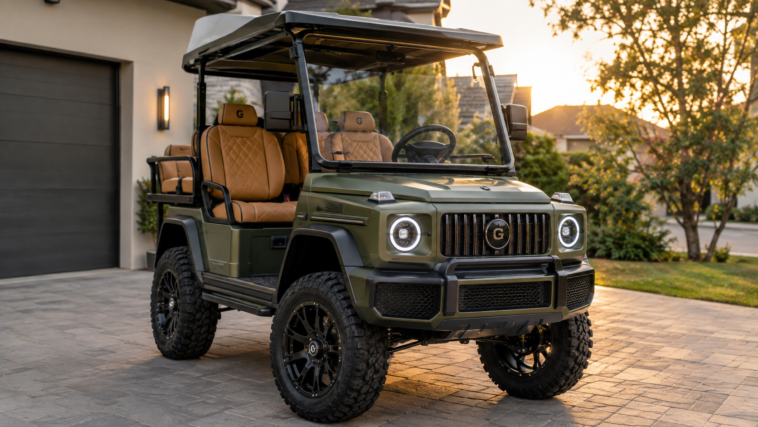
Imagine turning heads as you glide quietly through your neighborhood, navigate a coastal resort, or pull up to the ninth hole in a machine that mirrors one of the most iconic luxury SUVs ever made. You want the unmatched, rugged style of a Mercedes-Benz, but you need the nimbleness, ease, and environmental footprint of a low-speed electric vehicle.
That desire is exactly why the mini G Wagon golf cart has become one of the fastest-growing trends in personal luxury transportation.
For many buyers, finding the right personal vehicle brings up real frustration. Standard factory golf carts often look generic, lack comfortable seating, and feel underpowered on slight inclines.
On the flip side, buying a full-sized luxury automobile just to travel two miles down the road to a community center or golf club feels impractical for almost nobody. You end up caught in the middle, looking for something that feels premium, handles reliably, and truly fits your everyday lifestyle.
This detailed guide eliminates that guesswork. Whether you are looking to purchase a turnkey custom build, upgrade your current vehicle with a boxy body kit, or simply explore how electric low-speed vehicles work, this comprehensive resource covers everything you need to know.
What Is a Mini G Wagon Golf Cart?
A mini G Wagon golf cart is a specialized, custom-built, or factory-styled electric vehicle designed to replicate the distinctive exterior of the classic Mercedes-Benz G-Class (G-Wagen). Built on standard or heavy-duty chassis from major manufacturers like Club Car, these vehicles blend high-end aesthetic appeal with practical, low-speed utility.
Key Characteristics
-
Iconic Boxy Exterior: Signature vertical body lines, a squared-off front grille, dual round LED headlights, and a rear-mounted spare tire cover.
-
Modern Electric Drivetrain: Built on 48V or high-output 72V lithium-ion battery platforms paired with efficient AC electric motors.
-
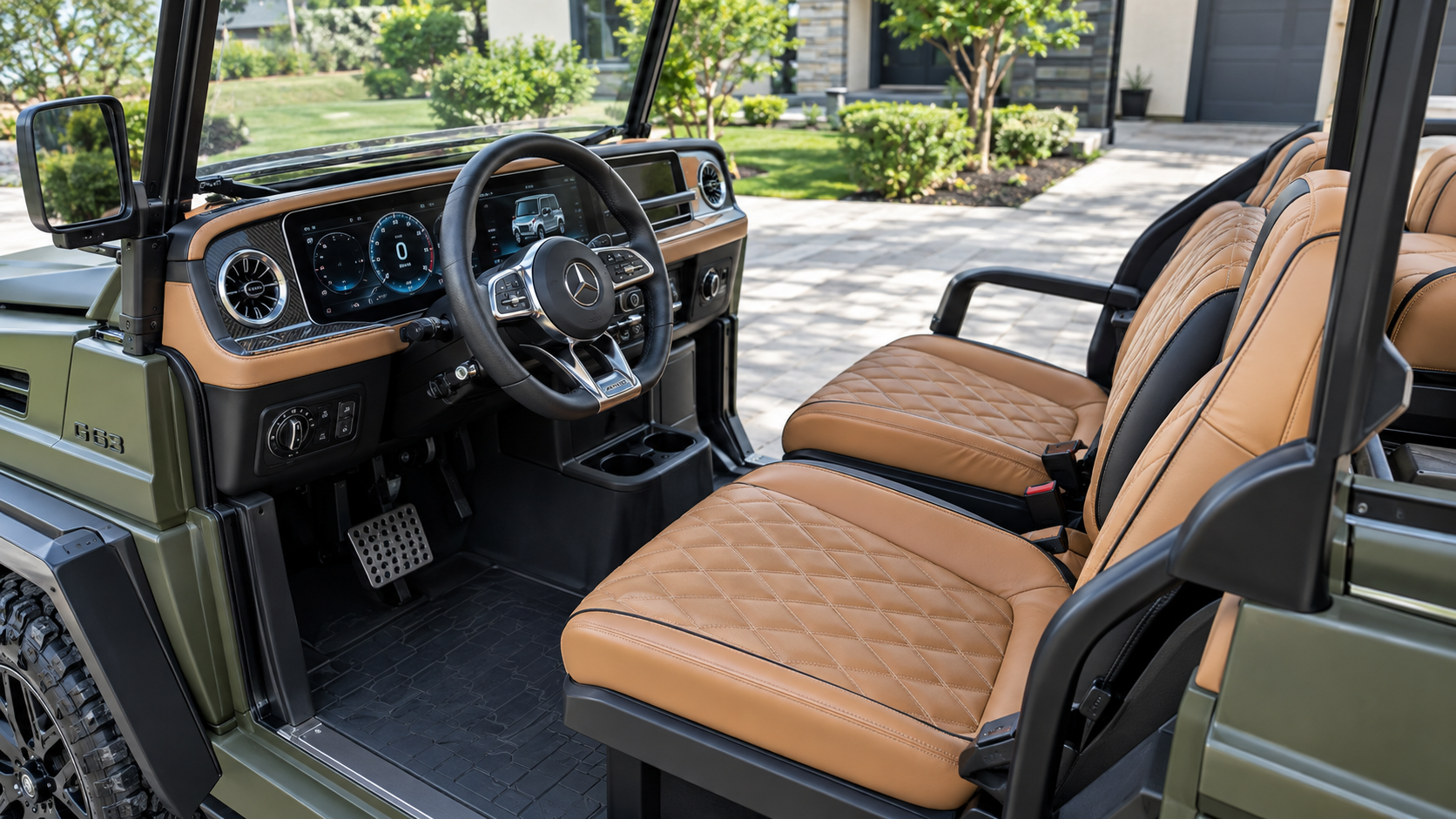
Elevated Interior Comfort: Premium marine-grade synthetic or genuine leather seating with diamond stitching, digital dashboards, and multi-speaker Bluetooth audio systems.
-
Multi-Terrain Versatility: Higher ground clearance, sturdy aluminum wheels, and heavy-duty suspension packages designed for turf, pavement, and light off-road trails.
Why Choose a Mini G Wagon Golf Cart?
Traditional golf carts are built strictly for basic mobility. While they get you from point A to point B, they lack character, modern creature comforts, and visual appeal. Choosing a mini G Wagon body style transforms a basic utility cart into a high-end personal transport vehicle.
| Feature / Benefit | Standard Factory Golf Cart | Custom Mini G Wagon Cart |
| Visual Design | Plain plastic body, rounded utility shape | Luxury SUV profile, distinctive grille, custom paint options |
| Battery Tech | Basic 8V or 12V lead-acid batteries | High-density 48V or 72V lithium-ion battery packs |
| Interior Styling | Standard vinyl bench seating | Custom contoured leather bucket seats with contrast stitching |
| Resale Demand | High depreciation, standard market | Strong resale value in niche and luxury communities |
| Lighting & Electronics | Basic halogen lights or simple LEDs | Automotive-grade daytime running lights, turn signals, ambient lighting |
How It Works: Step-by-Step Mechanical Overview
Understanding what happens beneath the custom fiberglass body of a mini G Wagon golf cart helps you make smarter buying and maintenance decisions. Here is how the core systems operate together.
1. Energy Storage (The Battery Pack)
Power originates in the battery bank, typically located beneath the main front seat assembly. Deep-cycle batteries deliver consistent voltage across long periods. Modern high-performance builds feature lightweight lithium-ion cells that store more power in a smaller footprint.
2. Speed and Power Control
When you press the accelerator pedal, a micro-switch sends an electronic signal to the motor controller. The controller acts as the vehicle’s brain, regulating current flow from the battery pack directly to the motor based on how far down you push the pedal.
3. Mechanical Drive
The electric motor converts that controlled electrical energy into rotational torque. This rotation passes directly into an integrated transaxle assembly, driving the rear wheels (or all 4 wheels on 4WD conversion models) smoothly without requiring a traditional multi-speed automatic transmission.
4. Braking and Energy Recovery
Stopping is handled by mechanical rear drum brakes or higher-end hydraulic 4-wheel disc brakes. Many modern setups feature regenerative braking, which uses the motor’s resistance during deceleration to trickle electrical power back into the battery bank.
Real-Life Uses for Mini G Wagon Golf Carts
The versatility of these vehicles extends well past the 18th hole. Owners across the country rely on them for daily errands, recreation, and commercial transportation.
Neighborhood & Planned Community Travel
In master-planned developments, golf cart communities, and retirement resorts, residents use mini G Wagon carts as primary runabouts. They offer an ideal footprint for quick trips to local clubhouses, tennis courts, pool complexes, and neighborhood shopping centers without starting up a full-sized automobile.
Coastal & Beach Town Transportation
Coastal towns frequently support low-speed vehicle traffic. The compact nature of a mini G-Class cart makes parking in crowded beach access zones effortless, while high-grade aluminum wheels and marine-grade vinyl interiors resist salt air wear.
Private Estates & Horse Ranches
For property managers and homeowners handling acreage, a lifted mini G Wagon cart provides a comfortable way to inspect fence lines, haul light supplies, or escort guests across estate trails quietly without disturbing livestock or peace.
Common Mistakes to Avoid When Buying or Modifying
Investing in a custom electric cart should be exciting, but skipping critical technical checks can lead to expensive repairs.
-
Choosing Cheap Lead-Acid Batteries to Save Money: Buyers often select lead-acid power packs to lower the initial price tag. However, lead-acid batteries add 300 to 400 pounds of dead weight, require weekly water topping, and degrade after 2 to 3 years. Investing upfront in lithium-ion technology provides 3 times the lifespan and eliminates water maintenance.
-
Overloading the Frame Without Upgrading Suspension: Mounting a heavy custom fiberglass G Wagon body kit onto an older, worn-out factory frame causes frame sag and poor alignment. Always inspect or upgrade leaf springs and shock absorbers when adding custom body kits.
-
Ignoring Local Street-Legal Regulations: Driving a cart on public neighborhood roads without verifying local ordinances can lead to traffic citations. If you plan to drive on public streets posted at 35 mph or less, ensure your cart meets Low-Speed Vehicle (LSV) rules.
-
Matching High-Speed Motors with Factory Brakes: Upgrading your motor controller to hit 30 mph without upgrading mechanical drum brakes to hydraulic disc brakes creates a serious safety hazard. Stopping power must always match speed capability.
Advanced Customization and Maintenance Strategies
To keep your custom cart performing at its absolute peak, adopt these practical, experience-tested maintenance practices.
DIY Suspension and Tie-Down Upgrades
If you enjoy hands-on mechanical work, working on custom carts offers an accessible entry point into vehicle modification. When mounting accessories, light bars, or rear cargo frames to your chassis, always use corrosion-resistant hardware. Using a sturdy stainless d-ring gives you reliable, rust-free tie-down anchor points for securing cargo or equipment on rear utility beds.
For enthusiasts interested in larger garage projects or upgrading the heavy-duty tow rigs used to transport custom carts to shows, check out our step-by-step guide on how to lift a truck yourself diy for practical installation procedures.
| Task | Frequency |
| Check Tire Pressure (22-25 PSI) | Monthly |
| Inspect Brake Shoe/Pad Thickness | Every 6 Months |
| Lubricate Front Suspension Joints | Every 6 Months |
| Clean Battery Terminals | Every 3 Months |
| Check Hydraulic Brake Fluid Level | Every 6 Months |
Related Subtopics to Explore
As you plan your custom vehicle project, several related technical topics help round out your knowledge.
Custom Body Kits and Donor Frame Selection
Transforming a standard chassis into an iconic luxury replica requires selecting the right donor vehicle. Frameworks from major builders like Club Car, EZGO, and Yamaha serve as the foundation for body shell fitment. Understanding how body mounts align with standard frame rails ensures a clean build process.
Lithium Battery System Conversions
Transitioning older golf carts from lead-acid setups to lithium technology represents one of the single most effective performance upgrades available. Replacing lead-acid packs with a single 48V or 72V lithium drop-in battery reduces vehicle weight, increases top-end speed, and provides consistent power output up to full discharge.
Low-Speed Vehicle (LSV) Legal Requirements
Transforming a standard neighborhood golf cart into a fully compliant LSV requires adhering to strict equipment guidelines set by the National Highway Traffic Safety Administration (NHTSA). Understanding standard FMVSS 500 rules ensures your custom cart can obtain a valid 17-digit VIN, title, and license plate.
When to Get Expert Help
While basic accessory installs and simple maintenance are straightforward for DIYers, complex custom builds often require professional expertise.
-
High-Voltage Controller Programming: Adjusting motor controller amperage curves or speed limits requires specialized software and diagnostic interfaces. Improper settings can overheat your motor coils.
-
Full Street-Legal Certification: Obtaining a state-issued VIN and handling legal registration for custom LSV conversions involves detailed inspections best handled by established custom builders.
-
Custom Automotive Paint & Upholstery: Replicating authentic metallic factory finishes and stitch patterns requires professional paint booths and industrial marine upholstery equipment.
Future Trends in Custom Low-Speed Vehicles
The custom golf cart industry continues to evolve rapidly alongside the broader electric vehicle market.
Automotive-Grade Digital Displays
Basic needle voltmeters and key switches are quickly giving way to full-color digital instrument clusters. Modern builds feature touchscreen displays with integrated GPS mapping, Bluetooth audio management, and live battery diagnostic readouts.
Solar-Assisted Roof Charging
Flexible, high-efficiency solar panels integrated directly into custom roof structures are becoming increasingly popular. These panels generate trickle-charge current during daylight hours, extending total battery range by 5 to 10 miles while parked outside.
On-Demand Four-Wheel Drive Systems
Traditionally, golf carts operate strictly with rear-wheel-drive transaxles. Newer luxury custom platforms offer dual-motor setups, placing independent electric motors on front and rear axles to provide true 4WD traction on sandy beaches and wet grass.
Reassurance and Practical Next Steps
Building or buying a mini G Wagon golf cart is one of the most rewarding ways to upgrade your daily neighborhood commute. By combining iconic luxury styling with clean, quiet electric power, these vehicles deliver an incredible mix of utility and personal expression.
Take time to evaluate your driving needs before purchasing. Decide whether you prefer a turnkey build from an established custom garage or a hands-on project based on a pre-owned donor chassis.
Focus on solid engineering first, invest in a quality lithium battery pack, reliable hydraulic brakes, and smooth suspension, and the stunning luxury looks will follow naturally.
Frequently Asked Questions
What is the average top speed of a mini G Wagon golf cart?
Most standard models are factory-governed between 15 and 20 mph. However, builds equipped with upgraded 72V lithium systems and high-output AC motors reach top speeds between 25 and 30 mph where regulations permit.
How far can a mini G Wagon golf cart travel on a single charge?
Driving range depends on your battery chemistry. Traditional lead-acid setups deliver roughly 18 to 25 miles per charge, while modern 105Ah to 160Ah lithium-ion battery packs can comfortably achieve 40 to 60 miles on a single charge.
What is the difference between a standard golf cart and an LSV?
A standard golf cart typically tops out under 20 mph and lacks mandated road-safety equipment. An LSV (Low-Speed Vehicle) is a federally recognized motor vehicle capable of speeds between 20 and 25 mph that includes headlights, turn signals, seatbelts, mirrors, a windshield, and a valid 17-digit VIN.
Can I install a mini G Wagon body kit onto my existing golf cart?
Yes. Custom aftermarket body kits exist for popular donor chassis like EZGO TXT/RXV, Club Car Precedent/Onward, and Yamaha Drive series. Some custom fabrication work may be required for mounting lights and grille assemblies.
How long does it take to fully charge the battery pack?
Standard lead-acid batteries take between 8 and 10 hours to fully recharge from a depleted state. Modern lithium-ion systems charge much faster, reaching a complete 100% charge in 2.5 to 4 hours using a standard 110V wall outlet charger.
Are mini G Wagon golf carts allowed on public roads?
They are allowed on public roads posted at 35 mph or less if they meet your state and local requirements for Low-Speed Vehicles (LSVs) or street-legal golf carts, including proper registration, license plates, and insurance.