
 Harriet Wetton
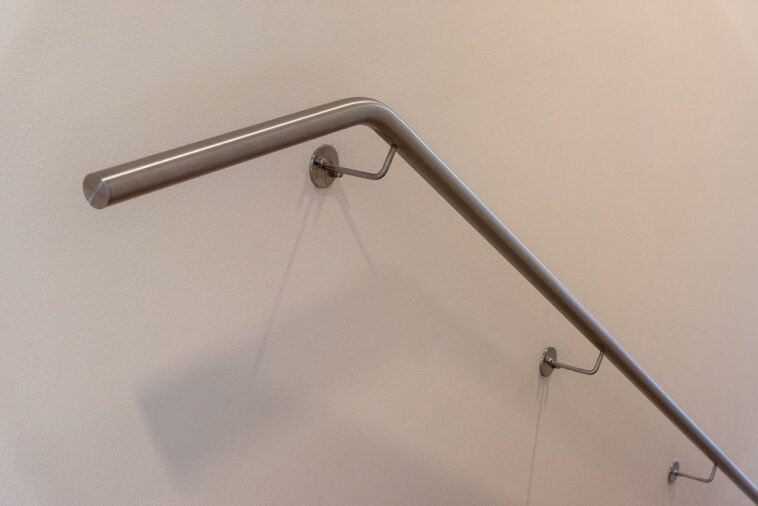
A D size tube is a hollow metal tube with a D shaped cross section. If you cut it and look at the end, you will see a curved top and a flat base. It looks just like the capital letter D lying on its back.
Most people also call it a D shaped tube, D tube or D profile tube. These names all mean the same thing.
The word “size” in “D size tube” is a bit loose. There is no single official D size that every company follows. Each maker offers its own widths, heights and wall thicknesses. So when someone says “D size,” they usually mean “the D shaped tube in the size I need.”
Here is a quick answer you can remember. A D size tube is a hollow tube with a rounded top and a flat bottom, mostly used as a handrail on stairs, balconies and ramps.
You may also see the same words used in other hobbies, like flashlight building, where people talk about tubes that fit D cell batteries. That is a different topic. In this article, we are talking about the D shaped metal tube used in homes and buildings.
Why Does the D Shape Matter?
You might wonder why anyone would bother with a D shape when round tube is everywhere. It is a fair question. The answer comes down to 3 things: your hand, your safety and your building work.
It feels better in your hand. The curved top fits your palm. When you slide your hand along a stair rail, the shape feels natural and comfortable. This matters most for children, older family members and anyone who needs steady support.
It is easier to fix in place. The flat underside is the big win. A fitter can weld or fix posts and balusters straight to the flat face. With round tube, the joint has to be shaped to fit the curve. With a D tube, the contact is flat and neat.
It sheds water. When used outside, the curved top lets rain run off instead of pooling. That helps the tube stay cleaner and last longer.
There is also the look. A D shaped rail has a clean, modern line. It sits nicely on top of glass panels and brick walls. Many designers love it for that reason.
So the D shape is not just a style choice. It is a practical design that solves real problems for the person using the rail and the person installing it.
Where Is a D Size Tube Used?
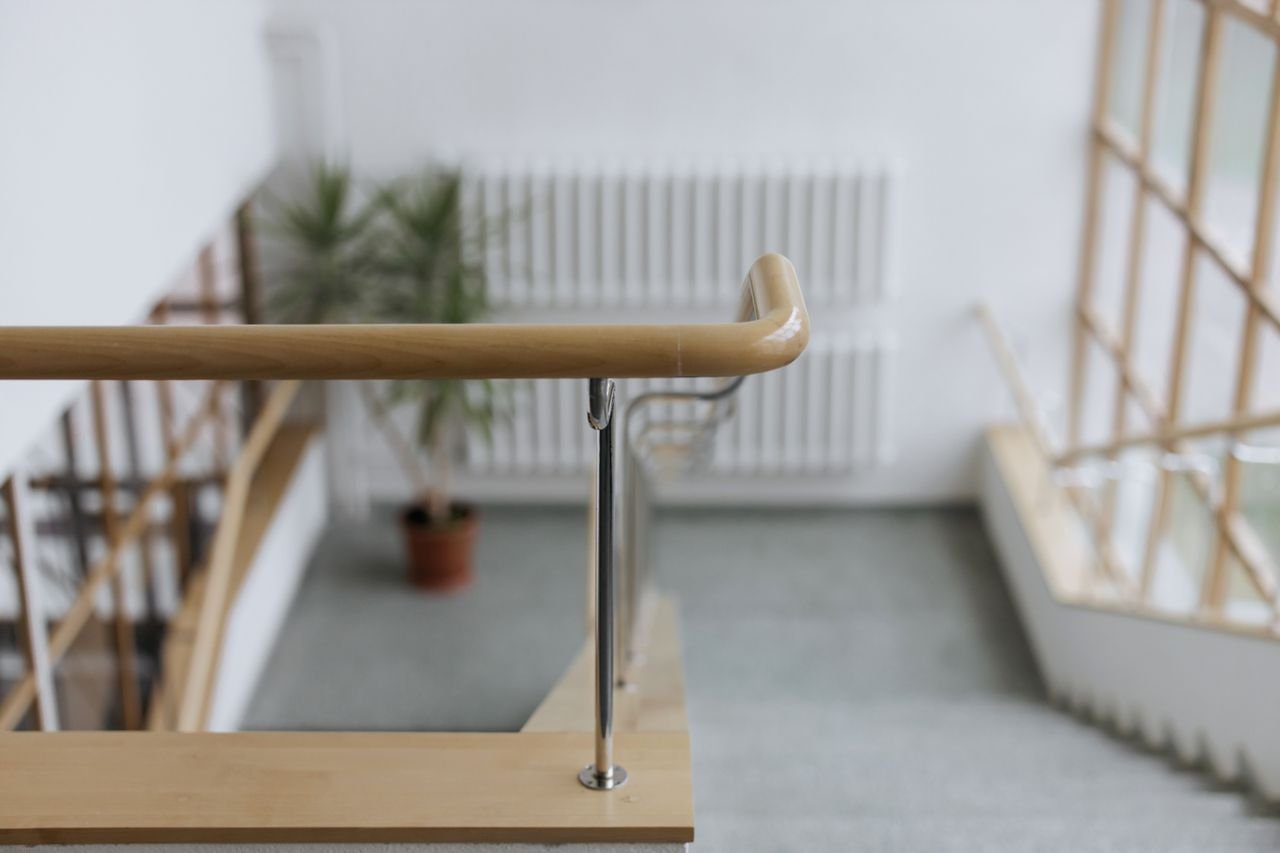
The most common use is a handrail. But that is not the only place you will see it.
Stair handrails. Inside homes, offices, schools and shops, a D tube gives a smooth, gentle grip along the stairs.
Balconies and balustrades. Outdoors, it is often fixed on top of balusters or glass panels. The flat base sits firmly on the surface below.
Ramps. Ramps need a handrail that people can hold with confidence. The D shape works well here because it is easy to grip.
Public buildings. Hotels, hospitals, shopping centres and train stations use D tube for its strength and clean look.
Boats and ships. On yachts and cruise ships, stainless steel D tube is popular because it handles moisture well when the right grade is chosen.
Stair edges and trims. Some people use it as a neat edge or cap on walls and steps.
Housing for small equipment. Because it is hollow and tidy, it is sometimes used as a slim case for electronic parts.
Did you notice how many of these places involve people holding on for safety? That is the heart of what this tube does. It helps people feel steady.
What Is a D Size Tube Made Of?
The metal you pick decides how long the tube lasts, how it looks and how much it costs. Here are the most common choices.
Stainless steel
This is the most popular option. It is strong, clean and does not rust easily. There are 2 grades you will hear about most:
- Grade 304. Good for indoor use and most outdoor spots that are not close to the sea.
- Grade 316. A stronger choice for coastal homes, boats and places with lots of moisture or salt in the air.
If you live near the sea, 316 is usually worth the extra cost. Cheaper grades can show rust spots in salty air, and that can be upsetting after you have spent good money.
Aluminium
Aluminium is light and easy to handle. It does not rust, but it can scratch or dent more easily than stainless steel. It is often anodised or powder coated to give it colour and extra protection.
Brass, copper and other metals
These are less common. They are mostly chosen for a warm, classic look in special projects. They need more care to keep their shine.
Finishes
The finish changes how the tube looks and feels. A mirror finish is bright and shiny. A satin finish is softer and hides fingerprints better. Powder coating adds colour, including wood effect looks.
Simple tip: for most homes, satin stainless steel gives the best balance of looks, strength and easy cleaning.
What Sizes Does a D Size Tube Come In?
This is where many beginners get confused, so let’s slow down.
D tube comes in many widths, heights and wall thicknesses. Makers list them in tables, and the numbers are usually in millimetres. The sizes are different from one company to another. That is why you should never assume “D size” means one fixed number.
When you look at a size table, check these 3 things:
- Width. How wide the flat base is.
- Height. How tall the tube is from the flat base to the top of the curve.
- Wall thickness. How thick the metal is. Thicker walls are stronger but heavier and cost more.
Tubes are often sold in long lengths of about 6 metres. Some makers list slightly shorter, like 5.8 metres, because of how the tube is made. Plan your cuts before you order so you waste less.
One more thing matters a lot. Your handrail must be comfortable to grip, and in many places it must follow safety rules. In the United States, the ADA standards say a rail that is not round should have a perimeter between 4 and 6.25 inches, with the widest part no more than 2.25 inches.
You can read the details in the official ADA Standards for Accessible Design. Rules differ by country and by building type, so always check your local requirements.
How Do You Choose the Right D Size Tube? Step by Step
Choosing feels hard when you do not know where to begin. Follow these steps and take your time.
Step 1: Decide where it will go. Is it inside or outside? Is it near the sea? Will many people use it every day? Your answers will shape every other choice.
Step 2: Pick the metal. Use stainless steel 304 for most indoor jobs. Use 316 near the coast or in very wet places. Choose aluminium if you want something light.
Step 3: Check the grip. Hold a sample if you can. Your hand should wrap around it comfortably. If it feels too wide or too thin, try another size.
Step 4: Check the rules. Handrails often need to sit at a set height, commonly between 34 and 38 inches above the stair edge in many standards. They also need clear space from the wall, often at least 1.5 inches. Ask your local building office to be sure.
Step 5: Choose the finish. Satin hides marks. Mirror shines but shows fingerprints. Powder coat adds colour.
Step 6: Measure twice. Measure the full run of the rail, including turns and corners. Add a little extra for cutting mistakes.
Step 7: Ask about connectors. Some makers sell joiners and connectors made for their D tube sizes. They give neat, strong joints without messy work.
Step 8: Order a sample first. If the project is big, a small sample is cheap and can save you from a big regret.
Take a breath. You do not need to rush any of these steps. A calm choice now saves you stress later.
A Real Life Example: Fixing an Old Stair Rail
Let’s picture a family. Sana and her husband live in a 2 storey home. Her father in law has moved in with them, and he finds the stairs hard to climb. The old wooden rail is loose, thin and wobbly.
Sana feels worried every time he goes up. She knows she needs a better handrail, but the online results confuse her. Round tube, square tube, wood, steel. Everything looks the same.
A local fitter explains the D shaped tube to her. He tells her the curved top will feel good in her father in law’s hand. He also says the flat base makes it easy to fix to the posts.
They choose satin stainless steel 304 because the stairs are inside. They measure the full length, check the height and pick a size that fits a hand comfortably. The fitter fixes it in one afternoon.
The result? The rail feels solid. Her father in law uses it with confidence. And Sana finally stops holding her breath every time he takes a step.
This is what a good handrail does. It does not just look nice. It gives people peace of mind.
What Are the Most Common Mistakes to Avoid?
Most mistakes happen because people rush or guess. Here are the big ones.
Mistake 1: Assuming all D sizes are the same. They are not. Always read the size table from the maker and match the numbers to your plan.
Mistake 2: Choosing the wrong metal for the place. A cheap grade near the sea can rust fast. Match the metal to the setting.
Mistake 3: Ignoring the grip. A rail can look perfect and still feel wrong in your hand. Comfort matters more than style.
Mistake 4: Skipping the safety rules. Height and spacing rules are there to protect people. Do not guess them.
Mistake 5: Cutting without protection. Metal tube scratches easily. Cover the surface with tape before cutting or drilling, and remove burrs from the cut ends.
Mistake 6: Buying too little. Running short on a long rail is painful. Add a little extra, but not too much.
Mistake 7: Using the wrong tools on stainless steel. Tools that have touched plain steel can leave tiny particles behind. Those can cause rust spots later. Use clean tools made for stainless.
Mistake 8: Forgetting about cleaning. Even stainless steel needs a wipe now and then. Fingerprints, dust and salt can build up.
If you have already made one of these mistakes, do not feel bad. It happens to many people. The important part is learning from it.
What Are Some Advanced Tips for D Size Tube?
Once you know the basics, these tips can lift your project from good to great.
Think about expansion outdoors. Metal grows and shrinks a little with heat and cold. For long outdoor rails, a good fitter plans for this movement.
Match your hardware. Use fixings made from the same type of metal where you can. Mixing different metals can sometimes cause a reaction over time.
Pay attention to welds. If your rail is welded, the welds should be cleaned and polished well. Rough welds can trap dirt and rust.
Plan corners early. Turns and bends need careful planning. Ask whether you need bent sections, corner pieces or joiners.
Think about the surface under the rail. The flat base sits well on baluster tops, glass fittings and brick. Make sure the surface below is strong and level.
Add a gentle finish for touch. If your rail will be used by children or older people, a smooth satin finish feels pleasant and is not too cold or slippery in the hand.
Keep a care routine. A soft cloth and mild soap every month or so keeps stainless steel looking fresh. Near the sea, wipe it more often.
These small habits protect your investment. A good D tube can last for many years when it is treated well.
What Related Topics Should You Learn About?
A D size tube is just one part of a bigger picture. Once you feel confident here, you may want to explore a few related ideas.
Many readers start by looking for a D shaped tube sizes chart so they can compare widths and heights in one place. Others want to understand stainless steel vs aluminium D tube, especially if they are on a budget or live near the coast.
If you plan to do some work yourself, you will probably search for how to cut D shaped tube without scratching it. People who are joining parts also ask how to weld balusters to D tube and what tools they need.
Safety is a big topic too. Many homeowners need to learn D tube handrail height and code rules before they buy. And if you are comparing shapes, a guide on D shaped tube vs round tube handrail can help you decide.
Once your rail is in place, you may wonder how to clean and polish stainless steel tube so it keeps its shine. And if your balcony uses glass, a guide on how to install a handrail on a glass balustrade will be very useful.
Each of these topics deserves its own deep look, and you will find that they all connect back to the basics you just learned.
When Should You Get Expert Help?
Some jobs are easy to do at home. Others are best left to a trained fitter.
You may want expert help if:
- Your rail is part of a public or shared building
- The stairs are steep, long or have many turns
- You need welding or polishing
- The rail will hold the weight of people leaning on it
- You are not sure about local building rules
There is no shame in asking for help. A good fitter will explain the options in plain words and will not push you toward the most costly choice. A short chat can save you money, time and worry.
If you are only measuring or comparing options, you can do that yourself and then take your notes to a professional. That makes the conversation faster and clearer.
What Is Changing in the World of Tube and Handrails?
Handrails are changing a little every year. Here are some shifts worth watching.
More focus on safe, easy access. More homes and buildings are being planned so people of all ages and abilities can move around easily. Comfortable handrails are a big part of that.
Cleaner, modern looks. Slim lines, glass panels and simple shapes are popular. The D profile fits this style well.
Better finishes. Makers now offer more colours and textures, including wood effect powder coating that looks warm without the upkeep of real wood.
Smarter material choices. People care more about how long a product lasts. Choosing the right grade once is better than replacing a rail in 5 years.
Custom sizes. Many makers will build special sizes for unusual projects, so you are not stuck with only the standard list.
For workplace rail rules in the United States, you can also read the safety rules from OSHA on walking and working surfaces. It is a helpful place to see how rail safety is treated in real workplaces.
Final Thoughts: You Are Closer Than You Think
When you started reading, “D size tube” may have felt confusing. Now you know what it is, why the shape works, where it is used and how to pick one with confidence.
Remember the key points. It is a tube with a round top and flat bottom. It feels good to hold. It is easy to fix in place. And the right metal, size and finish make all the difference.
Your next step is simple. Write down where your rail will go, measure the length and check your local rules. Then look at a few size tables and compare. If you want more ideas for your home and daily life, you can explore more guides on WillingToDo.
Take it one step at a time. You can do this.
Frequently Asked Questions
What is a D size tube?
It is a hollow metal tube with a rounded top and a flat bottom, shaped like the letter D. It is mostly used as a handrail on stairs, balconies and ramps.
Is there one standard D size?
No. Sizes change from one maker to another. Always check the width, height and wall thickness in the maker’s size table before you buy.
Which metal is best for D shaped tube?
Stainless steel is the most popular. Grade 304 works for most indoor and general outdoor use. Grade 316 is better near the sea or in very wet places.
Can I use D shaped tube outside?
Yes. The curved top lets rain run off. Just pick a metal and finish that suit your weather, and clean it from time to time.
Why is the bottom of the tube flat?
The flat base makes it easy to fix the tube to posts, balusters, walls and glass fittings. It gives a neat and strong joint.
Is D tube better than round tube for handrails?
It depends on your project. D tube is easier to fix and feels nice in the hand. Round tube is also common and works well. Choose the one that fits your design, grip and local rules.
Can I cut D shaped tube at home?
Yes, if you use the right tools and take care. Protect the surface with tape, cut slowly and smooth the ends. For welding or polishing, a professional is the safer choice.