
 Harriet Wetton
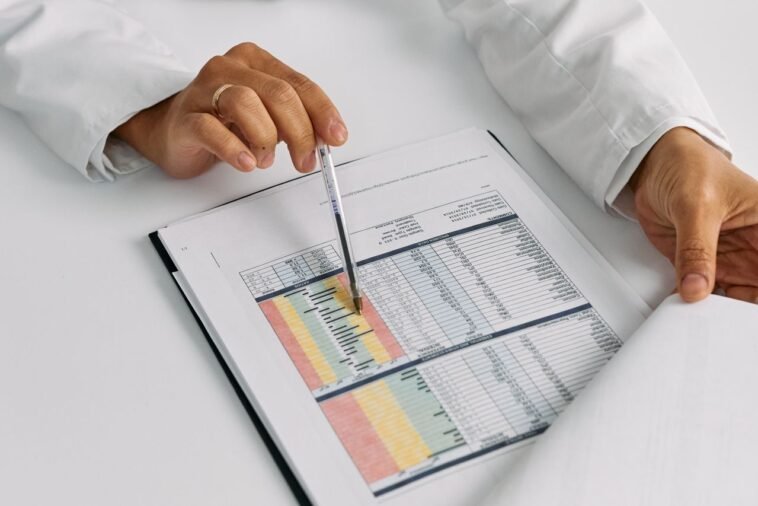
A vitamin D deficiency on a blood test means the amount of vitamin D in your blood is lower than your body needs. The test most doctors order measures 25-hydroxyvitamin D. Under U.S.
National Institutes of Health definitions, a level below 12 ng/mL (30 nmol/L) is linked to deficiency, but labs and doctors sometimes use slightly different cutoffs.
You open your lab report and one line is marked in red. It says vitamin D, and the number is lower than the range printed next to it. Take a breath. This is a very common result, and it is usually manageable. Many people have low vitamin D and never know it, because the signs are quiet.
This guide explains how to read your number, why levels drop, and what to discuss with your doctor. We will keep it simple and honest.
This article is for learning only. It cannot replace your doctor, who knows your full health story.
What Is Vitamin D and Why Does Your Body Need It?
Vitamin D is a nutrient your body uses to keep your bones, muscles, and immune system working well. Your body also makes it when your skin gets sunlight, which is why it is called the “sunshine vitamin.”
Think of vitamin D as a helper that lets your gut absorb calcium from your food so it can reach your bones. Without enough helper, calcium cannot do its job well, even if you eat plenty of it. Over time, this can leave bones weaker than they should be.
Vitamin D is not a magic cure for everything, and you should be careful about any website that claims it is. But it is a real and important nutrient.
What Does Vitamin D Deficiency in a Blood Test Mean?
The test measures the stored form of vitamin D, called 25-hydroxyvitamin D. It does not measure the vitamin D you ate today. It reflects what has built up over recent weeks, which makes it a good picture of your overall level.
A low result means your body has not been getting or making enough. It does not mean you are sick right now, and it does not mean something is permanently wrong with you. In most cases it shows a gap that can be filled.
Testing is not routine for everyone. The U.S. National Institutes of Health notes that the Endocrine Society does not recommend routine vitamin D testing in healthy people. Doctors usually order it when you have symptoms or risk factors.
What Is a Normal Vitamin D Blood Test Range?
Here are the levels defined by the U.S. National Institutes of Health, based on a Food and Nutrition Board review:
| ng/mL | nmol/L | Generally described as |
|---|---|---|
| Below 12 | Below 30 | Deficient |
| 12 to under 20 | 30 to under 50 | Inadequate for some people |
| 20 or higher | 50 or higher | Adequate for most people |
| Above 50 | Above 125 | Linked to possible adverse effects, especially above 60 ng/mL (150 nmol/L) |
Two things matter here. First, the cutoffs are not the same everywhere. Some labs and doctors use higher numbers, for example calling 20 to 30 ng/mL “low” or “insufficient.” Lab methods also differ, so a result can read a little higher or lower depending on the lab.
Second, two units are used, ng/mL and nmol/L (1 ng/mL equals 2.5 nmol/L). Many people panic because they compare the wrong units, so check which unit your report uses.
Your age, health, medicines, and symptoms all matter too. That is why your doctor looks at the full picture and not just one line.
How Does the Vitamin D Blood Test Work?
It is quick and simple. Your doctor orders the test, and a nurse draws a small blood sample from your arm in about 5 minutes. The lab measures your 25-hydroxyvitamin D, and results are often ready within a few days.
Most vitamin D tests do not need fasting, but some clinics have their own rules, so check when you book. The most important step is the last one. Your doctor explains the number, so please do not try to guess alone.
What Are the Symptoms of Low Vitamin D?
Here is the tricky part. Many people with low vitamin D feel nothing at all. Others notice small changes that are easy to ignore, such as:
- Feeling tired even after a full night of sleep
- Bone or back pain that does not go away
- Muscle weakness or soreness
- Feeling low or down in mood
These signs can come from many other causes. Feeling tired does not prove you have low vitamin D, and that is exactly why a blood test and a doctor’s review matter.
If you have been tired for months and nobody could explain why, a clear result can feel like a relief, because now you have something to work with.
Why Do People Get Low Vitamin D Levels?

Low vitamin D usually has more than one cause. Understanding yours helps you fix it for good.
Not enough sunlight. This is a major reason. If you work indoors all day, live far from the equator, or cover most of your skin outdoors, your body makes less vitamin D.
Darker skin. The darker your skin, the less vitamin D you make from the same amount of sun. This is natural and not a problem on its own, but it means paying closer attention to your levels.
Age. As we get older, our skin makes vitamin D less efficiently.
Diet. Few foods naturally contain vitamin D. Fatty fish, egg yolks, and fortified foods are the main sources.
Body weight. Vitamin D can get stored in body fat, which can make less of it available in the blood.
Health conditions and medicines. Conditions that limit fat absorption, such as Crohn’s disease and celiac disease, can make it harder to absorb vitamin D. Some kidney and liver conditions and some medicines can also affect it. Your doctor can check this for you.
Sun protection. Protecting your skin is wise, and you should not skip sunscreen to raise your vitamin D. Talk to your doctor about other sources instead.
What Should You Do If Your Blood Test Shows Vitamin D Deficiency?
- Do not panic. A low number is common and fixable.
- Book a visit with your doctor. They will tell you how low your level is and what is right for your body.
- Ask about a supplement. Doctors often suggest vitamin D3 or D2, and the right amount depends on how low you are. Never pick a high dose by yourself.
- Add safe sun time if your doctor agrees. Short, regular time outdoors can help, but it depends on your skin, location, and season. Avoid sunburn, since too much sun raises skin cancer risk.
- Eat more vitamin D foods. Salmon, sardines, egg yolks, and fortified milk or cereals can help.
- Retest later. Many doctors recheck after about 3 months to make sure the plan is working.
It helps to know that daily needs differ from treatment doses. The recommended daily amount for most adults is 600 IU (15 mcg), and 800 IU (20 mcg) for adults over 70. If you are deficient, your doctor may suggest more for a period of time.
The generally accepted safe upper limit for adults without medical supervision is 4,000 IU (100 mcg) per day, and taking much more than that without advice can cause harm.
Can Food Alone Fix Vitamin D Deficiency?
Usually, no. Food helps, but it rarely solves a true deficiency by itself, because very few foods have enough vitamin D to make a big change. The best food sources include:
- Fatty fish such as salmon, mackerel, and sardines
- Egg yolks
- Fortified milk, yogurt, and cereals
- Some mushrooms exposed to sunlight
Think of food as support, not the main treatment.
Common Mistakes People Make With Low Vitamin D
Taking very high doses without advice. More is not better. Too much vitamin D can build up and cause nausea, weakness, and even kidney problems.
Stopping too soon. You may feel better after a few weeks and quit, but your levels may still be low. Finish the plan your doctor gave you.
Skipping the retest. Without a follow-up test, you cannot know if the plan worked.
Relying only on sun. Sun depends on the season, time of day, skin tone, and location, and too much raises skin cancer risk. It is not always enough, and it should not be your only plan.
Ignoring other nutrients. Vitamin D works with calcium and magnesium. Your doctor can tell you if you need to look at those too.
Trusting random internet advice. A tip that worked for a friend may not suit you.
How Can You Raise and Keep Healthy Vitamin D?
- Take your supplement with a meal that has some healthy fat. Vitamin D is fat soluble, and fat in the gut helps absorption.
- Set a daily reminder on your phone so you do not forget.
- Keep a note of your test dates and numbers to make doctor visits easier.
- Be patient. It can take weeks to months for levels to rise.
Small habits, repeated daily, work better than big efforts you cannot keep up. If you struggle to stick with a routine, our guide on how to build healthy habits that last can help.
If your level does not rise
Sometimes the number does not rise as expected, even when you follow the plan. Do not blame yourself. Possible reasons include:
- Absorption problems. A gut condition can make it harder to absorb vitamin D.
- Medicines. Some medicines can lower vitamin D levels over time. Never stop a medicine on your own, but mention it to your doctor.
- Dose and form. Your doctor may adjust the amount or the form, and people with higher body weight sometimes need a different dose.
- Related markers. Doctors may check calcium, phosphate, or parathyroid hormone to see how your body is coping.
When Should You See a Doctor?
Please speak with a doctor if:
- Your result is flagged as very low
- You have bone pain, frequent fractures, or muscle weakness
- You are pregnant, breastfeeding, or planning a pregnancy
- You have kidney, liver, or gut conditions
- You take medicines that may affect vitamin D
- You have tried supplements for months and see no change
- You feel something is wrong and cannot explain it
Asking for help is not a sign of weakness. A good doctor will listen, explain things in plain words, and build a plan that fits your life.
For more detail, see the U.S. National Institutes of Health vitamin D fact sheet for consumers.
Conclusion
A vitamin D deficiency on a blood test can feel scary at first, but it is a common, well understood, and treatable result. It is not a failure, and it is not your fault. You now know how the test works, what the numbers mean, why levels drop, and which steps can help.
Your next step is simple. Take your result to your doctor, ask the questions in this guide, and agree on a plan. Then mark a date to retest.
This article is for general information only and does not replace advice from your own doctor.
Frequently Asked Questions
What level of vitamin D is considered deficient?
The U.S. National Institutes of Health links levels below 12 ng/mL (30 nmol/L) to deficiency. Some labs and doctors use higher cutoffs, so always follow your doctor’s advice.
Can low vitamin D cause fatigue?
It can for some people, but fatigue has many causes. A blood test and a doctor’s review are the best way to find out.
How long does it take to fix vitamin D deficiency?
It often takes a few weeks to a few months, depending on how low your level was and the treatment plan. Your doctor will usually retest to check progress.
Do I need to fast for a vitamin D blood test?
Usually no. Some clinics have their own rules, so confirm when you book your test.
Is it safe to take vitamin D every day?
For most adults, a normal daily amount such as 600 IU is safe. Doses above 4,000 IU a day should only be taken under medical guidance, because too much can cause harm.
Can I get enough vitamin D from the sun alone?
Sometimes, but not always. It depends on your skin tone, where you live, the season, and how much time you spend outdoors. Sun also raises skin cancer risk, so do not rely on it alone.
When should I retest my vitamin D level?
Many doctors suggest retesting after about 3 months of treatment. Your doctor will choose the best timing for you.