
 Harriet Wetton
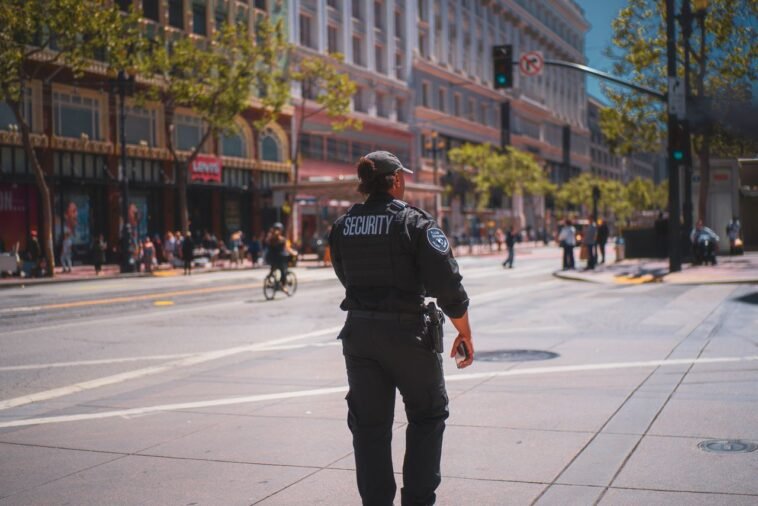
Florida law allows the 40 hour Class D training to be taken online, and the online class must be live. It has to be taught by a school licensed by the state that keeps a physical location in Florida.
A video course you can finish whenever you like, with no instructor present, is not what the law describes.
After the course, you still need to pass the exam, get your training certificate, and apply to the Florida Department of Agriculture and Consumer Services.
The Class D security license online course Florida students take is only the first half of the process. The second half is the state application and background review.
What Is a Class D Security License in Florida?
A Class D license is the state license for an unarmed security officer in Florida. If you work as a security guard and you do not carry a firearm, this is the license you need.
The Florida Department of Agriculture and Consumer Services, Division of Licensing, issues it. People often call it the “guard card” or the “D license.”
Here is the simple version. Florida wants security officers to know the law, stay calm under pressure, and treat people fairly. The license shows that you completed the required training and went through the state’s review process.
You need this license for jobs such as:
- Guarding a building, mall, or apartment complex
- Working at a hospital, school, or event
- Watching a gate or front desk
- Patrolling a parking lot or business
If you want to carry a gun later, there is another license called Class G. We will talk about that in the advanced section.
Why Does This License Matter So Much?
Think about the last time you saw a security officer. You probably felt a little safer. That feeling is exactly what this license is built to protect.
Here is why it matters to you:
- It is the law. In Florida, working as a security officer without the right license can lead to trouble for you and your employer.
- It opens doors. Employers often will not interview you without it.
- It builds trust. A licensed officer has been trained and checked by the state.
- It can be a first step. Many people start with a Class D license and grow into supervisor, manager, or armed roles.
If you have been out of work, changing careers, or looking for a steady job, this license can feel like a real fresh start. You do not need a college degree to begin.
Who Can Apply for a Class D License?
Before you pay for any course, check that you qualify. Nothing hurts more than finishing a course and then learning you are not eligible.
In general, applicants must be at least 18 years old and must be a U.S. citizen or a legal resident who is authorized to work in the United States. You also need to pass a criminal background check. The exact rules are set by the state, so treat this list as a starting point and not the final word.
In plain words, you should check these things:
- You are 18 or older
- You are a U.S. citizen or a legal resident with work authorization
- You have no disqualifying criminal record
- You can give fingerprints and a photo
Not sure whether something in your past counts against you? Do not guess. Ask the state before you spend money. The official licensing page is the safest place to start: the Florida Department of Agriculture and Consumer Services private security licenses page.
What Training Does the State Require?
This is the part that surprises people. The state does not just ask for “a course.” It asks for a specific course from a specific kind of school.
Florida law says an applicant for a Class D license must show proof of at least 40 hours of professional training from a school or training facility licensed by the department. Let us break that down.
The 40 Hour Minimum
Forty hours is the minimum training time. You will see some schools describe their course with slightly different hour counts because of breaks, testing, or scheduling. The important point is that the state minimum must be met in full.
A Licensed Class DS School
The school itself must be approved by the state. These schools hold a Class DS license. A school that is not licensed cannot give you a certificate the state will accept, no matter how professional its website looks.
The Exam
The training includes testing. State rules require schools to give an exam of at least two hours that is approved by the Division of Licensing. The questions come from the state curriculum, so if you study the material, you are preparing for the test.
Your Training Certificate
When you pass, the school must issue you a Certificate of Security Officer Training. State rules say this must happen within 3 business days of completing the class. That certificate is your proof. Guard it like a passport.
Can You Really Take the Class D Security License Online Course Florida Offers?

Yes, in many cases you can. But you need to understand exactly what “online” means under Florida law, because this is where people lose money.
Florida Statute 493.6132 sets the rules for online training. In simple terms, an online Class D course must be:
- Live. The class is taught in real time by an instructor, not just a recorded video you watch alone.
- Run by a licensed school. The school must hold the proper state license and keep a physical location in Florida.
- Protected against shortcuts. You can only be logged in from one device at a time, and the system must ask security questions to confirm you are actually following along.
- Timed and tested. There must be a minimum amount of time on each screen, randomized test questions, and a digital attendance record.
If you miss part of a live class, the school may be allowed to make up some of it with recordings, but only within limits set by the state. Ask any school how it handles missed sessions before you pay.
So the Class D security license online course Florida students take is more like a live virtual classroom than a self paced video library.
That is good news for quality, and it also means you need to be available at the scheduled class times.
Before you pay any school, always do these 3 checks:
- Ask for the school’s Class DS license number.
- Confirm it with the Florida Division of Licensing.
- Ask whether the class is live, what the schedule is, and how the certificate is delivered.
A good school will never get annoyed when you ask. If a site only says “get your guard card fast” and cannot answer these questions, walk away. You can read the full online training rules in Florida Statute 493.6132.
How Does the Online Class D Course Work Step by Step?
Let us walk through the whole path. Imagine you are starting today.
Step 1: Check That You Qualify
Use the eligibility list above. If anything feels unclear, ask the state first. This costs nothing and can save you the price of a course.
Step 2: Pick a Licensed DS School
Search for a school that offers the Class D course online. Then compare these things:
- Is the school licensed by the state, and does it show a license number?
- Is the online class live, and what are the class dates and times?
- What is the total price, with no hidden fees?
- How is the final exam given?
- Can you reach a real person if you get stuck?
Step 3: Attend the 40 Hour Course
You will study topics such as the laws that apply to security officers, how to write reports, how to handle emergencies, and how to deal with people calmly.
Do not rush. Show up on time, stay logged in on one device, and answer the security questions when they appear.
Step 4: Pass the Final Exam
The course includes a test. Do not panic. It is based on what you just learned. Take notes while you study and review them before the exam.
Step 5: Get Your Certificate
When you pass, the school issues your certificate. Save a copy on your phone and on your computer. You will need it for your application.
Step 6: Apply to the State
Now you apply for the actual license. Generally, you need the application, your training certificate, a personal photograph, your fingerprints, and payment of the state fee.
Methods and fees can change, so always check the official page for the latest instructions.
Step 7: Wait for Approval
The state reviews your application and background. Once approved, you receive your license and can start working as a licensed unarmed security officer.
What Does the Online Course Cost?
Prices vary a lot from school to school. Some public colleges and private training companies advertise different rates, and some charge more for people who live outside Florida. Prices can also change without notice, so any number you see in an old article may be out of date.
That tells you two things. First, cost depends on where you live and which school you pick. Second, the cheapest option is not always the best one. Always ask for the full price in writing, and find out what it includes: the live class, the exam, the certificate, and any retake fees.
Also remember that the course fee is separate from the state application fee, and fingerprinting may carry its own charge. Budget for all three.
If you are curious how other professional licenses compare, our breakdown of the cost of getting a private pilot license shows how training costs add up in a very different field. It is a useful reminder to count every fee before you commit.
What Mistakes Should You Avoid?
Most problems come from a few small mistakes. Here are the big ones.
Mistake 1: Choosing a School That Is Not Licensed
This is the most painful one. If the school is not approved by the state, your certificate may not count. You lose money and weeks of time. Always verify the license first.
Mistake 2: Believing “Instant License” Promises
No course gives you an instant license. You must finish the training, apply, and pass the state review. Any site that promises a shortcut should make you cautious.
Mistake 3: Assuming Online Means Self Paced
Many people sign up expecting to study at midnight and finish in a weekend. Florida requires the online class to be live, so you must attend scheduled sessions. Check the calendar before you pay so the dates fit your life.
Mistake 4: Ignoring Your Background
If you have something in your past, do not hope it will disappear. Check the rules before you pay for a course. It is better to ask a hard question now than to hear a hard answer later.
Mistake 5: Rushing Through the Material
You are not just trying to pass. You are learning how to protect people and handle tense moments. The knowledge helps you on the job.
Mistake 6: Losing Your Certificate
Save your certificate in more than one place. Email it to yourself. Keep a printed copy.
Mistake 7: Filling in the Application Too Fast
A missing signature or wrong date can slow everything down. Read each line twice before you send it.
Mistake 8: Forgetting About Renewal
Your license does not last forever. Most of these licenses are valid for 2 years, so mark the renewal date on your calendar the day you receive it.
What Are Some Expert Tips to Pass Easily?
You do not need to be a genius. You just need a plan. These tips come from how successful students usually approach the course.
- Treat live class like a real job. Be early, stay focused, and keep distractions away.
- Write your own notes. Short notes in your own words stick better than copied text.
- Say hard terms out loud. Explaining something to a friend or family member tests whether you really understand it.
- Take practice questions seriously. If your school offers them, use them.
- Ask for help early. If a topic confuses you, ask the instructor during class or before the exam.
- Keep every email and receipt. You may need them later.
Study habits matter just as much as intelligence here. Our article on simple discipline explains how doing a little each day beats last minute cramming. If your schedule feels chaotic, the complete guide to building a healthy daily routine can help you fit class time and review time into your week.
Want a bonus tip? Think about the real situations you might face on the job. When you imagine yourself standing at a gate or helping a lost visitor, the lessons feel less like homework and more like real skills.
What Should You Know Once You Are Licensed?
Getting the license is not the finish line. A few rules shape your daily work, so it helps to know them early.
- Carry your license on duty. State guidance says a Class D officer must have the license in their possession while working.
- You work through a licensed agency. A Class D officer generally works for, or owns, a licensed security agency. You cannot simply hang a sign and start offering guard services as an individual.
- Renewal is your job. Licenses are usually valid for 2 years, and you are responsible for renewing on time even if a reminder does not reach you.
- Stay within your role. An unarmed officer observes, reports, and follows site rules. Do not take on armed duties without the proper license.
Knowing these basics makes you a more reliable hire, and reliability is exactly what employers look for.
How Can You Go Beyond the Basics? Advanced Strategies
Once you have your Class D license, you are at the start of a career path, not the end. Here is how people grow.
Add a Class G License
A Class G license allows a licensed security officer to carry a firearm. It is a separate step with extra training.
State sources explain that armed officers complete the 40 hours of security officer training from a licensed Class DS school plus 28 hours of firearms training from a licensed Class K instructor. Armed work often pays more, but it also comes with more responsibility. Think carefully about whether it fits you.
Move Into Supervision
Good officers who show up on time, write clear reports, and stay calm often become shift supervisors. Leadership skills matter just as much as the license.
Explore Management Licenses
Florida has other licenses for people who run security agencies or manage teams. If you dream bigger, keep these in mind for later.
Build a Strong Work Record
Reliability is rare, and employers notice it. Keep a simple log of your training, certificates, and good feedback from supervisors.
Learn Soft Skills
Calm speech, active listening, and basic first aid knowledge make you stand out. Many security problems are solved with words, not force.
Security work can also be stressful, so it helps to build healthy ways to reset after a hard shift. Our guide on coping skills that help when life gets heavy offers practical ideas you can use after a tense day.
What Other Topics Should You Learn About?
A license is only one part of building a safe, steady career. As you move forward, you will likely want to understand a few related areas.
You may want to understand the full list of Class D security license requirements in Florida before you apply, especially the age, citizenship, and background rules.
Many people also search for the cost of a Class D security license in Florida, since the course fee and the state application fee are separate.
After you finish your training, the next question is usually how to apply for a Class D license with the state. Some people also want a clear picture of how long it takes to get a Class D license, from the first lesson to the license in hand.
If your goal is more advanced, you may look into how to get a Class G firearm license in Florida and what the extra training involves. Others worry about renewing a Class D license and keeping it active.
Once you are licensed, you will probably wonder about security guard jobs in Florida and what daily work really looks like.
Finally, many new officers want to know how to check if a Class D license is valid, either to confirm their own status or to check a coworker. The Division of Licensing website is the place to look.
When Should You Ask for Expert Help?
Most people can finish this process alone. But there are times when a little guidance saves a lot of stress.
Consider asking an expert or the state licensing office directly if:
- You have something in your background and are not sure how it affects you
- You are not a U.S. citizen and want to confirm your work status
- A school will not show a license number
- You made a mistake on your application
- Your application is taking much longer than expected
Think of it this way. If your car makes a strange noise, you ask a mechanic. You do not ignore it and hope. The same idea applies here. Asking a good question early is cheap. Fixing a mistake later is not.
At WillingToDo.com, our goal is to give you clear, honest guidance so you can make choices with confidence. You can also read other practical guides on the site whenever you are working on a new goal.
What Is Changing in the Security Industry?
The security world is changing, and it helps to know where it is heading.
- More online learning. Florida now has a clear legal framework for online Class D training, which makes licensing easier for people who work, study, or have family duties. The requirement for live classes keeps quality under control.
- More technology on the job. Cameras, access cards, and digital reporting tools are common now. Officers who feel comfortable with simple technology have an advantage.
- Higher focus on communication. Employers want officers who can calm a tense moment with words. Customer service skills are becoming just as valued as watching and patrolling.
- Steady demand. Security is a very common career in Florida, which is why standing out through good habits and further training matters.
Keep an eye on official updates. The rules around training and licensing can change, so always confirm details with the state before you act. You can also read the law itself in the Florida Statutes, Section 493.6303.
Frequently Asked Questions
1. Can I get a Class D security license completely online in Florida?
You can complete the 40 hour training online through a school licensed by the state, and the class must be live. You still need to apply to the state, give fingerprints, and pass the background review. The license itself is issued by the state, not by the school.
2. How many hours is the Class D course?
The state requires at least 40 hours of training from a licensed Class DS school. The course includes an exam of at least two hours.
3. Who issues the Class D license?
The Florida Department of Agriculture and Consumer Services, Division of Licensing, issues it.
4. Do I need a Class D license to be an unarmed security guard in Florida?
Yes. Anyone working as an unarmed security officer in Florida needs this license.
5. Can I carry a gun with a Class D license?
No. Carrying a firearm requires a separate Class G license and extra firearms training.
6. What documents do I need to apply?
Generally, you need your training certificate, the application, a photo, fingerprints, and payment. Check the state page for the newest list.
7. How do I know if an online school is real?
Ask for its Class DS license number and verify it with the state. Also ask whether the class is live and where the school’s Florida location is. If a school avoids the question, choose another one.
Conclusion
Getting a Class D security license can feel confusing at first, but you now have the full picture. You know who qualifies, how the Class D security license online course Florida schools offer really works, why a licensed school matters, and which mistakes to avoid. You also know where the career can lead.
Remember, you do not need to be perfect. You just need to take the steps in order. Check your eligibility, choose a licensed school with live online classes, finish the course, and apply with care.
Your next step is easy. Open the official state page, confirm the current rules, and pick a licensed DS school today. A secure job and a steady future can start with one small decision.
Disclaimer: This article is for general information only and is not legal advice. Licensing rules, fees, and procedures are set by the State of Florida and can change. Always confirm current requirements with the Florida Department of Agriculture and Consumer Services, Division of Licensing, before you enroll or apply.